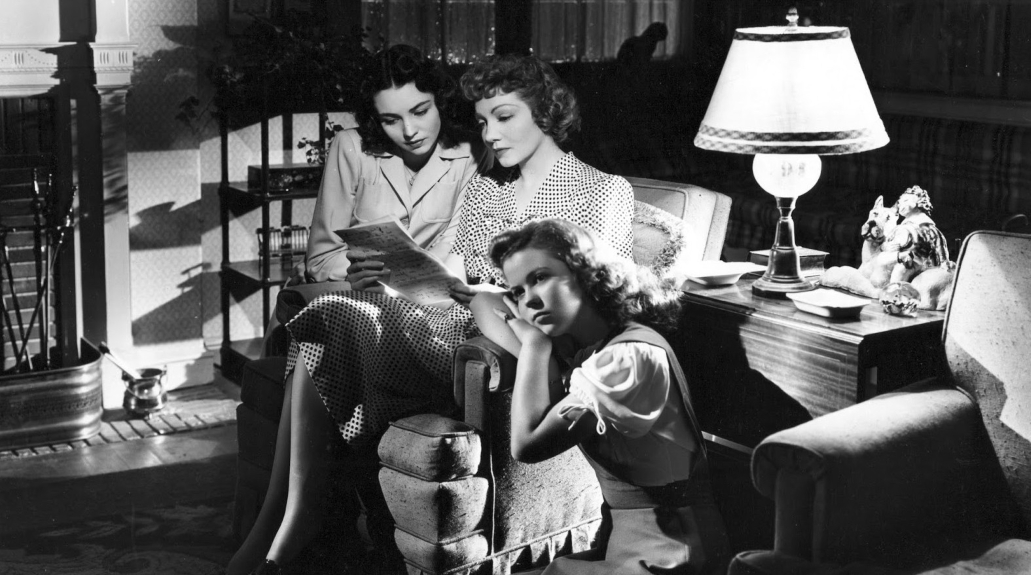
Category: Family drama

Places in the Heart (1984)

Places in the Heart (1984)

Overcoming adversity and racism are themes not always successfully balanced in Benton’s family epic

Director: Robert Benton

Cast: Sally Field (Edna Spalding), Lindsay Crouse (Margaret Lomax), Danny Glover (Moze Hardner), John Malkovich (Mr Will), Ed Harris (Wayne Lomax), Amy Madign (Viola Kelsey), Yankton Hatten (Frank Spalding), Gennie James (Possum Spalding), Lane Smith (Albert Denby), Ray Baker (Sheriff Royce Spalding), Terry O’Quinn (Buddy Kelsey), De’voreaux White (Wylie)

Partially based on his own childhood memories, set in Texas 1935 as the Depression grips America, Robert Benton’s Places in the Heart is a tear-jerking tale of overcoming adversity, mixed with an earnest attempt to look at Southern racism. It’s often a little heavy-handed in the former, and a little fudged (if very well-meaning) in the second. Places in the Heart is a frustrating film with a genuinely engaging, engrossing story that, for various reasons, the film never manages to quite bring into focus, for all the undoubted skill in its making.

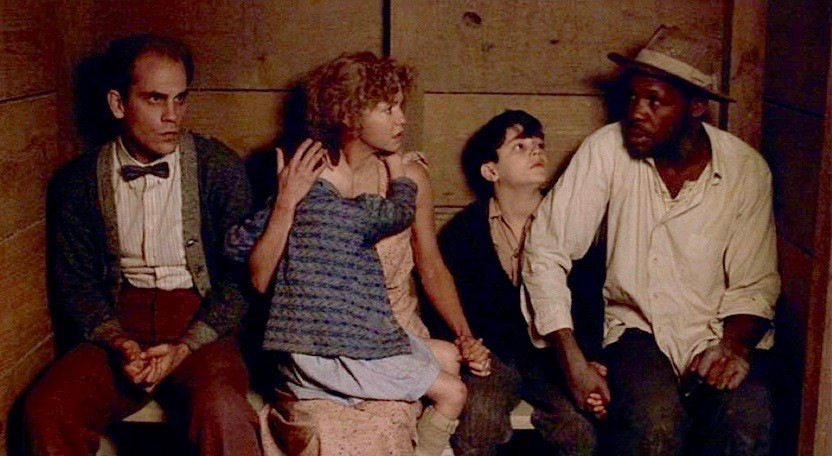
Sally Field plays Edna Spalding, a widow after her sheriff husband (Ray Baker) is accidentally shot and killed by a drunken Black teenager (promptly brutally lynched by the Klan the same day). With the bank pushing to foreclose on the farm she can no longer afford, poverty and homelessness seem certain until a chance meeting with Black drifter Moze (Danny Glover) offers hope. Moze is an experienced cotton worker, and he coaches Edna through getting the fastest cotton crop of the season (and the $100 prize for that feat). Edna and her children throw themselves into the task, and she starts to build a new family with Moze and blind war-veteran lodger Mr Will (John Malkovich). But will weather, the Klan and the banks allow it?

Benton’s film is, in many ways, a master-class in constructing a framework of highly impactful scenes. Places in the Heart is carefully paced with metronomic precision to give us an impactful, powerful scene roughly every ten minutes. From the shockingly sudden shooting of Sheriff Spalding and Edna cleaning his deceased body on her dining room table it gives us scenes that build perfectly to showcase high impact moments. Confrontations, tornadoes that place children in peril, triumphant confrontations with arrogant bankers and facing down corrupt cotton sellers, inevitable fireworks after a disastrous double date and heart-rending racist attacks. It’s a film almost completely constructed of tent-pole moments, to illicit maximum impact.

However, where it fails are the moments in-between. It’s so focused on nailing those big moments, that it allows the emotional journey that should inter-connect them (and make the story truly satisfying) to falter. The clearest example is Malkovich’s blind Mr Will: in no more than three scenes he goes from a man bitter at his disability, dumped on Mrs Spalding by a family who can’t be bothered to care for him, resenting her ‘hooligan’ children to risking his life to becoming their surrogate uncle. It’s a tribute to Malkovich that he sells this lightning fast emotional turn-around, but a more patient film would have spent this change feel organic (rather than, essentially, relying on a tornado act-of-God to complete the arc).

Similarly lightning fast work covers the bond between Edna and Moze: swiftly we go a few scenes from her greeting him with slightly less racist discomfort than her sister, to Jean-Valjean-like claiming she asked him to deliver to a friend the silver spoons he steals from her house, to him becoming another surrogate uncle to the kids and treated in the house like an equal (he notably doesn’t cross the door threshold for the first hour of the film). Now you can admire the efficiency here – for example, the film is good at establishing without fanfare the rope aids hung up around the farm to help Mr Will (vital for a later confrontation). But you can also regret that it is so keen to get to the emotionally cathartic moments, it skims on showing us the journey (after all, a one hundred mile walk seems less impressive if you only see the start and end).

Part of the problem is Benton keeps dragging us away from these engaging plotlines to wallow in a side-plot involving Mrs Spalding’s sister and her wayward husband’s affair with a school teacher. This storyline barely intersects with events on the Spalding farm, in no way serves as a commentary on events there (a braver film would have contrasted it with a romantic relationship between Edna and Moze, which you can be sure would not have been as genteelly resolved as that affair in a South as racist as this). All it really does – for all the efforts of Crouse (Oscar-nominated, presumably due to her husband-slapping confrontation scene), Harris and Madigan, it’s meandering, dull and feels pointless even while you are watching it.

And it always takes us away from the real interest on the farm. The depiction of triumph over adversity is fairly straight-forward – with a host of hissable strawmen, led by Lane Smith’s patronisingly sexist banker – but it’s told with such professional skill it can’t help but land.  Who doesn’t enjoy a woman who never believed she amounted to anything, suddenly discovering an inner-fire and sense of purpose she never knew. You may notice the similarity to Sally Field’s other Oscar-winning role (Norma Rae). Her performance here is cut from the same cloth, only this time she can’t find the same naturalness: she is frequently mannered, precise and actorly when she should feel raw, grounded and real.

The real daring interest here is the way the film tries to address racism. You can’t deny there is a certain romanticism in its looks at the Ol’ South, but its balanced with putting on screen something of the real horrors of racism. Perhaps even more shocking than the sudden shooting of Sheriff Spalding is the sight of young Wylie’s disfigured body dragged behind a truck full of gun-totting racists. (And that this is objected to, not for the violence, but for the poor taste of dragging a dead man to Spalding’s wake). Needless to say there is no investigation or punishment for this crime whatsoever.

Moze’s story captures some of the perils of being Black in Depression-era Texas. Danny Glover, in the film’s finest performance, perfectly captures both the anger of the unjustly oppressed and the fear (and shame of that fear) that death could come from the wrong word or looking at someone the wrong way. Moze constantly shuffles himself to the back, casting his-eyes down and changing the timbre of his voice to something slower and more humble when confronted with white men of power. It’s markedly different from the warmth, decency and sharp opinions he shows with people he trusts. And Places in the Heart’s most appalling moment is when he is confronted with the white-hooded face of the South’s ‘defenders’.

At times this sometimes over-balances a film that, at heart, wants to be optimistic. (As you can tell, all too clearly, from its bizarre, overly demonstrative, deliberately dream-like ‘we-can-all-be-the-same’ ending which must have felt meaningful to Benton but to me feels shockingly trite). Moze’s suffering is shown with real compassion, but he is still presented as a character who magically shows up at exactly the time he is needed and then disappears when his task is done. It’s a film that imagines a utopia where a desperate mother, a blind white man and a Black man can learn all men are equal, while struggling to accept that this is nestled in a land riddled with Klan racists where the n-word is so casually used it doesn’t even raise an eyebrow. In the end cold, hard reality is a little too much for Places in the Heart to digest.

The Phoenician Scheme (2025)

The Phoenician Scheme (2025)

Anderson marries heart, truth and a genuinely engaging and compelling plot with his unique quirk

Director: Wes Anderson

Cast: Benecio del Toro (Zsa-Zsa Korda), Mia Threapleton (Sister Liesl), Michael Cera (Bjorn Lund), Riz Ahmed (Prince Farouk), Tom Hanks (Leland), Bryan Cranston (Reagan), Mathieu Amalric (Marseilles Bob), Richard Ayoade (Sergio), Jeffrey Wright (Marty), Scarlett Johansson (Hilda Sussman), Benedict Cumberbatch (Uncle Nubar), Rupert Friend (Excalibur), Hope Davis (Mother Superior), Bill Murray (God), Charlotte Gainsbourg (Korda’s late wife), Willem Dafoe (Knave), F. Murray Abraham (Prophet), Stephen Park (Korda’s pilot), Alex Jennings (Broadcloth), Jason Watkins (Notary)

Wes Anderson is one of those directors I often sit on the fence about, with a style so distinctive it can in become overwhelming. But when it works, it works – and The Phoenician Scheme is (aside from his superb Netflix Dahl adaptations) his best work since his masterpiece The Grand Budapest Hotel. In this film, Anderson finds an emotional and story-telling engagement that adds depth to all the stylised invention. It’s a film I’ve found more rewarding the longer I’ve thought about it.

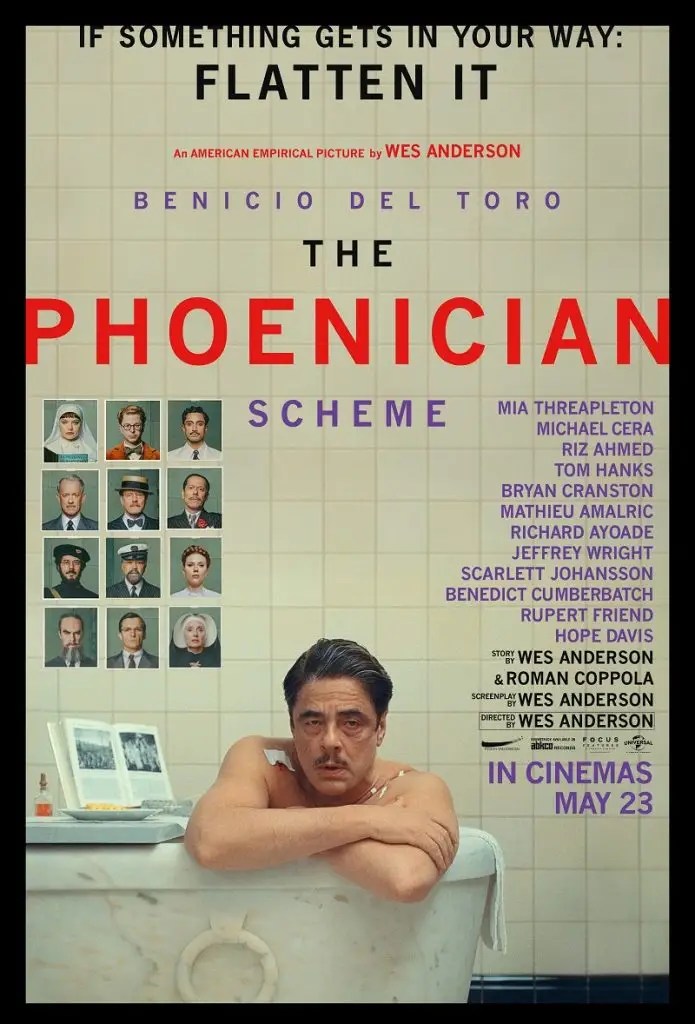
Set in an Anderson-esque 1950s (Andersonland?), notorious industrialist and arms trader Zsa-Zsa Korda (Benecio del Toro) spends his life dodging assassins. After one attempt gets close, he decides to try and repair his relationship with estranged daughter Liesl (Mia Threapleton), a novice nun who suspects her father might have had her mother murdered (he denies it). With governments, business competitors and others on his tail, Korda throws together a complex scheme for one last success in Phoenicia, a massive new development built with slave labour. As Korda juggles rivals and investors, will he repair his relationship with his daughter? And how will he fare in his recurrent visions of standing at the (noir) Gates of Heaven, being judged for entry?

Anderson’s film, of course, is another superb example of his visual style, constructed like an intricately layered work of art. Each shot could probably hang in an art gallery, framed to perfection with gorgeously sublime colours that soak off the screen. The elaborate set design and vintage costume work are striking as always, with every piece perfectly placed and every feature expertly judged. Within this, his carefully selected cast deliver the wry, dry and arch Anderson-dialogue with aplomb, embracing every moment (of many) where Anderson allows the characters to share a raised eyebrow or a pithy aside to the camera.

In other words, it might all be as you expect – a formula that started to feel a bit tired after intricate, insular films like The French Dispatch and Asteroid City, which felt so personal to Anderson that they were virtually impenetrable to everyone else. But what elevates The Phoenician Scheme is that Anderson embraces both a surprisingly tense plot-line – the closest he can probably get to a thriller, laced throughout with satire, humour and more than a fair share of the ridiculous – and gives a genuine emotional force to a father and daughter struggling to recognise what (if anything) could bring them together. Throw in questions around life, death and what constitutes making a life ‘worth living’ and you’ve got a rich, intriguing and rewarding film that could stand even without the Anderston scaffolding.

Perhaps only Anderson could mix an unscrupulous businessmen targeted by assassins (some of these are delightfully, blackly, comic – not least an opening plane bomb that sees Korda ejecting his pilot for refusing to attempt a crazy hail-Mary manoeuvre to survive an inevitable crash) with Korda closing vital deals (in a deliberately, impenetrably complex scheme) by shooting hoops with a pair of baseball-fanatic brothers (Tom Hanks and Bryan Cranston, both hilarious), taking a bullet for a fez-wearing gangster (Matheiu Almaric, wonderfully weasily) and forcing an eccentric naval captain (Jeffrey Wright, perfectly deadpan) during a blood donation to sign with a bomb. And spin out a joke where Korda hands over custom-made hand grenades to business associates like they are branded pens. All while dodging a shady government cabal (fronted by Rupert Friend’s Transatlantic Arthurian-nick-named Excalibur).

But The Phoenician Scheme works because under this comic twist on spy thrillers, it has a real heart. Anderson’s finest films are where he works with an actor who can bring depth and feeling to the quirk. And here, he might just have brought out the best from an actor prone to a little quirk himself. Benecio del Toro gives Korda a world-weary cynicism but also a subtle fragility. There is nothing that won’t flummox Korda, a guy tipped off on attempts on his life because he frequently recognises assassins he’s hired himself in the past. But he’s also quietly afraid his life has been for nothing: that he is, in fact, not a rogue but an out-and-out villain ruining countless lives. And that God (in the form of, who else, Bill Murray) isn’t going to be welcoming up there.

It motivates a careful dance of reconciliation and grooming to take over his business with his estranged daughter Liesl, delightfully played by Mia Threapleton (with just the right mix of dead-pan flair for the dialogue, while giving it an arch warmth). Liesl imagines herself as distant from Korda as can be – the novice (literally) to his expert manipulator – but she turns out to have far more talent for Korda’s mix of chutzpah, disregard for rules and ruthless improvisation. Watching the relationship – and recognition – between these two (beautifully played by both actors) is very funny and also surprisingly sweet (you know its Anderson when a nun suddenly pulling a small machete out of her wimple is both oddly endearing and absolutely hilarious).

This sense of emotional development and personal and dramatic stakes is improved further by the celestial semi-trial (cue Willem Dafoe as an advocate angel), in a black-and-white heaven that mixes Powell and Pressburger’s Matter of Life and Death (surely the name Korda is no coincidence) and the imagery of Luis Buñuel. This all leads into a surprisingly gentle but affecting tale of redemption and second-chances, including an ending that feels surprising but also somehow completely, wonderfully inevitable and fitting,

The Phoenician Scheme may even be slightly under-served by its Andersonesque framing and design: after all it’s become easy to overlook the depths when the display is as extraordinary as this. When Anderson unearths a deeper meaning, working with masterful performers who can imbue his quirky, witty dialogue with heft, he can be one of the best out there. And do all that without sacrificing an air of charming whimsy, and building towards the most hilarious fist fight since Bridget Jones’s Diary (between del Toro and Cumberbatch’s tyrannically awful Uncle Nubar). Not a lot of directors can pull that off – and it’s a lovely reminder that Anderson at his best is an absolutely unique, wonderful gem in film-making.

On Golden Pond (1981)

On Golden Pond (1981)

Sentimental drama, sickly-sweet, which owes any success it is to its legendary leads

Director: Mark Rydell

Cast: Katharine Hepburn (Ethel Thayer), Henry Fonda (Norman Thayer), Jane Fonda (Chelsea Thayer), Doug McKeon (Billy Ray Jnr), Dabney Coleman (Dr Bill Ray)

The, admittedly luscious, score by Dave Grusin gives you a pretty good idea of what to expect, as Billy Williams’ camerawork drifts over a sun-kissed lake. On Golden Pond is an overwhelmingly sentimental film, just about lifted above its Hallmark Classic material by its legendary cast. Justified residual affection for them made this frequently mawkish, sickly-sweet film a massive box-office hit. Instigated by Jane Fonda, as a late bridge for a final reconciliation with her father Henry, it won him an Oscar 41 years after his last (and only previous) nomination.

Henry Fonda plays Norman Thayer, a curmudgeonly academic on the cusp of his 80th birthday, whose avuncular abruptness covers a fear of death and the slow decline of his wits. Along with his supportive, sparky wife Ethel (Katharine Hepburn) he’s spending this birthday at their summer home on the shore of New England golden lake. They are joined, unexpectantly, by their marginally estranged daughter Chelsea (Jane Fonda) with her new boyfriend Bill (Dabney Coleman) and his thirteen-year-old son Billy (Doug McKeon) in tow. Chelsea and Bill leave for a holiday in Europe, leaving Billy behind. Can Billy and Norman find common ground, and will the presence of this young man help Norman and Chelsea find reconciliation and understanding after years of tension.

If you don’t know the answer, you’ve not seen enough movies. Pretty much every development in On Golden Pond could be jotted down correctly on a pad in advance. Of course, Norman’s hostility will melt slightly as he rediscovers something of his playful youth and vigour in the kid. Of course, Billy’s contempt for the gentle pleasures of Golden Pond will wash away as he embraces the delights of fishing, reading classic novels and playing board games under the increasingly warm surrogate parental eyes of Norman and Ethel. Of course, Chelsea’s ostentatious determination to only refer to Norman by his name will eventually see her calling him ‘Dad’. Of course, Norman will finally allow himself to confess his love for his daughter.

All these inevitable emotional plot developments are hit with assured smoothness in Rydell’s straight-forward film, perfectly packaged for mass appeal. Every character is an archetype: the grouchy old guy with a heart of gold, the loving wife who devotes herself to exasperatingly caring for her husband and smoothing over those he offends, the prickly daughter whose resentment hides her desperate need for her father’s love… You could argue the film’s very predictability is the secret sauce behind its success.

It can be safely consumed as a heart-warming fable. So much so, it’s easy to miss how biased the film is in favour of the older generation. So sentimental is the eye it casts over Norman, so forgiving and sympathetic is it to his quiet raging against the dying of the light, that it effectively gives him a pass for any responsibility for the coldness between him and his daughter, partially born from his domineering expectations and demands of her.

When Chelsea complains to Esther about her father’s coldness, distance and high standards, she’s roundly told she should have seen past this to the love her father buried deep down. (Esther even slaps her for questioning it!). This is a film that firmly states the younger generation should adjust to fit in with the older. Chelsea should pull herself together, stop whining, and get over the fact her Dad never really told her how he feels: that, effectively, the problem they have is her expectations rather than his failures. It’s fitting with a film that, however charmingly it does it, also sees Billy adapting and changing to better fit in with the Thayers rather than any vice versa. God knows what it would make of something like Five Easy Pieces.

The film’s patronising, one-sided view of generational conflict and its soppy sentimentality would make it unbearable, if it wasn’t for the performers at its heart. Henry Fonda, with less than a year to live, takes a cliched character and invests Norman with a richness and depth of personality that is far more than the film deserves. Fonda’s precise diction and ability to turn those blue eyes cold is perfect for Norman’s grouching, but when those same eyes collapse into panicked fear (such as when Norman gets lost in woods he has walked all his life) it’s as moving as his attempt to shrug off his failing memory.

Fonda’s perfectly delivers both the irritation and hidden fear when he stares at photos of himself and his younger family and plaintively asks who they are.  He makes the bond with Doug McKeon’s Billy (also excellent) genuinely rather sweet, these two kindred souls shooting the breeze and catching fish like life-long buddies (Fonda fills Norman here with an almost teenage sense of naughtiness). It’s a rich, charming performance.

He’s expertly supported by Katharine Hepburn, who brings her customary spark, fierce intelligence, take-no-nonsense assurance and dry wit to Esther. Truthfully the role, for which she won a record-breaking fourth Oscar, is almost identical to Guess Who’s Coming to Dinner. Once again, she is the dutiful but loving wife, smoothing over the feathers her husband disrupts and speaking home truths to her disappointed child. Hepburn could probably do this standing on her head, but that doesn’t mean she doesn’t nail it. Jane Fonda, a far more generous performer than she gets credit for, plays Chelsea with such emotional commitment it can’t help but pull some heartstrings. Even Dabney Coleman is restrained and gentle.

Of course, a lot of this success also comes from the deeply blurred lines between truth and fiction that abound in On Golden Pond. It’s no secret to anyone watching that the Norman-Chelsea relationship has multiple parallels with that of Henry-Jane. Jane Fonda had planned the film as a tribute to her father (much to the disappointment of James Stewart who dreamed of playing it), and when the duelling father and daughter quietly reconcile, it’s impossible to not also see the real actors themselves building bridges after a lifetime of disagreements. It’s a greater emotional impact than the actual film itself and surely contributed to its success.

On Golden Pond is less successful on its own merits. An overly sentimental film, with a golden-eyed regard for the dignity and decency of the older generation, where inter-generational conflict is resolved with a few gentle words and a backflip off a diving board. Remove the actors – and the emotional truth behind its making – and you have a very slight, predictable and manipulative movie.

Cat on a Hot Tin Roof (1958)

Cat on a Hot Tin Roof (1958)

Excellent acting almost saves a neutered, inverted version of Williams’ powerhouse play

Director: Richard Brooks

Cast: Elizabeth Taylor (Maggie Pollitt), Paul Newman (‘Brick’ Pollitt), Burl Ives (‘Big Daddy’ Pollitt), Jack Carson (‘Gooper’ Pollitt), Judith Anderson (‘Big Mama’ Pollitt), Madeleine Sherwood (Mae Flynn ‘Sister Woman’ Pollitt), Larry Gates (Dr Baugh), Vaughn Taylor (Deacon Davies)

There is a fun little anecdote of Tennessee Williams running into a crowd of people lined around the block to catch Cat on a Hot Tin Roof at their local multiplexes and loudly begging them “Go home! This movie will set the industry back 50 years!” You can sort of see why Williams was a bit pissed. It’s a miracle really that Cat on a Hot Tin Roof works at all. The studio snapped up this Broadway mega-hit and promptly instructed Richard Brooks to remove all the content that worked with a bunch of New York Times readers, but wasn’t going to fly in a mid-West fleapit. What we end up with is a curious, mis-aligned, neutered work that arguably inverts several of Williams’ points and is reliant on its incredibly strong, charismatic acting to work.

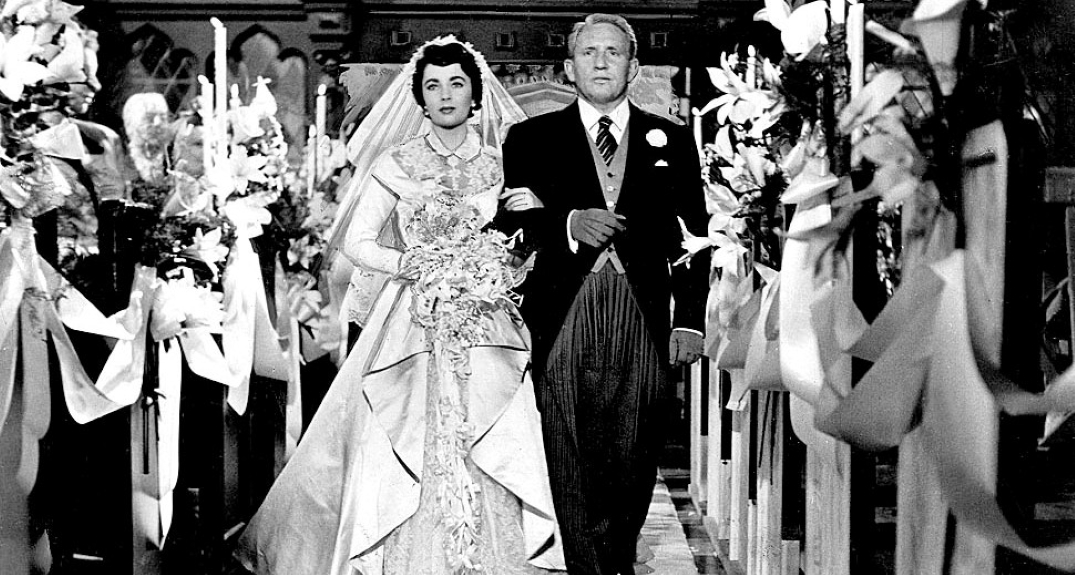
Brick (Paul Newman) is a former College sports star, now adrift in life, trapped in an unhappy marriage with Maggie (Elizabeth Taylor) who he resents and blames for the suicide of close friend Skipper. All Maggie’s attempts to rediscover any love is met with cold, blank disinterest as Brick hits the bottle big-time. Maggie keeps up the front of wedding bliss, as she is determined they will win their share of the inheritance from Brick’s father ‘Big Daddy’ (Burl Ives) who believes he’s merely under-the-weather, but is in fact dying. This news is also being kept from his devoted (but privately barely tolerated by Big Daddy) wife Big Mama (Judith Anderson), while Brick’s brother’s Gooper (Jack Carson) and his wife Mae Flynn (Madeline Sherwood) makes aggressive pitchs to cement Big Daddy’s fortune for themselves.

This simmering Broadway adaptation of a Southern family weighted down by lies (or mendacity as they love to call it), concealments and barely disguised resentments, was a smash hit but a very mixed film. It’s weighed down by both too much respect of the theatrical nature of the play, and too little interest in its actual message. Richard Brooks’ production largely restricts itself to interspersing wider shots with some reaction shots and sticks very much to its ‘same location for each act’ set-up. It’s a surprisingly conservative and safe re-staging of a hit play.

Despite Brooks’ liberal re-writing of the dialogue (of which more later), it remains a very theatrical rather than cinematic piece, largely devoid of imaginative editing or photography. The attempts to ‘open up’ the piece introduced by Brooks feel pointless or add very little (such as witnessing the accident where Brick breaks his leg or travelling to the airport to see the arrival of Big Daddy’s plane). Compared to the inventive and dynamic use of single-location shooting in Lumet’s 12 Angry Men, Cat on a Hot Tin Roof feels considerably more stately and reserved, and is far less successful in using the tricks of cinema to successfully build tension and conflict.

What it shares however with 12 Angry Men is the electric acting. Elizabeth Taylor gives one of her finest performances, her Maggie bubbling with sexual and emotional frustration, reduced to hurling physical and verbal punches at Brick in an attempt to get any sort of emotional rise out of him. She makes Maggie, for all her desperation and confusion, surprisingly sympathetic. Taylor manages to be both selfish and domineering while also showing how broken up Maggie is with shame and guilt. It’s a detailed, intense, passionate performance.

It also works perfectly opposite Paul Newman’s brooding intensity as Brick. This is the handsome, blue-eyed legend inverting his charisma into something insular, at times merely starring in self-loathing into the middle distance as other speak at him, only rarely rising to let rip at others with contempt and fury. Newman is a force of quiet, emotional anger, even if (stripped of his character’s primary motivation) he comes across at times like a spoilt child who never really grew up rather than the tortured man trapped in a lie of a life, that Williams intended (Brooks even frames him at one point with a high-school football of himself behind him, his past literally haunting him).

Burl Ives would certainly have won an Oscar for this, if he hadn’t won that year for The Big Country. Recreating his Tony Award winning role, he’s a whirligig force of nature as Big Daddy, bullishly insistent on getting his own way, shrugging off with irritation his wife’s affection (an effectively unsettled Judith Anderson) and hiding his own fear at oncoming death in a relentless pursuit of the future. Ives also nails Big Daddy’s outstanding late speeches, investing them with a deep sense of melancholy and sadness under the bombast and strength. It’s a great performance. Jack Carson is perfectly, anonymously uninteresting as ‘other son’ Gooper and Madeline Sherwood hits the beats of shrill hostility she’s asked for as his wife Mae Flynn.

That these performances work so well is a tribute to the underlying strength of a play that has been radically, almost disastrously, lobotomised by Brooks into something that flattens, blurs and (at points) radically inverts the intention. Putting it bluntly, Williams’ original used Brick’s unspoken (perhaps even subconscious) homosexual attraction to Skipper as the root cause of his disastrous marriage and booze-laden depression. Maggie, all too-aware of her husband’s sexual orientation, fumes in frustration at his lack of interest in making the inheritance-required babies. Even Big Daddy suspects this massive unspoken secret at the heart of a family. The fact this remains unspoken to the end, that the characters carry on with the fake fiction of the Pollitt dynasty is a damning indictment of the hypocrisy of American family life.

That wasn’t going to wash in Hollywood. No hint of Brick’s homosexuality could be allowed: in fact, Newman’s heteronormative virility is repeatedly stressed (at one point he even embraces Maggie’s dressing gown in romantic longing). It weakens both characters – for all the skill of Newman and Taylor, it makes both characters shallower, two people letting sulks and pride stand between happiness, rather than two people trapped into a doomed cycle. The film resolutely associates happiness with love and duty to the family unit, emphatically not what Williams’ play suggested.

No wonder he was pissed. A daring play about Southern family hypocrisy and buried secrets, where the burden of the family is a deadweight crushing people is turned into a straight (in every sense) celebration of it. It makes the play a conservative, reassuring lie, as much as a mendacity as the characters talk about. So maybe Williams was right to berate that crowd. Still it pissed Brooks off mightily: he pithily retorted it was a bit rich of Williams to kick up such fuss over a film which made him very wealthy. I guess at least there Brooks makes a strong point.

One Battle After Another (2025)

One Battle After Another (2025)

Fabulously made film, a brilliant merging of half-a-dozen genres is one Andersons’s finest

Director: Paul Thomas Anderson

Cast: Leonardo DiCaprio (Pat Calhoun/Bob Ferguson), Sean Penn (Colonel Steven J Lockjaw), Benicio del Toro (Sergio St Carlos), Regina Hall (Deandra), Teyana Taylor (Perfidia Beverly Hills), Chase Infiniti (Willa Ferguson), Wood Harris (Laredo), Alan Haima (Mae West), Paul Grimstad (Howard Sommerville), Shayna McHayle (Junglepussy), Tony Goldwyn (Virgil Throckmorton), John Hoogenakker (Tim Smith)

What is revolution – changing the world or just the relentless grind of One Battle After Another? It’s as hard to define as it is to define Paul Thomas Anderson’s incredibly striking Thomas Pynchon adaptation. Look at it one angle, and it’s a sharp political commentary on America; from another it’s a satire on the insular, self-defeating rules of secret societies; from a third it’s a pulpy chase-thriller; from a fourth a touching coming-of-age story of a daughter growing closer to her dad. Anderson’s skill here is that it’s basically all these and more at the same time, an electric, frequently laugh-out loud funny, hugely eccentric film that defies all categorisation.

Pynchon’s novel Vineland saw the radicals of the 1960s pulled, clumsily, back to life in the 90s. Anderson keeps the time skip, but moves the start to the late 00s and the destination to today. Pat (Leonardo DiCaprio) is a dishevelled, but true-believing, junior member of The French 75, a radical Atifa-style organisation on a wave of armed anti-government action. He’s in love with Perfidia (Teyana Taylor), an adrenalin-fuelled militant whose radicalism is often secondary to the rush she gets from guns and bombs. She’s the source of perverted sexual obsession for bottled-up, socially-striving US army officer Stephen Lockjaw (Sean Penn). After Perfidia makes a terrible choice, 16-years later the disillusioned, frequently doped-out, Pat (now living under the alias of Bob Ferguson) is raising their teenage daughter Willa (Chase Infiniti) when Lockjaw explodes back into their life, desperate to clean up his past indiscretions in case they imperil his acceptance into a secretive Neo-Nazi organisation of wealthy American, ‘the Christmas Adventures Club’. Cue a wild and crazy chase.

Anderson’s film bowls along with a whipper-cracker pace, over-flowing with confidence that it doesn’t need to spoon-feed us timelines, details or locations but trusts us to go with narrative flow. Which I for one really did. It’s a film that throws you straight into the mix – a French 75 raid on an immigration detainment facility – and barely lets up from there. Within the first half an hour we’ve seen a wave of direct action events from blowing up campaign offices (after warning phone calls) to sabotaging a city’s electricity supply – alongside Pat and Perfidia overcome with giddy, sexual thrills at thumbing their nose at the system. It’s a great way of grasping what an addictive rush fighting the man can be, something that’s all too-clear in the excited whooping, cheering and bombastic speechifying of many of its members.

These good times can’t last, but Perfidia wants to enjoy them as long as she can. In a blistering, force-of-nature performance from Teyana Taylor, Perfidia acts completely on impulse, thrilled with her life of action, pulling the naïve Bob in her slipstream. Danger of all sorts is addictive, from bombs to risky liaisons. She’ll spontaneously attempt to sexually humiliate Lockjaw on their first encounter (essentially ordering him to ‘stand to attention’ for her), then throw herself into an off-the-books sexual relationship with him (after he obsessively tracks her down for more humiliation) seemingly for kicks. She embodies the risky, thrilling excitement of the revolutionary world.

She’s also what leads to its destruction (her fellow revolutionaries are reduced to frightened shadows of themselves when, during a bank raid. Perfidia actually uses the lethal force everyone else has just talked about). Anderson’s film, after its propulsive start (assembled like an extended montage across an entire act), jumps to a very different future, where the thrills and spills of the underworld are subtly undermined, firstly by the hilarious dark comedy of all communication being managed through obsessive codeword rules and then by comparison with a far more quiet, but far more effective, underground railroad for migrants run by Benecio del Toro’s (underplaying brilliantly, his natural charisma flowing off the screen) Latin community leader and Taekwondo-sensei.

It’s also clear how hard it is to keep the revolutionary fire-burning. One Battle After Another superbly exploits the vulnerability and anxiety that underpins many of DiCaprio’s best performances. For all his involvement with radical violence, Pat/Bob is a sensitive, true believer starry-eyed, but with an appreciation for every-day duties that his fellow revolutionaries lack. It’s him who believes family and their daughter should come first (Perfidia, in the midst of post-natal depression, even admits she’s jealous of her daughter for absorbing so much of Pat’s love and attention).

DiCaprio brilliantly finds in Bob a good heart, whose desire to do the right thing is undermined by his own incompetence. In disappointment, he’s become a paranoid grouch, grumbling about pronouns, like any other middle-aged man adrift in the modern world. DiCaprio burns through the desperate energy of the part, but mixes it with a rich vein of black comedy at Bob’s frequent inability to cope with his situation. It’s a perfectly judged performance of loyalty and love, mixed with exasperation, panic and frequent well-meaning poor judgement.

The second-act leans into the satirical comedy of these middle-aged revolutionaries, bought crashingly to life. In a neat comic touch, Bob spends most of the film on the run, desperately trying to find Willa, while dressed, Arthur Dent-style, in the same scuzzy dressing-gown he was wearing before Lockjaw’s raid. Time-and-time again, he’s reduced to swearing impotently down a phone-line like any other middle-aged consumer fed-up with unhelpful customer service, as he repeatedly fails to dredge vital codewords up from his stoned memory. During his escape, he’ll fall off a roof while evading the law, blanch at jumping from a moving car and spectacularly bungle a shoot-out. But what never waivers is his determination to help his daughter. One Battle After Another plays at times like a version of Taken where Neeson’s character had let himself get out of shape but still threw himself into the chase.

Anderson has fun with the bombastic self-importance of revolutionaries and the intricate insularity of their world. But he also has respect for their underlying desire to change the world for the better, even if the film suggests that the carefully, unflashy work being carried out by del Toro’s railroad is a better approach. Among the revolutionaries, there is a genuine warmth and feeling, embodied by Regina Hall’s loyal and humane Deandra (another superb performance in a film packed with them). There is a loyalty and protectiveness among the revolutionaries that bonds them together. And Sergio – del Toro outstanding as a never-fazed Sensei, a performance bubbling with dry wit – has built a community founded on mutual respect and looking out for each other.

And One Battle After Another has no respect at all for the alternative. The Christmas Adventures Club, the bizarre neo-Nazi group Lockjaw dreams of joining, shares the ridiculous language of secret knocks, handshakes and codewords. But it’s repellent in its instinctive racism and treats its members not as allies to be protected, but assets to be exploited and disposed of as needed. And their insidious extremism of its powerful white guys, with their hands on the gears of power, poses a far more dangerous threat.

Lockjaw is superbly played by Sean Penn as a ball of righteous, inadequate anger – from his ludicrous hair (which he frequently combs into an aggressive thrust), his tight t-shirts to accentuate his muscles to the lifts in his shoes to make him taller. Lockjaw is desperate to be a somebody, after a lifetime of social insecurity. Lacking any sense of imagination, with the emotional maturity of a disgruntled teen, Penn makes Lockjaw the embodiment of angry male entitlement trying to grab what power they can.

Anderson fuses all these elements into a film that takes us through several propulsive acts, from it’s French 75 prologue, to Bob’s desperate attempt to evade Lockjaw’s troops to a dusty road-chase that superbly carries an air of Mad Max. But Anderson does this, while never letting the film’s focus slip from the twisted family relationships at its centre: from Bob’s genuine, protective fatherly love, to Lockjaw’s incel jealousy and their twisted struggle for Willa (beautifully played by Chase Infiniti, in a star-making turn, as young woman finding a strength and idealism within herself that surprises her). It finds space for a genuinely moving series of personal relationships, just as it also skilfully shows Willa’s self-belief and social imagination flourishing under insane circumstances.

It’s part of a compelling, exciting, blackly comic and compelling film, which is not afraid to go to extreme, satirical lengths one moment and then pull you up with a scene that is gentle, earnest and heartfelt the next. It also avoids the trap of too directly preaching about America today, while asking several searching (and uncomfortable questions) about where we are now. Superbly acted across the board, it again shows Anderson is one of the finest directors working.

The Champ (1931)

The Champ (1931)

Seminal father-and-son drama that largely avoids excessive melodrama while essentially inventing a genre

Director: King Vidor

Cast: Wallace Beery (Andy “Champ” Purcell), Jackie Cooper (Dink Purcell), Irene Rich (Linda Purcell), Roscoe Ates (Sponge), Edward Brophy (Tim), Hale Hamilton (Tony), Jesse Scott (Jonah), Marcia Mae Jones (Mary Lou)

The Champ is the grand-daddy of an entire genre of “Dad-and-lad” films. If it sometimes feels over-familiar today, then that’s because many of now familiar cliches of slightly washed-out Dads caring for (and being cared for) precocious-but-caring pre-teen sons were born here. Even at the time, plenty of people saw The Champ as drowning in more than a little sentimentality. But The Champ is mostly effectively underplayed and directed with a spry energy that stops it becoming too cloying.

Andy Purcell (Wallace Beery) is adored by his 8-year-old son Dink (Jackie Cooper) as “Champ”. Andy was a heavyweight champion once; but is now an over-the-hill fighter more likely to be found propping up a bar or shooting dice than throwing punches in the ring. Constantly guiding Champ away from temptation, Dink doesn’t waver in his devotion, even when presented with the possibility of a new life with his long-lost now-wealthy mother (Irene Rich). Champ wants to prove to his son he can be the man Dink believes he can be, taking to the ring one more time against the Mexican champion – with heart-tugging consequences.

It’s not just dad-and-lad cliches – there’s more than a few boxing cliches whose DNA is in The Champ – Vidor even directed here one of the first-ever training montages, as Champ gets ready to duke it out with the Mexican champ. But its heart is really in the unbreakable bond between father and son, their unwavering love which survives no end of testing the father applies to it. Champ is an unreliable wash-up who makes it a regular habit to piss away money, culminating in selling their treasured race-horse “Little Champ”. But Dink knows, for all is flaws, Champ truly loves his son.

A film like this relies on the chemistry between the two actors, so it’s just as well both Beery and Cooper genuinely feel like they’ve known each other all their lives. (Hopefully it doesn’t spoil the magic to discover the famously misanthropic Beery loathed Cooper, who in turn felt Beery was a scene-stealing bully). Their interplay, their easy, natural chatter and playful physicality is heart-warmingly believable. From sharing a bed in their rundown flat, to messing around with their hats or teasing each other during country jogs, Vidor’s film finds a natural ease in their relationship. There is a genuine feeling of parental love between the two, captured in little moments that feel real, such as Champ’s superstition about Dink spitting on things ‘for luck’ (from betting slips to boxing gloves).

Beery won one of the first Best Actor Oscars – a historic tie with Fredric March in Dr Jekyll and Mr Hyde (ruled a draw despite Beery gaining one fewer votes) – and it’s a deserving one. Beery underplays a role that could billow over the top, from his woozy drunk acting which is convincingly low-key to the streak of guilty self-loathing Beery keeps clear is running through Champ. He’s a man who despises his weaknesses, who knows he is not the legend his son still believes him to be, deeply ashamed of his actions but yet time-after-time lets down and embarrasses his son, from getting arrested in drunken scuffles (in front of the whole town) to slurring nonsense in a bar.

The warmth of Vidor’s direction keeps us on-side with Champ, even as he needs to be sobered up with cold tomato soup and ice to make a meeting with a promoter (even so, he’s still late and screws it up in any case due to still being pissed) or as he is hauled out of a police van, scruffy and swinging misguided punches. It makes us hope for the best from Champ, even if it’s left subtly open whether he strikes Dink (from between the bars of his prison cell) from anger or in an attempt to drive the boy away from his self-destructive father. (Either way, in a touch that inspired Raging Bull, Champ is so ashamed of his perhaps- half-meant blow, he pummels the cell wall with his hand, his face contorted in lashings of shame and self-loathing.)

Beery’s performance is perfectly complemented by Cooper, one of the most natural child stars ever. Cooper’s Dink pulls off the difficult trick of feeling both charmingly wise before his years, but still like a naïve child. Vidor trusted Cooper’s instincts enough to just let be on the camera, notably during a largely improvised sequence where Cooper prattles to himself while climbing up onto the roof of his wealthy mother’s new home. But Cooper can also manage the emotion: when tears come, they feel real and genuinely distraught. In other hands, the final act emotional breakdown might have felt like the worst sort of stage-school tears but Cooper makes it genuinely feel like a child so torn up he can barely process the depth of his feelings.

Cooper’s performance largely sells the film’s heavily melodramatic ending, which could well have collapsed into a soapy mess. It’s the moment where Vidor’s film most insistently tugs on the heart-strings, desperate to get those tears pouring. But he also softens Beery’s self-destructive lunk who, nice-is-he-is, we care for partly because his son is so overwhelmingly devoted to him. And we believe Champ would be desperate to do anything to live up to the sort of hero-worship he has here.

Vidor’s film also gains from his smooth, visually engaging direction. The Champ opens with an impressive tracking shot of our heroes running, and makes excellent use of space and blocking throughout to ground the father-and-son constantly at the centre of a busy world bustling around them. It’s also a generous film: the Champ’s ex is no villain, but a wealthy, decent guy, neither is there racism in the depiction of Dink’s young Black friend Jonah. The decision to use sped-up film for the fight may look vaguely comic today, but adds energy while Vidor largely avoids the trap of hammering the emotional points home too strong.

The Champ is still an effective crowd-pleaser, sailing by in 80 swift minutes, so successfully taking many of the struggling-parent-conventions of ‘women’s pictures’ and applying them to men, that it’s been effectively re-made and re-invented dozens of times, in dozens of settings. And you can’t say more for its effectiveness than that.

An Autumn Afternoon (1962)

An Autumn Afternoon (1962)

Ozu’s final film feels like a perfect summation of the rich sense of ordinary life in his work

Director: Yasujirō Ozu

Cast: Chishū Ryū (Shuhei Hirayama), Shima Iwashita (Michiko Hirayama), Keiji Sada (Koichi Hirayama), Mariko Okada (Akiko Hirayama), Teruo Yoshida (Yutaka Miura), Noriko Maki (Fusako Taguchi), Shinichiro Mikami (Kazuo Hirayama), Nobuo Nakamura (Shuzo Kawai), Eijirō Tōno (The Gourd), Kuniko Miyake (Nobuko Kawai), Ryuji Kita (Professor Horie)

Ozu’s final film feels like a luscious, beautifully filmed summation of a life’s work. Deceptively quiet, simple and gently paced, like the best of Ozu’s work it throbs with a deep understanding of the quiet joys, regrets and pains in ordinary life, where the march of time can relentlessly change and mould your world. An Autumn Afternoon returns to themes familiar from Ozu past work – you see it as almost a remake of Late Spring (with Chishū Ryū, effectively, in the same role) –with his subtly effective recognition of how each generation echoes and reimagines the one before. It’s a deeply humane film from a director who understood everyday life better than almost any other.

Once again, a man feels pressured to marry off a daughter. Shuhei Hirayama (Chishū Ryū) is a middle-ranking factory manager, whose home is tended to by 24-year-old daughter Michiko (Shima Iwashita). Hirayama’s old school-friend and colleague Kawai (Nobuo Nakamura) suggests an arranged marriage for her. Hirayama quietly lets the subject drift, little motived to shake up his home. His opinions slowly shift as he re-encounters his former teacher The Gourd (Eijirō Tōno), now a down-at-heel noodle restaurant owner, who lives with an unhappy spinster daughter. Does Hirayama sees parallels between himself, Michiko and this pair? Is Michiko bothered either way?

It’s a classic Ozu set-up: the different views and perceptions of the generations, contrasted against each other. In many ways, very little happens in An Autumn Afternoon, but in other ways a whole life-time plays out. Skilfully, with an observing, restrained (Ozu’s final film is stiller than ever) camera, Ozu observes people in the Spring, Summer, Autumn and Winter of their lives. In doing so, he captures a particular moment of Japanese history, where pre-War, war and post-war generations confront the world with subtly different outlooks.

In the first darkening of the Autumn of his life, Hirayama is a quiet man with a rich vein of humour. He’s from a generation which sees itself on being more liberal than those before. He meets regularly with a bunch of former school friends, who pride themselves on holding their drink and frequently prank each other in dead-pan comic exchanges. There is a delighted ragging of their friend Professor Horie’s barely concealed sexual glee at his new (younger) wife. They have traditional values (Hirayama assumes marriage will lead to immediate resignation for his young secretary) but enjoy the post-war flourishing of Japan.

Hirayama is comfortable with Americanised Japanese culture, from bottled beers and baseball to American bars and their stools. He drinks too much, make generous offers to others and indulges his children. He’s perfectly happy with the way things are: perhaps because he already fears what his life may be like when his two youngest children flee the nest. It’s a beautifully judged performance from Ryu, genuine, relatable, quietly content but with a subtle sense of sadness and anxiety at change.

There is a sense Ryu’s Hirayama doesn’t want the world shaken, as he has already lived through enough shaking to last a lifetime. He’s a former career Naval officer, who captained a ship in the War. His late wife, it’s implied, died in the American bombing of Tokyo. (Of his children, only two can really remember her, talking about her only wearing trousers during air raids). Bumping into one of his former petty officers, the two men indulge in reminiscences and reflections of what life might have been like in victory (in an American themed bar of all places). Hirayama is drawn to return to the bar again and again, as the barmaid reminds him of his late wife (this small detail would be the entire plot of another film) – although Ryu’s quietly sombreness suggests the memory is to painful to dive into.

But this man contrasts sharply with his children. Hirayama never re-married, and his children have filled the companionship gap in his life. While Michiko matches neatly the traditional view of a Japanese woman as dutiful and guarding of the home (she wears a kimono more than any other female character), his youngest son Kazuo dresses like an American teenager and isn’t afraid to criticise his father. And even Michiko too wants to make her own choices about her life, regardless of the views of others.

The most intriguing contrast though is the marriage between his oldest son Koichi (Keiji Sada) and Akiko (Mariko Okada). Here power dynamics are strikingly different. Both partners work – indeed at one point, Akiko arrives home to find Koichi cleaning and cooking. Decisions are made between them, with Akiko frequently calling the shots. A dispute about Koichi’s plan to spend the excess of a loan from Hirayama on a second-hand set of golf clubs, sees Akiko take firm control of finances (Koichi seems to have inherited his father’s quiet desire not to rock the boat) and has the final say. It echoes, in a way, Professor Horie’s second marriage, where his wife has a level of control over his comings-and-goings that surprises Hirayama and Kawai.

Hirayama may also be quietly disturbed by a vision of what the winter of his life might be like, from ‘The Gourd’, a respected teacher of his childhood, played with a superb desperation and forced good humour by Eijirō Tōno. This once-respected man now works for customers who barely look at him and is totally reliant on a daughter miserable at her life (Ozu quietly watches her break down in tears dealing with her drunken father) and gets embarrassingly pissed at the slightest opportunity when someone else is paying. Considering Hirayama is also a heavy drinker (both men are prone to slumping forward, or swaying on the spot when under the influence) there is a lot that suggests his Winter might not be wildly dissimilar from the Gourd’s.

All of these multi-generational issues are superbly explored by Ozu, all without forced commentary, in a film that is a triumph of his distinctive style of low-angle static cameras, transitions that ground us in location, made even more striking by the film’s gorgeous use of colour (especially its reds). And the film leaves it all open to us to interpret. Because there is no right-or-wrong in Hirayama’s situation: should he let his daughter remain or help her move on and embrace her life?

An Autumn Afternoon concludes with one of the most quietly heart-breaking moments in Ozu’s cinema – under-played to utter perfection by Ryu – as Hirayama sits alone, drink swishing around his guts, singing songs of a martial Japan and facing an unknown future that might see him forced to confront the loneliness he has avoided since his wife died. As the final shots complete of Ozu’s final work – a series of cuts to parts of Hirayama’s home – it feels like a perfect final statement from an artist who looked at the small tragedies of life like no other.

The Fantastic Four: First Steps (2025)

The Fantastic Four: First Steps (2025)

Fun entry in the MCU, bright, pacey and entertaining – but never engages with its deeper issues

Director: Matt Shakman

Cast: Pedro Pascal (Reed Richards / Mister Fantastic), Vanessa Kirby (Sue Storm / Invisible Woman), Ebon Moss-Bachrach (Ben Grimm / The Thing), Joseph Quinn as (Johnny Storm / Human Torch), Julia Garner (Shalla-Bal / Silver Surfer), Ralph Ineson (Galactus), Sarah Niles (Lynne Nichols), Mark Gatiss (Ted Gilbert), Natasha Lyonne (Rachel Rozman), Paul Walter Hauser (Harvey Elder / Mole Man)

It’s taken almost seventeen years (can you believe the MCU has been going for so long?!) but ‘Marvel’s First Family’ finally make it to the party, escaping one of those legacy rights deals the comic giant signed before working out it could make films itself. Since, for those interested, there are already three Fantastic Four origins-films for you to seek out (they gained their powers from flying through a space storm), Fantastic Four throws us straight into the second Act of our heroes lives, communicating their origins in an in-universe TV show celebration of their achievements (including a montage of them defeating a parade of second tier villains, including Mole Man and an army of super-intelligent chimps) before throwing them up against their biggest challenge yet.

For their unofficial leaders, Reed Richards (Pedro Pascal – whose real life super-power seems to be that he appears in all movies) aka Mr Fantastic science super-genius and master strategist with limbs of rubber and Sue Storm (Vanessa Kirby) aka Invisible Woman, the world’s greatest diplomat, who can create forcefields and make herself (and others) invisible) there is the challenge of impending parenthood. And for the whole gang, also including scientist and wild-child Johnny Storm (Joseph Quinn) – he can set his body on fire – and Reed’s best friend, astronaut and Herculean powered made-of-stone Ben Grimm – it’s the threat of Galacticus (Ralph Ineson) a planet-eating giant whose herald (Julia Garner) arrives on a silver surfboard and announces Earth will be his next snack, unless the Four hand over Sue’s unborn child.

The Fantastic Four’s decision to skip the origins story throws us straight into a story that’s a lot of fun. A very enjoyable romp with some well-sketched out characters (played by engaging and charismatic actors), a few extremely well-made set-pieces, plenty of humour, just enough heart and a decent, city-crushing, smackdown at the end. It’s directed with a lot of bounce and joy by Matt Shakman and despite being about literally earth-shattering events manages to keep the focus tightly on the family at its core (perhaps a little too tightly, but more on that later).

It’s also a delightful triumph of design. Set in a sort of cyber-punk 1960s (the idea being that Richard’s intellect has super-powered mankind’s development), it’s a gorgeously realised world of 60s design, all curving surfaces and primary colours, intermixed with souped-up 60s technology like ingenious androids that run on cassette decks and flying cars, like The Jetsons made flesh (doubly engaging as the film so obviously committed to real sets rather than blue-screen invention). I also rather liked the implied joke that the world has progressed only in the areas Richards’ considered worthwhile: so this world has faster-than-light travel, flying cars and abundant energy sources, but totally lacks hi-def television or social media (and who can blame Richards for that).

There is also a certain charm in how the Four are universally beloved heroes. Everywhere they go, they are flooded by admirers and merchandise wearing children (it’s quietly never explored if the Four paid for their colossal, futuristic tower and private space base with a fortune in image deals). Reed fills time between inventing the future with hosting a TV show about science for kids, while Sue essentially runs the United Nations. Johnny is the star of every social event and Ben bashfully lifts the cars for the kids in his Brooklyn neighbourhood and flirts shyly with a primary school teacher (Natasha Lyonne).

This world is pleasingly shaken up by the arrival of the Silver Surfer, a charismatically unreadable turn from Julia Garner (under a CGI naked silver body). First Steps successfully uses this threat to humanise a group of heroes who otherwise might have proved too good to be true. For starters, their confident assurances all will be well when they head for space turns out to be far from the case when they are comprehensively outmatched by an immortal planet eater and his physics-defying silver herald. First Steps most exciting and thrillingly assembled scene is their retreat from a first encounter with this giant, a brilliantly managed high-octane chase around a black hole with a few extra personal perils thrown in on top, made even more gripping by Michael Giacchani’s pitch-perfect score.

That’s before the devilish conundrum of balancing the fate of seven billion people with Sue’s unborn son. If First Steps refuses to really dive fully into it, it does successfully raise the emotional stakes. It’s also a ‘reasonable’ offer from Galactus, a surprisingly soulful anti-villain, played with a mix of disdainful arrogance and death-dreaming melancholy by Ralph Ineson (there is a lovely moment when he takes a break from imminent city-smashing to pick up and sniff a fistful of Earth as if he’s forgotten the smell) desperate to escape the cycle of endlessly devouring planets to maintain his interminable life.

Horrific as it is to imagine a baby taking his place, First Steps avoids really delving into this intergalactic trolley problem. Because, at heart, it’s a film where superheroes alarmingly make decisions for billions of people with no oversight or pushback. Having unilaterally decided to reject Galactus’ offer, the Four seem surprised the rest of Earth are less than thrilled at their impending demise because the Four won’t make a Sophie’s Choice. There is some rich potential here to really delve into the way the Four are, arguably, benign dictators, reshaping this world in their own image and accepting adulation and unquestioning following. First Steps ignores it – the world’s discontent underdone by a single speech from Sue – and only for a split second is the moral quandary treated as something meriting genuine debate. As the surfer points out, if the kid was an adult he would certainly accept: is it right to take that choice from him?

But it’s a comic book movie, right? So, let’s not overthink it. And Marvel was never going to darken its First Family with hints of elitest oppression, demanding sacrifices from others (and the world makes huge sacrifices to protect their child) but not themselves. First Steps is a fun film. I liked its vibe, like a live-action Incredibles (only not that good), I enjoyed the BB4-like robot Herbie, all four of its leads are highly likeable with excellent chemistry. So, I’m trying to just not think about where this onrushing trolley is going and instead enjoy the view.

Moonstruck (1987)

Moonstruck (1987)

Charmingly romantic comedy with little touches of Shakespeare in its celebration of family love

Director: Norman Jewison

Cast: Cher (Loretta Castorini), Nicolas Cage (Ronny Cammareri), Olympia Dukakis (Rose Castorini), Vincent Gardenia (Cosmo Castorini), Danny Aiello (Johnny Cammareri), Julie Bovasso (Rita Cappomagi), Louis Goss (Raymond Cappomagi), John Mahoney (Perry), Feodor Chaliapin (Old man), Antia Gilette (Mona)

People do strange things all the time. We don’t always understand why, so why not say it’s a midsummer madness caused by the moon. Moonstruck seizes that old superstition of blaming the position of our nearest celestial neighbour for sending us all a bit barmy, and weaves it into a film that’s both a playfully eccentric romantic comedy and a sweet tribute to the power of a family’s loving bonds. John Patrick Shanley’s (Oscar-winning) script pulls these strings together so well, it’s not a surprise it’s the sort of a film that frequently ends up on people’s ‘favourite film’ lists.

Loretta Castorini (Cher) is an Italian-American widow, living with her parents, who is starting to wonder if she is cursed with spinsterhood. As the moon reaches its bright zenith, she agrees to marry her terminally dull, utterly unromantic boyfriend Johnny (Danny Aiello), because anything’s better than nothing (despite the fact he seems to see her as much a substitute for his mother as a romantic partner). She agrees to mend the bad blood between him and his younger brother Ronny (Nicolas Cage). Ronny is a picture-postcard of an eccentric, a one-handed baker (blaming his brother for that) prone to melodramatic fits of rage and outbursts of Operatic passion. Loretta and Ronny – blame that moon – are instantly smitten with each other. Who is going to sort that out?

It all pulls together into a sort of modern fairy tale, where everything has an air of gently heightened reality. It’s also the sort of thing that wouldn’t seem out-of-place in Shakespeare’s lightest comedies: people fall in love on a sixpence, feuds are fixed in minutes, cheating spouses instantly return to their wives and jilted suitors smile and join in the celebratory drinks. In this world of theatrical, fairy-tale comedy, it’s quite easy to buy that an exceptionally bright moon is sending everyone a little bit crazy (like Shakespeare’s Dream lovers in the forests outside Athens, going through one crazy doped-up night before settling suddenly into two loving couples) and eventually you just run with it in Jewison’s charming film.

With a script full of witty lines and theatrical bits of bombast (which Cage in particular, inevitably, rips through), Moonstruck is also one of those endlessly charming, relaxing and pleasant films where fundamentally everyone is at-heart decent. Sure, mistakes are made throughout; harsh words and truths are spoken, but within a film where everyone cares for each other. Ronny may (rather unjustly) blame his brother for briefly distracting him at work into losing his hand, but deep down he’s just waiting for an excuse to forgive his brother. Loretta may have a prickly relationship with her mother, but it’s roots are really firm and based around both protecting the other from knowledge of the knee-jerk philandering of her father. It takes the influence of the moon to suddenly spark these people into a few days of crazy behavior that changes their lives and leads them to re-address their relationships with each other.

It also makes Loretta, in an Oscar-winning comedic turn from Cher, face up to the fears about where her life is going. In a performance that is remarkably unglamourous – Cher plays every inch of the reliable window settling into spinsterhood and the film never falsely ‘transforms’ her – Cher invests Loretta with a deep fear and resignation below her surface of reliability and unflappability. Loretta is so used to being practical and dependable, organising the lives of everyone (even patiently instructing the confused Johnny on how to propose marriage), part of her romantic relief with Ronny is being able to let rip a more sensual and vulnerable part of herself. Cher lets the mask slip, as if having had love potion dripped into her eyes, letting her express her deeper feelings.

It makes sense then that she should fall in love with someone as self-willed and resistant to being mothered as Ronny. In an early role that straight away captures Nicolas Cage’s willingness to rip into a scene (what other actor would feel like such a natural fit for a lovably blow-hard, one-handed, baker melodramatically prone to threatening no end of harm on himself?), Ronny has all the sort of wildness and uncontrolled energy and excitement the rest of Loretta’s life doesn’t have. And he doesn’t want her to fill a surrogate role for another family member – he wants her to be part of an equal relationship on her own terms with him.

It’s probably the sort of relationship Loretta’s parents had at one point. Before her mother Rose (another Oscar-winner, Olympia Dukakis) become cynical and shut-off from her husband Cosmo (Vincent Gardenia). Cosmo has let his decency get squashed under a fear of growing old, clinging to a younger girlfriend (Anita Gillette) who he conducts an affair more out of habit more anything. No wonder Rose considers flirting with John Mahoney’s constantly-jilted professor (in a touch that hasn’t aged well, he keeps trying to date his students), but not going the whole hog, while Cosmo tries to feel young again by doubling-down on his quietly dying affair.

What’s surprising then is that Moonstruck bubbles all this romantic back-and-forth into a warm celebration of familial love. While romantic bonds are firey, they are transient – the bonds of family last. Moonstruck culminates in the family putting the sort of romantic divisions that have kept them apart aside to come together in a warm celebration: like Shakespeare’s lovers they have woken up and found out everything is in fact fine. There’s something really reassuring and hopeful about this – that our feuds and divisions can bring us together as much as they can tear us apart.

It’s another reason as well why this is a popular film. It’s helped of course by John Patrick Shanley’s well-crafted script, and the terrific playing of the actors. Cher and Cage both have great chemistry and get the tone of the eccentric but touchingly tender unlikely romance just right. Dukakis and Gardenia are both funny and sweet as their parents, Aiello gives a very generous performance as a dutiful-boy-who-never-grew-up and there’s a scene-stealing cameo from Feodor Chalipin as Loretta’s eccentric grandfather. Above all, Moonstruck is a playful, feel-good film that doesn’t take itself too seriously and lives you feeling hopeful that everything can work itself out – even when the magic of the moon sends us a little crazy.

The Return (2025)

The Return (2025)

The Odyssey retold as an exploration of trauma and guilt in a rich and rewarding film

Director: Uberto Pasolini

Cast: Ralph Fiennes (Odysseus), Juliette Binoche (Penelope), Charlie Plummer (Telemachus), Tom Rhys Harries (Pisander), Marwan Kenzai (Antinous), Claudio Santamaria (Eumaeus), Ayman Al Aboud (Indius), Amir Wilson (Philoetius)

War can tear your soul apart, even if it’s become an ancient clash of legend: the memory of the deeds you did and the lives (both friend and foe) you left behind can haunt you. The pain of guilt and trauma swims behind the expressive eyes of Ralph Fiennes’ Odysseus in this unique adaptation of Homer’s famous tale of the longest journey home. A version that, as the title suggests, jettisons the journey itself (along with all those Gods) focusing instead on the spiritual journey a soul must take to come-to-terms with things seen and done and to face the consequences on those left behind. Pasolini’s film does this with expressive, melancholic beauty, bringing a unique vision to a story told many times before.

A shipwrecked Odysseus is washed, naked, up on the shore of his kingdom of Ithica – although its heavily implied this is an accident as he is clueless at first to where he is. In fact, lying naked on the beach, suggests the cunning old warrior has in many ways been born again: this time to face the pain of those he left behind. That doesn’t just include his wife Penelope (Juliette Binoche) waiting fruitlessly for years for word of his whereabouts, but also his bitter son Telemachus (Charlie Plummer) who deeply resents his absent father. It’s also the people of his kingdom, now poor and ravaged, the cream of a generation lost under his leadership, the island pillaged by a parade of cruel suitors for Penelope desperate to claim the kingdom. So great is Odysseus’ guilt he continues to conceal his identity – perhaps worried as much at confronting the truth about himself as he is the myriad people on the island with reason to hate him.

The Return replays Homer as an exploration of war trauma and PTSD. In many ways it has more in common with William Wyler’s The Best Years of Our Lives than Wolfgang Petersen’s Troy. No matter the era, it’s never easy for warriors to find a place in a world of peace they left far behind. Powered by a deeply affecting, sensitive performance from Fiennes, The Return centres a man beaten down by shame and regret, barely able to look others in the eye. This is the lasting impact of conflict. While the war at Troy is already being mythologised by the young, Odysseus’s stories focus on the ordinary citizens of Troy, who longed for peace and met their end in fire and blood. Fire and blood, what’s more, that he visited upon them.

Mix that in with the constant memory of the boatloads of Ithica’s finest young men, who have not returned with him, their souls lost in conflict and at sea. No wonder Odysseus feels solely tempted to forget himself, to become just another anonymous beggar. The Return is the tragedy of an incredibly smart, cunning man shamed that his gifts are harnessed best for death and destruction. In battle he is ruthlessly efficient, using the strengths of others against them, constantly identifying every possible advantage.

It’s a fate that he – and Penelope – fear may absorb their son. Telemachus, played with a frustrated petulance by Charlie Plummer, has watched his father’s kingdom fall apart, felt abandoned by both his parents (one to war, the other to stoic silent) and straining at the leash to do something to prove himself. If that means testing how far the parade of Penelope’s suitors will go, so be it – even if their patience with this boy becoming a man is wearing fatally thin. Tension hangs over The Return: will Telemachus follow in those footsteps Odysseus so bitterly regrets – will violence consume the next generation as much as the first?

What it will do is leave more victims behind. Juliette Binoche – with an instinctive chemistry, gives a deeply humane but fascinatingly cryptic performance – simmers with the never-ending pressure of trying to keep home and family together, very aware her own home is now awash with dangerous men she can only just control. Binoche is a tight-wound bundle of tension, suppressed fear and unacknowledged anger at her betrayal. This is a woman clinging to hope of her husband’s return, as it offers the only escape from the trap he has left her in – and if that means forcing his hand so be it.

Ithica has become a ragged island. Pasolini’s visuals for the film, influenced by Baroque artwork in its parade of barely-clothed nudes in rural settings and run-down classical wrecks, not only look gorgeously artful but successfully conveys the impression of a kingdom on its last legs. With everyone thinly clothed and living in shacks, Odysseus’ palace crumbling and lives being cheaply taken whenever the suitors fancy, it’s clear the world he left behind has disintegrated. The suitors are largely a gang of louts, increasingly fed-up with waiting (‘This fuckin’ place!’ Tom Rhys Harris’ Pisander petulantly whines at one point after getting lost in a futile chase through the maze-like woodland). They are fragilely led by Marwan Kenzai’s Antinous, whose tragedy is that he genuinely loves Penelope. In another life, indeed, you can imagine him making a considerate and kind husband if unreturned affection hadn’t made him bitter.

These ideas and concepts bring a fresh vision to The Odyssey, grounding this adaptation in a world of post-traumatic guilt and the horror of violence, devoid of gods and monsters. Fiennes, his body muscled up like a burnt and tanned roll of taut rope, is a warrior struggling against awakening. We all know eventually he will of course – but the enormous psychological burden of once again using your wit and ingenuity to efficiently slaughter other people is always palpable. It doesn’t matter if the targets ‘deserve’ it: the psychological damage remains the same.

The Return explores all the subtly, with beautifully measured performances from Fiennes and Binoche and impressive supporting turns not least from Claudio Santamaria as Odysseus’ old servant, shrewdly aware of his master’s identity earlier than he admits and determined to rouse the king to take responsibility for his actions. Sombre, wonderfully filmed and a compelling reimagination of the myth, it’s a unique view of Greek mythology that carries real emotional impact.