Tag: David Tomlinson

The Wooden Horse (1950)

The Wooden Horse (1950)

One of the first POW films, setting a template for stiff-upper-lip derring-do

Director: Jack Lee

Cast: Leo Genn (Peter Howard), David Tomlinson (Philip Rowe), Anthony Steel (John Clinton), David Greene (Bennett), Peter Burton (Nigel), Patrick Waddington (Senior British Officer), Michael Goodliffe (Robbie), Anthony Dawson (Pomfret), Bryan Forbes (Paul), Dan Cunningham (David)
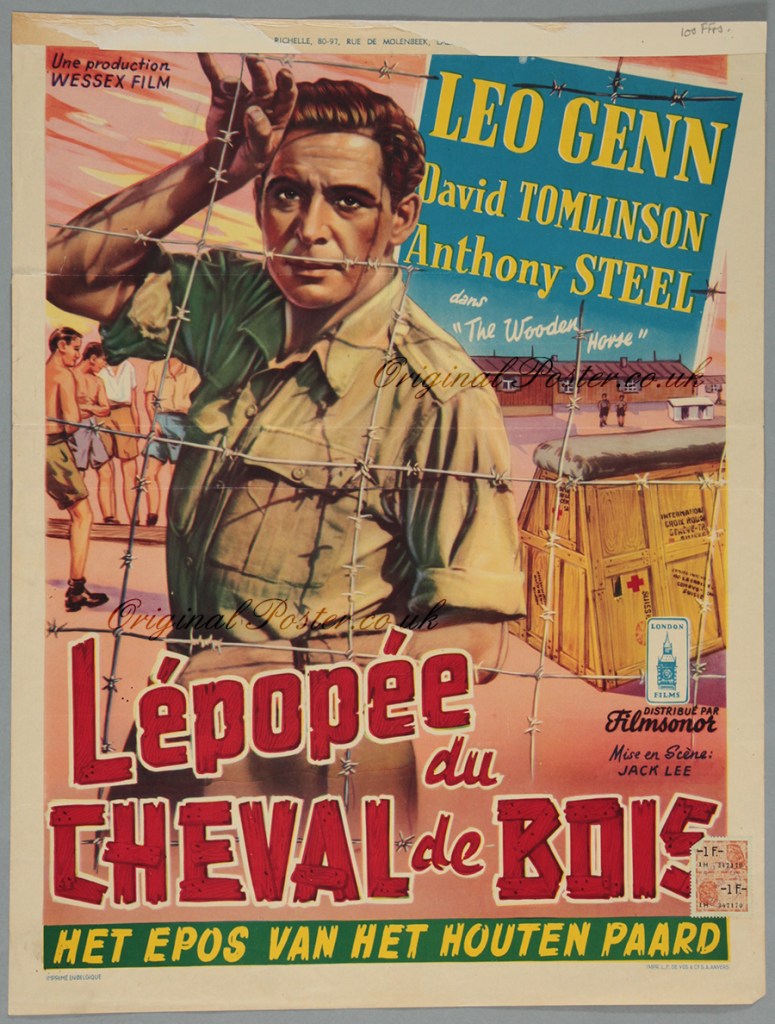
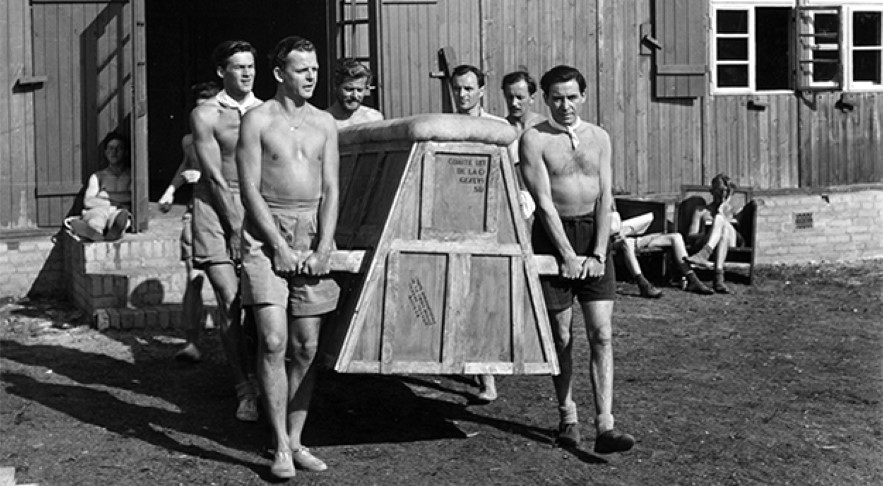
One of the most popular of WW2 movies sub-genres is the POW escape movie. The Wooden Horse was one of the first of these, showcasing the sort of barmy, off-the-wall scheme that British POWs spent their tedious years dreaming up. Based on an autobiographical novel by former POW Eric Williams – here fictionalised as Peter Howard (Leo Genn) – inmates of Stalag Luft III built a pommel horse to aid their escape. The scheme? Hide a man underneath the horse to dig a tunnel, while the guards are distracted by a never-ending stream of men jumping over it for hours and hours on end.

The Wooden Horse dramatizes this with a stiff-upper-lip ‘well done Old Chap’ Britishness, shot with a low-key documentary realism (the film blew a huge portion of its budget on location shooting). It’s almost defiantly low-key, about a world away from Steve McQueen jumping over a fence on a motorbike or the sort of emotive struggles with war pressure in The Cruel Sea. Even the escape itself is a grinding, repetitive task taking place over months moving an infinitesimal distance every day as the parade ground tunnel edges closer and closer to the fence. This low-key attitude extends to the cast, led by Leo Genn, who eschew dynamics for calm, quiet unflappability. (Ironically, despite its documentary realism, Peter Butterworth – one of the original members of the escape attempt – was told on auditioning he wasn’t believable as a POW.)

The film is split neatly into two halves. The first covers the escape plan itself and lays out a structure that became familiar from countless POW films that followed: the plan is carefully detailed, senior officers humph and finally flick the thumbs up, a parade of fellow inmates chip in expertise (from forgery to ingenious distractions), a staged accident of flipping the horse over tricks the Germans into thinking nothing is going on, the tunnel caves in, a man is left stranded in the tunnel longer than is safe… It’s all in here, while our heroes bluffly and bravely work out the logistics of smuggling soil away and mastering various French identities to make their escape.

The second half follows two of our heroes – Leo Genn’s stoic Howard and Anthony Steele’s matinee idol Clinton – as they shred their nerves moving through Europe aiming for the port of Lübeck and a ship to Norway. This is the marginally less interesting part of the film, although it conversely does feature the film’s most interesting moment as a visibly sickened Clinton is forced to kill an ordinary German guard, very different from the usual boys-own adventure attitudes you expect.

However, most of the rest of the second half is just a little too dry and documentary, despite the best efforts to play up the paranoia and tension of a life on the run in occupied territory. Lee directs with a methodical, unflashy style, while ongoing clashes with producers on the budget, which eventually saw the film completed months later by the producer and a hurriedly put-together rather abrupt (and incongruous) ending in a Swedish restaurant, which seems to lean into the beginnings of an anti-Soviet Cold-War era consensus. Some of the dramatic tension drains out of a film which actually might have benefited from a little more melodrama, among the muttered, patient conversations in alleyways and the almost-agitated debates about which resistance groups to trust.

The camp-escape half works best, probably because the ingenuity of seeing the prisoners work out the logistics of converting their pommel horse into the perfect escape weapon and overcoming the minutia of camp life remains very entertaining. There is even a certain amount of wit in the bonhomie and cheek of the escape, which the film doesn’t shy away from, from the plan depending on the willingness of hungry POWs hurling themselves over a wooden horse for hours at a time to the boarding school air of bored over-familiarity that permeates the sleeping quarters. Lee also mines some tension out of a late-night inspection of the sleeping quarters, which only just misses discovering the mountains of soil that has been hidden precariously in the ceiling.

The Germans themselves are presented fairly sportingly – The Wooden Horse doesn’t give us an obvious villain and, as noted, presents its only slain German as a tragic figure. The Germans are even fairly sporting, solemnly carrying away the offending horse with a hurt dignity after the escape – presumably the poor War Horse is to be confined to solitary – while the POWs give this hero a rousing cheer. The Wooden Horse avoids the set-up of many similar films, which often presents both a token ‘Worthy Opponent’ and a token ‘Unrepentant Nazi’ among the Germans. Instead, they are exclusively presented as straight-forward professionals – again perhaps with an eye on the emerging 1950s anti-Soviet consensus that was starting to form in Europe.

The mood of sporting endeavour around the whole film – as well as the stiff-upper-lip pluck of the imprisoned Brits – helped guide the POW film towards its natural development as a Boy’s-Own adventure story with a sense escape as the ultimate sporting adventure (though even The Great Escape throws in more than enough tragedy). The Wooden Horse sometimes lacks in drama, so swept up is it in a sort of documentary realism (it’s hard not to argue with the producers that the put-upon forbearance of John Mills might have been a better choice for the lead than the rather too smooth Leo Genn), but as an early example of a much-loved genre it offers more than enough entertainment.
Tom Jones (1963)

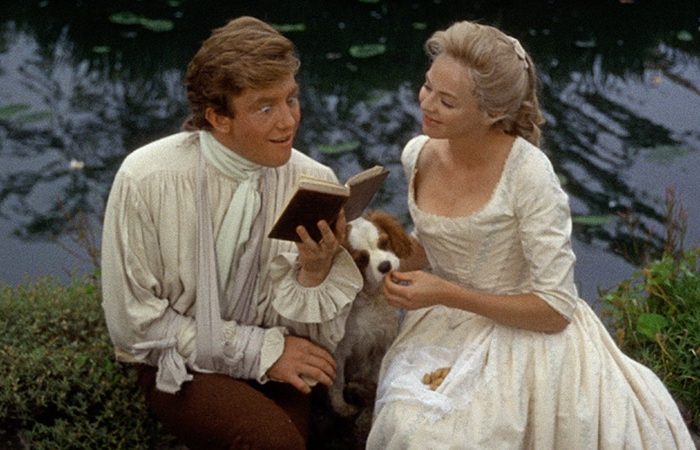
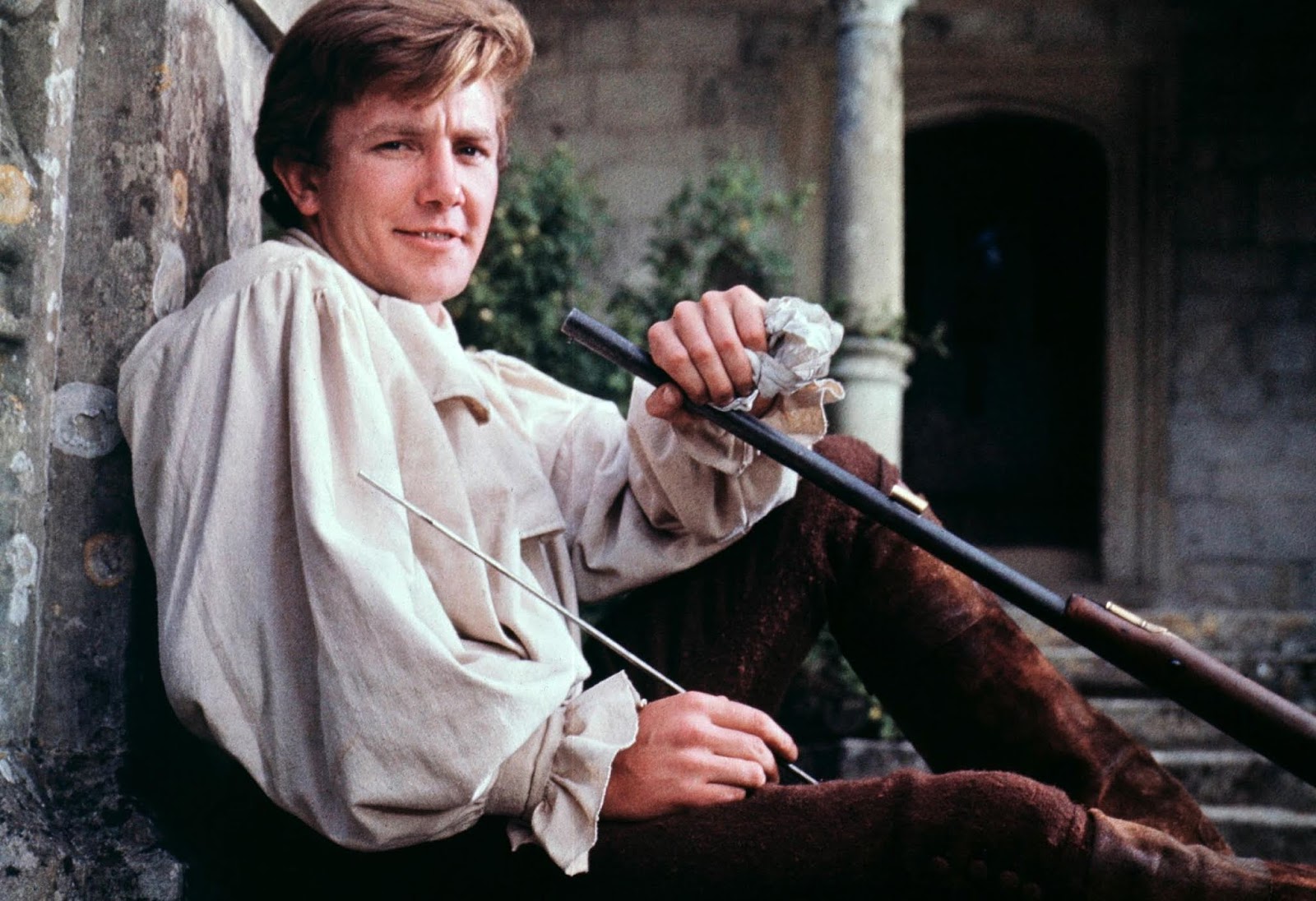
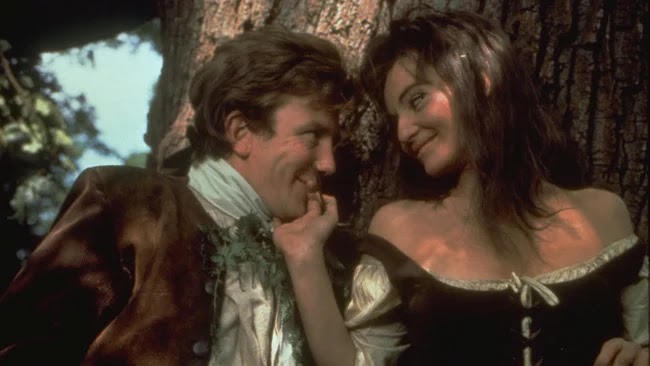
Albert Finney flirts with Diane Cilento (among many, many others) in Oscar winner Tom Jones

Director: Tony Richardson

Cast: Albert Finney (Tom Jones), Susannah York (Sophie Western), Hugh Griffith (Squire Western), Edith Evans (Miss Western), Joan Greenwood (Lady Bellaston), Diane Cilento (Molly Seagrim), George Devine (Squire Allworthy), David Tomlinson (Lord Fellamer), Rosalind Atkinson (Mrs Millar), Wilfrid Lawson (Black George), Rosalind Knight (Mrs Fitzpatrick), Jack Macgowan (Patridge), Freda Jackson (Mrs Seagrim), David Warner (Blifil), Joyce Redman (Mrs Waters/Jenny Jones), Rachel Kempson (Bridget Allworthy), Peter Bull (Thwackum), Angela Baddeley (Mrs Wilkins), Julian Glover (Northerton)

In early 1964, America was at the height of Beatlemania. Everything about Swinging Sixties London was the height of cool, so what better way to reflect that at the Oscars than naming Best Film of the previous year as being Tom Jones, the film that turned Henry Fielding’s work into the epitome of the era’s vibe. Watching Tom Jones today is a cruel reminder that generally nothing dates as hard or as fast as cutting-edge film techniques, and that time is often not kind to comedy. But Tom Jones was the first truly British film to lift Best Picture since Olivier’s Hamlet in 1948, so it was a sign of the short-lived all-conquering cool of British culture.

Adapted with a frenetic style from Henry Fielding’s novel, the film follows the trials and tribulations of Tom Jones (Albert Finney), adopted by Squire Allworthy (George Devine) after he is found abandoned on Allworthy’s bed as a baby. Growing up, Tom is a roisterer and rodgerer (especially keen on rodgering) but fundamentally decent, in love with Sophia Western (Susannah York) and the target of jealous rumours from his cousin Blifil (David Warner, looking a bit lost in his film debut). Banished as a result of Blifil’s schemes, he journeys to London encountering adventures along the way, not least a night of bliss with a Mrs Waters (Joyce Redman) who may (or may not) be his mother. Will Tom be able to prove his innocence, win the love of Sophia and escape his destiny of being “born to hang”?

Tony Richardson came to Tom Jones fresh from directing several searching, morally complex kitchen-sink dramas – and basically seemed determined to cut loose with this film by having fun. What he comes up with is an explosion of multiple different styles, from silent film to sped-up Benny Hill chases. Not a single editing or camera trick is unused, with the film stuffed to the gills with fades, wipes and freeze frames. Richardson basically used every single trick in the book. He was also lucky to have a perfectly judged score from John Addison (winning an Oscar).

It makes for a frenetic and fast-paced film, in love with its own 60s cool of anarchic comedy, sexual liberation and tongue-in-cheek lack of reverence all washed down with a bucket load of thigh-slapping bawdiness. It’s a film that’s inordinately pleased with itself, using Fielding’s interventionist narration style as the licence to break the fourth wall frequently and introduce a dryly hammy voiceover from Michael MacLiammóir. All of this was seen as the height of daring film-making back in the day – especially since Hollywood expected literary adaptations to be treated with reverence rather than as a high-brow Carry-On. But it’s dated badly.

Its smug, overbearing sense of zeitgeist cool comes across terrifyingly passé today, and the film’s daring use of every single cinema style makes it tonally feel like a complete mess. Richardson will segue from farce straight to an immersive hunting sequence where we are invited to feel every moment of the blood lust and violence, straight to a pastoral sequence showing the courtship of Tom and Sophia in glorious countryside.

Richardson himself – despite winning Best Director for his very self-consciously flashy work – also had mixed feelings about the film, recutting it shortly after its Oscar win into a shorter version which remains the version most people have seen today. He said of it that it “felt incomplete…and botched in much of its execution…whenever someone gushes to me about Tom Jones, I always cringe little inside”.

It’s a fair assessment of a film that is all flash – and way too much of it – and so little substance that it frequently becomes trite, smug and unpleasant to watch. John Osborne’s script (which apparently he submitted than refused to redraft) is in all honesty a mess (much of it was rewritten on set while the narration was a post-production addition to make it all make sense), with barely any quotable lines, and whatever skill the film has is all in the telling and the editing. 

Did Richardson take the whole thing as a lark and then work out later on that comedy is harder than it looks? The entire film was a complete mess on set – several errors were in fact left in the film (such as Western falling off his horse due to Griffith’s drunkenness) and then turned into jokes through the voiceover. There is a slight air from all involved that this isn’t proper film-making, that this is just one to flog for a bit of cash. Its Oscar win is inexplicable, but can be chalked up to a horrendously weak year at the Oscars.

Albert Finney goes through the entire film on autopilot – little matter than it made him a star – and he seems a curious choice for a young lover, throughout the film he channels instead a sort of horny Arthur Seaton. Finney thought the entire thing bosh and a waste of his talents – an attitude that does come across on the screen. Lightness is not always Finney’s strength, and his distant disengagement with the film becomes more striking with every viewing. 

Many of the rest of the cast mug shamelessly. Hugh Griffith bizarrely landed an Oscar nomination for a performance of gurning over-the-top mania. The film had three nominations for Best Supporting Actress: Edith Evans emerges best, although she could play this domineering Mrs Western standing on her head; Diane Cilento brings an attractive lightness to buxom Molly while Joyce Redman is good value and gets the film’s most famous sequence, a slobbery eating sequence with Finney where food is consumed in a very suggestive way as foreplay. Arguably the best supporting roles come from Joan Greenwood as the sexual but cruel Lady Bellaston and George Devine as the decent Squire Allworthy (the only character who isn’t some sort of caricature).

Tom Jones is most of all a memento of a particular brand of fast-paced, technique heavy, manic sixties comedy. It made a lot of money and won a lot of awards, so led to a torrent of similar films from bawdy Hogarthian costume dramas to sex comedies in modern London with naïve but well-endowed young men. Richardson and co. should have credit for catching this vibe first – but it makes for an odd experience today, like a slightly uncomfortable museum piece.