Tag: Ian Holm

Juggernaut (1974)

Juggernaut (1974)

Disaster film masquerading as a sort of state-of-the-nation political satire of 70s Britain

Director: Richard Lester

Cast: Richard Harris (Lt Com Anthony Fallon), Omar Sharif (Captain Alex Brunel), David Hemmings (Charlie Braddock), Anthony Hopkins (Supt John McLeod), Shirley Knight (Barbara Bannister), Ian Holm (Nicholas Porter), Clifton James (Corrigan), Roy Kinnear (Social Director Curtain), Caroline Mortimer (Susan McLeod), Mark Burns (Hollingsworth), John Stride (Hughes), Freddie Jones (Sidney Buckland), Julian Glover (Commander Marder), Cyril Cusack (O’Neil), Michael Hordern (Baker)

Based on an event that almost happened – a bomb threat against the QE2 that led to a bomb disposal team parachuting onto the ship at sea, only to discover it was a haux – Juggernaut was a popular 70s thriller that today looks surprisingly dry. The ship here is the SS Britannic, caught in stormy seas. A calm man calls the firm’s director (Ian Holm) and to state he’s placed multiple high explosives onboard. Bomb disposal expert Anthony Fallon (Richard Harris) and his crew fly to the ship, captained by Alex Brunel (Omar Sharif), to try and disarm the bombs while Superintendent John McLeod (Anthony Hopkins) – whose family, naturally, is onboard – races against time to find the bomber.

Juggernaut can feel as sluggish as the cruise liner it’s set on, with large chunks feeling like they are being played for surprisingly low stakes. The passengers feel strangely impassive about their imminent deaths. When a member of the bomb disposal crew drowns on arrival no one seems to care. There is a strangely sombre mood everywhere, a general air of misery that seems in place long before the bombs are even announced. The police investigation is carried out by a team that thinks its hopeless and the captain retreats to his cabin to fiddle with executive desk toys.

Then you realise. This isn’t The Towering Inferno full of can-do action. This is a British disaster film, which is really about the depressing, dreary, dead-end feeling a lot of people in Britain had about their country (seemingly permanently in the grip of strikes, economic depression and political crisis) throughout the 70s. Juggernaut reflects this completely, the ship a weird state-of-the-nation place where even a bomb threat can’t shake the general feeling of grim acceptance that life doesn’t get any better than this, everyone and everything in charge is useless, so best get used to it.

Richard Lester appropriately then directs events in a very distanced way – perhaps he also wanted to put behind him his Hellzapoppin’ style that bought him fame and success with the Beatles. Most of the moments of action and tension are presented in a deliberately prosaic style (the culmination of the film happens in a distant long-shot with the final dialogue mumbled quietly) with a journalistic lens (there are obvious debts to Fred Zinnemann’s The Day of the Jackal in its forensic laying out of procedure, but with that film’s pace or urgency carefully compromised, despite the clock ticking down). As part of this, the characters become devoid of exactly that – character.

Juggernaut actually is more about taking rebellious swings at British politics than solving a crisis. The British government – embodied by a smugly self-satisfied John Stride’s three-piece-suit apparatchik – makes it quite clear the 1,200 souls on the Britannic are expendable if the cost compromises the government. Juggernaut has more discussion of government subsidies than every other disaster film alive. The navy is run by fusty rules-bound types (interestingly, the private enterprise company is presented much more favourably – Holm, as its representative, is principled, decent and the only guy who really cares about the passengers). The bomber is a disillusioned former government worker, shafted on retirement by the cheapskate MOD (he even asks for an embarrassingly small amount of money). Fallon, in his cynical style, constantly bemoans how nothing in the country works and how useless his bosses are.

Juggernaut flings together an American style disaster and action plot, with a kitchen-sink drama about British society. While its interesting, personally I feel mashing these two genres together creates a slow, dry action-adventure and a shallow, social commentary. The tone seems to have confused some of the actors: Omar Sharif seems literally all-at-sea. A potential romance with Shirley Knight’s character deliberately goes nowhere – the film so takes the unconventional route with plots likes this that you state to wonder why on earth Knight even agreed to do it). Anthony Hopkins permanently feels like his attention is elsewhere. The smaller roles tend to come out best: Stride’s uncaring official, Roshan Seth as waiter who pretends to speak less English than he does (a neat social commentary on cultural expectations in the 70s), Michael Hordern in a scuzzy cameo as a bomb expert – all of them make more impact.

Lester does treat himself to several amusing background events. A nameless passenger who doesn’t let the ship’s imminent explosion get in the way of his exercise regime (he runs into almost every single main character at some point). Throw-away gags (very much in the style of The Three Musketeers) are common, such as market stall owner turning to place something on his stall, not noticing it’s been sent flying by a speeding police car or a flustered Holm feeding Rice Krispies to his kid then his dog. You could make the surrealist argument the real hero is Roy Kinnear’s entertainment officer, relentlessly continuing the good cheer. From umpiring half-hearted badminton matches in a squall to jollying the passengers through a fancy dress party that could also be their last evening on earth, Officer Curtain is determined ‘civilisation must be preserved’. Is there a better vision of what it felt like living in 70s Britain, clinging to the fading memory of the Blitz spirit?

Richard Harris – in a neat and no-doubt-boozy pairing with David Hemmings – is the only one of the leads seemingly allowed to inject life in this, or able to marry up the counter-culture harrumphing and tense wire-cutting action in a performance of amusing cynicism and cocky pride. Juggernaut – for all it boils down to our maverick hero having to choose between the red and blue wire – is actually fairly detailed (and praised by experts) on the process and teamwork of bomb disposal, even if Harris’ less-than-steady hands are not what I would want standing between me and death.

Away from him though Juggernaut is a curiously unhurried, slow and sometimes-less-than-gripping thriller that really shines a light on the slightly run-down, depressed and bewildering place Britain was to many people in the 70s. A land it seems where everything felt a bit hopeless and pointless and nothing seemed to work – except the bombs used to blow the place up. Expect that and you’ll find stuff to enjoy: expect The Towering Inferno and you are in for a disappointment.

Alien: Romulus (2024)

Alien: Romulus (2024)

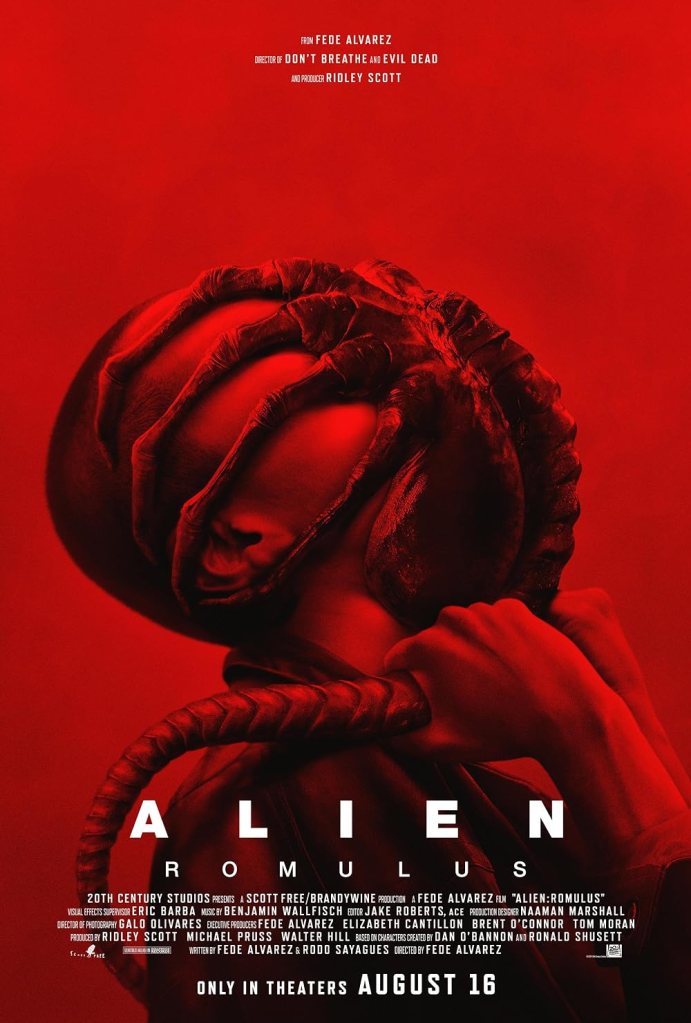
Starting as a cleverly structured homage, it becomes increasingly more nostalgia driven as it goes on

Director: Fede Álvarez

Cast: Cailee Spaeny (Rain), David Jonsson (Andy), Archie Renaux (Tyler), Isabela Merced (Kay), Spike Fearn (Bjorn), Aileen Wu (Navarro), Daniel Betts / Ian Holm (Rook)

It’s always a surprise how many Alien films there actually are (at least nine if you count all the Alien vs Predators). Perhaps we forget because so many of them have been less than great. So, saying Alien: Romulus is the third best Alien film isn’t exactly high praise. After all, beyond Alien and Aliens the bar is pretty low. Alien: Romulus has a lot going for it, not least the fact it’s clearly been made with love by a director who adores the series. It makes it all the sadder that, the longer it goes on, the more it becomes a fan-boy remix of a elements from the other films. It ends up as much of a nostalgia obsessed, easter-egg piece of fan bait as any recent Marvel film, but at least entertaining.

Set some time after Alien – it opens with a mysterious Weyland-Yutani ship plucking the original Xenomorph (wrapped in a protective cocoon) from the Nostromo’s wreckage– ourhero is Rain (Cailee Spaeny), a young worker in a grim mining facility planet. Working for credits for passage home – a target the company constantly changes – she lives with her adoptive ‘brother’ Andy (David Jonsson), a gentle, glitchy synthetic reprogrammed by her late father. They have a chance for freedom when her ex-boyfriend Tyler (Archie Renaux) and his crew asks her and Andy’s help to plunder cryostasis chambers from an abandoned ship so they can survive the nine-year journey to another world. But the ship (Romulus and Remus) is, of course, the one we saw earlier – and on board are a host of facehugger experiments, leading inevitably to Xenomorph slaughter.

Alien: Romulus starts very strongly, carefully reconstructing the stylistic look and feel of the original (right down to the spot-on sound design of all those 70’s future computers blinking into life, chuntering old fax machines). The crapsack colony feels perfectly in-tune with Aliens, as a mix of Western frontier town and industrial hellscape. Álvarez’s film brings the franchise back to its roots, after the mystique-shattering of Ridley Scott’s prequels. Romulus is a haunted house in space, a psychopathic alien lucking around every corner. As the tension slowly builds – helped by the fact we, obviously, know a lot more about what those odd spidery-things suspended in animation are – Alien: Romulus feels like a return to the factors that made the series work in the first place.

Álvarez dials up the sexualised body horror of this revolting creature and its unstoppable relentless cunning. Alien: Romulus is full of the revolting invasiveness of these animals, the icky body horror of creatures hatching inside you, with the nightmare-fuel monstrosities getting worse as the film goes on. Playing out in a poorly lit ship, the creatures scuttle from the corners of the screen to impregnate or dissect their victims. He also has some neat original ideas, including deducing the face-huggers detect body heat and movement (having no eyes) so the only way to evade them is to raise the room temperature and move slowly (such a good idea, you wish he made more of it).

It’s also a film that looks at the all-round weapon nature of these creatures, specifically their acid blood. The team can’t shoot the things – they’ll melt through the decks and cause instant decompression – and when one does die, its blood floats through zero-gravity as an almost impossible to evade thread. One character dies not from the jaws of the xenomorph, but from sticking a cattle prod into its cocoon, acid spilling out into his eyes, hands and chest (not pretty).

It’s opening act also offers an intriguing relationship between its two leads, one a potential proto-Ripley with a strong moral compass, the other a very different type of synthetic. Andy, well-played by David Jonsson, is gentle, clumsy and naïve, a vulnerable people-pleaser who loves cringy Dad jokes, prone to the android equivalent of epileptic fits under pressure. By establishing the closeness between these two characters, Alien: Romulus explores a new angle of the series study of the relationship between humans and their creations: are these synthetics people or property?

Rain clearly loves Andy: she may resent the bullying he receives from some of the anti-synthetic crew, but also willingly reprograms him when needed and plans to leave him behind so as not to fall foul of anti-synthetic laws back home. Reprogramming Andy drastically alters his personality – David Jonsson does a great job switching his body language, demeanour and accent (back to his native British) – as Andy becomes a more familiar Alien electric reflexes and ‘needs-of-the-many’ andriod. What’s intriguing here is its implied part of this is due to Andy’s own suppressed resentment at his treatment by the humans as somewhere between a child and a screwdriver.

The complex relationship between these two is the heart of Alien: Romulus and its most original element. It’s a shame the film loses focus on this the longer it goes on. As Romulus hits it’s second half, Álvarez succumbs to fanboy temptation until finally he can’t go more than thirty seconds without referencing an line or scene from an earlier Alien film. Slowly the parade of painfully recognisable features (even an utterly out-of-character reprise of ‘Get away from her you bitch’) begins to depress you as Alien: Romulus gives up the idea of being something fresh and settles for being a passionate piece of fan-fiction, unable to imagine anything beyond the scenarios it’s already seen play out somewhere else.

Alien: Romulus becomes as much a nostalgia trip as anything else Hollywood makes these days. Right down to recreating a digital version of the late Ian Holm as ‘Rook’, Romulus and Remus’ version of Nostromo’s Ash, for a prominent role. The recreation is pretty good, Rook is an interesting character – sympathetic to the heroes at first, but increasingly reverting to form – but there is something uncomfortable about it. This is, after all, a recreation for nostalgia of a dead actor, without his consent (though with his families) not as a visual cameo but as a crucial character. How long before we get more and more of this?

It’s a slightly unsettling note, even if I ended up enjoying Alien: Romulus more than a should have. Part of me liked seeing Ian Holm again. Hypocritically I don’t mind quite so much riffs on films I like –hypocritical since I was annoyed by the same thing in Deadpool & Wolverine. But I wish Alien: Romulus had settled for subtle recreation of details while striking out somewhere unique. What it actually ends up doing is suggesting that, once you strip it down to its roots, there isn’t much to Alien beyond slasher-in-space. Which makes you think, for all its flaws, perhaps Prometheus was a braver movie for trying to do something that wasn’t that.

But then I’ll also definitely watch it again. So maybe that makes me part of the problem.

Ratatouille (2007)

Ratatouille (2007)

Delightful and heart-warming cooking comedy with added rats – a Pixar gem

Director: Brad Bird

Cast: Patton Oswalt (Remy), Lou Romano (Alfredo Linguini), Ian Holm (Skinner), Brian Dennehy (Django), Peter Sohn (Émile), Peter O’Toole (Anton Ego), Brad Garrett (Auguste Gusteau), Janeane Garofalo (Colette Tatou), Will Arnett (Horst), Julius Callahan (Lalo), James Remar (Larousse), John Ratzenberger (Mustafa), Teddy Newton (Talon Labarthe)

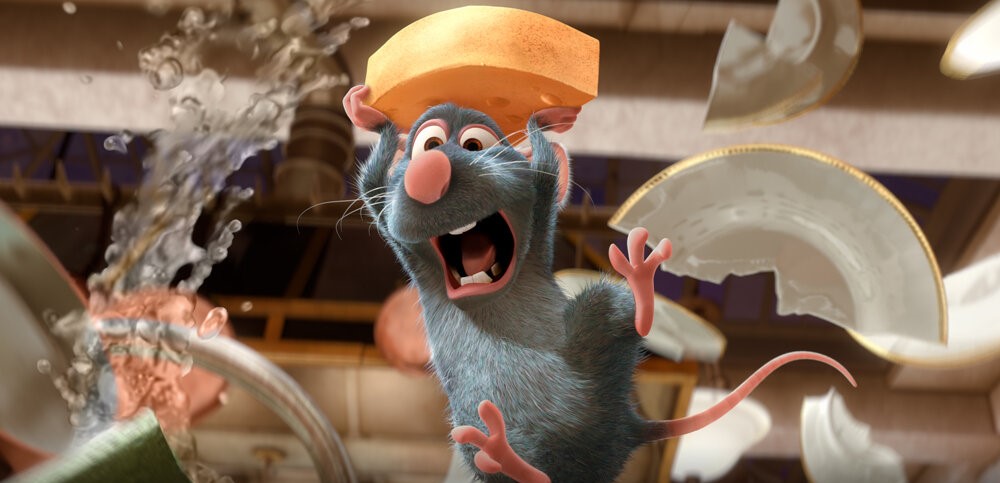
They say anyone can cook – but surely they don’t mean a rat can cook? But in Ratatouille that’s what we get: the greatest chef in Paris is a rat. Remy (Patton Oswalt) has a sense of taste and smell that’s light years ahead of his fellow rats. While they happily munch on rotten food, Remy longs for food that’s actually good. Separated from his family, Remy finds himself in the Parisian restaurant of legendary late chef Auguste Gusteau (Brad Garrett). There Remy’s natural instincts make him the secret brains behind the growing success of young Alfredo Linguini (Lou Romano), who overnight moves from dish cleaner to chef. His secret? Remy of course. Can they keep their secret in the face of the suspicion of head chef Skinner (Ian Holm), Linguini’s growing romance with fellow chef Colette (Janeane Garofalo), and the threat of a damning review by feared critic Anton Ego (Peter O’Toole)?

All this comes together in Brad Bird’s delightful confection, a superb dish where every flavour is perfectly balanced and all ingredients are seasoned to perfection. (I promise this won’t all be full of cooking puns.) It’s absolutely wonderful good fun and on top of that, it’s a real heart-string tugging treat. Ratatouille takes a fantastical set-up (a cooking rat manipulates a talentless chef’s body through precise hair pulling) and then throws in ounces of carefully judged comedy with real emotional pathos. Ratatouille never fails to make you laugh but then hit you with tear-inducing sincerity. The film is a total delight.

What Ratatouille is really about is truth. Being true to yourself, embracing the things you love, and the struggle to find acceptance for that, be it from family or the world around you. It’s the subtext behind Gusteau’s message that anyone can cook. This is not about anyone being able to crack an egg into a pan: it’s about good food coming from a person loving what they do and wanting to share that love with someone else. Remy – an utterly delightful voice performance by Patton Oswalt – wants to experience good food, but as a rat the home of good food is always the place he’s most likely to find himself skewered by a trap.  

Remy loves food in a way that the rest of his rat family – lead by his tough-as-nails father Django (Brian Dennehy) – can’t even begin to understand. They see food as just fuel. Who cares which flavours complement each other or even if its fresh? To them Remy’s extraordinary sense of smell is only useful for his ability to detect poison before it hits their mouths. And they can’t even begin to understand Remy might want more. But the very idea of heading to a kitchen – or interacting with humans who, to the other rats, get their kicks from slaughtering rats in their thousands – they can’t even begin to get their head round. Why can’t Remy be happy snuffling in the gutter?

Linguini (a very sweet, nervy Lou Romano) also has burdens of expectations that he can make a career in the kitchen. Anyone can cook – except for Linguini, who has no interest in (let alone flair for) flavours. The relationship between man and rat is beautifully done– even though neither can speak the other’s language. (In a neat touch, while we hear the rats talk – every human in the film just hears them squeak.) To Linguini, it doesn’t matter that Remy is squeaky vermin, what matters to him is that Remy is a master at what he does. But, Ratatouille gently asks: can hiding your true self make you happy in the long term?

Linguini’s success shows another side of being true: as fame goes to Linguini’s head, he starts to forget he’s the muscle not the brains of the operation. What will eventually alienate his growing relationship with fellow chef Colette (a wonderful Janene Garofalo) is not that he’s working with vermin to make the food, but that he’s lied to her about his skills. Something particularly tough since, like Remy, she has had to fight tooth and nail to live her dream in a male-dominated industry.

Accepting your true self and being happy in your own skin are themes our two villains also juggle with. Head chef Skinner (hilariously voiced with impotent rage by Ian Holm) has lost any love he once had for cooking, marketing his former mentor Gusteau as the face of a brand of cheap ready-meals (“with dignity” he absent-mindedly requests, as Gusteau is drawn as a burrito for the latest packaging) and his interest is only in turning a profit. The face of mass-produced, soulless fare, he’s the perfect antagonist of a film that praises lovingly crafted individualism.

And our other villain? Played with a beautifully plummy relish by Peter O’Toole, Anton Ego – drawn with a grey-faced, sepulchral chill – despairs that any food can meet his standards and seems to have forgotten somewhere along the line that excellence comes from love. Unlike Skinner though, Ego is (at heart) an idealist who may no longer quite remember what he is searching for – but will embrace it when he finds it at last. Ratatouille’s finest moment – always brings a tear to my eye for sure – is Ego’s being reminded at last what made him fall in love with his passion in the first place, perhaps one of the finest moments in Pixar’s long history.

Ratatouille’s emotional content and its themes of truth and acceptance are at the heart of its success, complemented always by the superb score from Michael Giacchini, crammed with Parisian inspiration. There is more life in this animated marvel than in hundreds of live-action films. And the animation is breath-taking: from the kitchen a marvel of pristine, gold and steel surfaces, via the sewers bringing back memories of The Third Man, to the visual imagination of Ego’s coffin-shaped office or the cobbled together rat colony (made from various bits of rubbish). Brad Bird’s flair (and Ratatouille is a wonderfully directed film) also carries across to his electric chase scenes through the streets and rivers of Paris, and the undeniable tension of watching Remy maneuverer his way around a kitchen without being detected.

Bird’s film though really succeeds because it has a warm-hearted love for all its characters and a heartfelt and appealing message for us to be the people we want to be, not what those around expect us to be. And who can’t relate to that? Throw in the sort of unexplained comic magic of watching a naïve young man having his body moved about by a cuddly rat sitting under his chef’s hat and with Ratatouille you onto an absolute winner. Bon appetit!

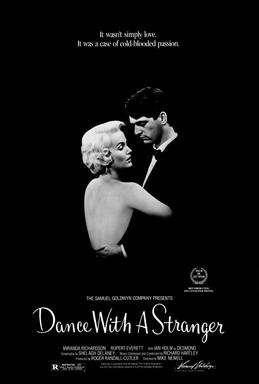
Dance with a Stranger (1985)

Dance with a Stranger (1985)

Hell is other people in this Satresque version of the life of Ruth Ellis

Director: Mike Newell

Cast: Miranda Richardson (Ruth Ellis), Rupert Everett (David Blakely), Ian Holm (Desmond Cussen), Stratford Johns (Morrie Conley), Joanne Whalley (Christine), Tom Chadbon (Antony Findlater), Jane Bertish (Carole Findlater), David Troughton (Cliff Davis)

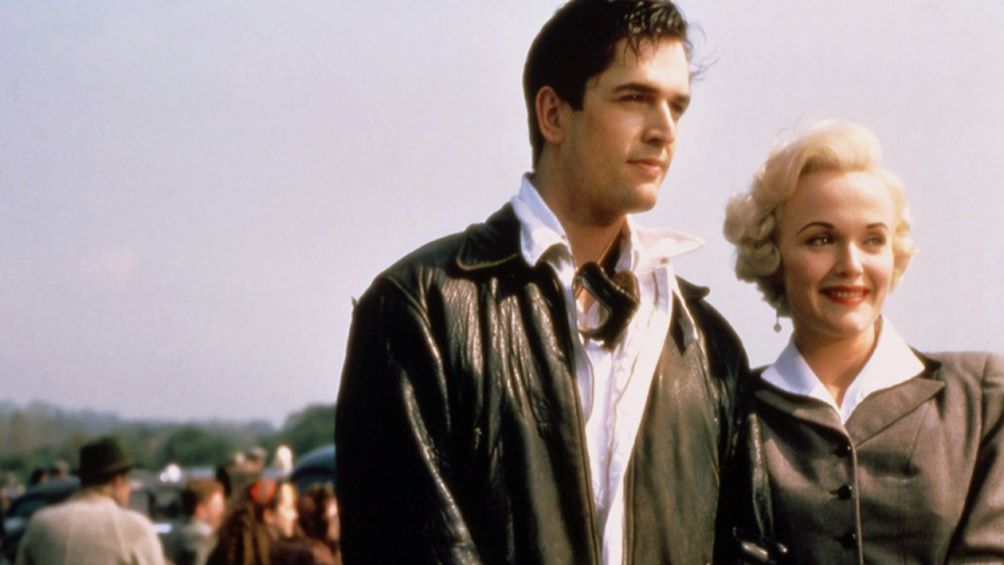
Hell is other people. Dance with a Stranger is the tragic story of how Ruth Ellis (Miranda Richardson in an electrifying screen debut) became the last woman hung for murder in Britain. But it’s also a terrible Satre-like tale of three people stuck a destructive cycle, loathing each other but unable to imagine their lives apart. Ellis is fanatically, obsessively in love with feckless David Blakely (Rupert Everett) who blows hot and cold on her and is nowhere near consistent in his feelings as middle-aged Desmond Cussen (Ian Holm), so besotted with Ruth (who treats him like a benevolent uncle) that he drives her to her assignations and pays rent on the apartment where she sleeps with Blakely.

All three cause each other immeasurable harm in Newell’s cool, bleak, well-made true-crime story that is far less interested in the moments of violence and retribution, than the sad and sorry cycle that leads to them. Tellingly, we never see a single moment of the trial or punishment of Ruth and the film effectively concludes in long-shot as we watch the fatal shooting of Blakely from afar. But who needs the close-up of this inevitable ending, when we’ve had front row seats to the catastrophic relationships that led up to it.

Like many British films, it’s at least partly about class. In 1950s London, we’re still on the cusp of the sort of cultural levelling out of the 1960s. This is a post-war, Agatha-Christie-like London. Blakely and his friends are Waughish Bright Young Things, living on Trust Funds and driving racing cars for fun. Their evenings are spent in drinking clubs aiming for glamour, staffed by those yearning to jump up a notch on the ladder like Ruth Ellis. Such women are of course for dalliances (and casual screws) not for marrying. Ruth’s back-up lover Desmond is an RAF-veteran who misses the war, an overgrown besotted schoolboy and middle-aged bachelor who accepts he is only worth other men’s cast offs.

Blakely’s friends encourage him to mess Ruth around because she’s a working-class strumpet. Ruth is at least partly willing to forgive him because marriage could lift her once and for all out of the working classes. Desmond is of less-interest, because a loveless middle-class marriage of sexual duty simply isn’t as attractive. Neither does Ruth love – or lust after – him the way she does the dynamic, sexy, little-boy-lost Blakely. A man she finds herself so uncontrollably drawn to that, no matter what he does – not turn up, mock her in front of his friends, push her down the stairs or punch her in the face in public – she comes crawling back. Often with Desmond in helpless tow, ignoring his adoration while demanding he drive her to another confrontation with the selfish Blakely.

Dance with a Stranger finds intense sympathy, to various degrees, with all three of its leads. But most strongly it turns Ruth Ellis, who could be a historical statistic, into a figure of real tragedy. Richardson is superb as a woman who is confident, assertive – even arrogantly dismissive – in so many areas of her life except one: her compulsive, obsessive and destructive love for Blakely. Dance with a Stranger charts effectively her mental collapse: from a woman who flirts confidently in a bar, to a quivering, weeping mess standing in the streets staring up at her lover’s window, screaming abuse, smashing up cars and babbling incoherently and inconsolably.

The film charts the same deadly cycle, showing Blakely’s ill-treatment and selfishness having ever more deadly impact on Ruth’s mental well-being. In it all, Blakely isn’t always malicious, more immature and easily led. Everett’s performance is perfect at capturing this playboy uneasiness under a fundamentally weak personality, a man who has been handed everything on a plate and is unable to respond in any adult way to Ruth’s love for him. Nevertheless, his stroppy behaviour gets her fired from her job and his behaviour fluctuates from gifts of framed pictures and promises of devotion, alternated with angry outbursts and emotional and physical violence.

And Desmond Cussen picks up the pieces time and again. Ian Holm is wonderful as this hen-pecked sadomasochist, impotent and all-too willing to debase himself, hurt time and again by seeing Ruth returning time and again to the dismissive Blakely. Holm makes Cussen small, weak, moody and frequently pathetic. He limply follows where she leads and suffers with weary, besotted patience every one of her preoccupied complaints against Blakely. This is man who almost sado-masochistically puts himself in painful situations, can’t be angry with Ruth for more than a few minutes and gets into impotent scuffles with Blakely outside pubs.

But it’s also Cussen who has the gun – and the film at least suggests the possibility that his openness about its location might well have been a factor in Ruth’s later decision to use it. The killing is, deliberately, the least interesting part of the film. What matters is the mental state that led Ruth to this killing. The self-delusion and desperation to believe that she could form a relationship with Blakely, the same obsessive blind-spot that leads to her closing the film writing a condolence letter to Blakely’s mother. Ruth is a victim here as much as him (perhaps more?) a mis-used woman who cannot give Cussen what he wants and can never get what she needs from Blakely.

Newell’s direction is sharp and sensitive and while the film’s cycle of destructive behaviour – Blakely and Ruth row, break-up, Cussen picks up some pieces, rince and repeat – can become overwhelming, it is partly the intention. And it cements the feeling for the audience of being as much trapped in this hell as everyone else. Holm is superb, Everett perfectly cast but Richardson is mesmeric as Ruth, vivid, vibrant, vivacious, vulnerable and victimised in a film that goes a long way to humanise the suffering behind what seem open-and-shut cases.

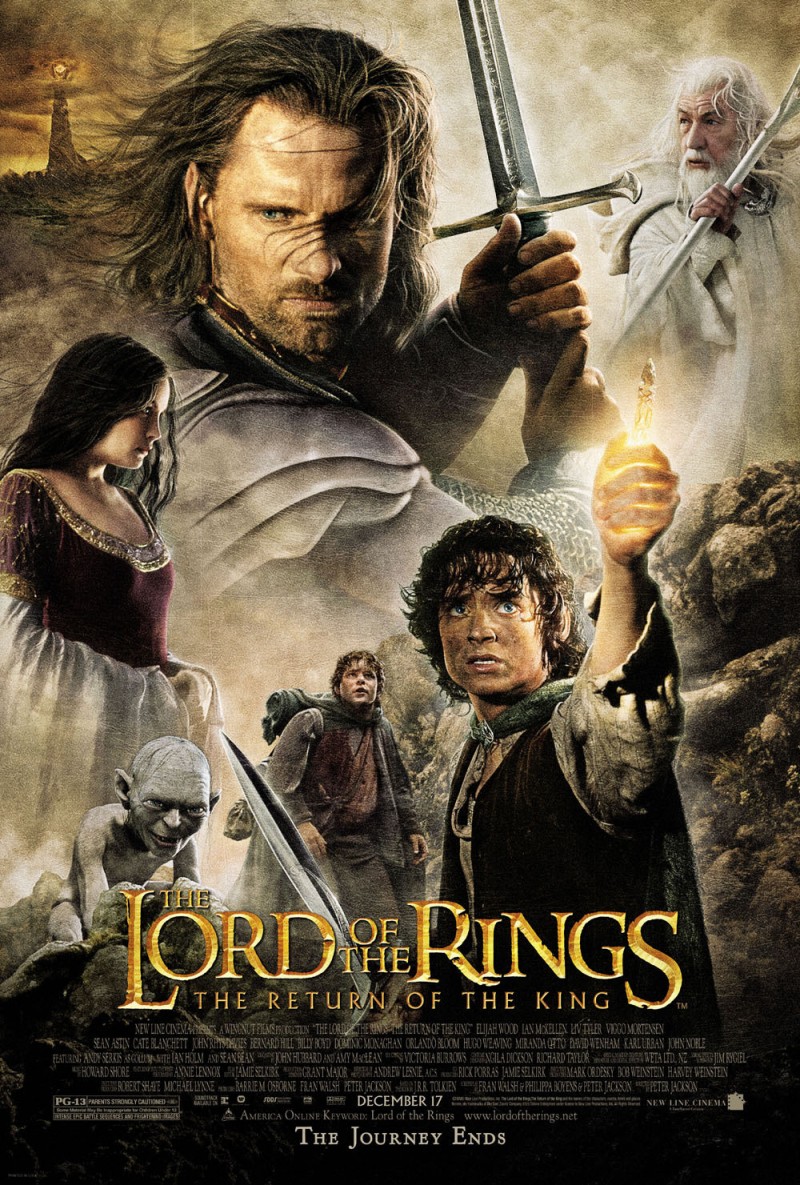
The Lord of the Rings: The Return of the King (2003)

The Fellowship face one final battle in the conclusion of Jackson’s stunning trilogy

Director: Peter Jackson

Cast: Elijah Wood (Frodo Baggins), Ian McKellen (Gandalf), Viggo Mortensen (Aragorn), Sean Astin (Samwise Gamgee), Andy Serkis (Gollum), Billy Boyd (Peregrin Took), Dominic Monaghan (Meriadoc Brandybuck), John Rhys-Davies (Gimli), Orlando Bloom (Legolas), Bernard Hill (Theoden), Miranda Otto (Eowyn), David Wenham (Faramir), Karl Urban (Eomer), Hugo Weaving (Elrond), Liv Tyler (Arwen), Cate Blanchett (Galadriel), John Noble (Denethor), Ian Holm (Bilbo), Christopher Lee (Saruman), Brad Dourif (Grima Wormtongue), Sean Bean (Boromir)

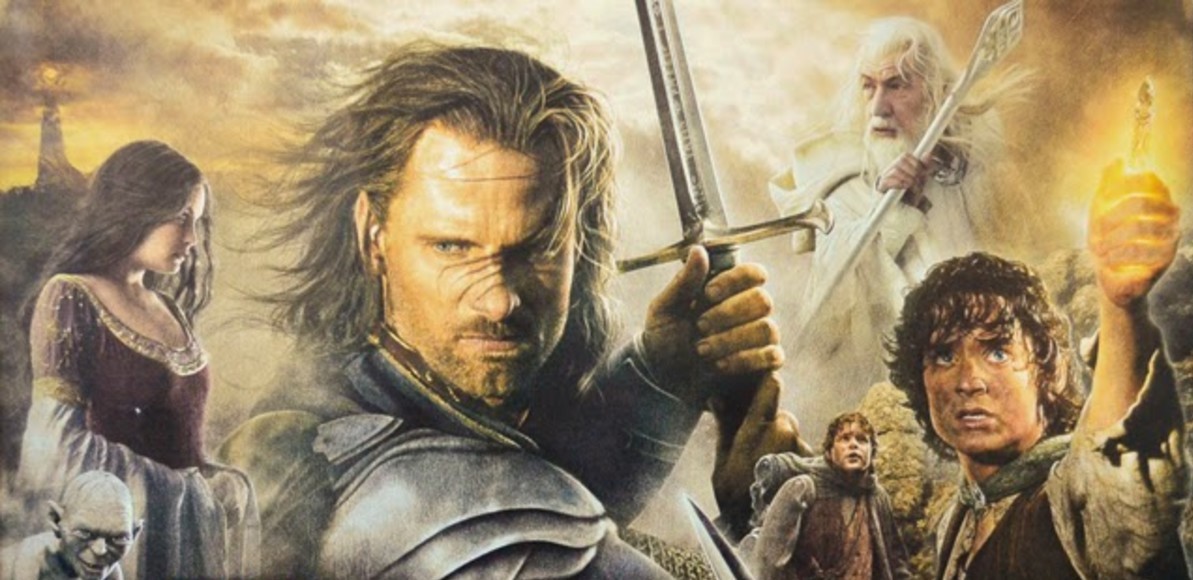
By the time the third film in Jackson’s Lord of the Rings trilogy came out, we all knew this was something very special. Readers of Empiremagazine voted it the 9th Best Film Ever Made the month it was released. It was showered with awards, winning every Oscar it was nominated for (11, including three for Jackson) and grossed over a billion dollars worldwide. The Return of the King is a landmark – and it’s a stunning sign-off for a triumphant trilogy.

Frodo (Elijah Wood) and Sam (Sean Astin) are even closer now to Mount Doom, guided by the treacherous former ring-bearer Gollum (Andy Serkis). While they must negotiate the dangers of Mordor, Sauron has sent his forces out to conquer Middle Earth. The city of Minas Tirith is his target. Facing an army of thousands of orcs, the city’s only hope is if Gandalf (Ian McKellen) can defend it long enough to allow Aragorn (Viggo Mortensen) – the man destined to become king of Gondor – to lead a relief force. Will Frodo resist temptation and destroy the ring? And will Aragorn be able to defend the city and become its king?

I think it’s fair to say, with books as widely loved as this, no one is going to agree with every single decision Jackson and fellow writers Fran Walsh and Phillipa Boyens made. Here again, changes have been made – famously the scouring of the Shire that closes the novel has been cut (with Saruman dispatched in the opening scenes of the extended edition). What the screenplay seeks to do is increase the pace and tension – it’s probably why Denethor, leader of Gondor, is reinvented as an antagonist (of which more later) and events charge ahead with a relentless forward motion. There is no stopping to catch breath here: there is always a new crisis to solve.

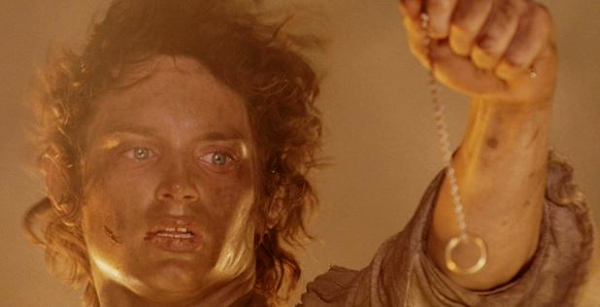
Where changes have been made, they largely have a positive impact. For example, the film takes the decision to introduce conflict between Frodo and Sam – as well as increasing further the scheming malice of Gollum – by having the disturbed ring-addict manipulate the two hobbits into a falling out. This allows Frodo to enter the lair of the giant spider Shelob (a disgustingly visceral creation) alone. Not only does this make Frodo more vulnerable, it also increases the bravery and nobility of Sam, by having him return to save the day (and allow for a classic Hollywood nick-of-time entrance).

The change also adds to the devious brilliance of Gollum, once again superbly played by Andy Serkis. After spending much of The Two Towers bringing out the depth and sadness in this fragile character, The Return of the King carefully shows how this doesn’t excuse his fundamental ruthlessness. The film opens with a flashback showing Smeagol finding the ring, serving as a neat reminder of the Ring’s fundamental wickedness: within seconds its pushes Smeagol to murder his best friend. The sequence following Smeagol’s moral and physical collapse neatly reminds us of its danger and also how close Frodo is to all this happening to him.

Frodo’s suffering and painful growing maturity is more central here. Wood brilliantly charts Frodo’s continuing moral and emotional decline under the Ring’s influence. Increasingly a physical wreck, Jackson carefully lets the suspicion grow that Frodo’s not going to be capable of chucking the ring away. Balancing this, Astin’s Sam Gamgee (the most heartfelt and affecting performance) becomes the moral centre, self-sacrificing, optimistic and fundamentally decent – a beacon of light in the grimness of Mordor.

Again, Jackson ups the stakes, with TROK taking place on the grandest scale you could imagine. The battle sequences are breath-taking in their depth and ambition. But, as with the other films, Jackson knows the scale counts for nothing if you didn’t care about the characters at its heart. So, while the events are epically earth-shattering, the film always brings us back to simple emotion. Even in the siege of Gondor, it finds time for a quiet moment of humanity between Gandalf and Pippin.

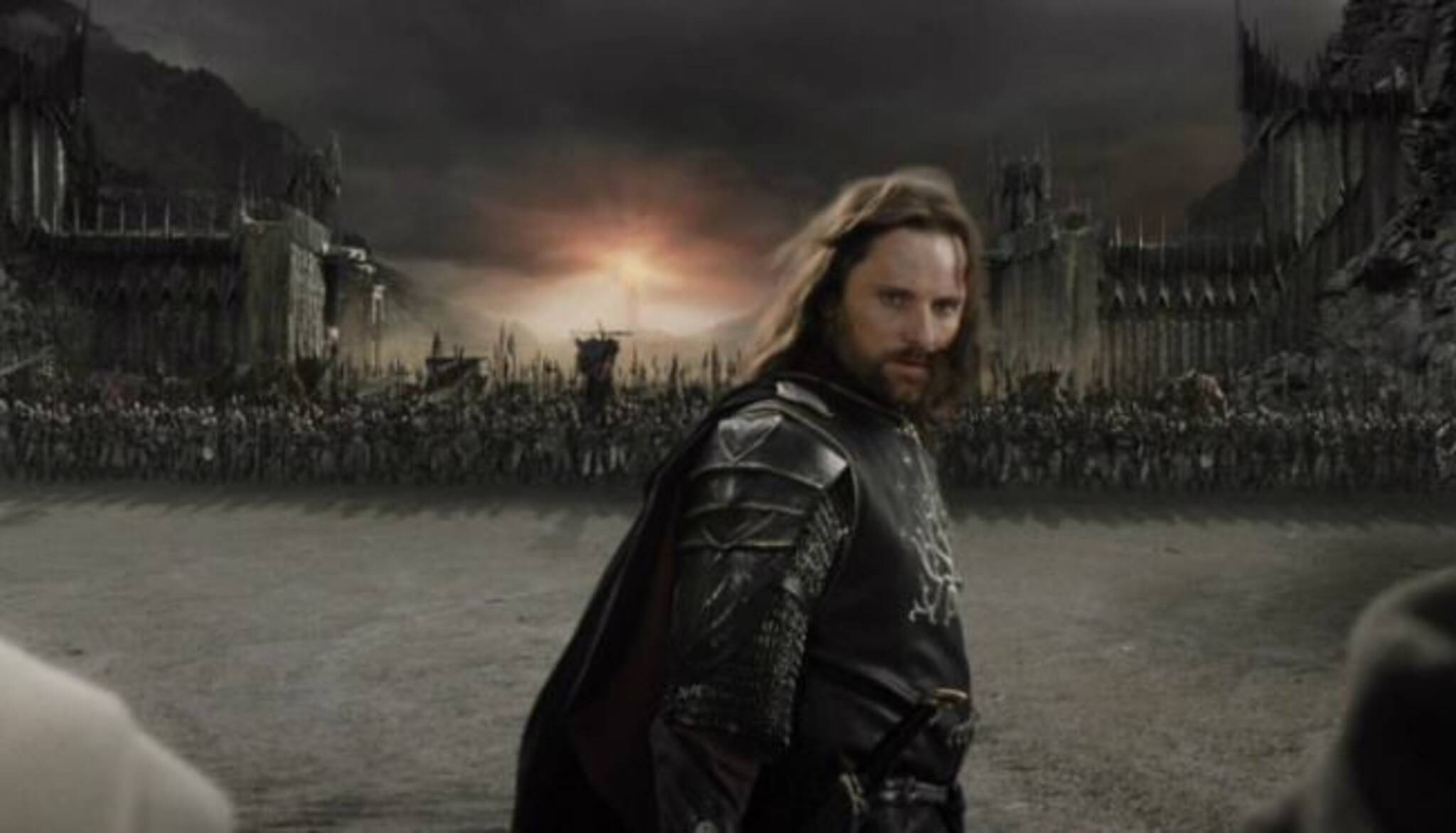
But those battle scenes are still stunning. The orc armies are terrifyingly vast, while the strafing run of the airborne Nazgul (soldiers snatched from towers are thrown hundreds of feet to their deaths) adds to the sense that victory is hopeless. Soldiers fight desperately for their, and others, lives. The film even tops the Two Towers’ charge of the Rohirrim with a stunningly rousing charge involving thousands of horses into the massed ranks of Orc (and tops that minutes later with a second change accompanied by a sweeping camera movement and swelling musical cue that is just about perfect).

Jackson brilliantly communicates how much the stakes are against our heroes. We really feel their bravery and desperation as they take on impossible odds – and it’s that which really gives the scenes their power, not the scale or the special effects. No moment is lost without bringing us back to moments of bravery and vulnerability from our leads. There are powerful moments of warmth, kindness, loyalty and generosity throughout. It’s finally what makes the film so effective – it’s a tribute to the power of friendship.

It’s all powered with a beautifully operatic score by Howard Shore. Shore’s music captures perfectly the world of Tolkien. A few years after this, an ill-fated musical version of LOTR was launched – and flopped. Because, essentially, Shore has already turned these novels into a sort of opera-slash-concerto, with perfect themes for everything from martial orcs to whimsical hobbits. Some of the musical cues are so luscious and stirring, they make you want to stand and applaud. The music accompanying Gandalf’s rescue of the retreat from Osgiliath is a wonderful highlight, the triumphant and tense music for the Rohirrim charge is stunning, the score for our heroes leaving for the Undying Lands beautiful. LOTR is so beautifully scored, Shore’s work so gorgeous, LOTRis a film you could certainly watch with just the music playing and still understand it perfectly.

Of course, there are things you can criticise. Denethor – in the novel a portrait of corrupted nobility, his intelligence and pride turned to despair – is repositioned here as a sort of heartless WW1 General, gobbling food while his soldiers die and embracing a nihilistic death wish (although this change does allow for the absolutely beautiful Gandalf/Pippin beacon lighting sequence, in defiance of Denethor). It’s not helped by Noble’s lip-smacking performance, stripping the character of nuance. It’s gives Gandalf more to struggle against, but it’s a crude approach for a character who would have worked better as a mis-guided elitist rather than a crass, hissable villain.

Lots of people have had a pop at the multiple endings as well. Jackson certainly teases us a little too much with fades to black. But I’d argue the lack of a definitive full stop adds greater depth to the story. Tolkien was partly inspired by his experiences in WW1. In that war, the hell of the trenches came to an end, but people’s lives didn’t end with a triumphant parade. Instead, they needed to return home and adjust back into civilian life. I think it’s powerfully affecting that the hobbits return to an unscoured Shire, which hasn’t changed at all while they (and us) have seen Middle Earth torn apart. And it adds real force to why Frodo, in particular, can’t return to “life as normal”.

It gives a powerfully moving, bitter-sweet ending and, I think, brings out a rich, emotional message from Tolkien’s story often missed: Frodo and his friends are fighting to protect their home, but find that they have changed so much they can never settle back into that home in the same way again. It’s something soldiers serving in WW1 experienced, and it feels fitting echoed in Jackson’s LOTR.

Jackson’s LOTR will always spark conversations around faithfulness and otherwise to the source material. Not everyone will agree with every choice. But surely no one can argue with the majesty, scale and wonder of these films, the sublimely perfect casting choices, or the loving detail in every touch of the design. When I first saw Return of the King in the cinema, the audience got to their feet and applauded. You can’t blame them: watch this and you are watching something very special, a true landmark in cinema.

The Lord of the Rings: The Fellowship of the Ring (2001)

Peter Jackson’s near-perfect opening chapter of his Tolkien adaptation

Director: Peter Jackson

Cast: Elijah Wood (Frodo Baggins), Ian McKellen (Gandalf), Viggo Mortensen (Aragorn), Sean Astin (Samwise Gamgee), Liv Tyler (Arwen), Sean Bean (Boromir), Billy Boyd (Pippin Took), Dominic Monaghan (Merry Brandybuck), John Rhys-Davies (Gimli), Orlando Bloom (Legolas), Ian Holm (Bilbo Baggins), Cate Blanchett (Galadriel), Christopher Lee (Saruman), Hugo Weaving (Elrond)

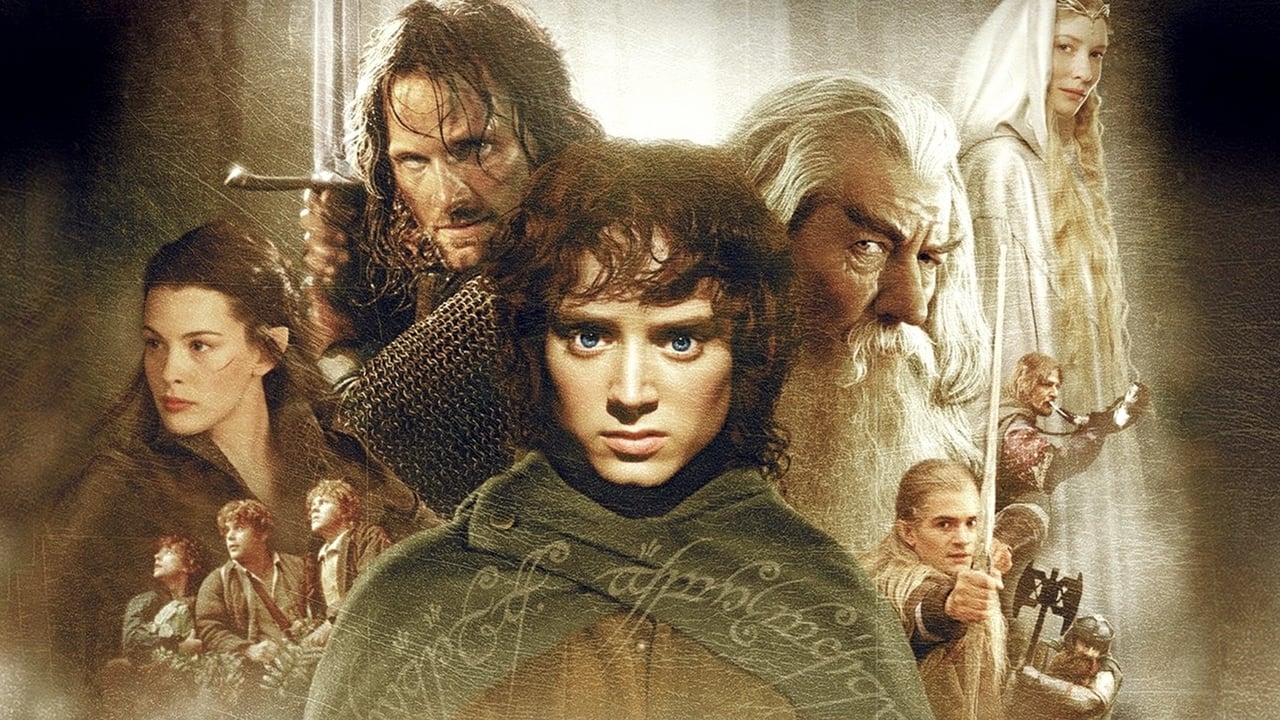
When it was released, people wondered if there was a market for three mega-length adaptations of Tolkien. By the time it finished, Hollywood was casting eyes at The Hobbit and working out how many films that could stretch to. Peter Jackson’s The Fellowship of the Ring is a film so completely perfect it pulled off the near-impossible: embraced all, from the novel’s passionate fanbase, to lovers of blockbusters and connoisseurs of cinema. Jackson turned a landmark novel into a landmark film, the sort of work that decades of other films (and TV shows) would be inevitably compared to. By any benchmark, The Fellowship of the Ring is a cultural and cinematic turning point.

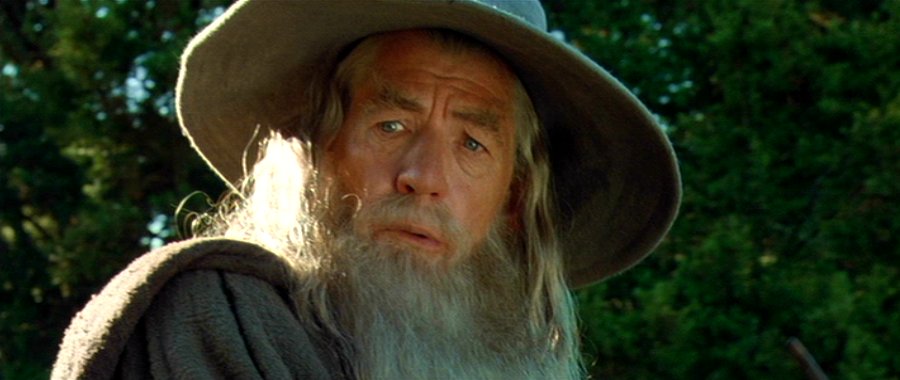
Frodo Baggins (Elijah Wood) is a young hobbit who inherits his home from his Uncle Bilbo (Ian Holm) – along with a mysterious ring which gives its wearer the power of invisibility. But more than that, this ring is the very same ring crafted by the Dark Lord Sauron: the source of his power and possibly the most evil item in the world. Warned of its danger by his uncle’s old friend, the wizard Gandalf (Ian McKellen), Frodo agrees to carry it first to the elves at Rivendell – and then from there to the fires of Mount Doom, the only place it can be destroyed. Joining him on this perilous quest is a ‘fellowship’: Gandalf, fellow hobbits Sam (Sean Astin), Pippin (Billy Boy) and Merry (Dominic Monaghan), elf Legolas (Orlando Bloom), dwarf Gimli (John Rhys-Davies), human Boromir (Sean Bean) and the mysterious ranger Aragorn (Viggo Mortensen), who may be the heir to the kingdom of men.

Jackson’s film faced a huge problem from the start: cater to the fans too much, make it too drenched in the high-fantasy of the novel, and you risk alienating an audience sceptical about stories of magic and elves; push the film too far the other way and it becomes something denounced by the fanbase. Fortunately, Jackson (and fellow scriptwriters Fran Walsh and Phillipa Boyens) transform the book into a masterfully-paced, emotionally-invested epic saga with moments of comedy and tragedy and an overwhelming sense that colossal stakes are being played for. By focusing on what makes The Lord of the Rings such a great story they helped nail making it accessible to the sort of people who wouldn’t dream of picking up a fantasy book.

The novel is carefully, subtly altered throughout to increase pace and build up the emotional depth of the characters. Its timeline is telescoped (Gandalf’s 19 year research into the ring becomes a few months), stand-alone sections removed (good bye Tom Bombadil) and personal conflicts and emotions are subtly made more prominent (most notably Gandalf’s grandfatherly affection for Frodo and the conflicted admiration and resentments between Boromir and Aragorn). What this succeeds in doing is creating a film that actually alters a lot of the original book (reassigning multiple actions and shifting many motivations) but ends up carrying so much of the emotional and narrative truth that it feels completely faithful. The tone is perfectly captured but also becomes a gripping, cinematic drama, populated by characters who feel real, for all their hairy feet or wizard’s hats.

The script is a perfect mixture of the greatest lines and quotes from the book, expanded with a real understanding of character motivation. Its all complemented by faultless direction with a sweeping visual panache from Jackson. This is a passionate director, working at the top of his game. The film is, of course, breathtakingly beautiful – New Zealand, the perfect location for Middle Earth, still dines out on the tourist trade to this day – but Jackson brilliantly mixes the epic with touches of his own Grindhouse roots. So, he can shoot stunning chase scenes with Nazgul or dreamy ascents of mountains with the same flair as he can the grimy, body horror of an Uruk-Hai’s birth. I can’t stress too much the level of Jackson’s achievement here: the film shifts between genre and tone from scene-to-scene: the Moria sequence goes through mystery, whimsy, regret, tragedy, action, awe-inspiring scope then crushing loss. Another director could have made that feel like a wildly veering train – Jackson makes it feel all of a piece. Not a single scene is untouched by directorial genius.

Jackson’s passion for the project was communicated to the entire team. In every single technical department, no effort has been spared to create Tolkien’s world (and crucially it always feels like Tolkien’s world). Stills of this film could be slotted into editions of the book and not look out of place. From the detail of the costume, design of the sets, to the writing of elvish – not a single prop, set or costume doesn’t look like it belongs. Everything feels grown out of the imagination of the reader. It’s helped hugely by the effort to recruit famed Tolkien illustrators Alan Lee and John Howe: their iconic visualisations of the novel inspired every inch of the design.

It’s also a film that feels real (even though so much of it was of course made in a computer). The film used practical locations and shooting tricks wherever possible. Obviously, the New Zealand landscape was used to sumptuous effect, but also wherever possible models and miniatures were used. Even the height differences between hobbits and other characters were largely achieved in camera. It’s an approach which not only subconsciously communicates an intimacy, it also helps make the story feel even more grounded: a sense of dramatic events happening to real people.

The film also brilliantly establishes the sinister darkness of the ring. One of the trickiest things in adapting Tolkien is dealing with the fact that your villains are a suspended glowing eye and a gold ring. TFOR expertly establishes the dark malevolence of the Ring, as a sinister, manipulative, wicked presence that corrupts those around it – it’s even given its own darkly seductive voice. Never for a moment does anyone watching this film doubt that it is bad news, its absolute is evil totally accepted. Think about that for a second and that is a stunning achievement.

Then there’s the score. If you ever wanted to prove to someone how important music is to the experience of watching a film, show them this one. Howard Shore’s orchestral compositions not only deepen and enrich every frame they accompany, they are also perfect in capturing the tone of novel. From the piping hobbit music, to the demonic choirs of the Nazguls, to the soaring but mournful themes of Gondor, this film could almost be a musical. Watch it without dialogue and you still follow it perfectly.

Jackson also nailed the cast. Ian McKellen quite simply becomes Gandalf, on the surface a twinkling grandfatherly presence, but below a frighteningly powerful man carrying centuries of wisdom. It’s a brilliantly iconic performance. Elijah Wood brings a wonderful innocence that slowly strips away as Frodo. Ian Holm’s Bilbo is a delightful charmer with flashes of corruption. Viggo Mortensen is all charisma and conflict as Aragorn. Christopher Lee was born to play Saruman. Liv Tyler was a revelation as Arwen. Sean Bean’s masculine Boromir hides deep-rooted personal doubt, insecurity and fear of failure. The cast is perfect.

And there isn’t a duff scene in the film. It’s opening montage is a masterclass in narrative introduction and awe-inspiring action. The Hobbiton sections have just the right tone of whimsy. The chase through Moria turns descending a staircase into a nail-biter. The final breaking of the fellowship gives us breath-taking battles and heart-rending tragedy, along with an iconic death scene.

No one else could have possibly delivered the novel to the screen better than this. Jackson’s fingerprints are on every inch of the film. It’s a masterclass in adaptation, a beautiful thing to watch and listen to, exquisitely acted and utterly compelling. Both true to the novel and totally engaging for newcomers, it might be the best of the series – and when it was released, felt like the film Tolkien fans had been waiting for their whole lives.

The Aviator (2004)

Leonardo DiCaprio excels as Howard Hughes in The Aviator

Director: Martin Scorsese

Cast: Leonardo DiCaprio (Howard Hughes), Cate Blanchett (Katharine Hepburn), John C Reilly (Noah Dietrich), Kate Beckinsale (Ava Gardner), Alec Baldwin (Juan Trippe), Alan Alda (Senator Owen Brewster), Ian Holm (Professor Fitz), Danny Huston (Jack Frye), Gwen Stefani (Jean Harlow), Jude Law (Errol Flynn), Willem Dafoe (Roland Sweet), Adam Scott (Johnny Meyer), Matt Ross (Glen Odekrik), Kevin O’Rourke (Spencer Tracy), Kelli Garner (Faith Domergue), Frances Conroy (Katharine Houghton), Brent Spiner (Robert E Gross), Edward Herrmann (Joseph Breen)

Howard Hughes grew up wanting to make the biggest movies in the world, fly the greatest plans and be the richest man in the world. He achieved all of this. He ended his life a wild-haired long-nailed recluse, terrified of stepping outside his controlled zone, a victim to crippling OCD. Martin Scorsese’s The Aviator is a triumphant, brilliantly engrossing, sumptuous exploration of Hughes’ years of triumph, where everything seemed to go right publicly – even while everything was beginning to go wrong internally.

It’s Scorsese’s second teaming with Leonardo DiCaprio – and while DiCaprio’s boyish good looks don’t really relate to what the real Hughes looked like, his charismatic enthusiasm, passion and determination brings Hughes triumphantly to life. It’s a brilliant performance, which dominates the movie. DiCaprio seems to completely understand power of driving ambition, who will mortgage everything he has time and time again to achieve his dream – and also the force of personality needed to turn those dreams into success. But obsession drives both success and eventual personal disaster. There is always something slightly fragile about DiCaprio – maybe its those boyish good looks – and here he brilliantly captures the tragedy of a man clinging to his sense of self, struggling with the demons within him.

Scorsese’s film gloriously balances the epic with the personal. It so brilliantly relates to the irrational but very convincing fears of those suffering from OCD, that scenes featuring Hughes obsessively plucking tissues from boxes, or stuck in restrooms scared of touching the door carry a real sense of threat. The grandness of much of the rest of the film – and the sense we get have how much more Hughes could have achieved – means the demons he carries are even more affecting. Imagine what he could have done, if he wasn’t terrified of even the smallest germ, or was able to put aside his destructive urge to control every inch of his environment and the people in it.

All this tragedy works because the grandness is so impressive. Scorsese’s film looks beautiful. The filming was inspired by replicating the visual and colour styles of contemporary Hollywood. The early 1930s-set section of the film apes the toned look of early-colour (green appears blue, most strikingly at a golf course) with full colour only appearing when the film hits the years of technicolour. The 1940s sequences are inspired by touches of film noir, leaning into the early days of epic technicolour by the end. It looks striking and also amazing. The production design is similarly breathtaking, while the film is shot and assembled with a wonderfully vibrant energy.

It’s also got plenty of wit. John Logan’s fast-paced script captures the sense of a fun of a man who was determined to turn his dreams into reality. John C Reilly is a lot of a fun as the weary number 2, constantly performing financial gymnastics to keep his bosses dreams afloat. Compulsion and obsession makes Hughes the sort of guy who will rebuild an aeroplane from scratch because of a minor flaw, or will reshoot a film because it will work better with sound. During the shooting of Hell’s Angels he keeps a private fleet of planes on the ground while waiting for clouds that will make the scene work. Frequently thousands of dollars a day are spent keeping projects ticking over, while Hughes waits for perfection. He’s not a man to compromise – and you can see why an artist like Scorsese would relate to that. While the film never lets you forget this obsessive perfectionism cuts both ways – and is as much a symptom of OCD as obsessive handwashing.

Scorsese’s passion for classic Hollywood clearly informs much of the first half of the film, that covers the shooting of Hell’s Angels and Hughes’ relationship with Katharine Hepburn. There are delightful cameos from Hollywood icons like Errol Flynn and Louis B Mayer. Playful references abound. The film’s emotional heart is the bond between the two larger-than-life ambitious figures Hughes and Hepburn. Cate Blanchett (Oscar-winning) is fantastic as Hepburn, a pitch-perfect impersonation that also captures her gsharp, uncompromising intelligence and no-nonsense energy. The chemistry between the two is spot-on.

The film’s second half covers more the aviation of the title, with Hughes’ struggle to break the near-monopoly of the skies owned by PanAm, with his own airline TWA. With Hughes starting to teeter on the edge of OCD collapse, even while energetically setting records in the air and fighting battles in the senate, its perhaps even stronger. It also introduces nemesis in Alec Baldwin’s smoothly manipulative Pan Am chairman Juan Trippe and, most delightfully, an Oscar-nominated Alan Alda as a hypocritically corrupt Senator Brewster. The dinner and senate clashes between Alda and DiCaprio provide glorious energy to power the film’s final act.

It also serves as a last hurrah for Hughes. It’s DiCaprio that really makes the film work as this star burns itself out, finally succumbing to the compulsions that we know will see him end his days locked into a room at the top of a Las Vegas hotel. Moments carry a suggestion of fantasy – is Hughes imagining some of the shady figures he sees at the edges of frames? Are oddly toned late meetings with Ava Gardner (an underpowered Kate Beckinsale) an illusion? It’s all part of the the powerful sense of tragedy of seeing him end, wild-haired, peeing into milk bottles and stuck into loops of repeating phrases over and over again. Scorsese’s film superbly captures the immense sense of lost opportunities.

The Aviator is undeniably grand and triumphant film-making, that looks a million dollars. But it also manages – in thanks to a superb performance from DiCaprio – to capture a tragic sense of a man who burnt himself out at the height of fame and success. It tells two parallel stories without us realising it: a man achieving his dreams, even while his nightmares consume him. With Scorsese’s perfectly judged direction and some wonderful performances, this is both a sprawling epic and a very personal story of loss. While it seems very different from the films we might expect from the master, I think it might be one of his finest works.

Nicholas and Alexandria (1971)

nicholas-and-alexandra-1971
Michael Jayston and Janet Suzman bring the Romanovs to life in Nicholas and Alexandra

Director: Franklin J Schaffner

Cast: Michael Jayston (Nicholas II), Janet Suzman (Empress Alexandra), Harry Andrews (Grand Duke Nicholas), Tom Baker (Rasputin), Jack Hawkins (Count Vladimir), Ian Holm (Yakovlev), Curt Jurgens (Germany consul), John McEnery (Kerensky), Laurence Olivier (Count Witte), Eric Porter (Stolypin), Michael Redgrave (Sazonov), Irene Worth (Queen Marie Fedorovna), Roderic Noble (Prince Alexei), Ania Mason (Olga), Lynne Frederick (Tatiana), Candace Glendenning (Marie), Fiona Fullerton (Anastasia), Michael Bryant (Lenin), Brian Cox (Trotsky), Maurice Denham (Kokovtsov), Roy Dotrice (General Alexeiev), Julian Glover (Georgy Gapon), John Hallam (Nagorny), James Hazeldine (Stalin), Alexander Knox (US Ambassador), Vivian Pickles (Krupskaya), Diana Quick (Sonya), John Shrapnel (Petya), Timothy West (Dr Botkin), Alan Webb (Yurovsky), John Wood (Colonel Kobylinsky)

When I was growing up, Nicholas and Alexandra was a popular movies in our house. And, as a history buff, I can’t help but be sucked into it’s grand-scale epic scope (a cast of stars play out the beginnings of the Russian Revolution!). You can certainly look at Nicholas and Alexandra and see a film that at times is bloated and lacking flair. But as a representative of a particular type of genre, with grand scale production values covering decades of earth-shattering events in a three hours, it’s a thoughtful and at times even rather moving picture.

Nicholas II (Michael Jayston) is Tsar of all the Russias. With the film starting with his (typically) disastrous decision to fight the Japanese in 1905 (a war that literally sunk Russian naval dominance) we see a parade of misguided, poor and short-sighted-but-well-meaning decisions by Nicholas – encouraged by his strong-minded but politically naïve Tsarina Alexandra (Janet Suzman) – eventually lead to the First World War and a revolution that will overthrow him. On a personal level, the couple also deal with the heartbreaking haemophilia of their son Alexei (Roderic Noble) and Alexandra’s dependence on the destructive Rasputin (Tom Baker). As their lives go from supreme power to imprisonment and eventual murder, the film also covers a host of Russian politicians from statesmen to socialists, all of them wanting to build Russia in their own image.

Franklin J Schaffner’s epic sometimes gets a bit overwhelmed by its impressive reconstruction of Imperialist Russia – the set design and photography is wonderful and the film marshals the inevitable cast of thousands with skilful effect. What the film does very well is marry up the epic with the personal. Because this is both a chronicle of the reasons for the outbreak of the Russian revolution, but also a domestic tragedy of a royal family horrendously ill-suited to the high position birth has called them to.

The film’s vast scope does mean it has to make a frequent resort – particularly in its first half – of feted stage actors explaining events at each other. Particularly rushed are scenes featuring the socialist revolutionaries, where actors like Michael Bryant, Vivian Pickles and Brian Cox have to contend with bullet point dialogue and lines of the “Trotsky, let me introduce you to Stalin, he’s just back from Siberia” variety. Nicholas attends frequent meetings where the likes of Laurence Olivier, Eric Porter, Harry Andrews and Michael Redgrave carefully fill him in on what’s happened and the likely (invariably historically correct) outcomes. At times it does make the film a rushed pageant.

The film however makes it work by continually bringing itself back to the personal story of Nicholas and Alexandra themselves. The film is expertly carried by relative newcomers (at the time) Michael Jayston and Janet Suzman. Jayston – an astonishingly close physical match for Nicholas II – gives a perfectly judged characterisation of the Tsar. He’s a decent, well-meaning, dedicated and hard-working man who would make an excellent bank manager. As a supreme leader he’s a disaster – stubborn and so convinced that it is his holy duty to be father of the nation, while with a weary smile he short-sightedly vetoes any social or political progress what-so-ever. As one character tells him late in the film, he lacks any imagination: he can’t reinvent an absolute monarchy in the modern age, because it’s fundamentally beyond him to picture how anything can be done differently from hundreds of years of precedent.

Rational and calm he’s strangely almost more content out of power, focusing on his family and tending his garden. Not that his flaws depart – he remains an appalling short-sighted judge of character and situations to the very end (nearly every statement he makes is wrong). Jayston tackles a difficult role with ease and assurance – he carries most of the film and I think it’s only that Nicholas remains such a reactive character that Jayston doesn’t get more credit for his work here.

Much of the “nominations” attention went to Suzman, who has the more electric (but in some ways simpler role) as Alexandra. She brings to the marriage all the qualities Nicholas lacks – defiance, determination, ambition – and those are just as destructive. Just like her husband she’s stubborn and a terrible judge of people and situations, who clings loyally to terrible influences (like Rasputin) and puts her family and personal concerns above the preoccupations of the throne and the people. She’s prickly and harder to like than Nicholas (who she clearly dominates with her stronger personality) – but Suzman grounds her confrontationalism in a genuine love for her family.

The film’s second half, which largely focuses on the end of the regime and the last few months of the families lives being shuttled from one inhospitable safe house to another, makes a successful contrast with the grander scope of the first half. With the focus now more intently on the family themselves, particularly quietly contrasting their former supreme power with their new helplessness, it helps to bring out the heart. Schaffner’s film is very good at quietly building the dread as we head towards the inevitable end (the final few moments of the film are almost unbearably tense). In the whole family, only Prince Alexei seems able to comprehend that they are doomed. But removed from supreme power, Nicholas and Alexandra relax into what they would have been happier being: decent, kind, middle-class homebuilders.

Schaffner’s direction may not bring the burst of poetry that he managed with Patton – but he’s very good at building our empathy for these misguided and foolish autocrats. So much so, you’ll be screaming at Nicholas “Of course you should give the people a parliament!” while never actually hating him – because, stubborn and misguided as he is, he means well. However the film doesn’t let us forget what Nicholas is a figurehead of. Sequences demonstrating the sour, resentful poverty of most Russians are common – not just the 1905 march on the palace (that ends in a panicked officer ordering a massacre), but the grim faces of average Russians greeting the celebrations of the centenary of the Romanovs, while pissed aristocrats and Cossacks barrel about throwing empty of bottles of booze around. The tensions of Russia, and the inevitability of disaster, is never forgotten.

The all-star cast throws up several fine performances, backing the quietly assured leads. Olivier brings moral force as Count Witte – with an impassioned speech on the eve of the breakout of the first world war, all but breaking the fourth wall as the rest of the court continue their work around him. Hawkins demonstrates he has one of the most emotive faces in cinema as retainer Vladimir, while Andrews is bluff and loyal as Grand Duke “Nikolasha”. Irene Worth brings a sanctimonious pride to the Queen Mother’s talking truth to power.

There’s also some great work from less recognisable names. John McEnery (who should have become a bigger star) is fabulous as an impassioned Kerensky who finds himself stuck in the same mistakes as the Tsar. John Wood is very good as a Colonel feeling increasingly morally conflicted. Alan Webb is chillingly affable as their final warden. Later to take on the mantle of Doctor Who, Tom Baker gives Rasputin a mixture of restraint tinged with madness (as well as having the most prolonged death scene on film).

Nicholas and Alexandra is, in some ways, grandly old-fashioned. But it’s got a surprisingly strong heart and sense of empathy in it. It acknowledges the dreadful mistakes and stubborn lack of imagination of the Romanovs – and the many that their misguided principles led to poverty and death – but it also acknowledges both their well-meaning intentions as well as presenting their tragic ends. At times it’s a run-down of events of the final years of Tsarist Russia, but it also manages to tell an affecting family story of flawed people. It’s what makes it work.

Alien (1979)

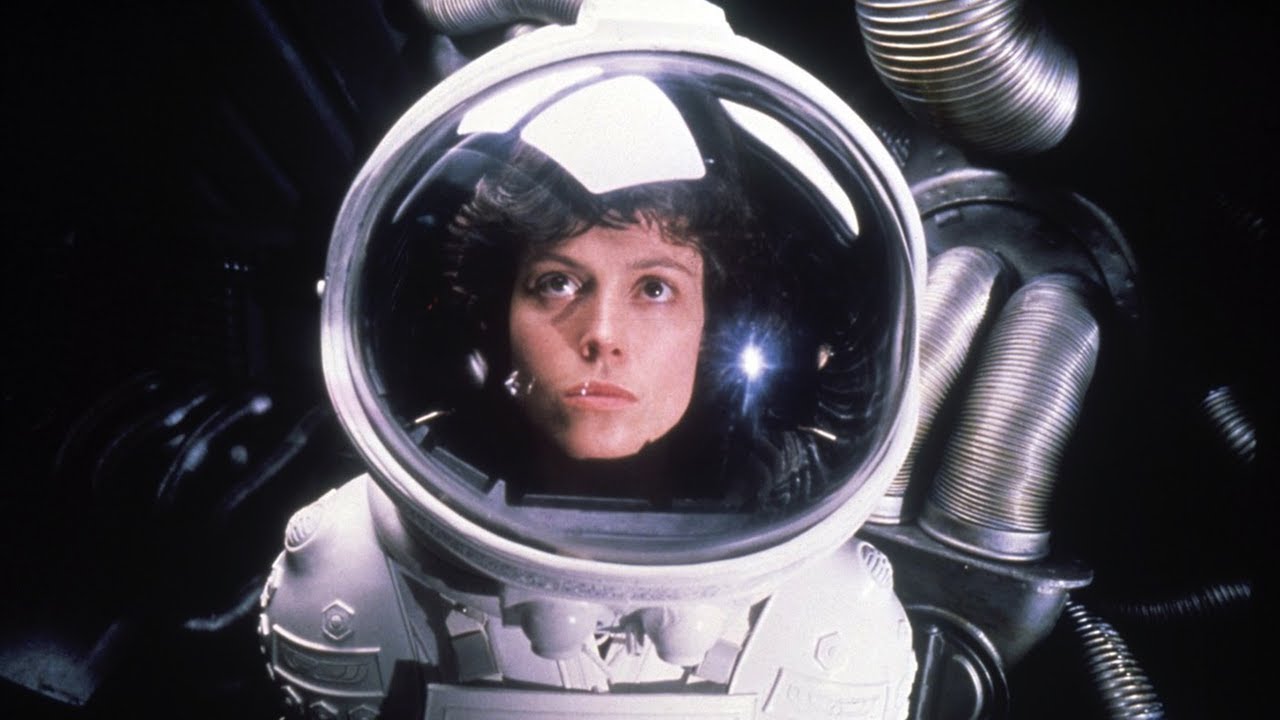
Sigourney Weaver is last woman standing in Alien

Director: Ridley Scott

Cast: Tom Skerritt (Dallas), Sigourney Weaver (Ripley), John Hurt (Kane), Ian Holm (Ash), Yaphet Kotto (Parker), Harry Dean Stanton (Brett), Veronica Cartwright (Lambert)

For decades, space was seen as a place of wonder. But Alien reminded us it was also a place where no one can hear you scream. We dream the vast void out there contains life: but what if the life we found was a relentless killing machine, a seemingly invulnerable monster literally having humanity for breakfast? Ridley Scott’s Alien took science fiction and ran it through the blender of horror, turning its space ship into a terrifying haunted house with an alien straight out of slasher films. It’s still a landmark today.

In deep space, the Nostromo’s crew is pulled out of hypersleep early – long before arriving back in our solar system. A strange distress call from an unidentified vessel needs to be investigated, on standing orders from “the company”. The seven-strong crew lands their ship and a party heads out – only to return with third officer Kane (John Hurt) with a strange alien creature attached to his face. The creature can’t be removed until it detaches itself of its own accord. All seems well until an unfortunate dinner party – at which point the crew finds itself being hunted one-by-one by a relentless alien monster.

Scott’s film is so famous today it’s very hard not to forget your foreknowledge of what’s going to happen and to experience it as its original viewers did. But it still works brilliantly – even if almost everyone watching knows only Ripley is getting out of this alive. The film is a masterpiece of slow-burn tension punctuated by moments of shocking horror. The final Alien itself doesn’t appear until almost an hour into the picture – but before then we’ve had our nerves more than jangled by the unsettling disquiet of the film’s mood. From the Nostromo, to the storm-laden planet they land on, and the vast alien ship – now a tomb of dismembered corpses with an unsettling organic look, like a giant carcass – everything in the film is designed to put us ill-at-ease. You can’t watch this film and expect anything to turn out for the best.

The camera prowls around the dank, grimy and run-down ship – space travel has rarely looked this unglamorous – like the predator that will hunt the crew. It’s slow, stately lingering on the crew, their faces, the eerily unsettling sounds and score, all serve to act like an advance funeral. Every single beat of the film stresses claustrophobia and dirt. It looks like a horrible trap already, and the film embraces a sense of grim inevitability. The observational style of the editing and shooting as we follow the characters, overhearing their bickering and functional work-based conversations, also helps add to this mounting sense of unease. It’s a surprisingly quiet film for much of its opening act, ambient noise and unsettingly lingering music dominating.

There is a poetical eeriness about the whole film. This is also partly from the sense of the ship being a society in microcosm. Much of the bickering is around bonus pay shares, the working-class engineers of the ship (one of whom is also black) bemoaning their smaller shares. The officers sit at the top, a mixture of entitled, distant, officious and daring. They have their own feuds over status, professional boundaries and personal rivalries. The captain is a laissez-faire professional, who offers only a general guidance and could really be just another member of the crew. The ship is like a giant oil-rig in space, with the crew basically a group of “truckers”. The film is as much about interpersonal tensions as it is about an alien monster who hunts people down.

But it is mainly about an alien monster that tears people apart. After almost an hour of deeply unsettling and unnerving build-up, when the monster (literally) rears its head, it’s a terrifying sight. We usually only see it briefly for small shots, but what we see is pure nightmare fuel. The creature is terrifying in its violence and power. It is partly human but also completely revolting. Covered in slime, it looks like a bizarre mix of a man, a giant penis and a vagina (its designer, HR Giger, reasoned nothing would be more unsettling and disturbing to us than seeing a beast that’s partly inspired by our own sexual organs). It creeps in corners, embraces the many shadows of Scott’s set and its capacity for violence seems unstoppable. Sharp editing and suggestion elaborates the visceral horror of its extending jaws punching through bone and flesh. It moves like an interpretative dancer and leaves a trail of blood. It’s unstoppable and infinitely cunning. It looks like your worst nightmare.

It’s all washed down with body horror. An alien that smothers its victims and shoves an egg down their throat which hatches through their chest becoming a slaughtering beast. There is an uneasy sexuality about this, right down to the “birth” of the creature being a grotesque parody of childbirth. The “birthing scene” is a masterpiece, the first moment in the film when the tension between the crew has eased – and the film itself seems to have relaxed for a moment from the knot of tension – that turns into one of the most memorable moments of body horror ever. The actors were allegedly told what would happen – but not how graphic it would be – and their horror-struck disgust (Veronica Cartwright was nearly knocked over by a powerful jetstream of mock blood and guts) and and shock gives the film a priceless realism.

Watching the film, it’s striking to me how much John Hurt’s Kane is shot as the hero early in the film. It’s he who wakes first from hypersleep. It’s Kane we follow the most for the early part of the film – he’s the one piloting the ship, volunteering to answer the distress call, urging his crew mates on as they investigate the alien vessel – it’s Kane who seems to be the hero. Making his brutal demise even more of a subconscious shock. On the other hand, Ripley is introduced as an officious, unpopular, by-the-book officer who it seems few other members of the crew like (Sigourney Weaver’s praetorian attitude helps a lot with this) – if you had to bet on someone to bite it early on, you’d pick her. The film continues to defy expectations. Characters who seem like they might be invulnerable are slaughtered early. Those who looked vulnerable survive until late on.

It’s a very strong cast. Weaver magnificently grows in authority as the film progresses, turning her abrasiveness into strength of character and moral determination. Hurt is very good as the unknowing victim-in-waiting. Kotto, chippy and defiant, is another stand-out. The finest performance through might well come from Ian Holm as science-officer Ash. Precise, cold, distant – but always hiding his own secret agenda – it’s an unsettlingly controlled performance that leads to a pay-off reveal that still works brilliantly today (and the character would have one of the most memorable death scenes in film, if he wasn’t in the same film as the most memorable death scene).

Scott’s filmmaking is brilliantly controlled, and the film is a horrifying masterpiece of tension and terror. The monster is skilfully shown at its worst (you’d never even guess in actuality it’s little more than a Doctor Who man-in-a-rubber-suit) and its design is faultless perfection. It’s not completely perfect – its build up might be ten minutes too long, and a late sequence that sees Weaver wearing little more than her undies looks hideously dated today – but it’s pretty close. Science fiction has never been scarier than it is here – hell the movies have rarely been scarer. In space no-one really can hear you scream.

Young Winston (1972)

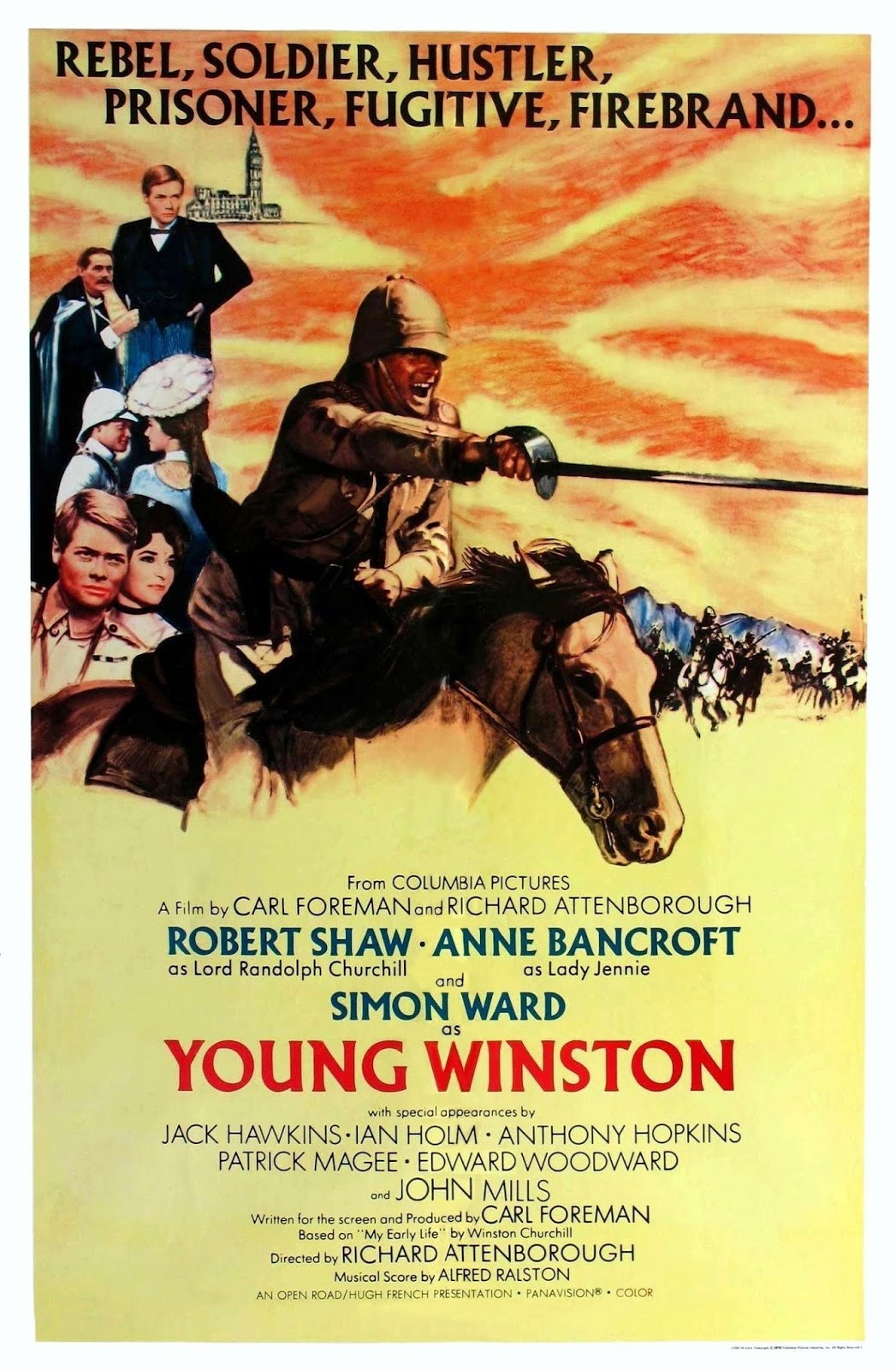
Simon Ward as the Young Winston: episodic but fun look at the early life of the Greatest Briton

Director: Richard Attenborough

Cast: Simon Ward (Winston Churchill), Robert Shaw (Lord Randolph Churchill), Anne Bancroft (Lady Jennie Churchill), John Mills (Lord Kitchener), Jack Hawkins (James Welldon), Ian Holm (George Earle Buckle), Anthony Hopkins (David Lloyd George), Patrick Magee (General Sir Bindon Blood), Edward Woodward (Captain Aylmer Haldane), Pat Heywood (Elizabeth Ann Everest), Laurence Naismith (Lord Salisbury), Basil Dignam (Joseph Chamberlain), Robert Hardy (Headmaster)

Any poll of the Greatest Briton is bound to throw up, near the top, Winston Spencer Churchill. So famous is he, that his surname isn’t even required for Attenborough’s biography of the Great Man – just that name Winston gives you a pretty good idea of what you’re going to get. And you’d be right, because this film gives you a pretty straightforward rundown of Winston Churchill’s early years, in an episodic breakdown that gives us some small insight into what shaped the chap who went on to implore us to “fight them on the beaches”.

Simon Ward is the Young Winston, with Robert Shaw and Anne Bancroft as his parents Lord and Lady Churchill. Lord Randolph is the high-flying MP who throws away his career, catches syphilis, loses his mind and dies aged 37 – all the time disappointed with the son desperate for his approval. Lady Jennie is his loving, supportive but slightly distant mother. Winston himself? A bright lad, but a hopeless academic, struggles at school, needs umpteen attempts to scrap into Sandhurst for a career as a cavalry officer (a dunce’s career in the opinion of Randolph), serves in the Sudan under Kitchener (John Mills) and starts writing books and newspaper articles – because hopeless academic he might be, he’s still gifted with words. A career in Parliament is his dream – helped no end by his escaping captivity during the Boer War, making him a popular hero. 

You can probably tell from that plot summary that this is a somewhat episodic film. Although initially throwing us into a clash in North-West India between the 35th Sikhs regiment and Pashtun rebels – an action during which embedded journalist Churchill wins a mention in dispatches – the film quickly settles into a straight narrative run down of Churchill’s early life, filtered through the great man’s own writings. This makes for an episodic, at times rather dry, box ticking exercise of key moments in his life although it gets enlivened with some decent scenes and some good performances.

The one fact that comes out most strongly from the film is the wretchedly unhappy childhood of Winston himself. A borderline dunce, Churchill is a hopeless student from an early age. His school days are miserable, dispatched to some ghastly boarding school where thrashings from the headmaster (ironically played by later regular – and definitive – Churchill performer Robert Hardy) are handed out as regularly as dollops of gruel. There is a certain emotional impact throughout these scenes, with extensive quotations from the pre-teen Churchill’s letters barely concealing pleas for his parents to visit him (save him) under protestations of his happiness at school.

But this emotional connection doesn’t really last once we get into the adventures of the younger Churchill. This is despite an excellent performance from Simon Ward, who perfectly captures the mood and manner of the more famous older man while splicing in plenty of youthful exuberance and naivete. Ward does a terrific job of holding the film together – so well in fact you are left feeling slightly sorry that he never got a part as good as this ever again. His final speech is a perfect capturing of the speech-making prowess of the young statesman.

The film takes a mixed attitude to Churchill’s parents. It’s very open about the syphilis that afflicted Lord Randolph, and even before that makes clear his career is one governed by rashness and poor judgement. Robert Shaw is excellent as Churchill’s father – a stern taskmaster, constantly disappointed in his dullard, lazy son, but spicing it with enough small moments of affection to make you understand why Churchill worshipped this man whom he surpassed by every measurable factor. Shaw also makes a pre-illness Churchill, sharp, witty and strikingly intelligent: making his later descent into illness and unpredictability all the more affecting. Randolph’s final speech in the House – raddled by syphilis he looks awful and can barely remember his train of thought for longer than a few seconds – is remarkably moving.

The film takes far more of a conventional view of Lady Sarah, presenting her far more as the idealised mother figure she must have been for Churchill. Anne Bancroft is saddled with a rather dull part that never really comes to life, as the more interesting aspects of her colourful life are largely left on the cutting room floor.

Attenborough’s film does try to drill down into the personalities of these three people with a curious device where each character has a scene speaking (direct to the camera) to an unseen journalist asking them questions about themselves and the events around them. This interrogational style looks like a rather dated 1970s innovation today – look how we put the spotlight on these people! – but it does give a chance to see them from another perspective, and give the all-seeing author of the screenplay (Carl Foreman) a chance to ask questions viewers are probably asking. It’s on the nose, but still kind of works, even if the revelations we get barely seem to give us any shocks.

It’s about the only slight moment of invention anyway in a film that is another example of Attenborough’s excellence at marshalling a huge number of actors and locations into something very reassuringly safe and professional that is going to have a long lifespan on Sunday afternoon TV schedules. Young Winston is a decent, enjoyable mini-epic, but it’s not the film for those really wanting to either understand the times or understand the personalities involved.