Tag: Liv Tyler

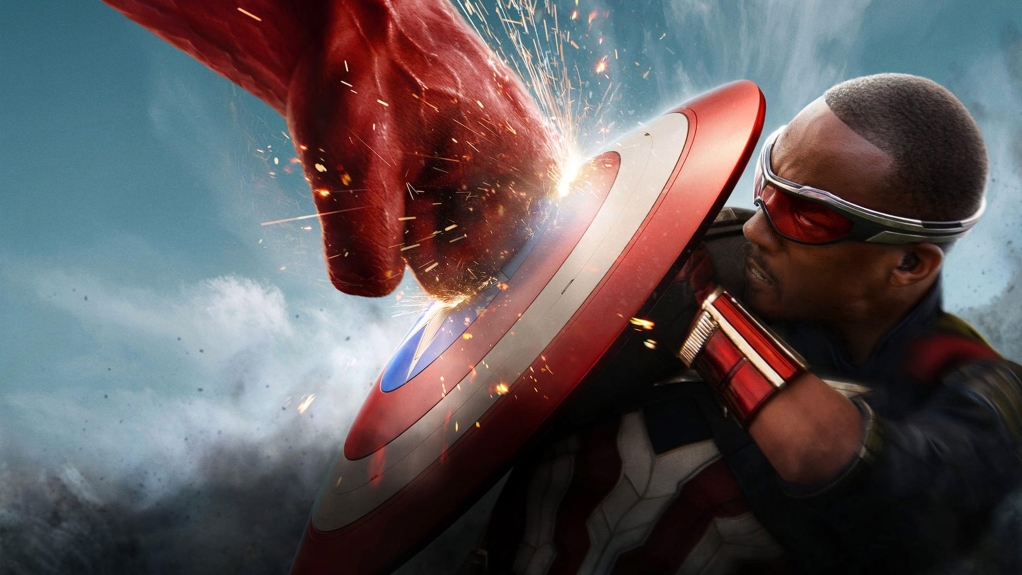
Captain America: Brave New World (2025)

Captain America: Brave New World (2025)

Pure, unfiltered, content nothing more. Full of stuff you’ve seen, doing things you expect.

Director: Julius Onah

Cast: Anthony Mackie (Sam Wilson/Captain America), Harrison Ford (Thaddeus Ross/Red Hulk), Danny Ramirez (Joaquin Torres/Falcon), Tim Blake Nelson (Samuel Sterns), Shira Haas (Ruth Bat-Seraph), Carl Lumbly (Isaiah Bradley), Xosha Roquemore (Leila Taylor), Giancarlo Esposito (Seth Voelker/Sidewinder), Liv Tyler (Betty Ross)

Welcome to a Brave New World of Content. There’s nothing really wrong with Captain America: Brave New World. But there are also feels like no real reason for it to exist. Let it pass before your eyes for a couple of hours and you’ll have a decent time: then you’ll barely remember it, leaving you as brainwashed as it’s villain’s Mr Blue Sky programmed minions. It exists because the MCU is a gargantuan shark that has to keep moving forward, consuming more and more of the cultural conversation to stay alive.

What’s it about? Sam Wilson (Anthony Mackie) is our new Captain America, still air-bound with his Falcon wings (now powered up with some Wakandan science) but without the super-serum that made Steve Rogers near-invulnerable. His new boss, ex-General-now-President Ross (Harrison Ford, replacing the late William Hurt), has his doubts – but is also dealing with his own anger-management issues. Ross is being manipulated by imprisoned evil genius Samuel Sterns (Tim Blake Nelson) who wants Ross’ hypocrisy exposed to the world – and to turn him into Red Hulk for good measure. Since every single scrap of publicity material reassured us Red Hulk appears in the film, it’s not a surprise to find out he succeeds.

It’s all told in a reassuring way: another film pressed out of the MCU cookie-cutter. There is an interesting story dealing with Sam’s doubts about his worthiness, not least since he lacks Steve’s strength and speed. It’s so interesting… that Marvel has already made a TV series about it. Brave New World offers a less interesting, crib notes version of The Falcon and the Winter Soldier, while anxiously dancing round that series’ engagement with the moral complexities of a Black man taking on the name of Captain America, representing a country whose track-record on race is not something to boast about.

All the best stuff has already been rinsed once through the MCU content machine. Sebastian Stan pops up to repeat the moral message of that series in a single scene. Carl Lumbly returns as an aged Black Captain America, ill-treated by the government (although his background is skirted round by a film, terrified of being accused of any form of political statement). Sam, just as he did in the series, wonders about powering himself up to Steve levels and decides not. For anyone who has seen the series, it’s a shallow retread. For anyone who has not seen it, it makes very little impression.

Brave New World struggles to find its purpose and reason for being. There is an astonishingly large amount of exposition in it, constantly explaining and reminding us what everything is. Brave New World serves as a sort of side-ways sequel to two of the franchise’s least liked, least remembered films (The Incredible Hulk and Eternals), as well as being a thematic remake of a TV series. It feels like what it is: a film shot and reshot over years, until all sense of its tone and originality has been ironed out into the most generic, safe and pointless film you can imagine.

Marvel could sort of tell everyone was wondering why on Earth they should make this film, so dangled Red Hulk before us like a hook desperate that it would get bums on seats. There is something quite tragic about the series being reduced to spoiling their own ending. Particularly as all this transformation really just leads into a fairly familiar end-of-film smackdown in an all-too-obviously CGI created backdrop. This was probably a legacy of the years of delays and reshoots, the film tottering awkwardly between various political issues: hence it’s timid handling of issues from #blacklivesmatter, it’s attempt to not put off the anti-Woke brigade, to it’s meek fear of including an Israeli character in a leading role.

Perhaps that’s why we end up with something as formulaic and straight-forward as this. Anthony Mackie gives of his very best (although he has said in interviews, he prefers the long-form character building opportunities of TV shows – and who can blame him) and makes a winning argument for himself as a figurehead for a struggling franchise. Harrison Ford looks slightly bemused that he’s even in here (and I’ll eat my hat if we see him again in an MCU property), autopiloting through his gravelly grumpiness until he transforms into a big red monster with stretchy pants.

There are some decent action sequences. Giancarlo Esposito gets to riff on his Breaking Bad role in a character (again, some what obviously) added in reshoots years after the project completed filming. A mid-air battle over Japanese waters is gripping enough, if nothing special. A chase scene through the White House and across Washington lands well. Tim Blake Nelson does a decent job as a villain powered by intellect rather than strength. None of this is remotely new, original or particularly different from dozens of other MCU films (did they decide on locations based on where they haven’t really been before?) but its all entertaining enough.

It’s also though painfully, pointlessly, predictable. As inevitable as the arrival of the Red Hulk (a sure sign that the MCU was terrified the film was going to bomb, was when they smacked that guy all over the posters and trailers), every beat feels like dozens of other MCU films. It feels like a middling entry that will be easily skippable for what passes now for the series overarching narrative. Every moment feels fundamentally pre-packaged and shorn of any personality. It’s a highly professional, well-oiled, well-assembled film and you’ll forget almost every single thing about it within about an hour of it finishing. It’s just content from a series that needs new stuff like a lung needs oxygen.
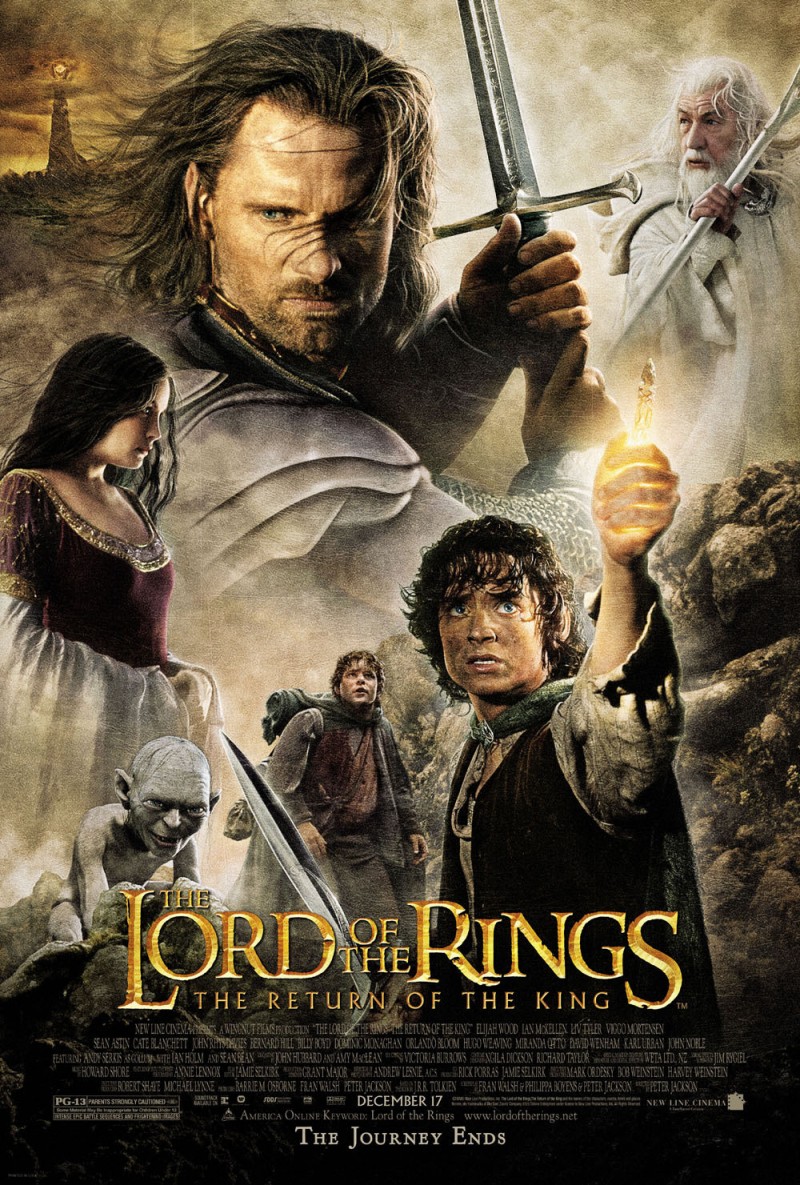
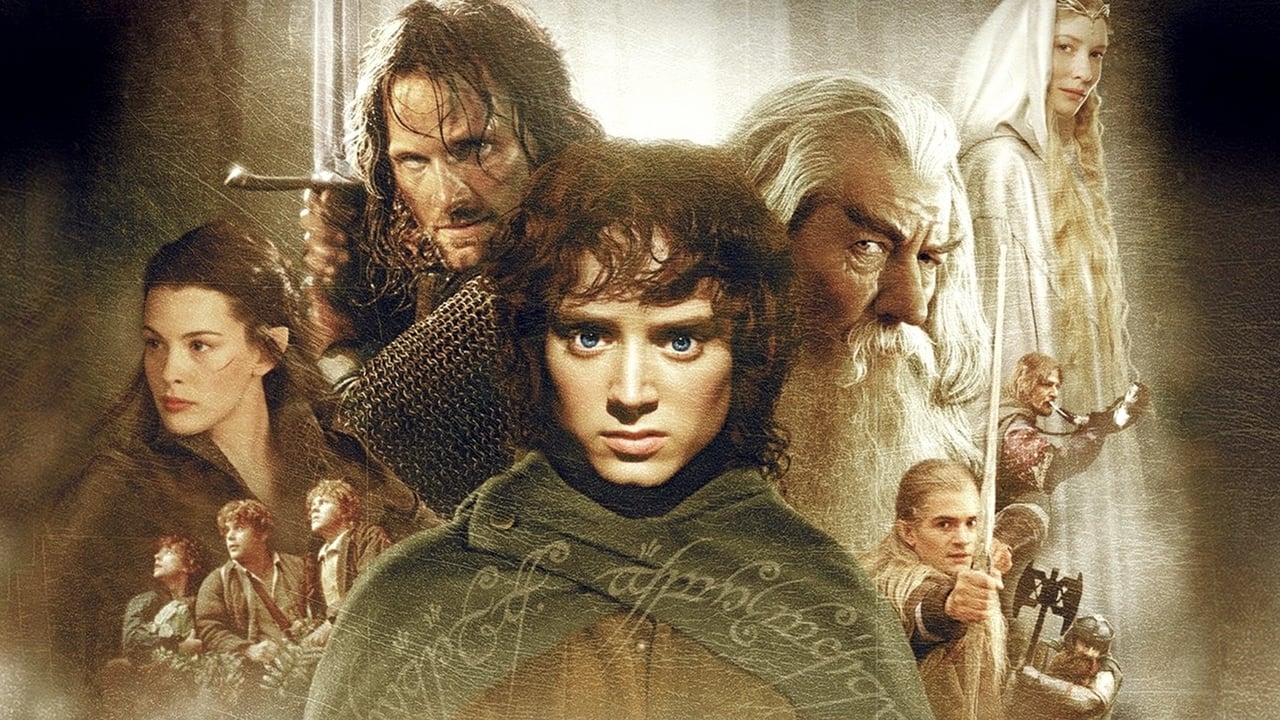
The Lord of the Rings: The Return of the King (2003)

The Fellowship face one final battle in the conclusion of Jackson’s stunning trilogy

Director: Peter Jackson

Cast: Elijah Wood (Frodo Baggins), Ian McKellen (Gandalf), Viggo Mortensen (Aragorn), Sean Astin (Samwise Gamgee), Andy Serkis (Gollum), Billy Boyd (Peregrin Took), Dominic Monaghan (Meriadoc Brandybuck), John Rhys-Davies (Gimli), Orlando Bloom (Legolas), Bernard Hill (Theoden), Miranda Otto (Eowyn), David Wenham (Faramir), Karl Urban (Eomer), Hugo Weaving (Elrond), Liv Tyler (Arwen), Cate Blanchett (Galadriel), John Noble (Denethor), Ian Holm (Bilbo), Christopher Lee (Saruman), Brad Dourif (Grima Wormtongue), Sean Bean (Boromir)

By the time the third film in Jackson’s Lord of the Rings trilogy came out, we all knew this was something very special. Readers of Empiremagazine voted it the 9th Best Film Ever Made the month it was released. It was showered with awards, winning every Oscar it was nominated for (11, including three for Jackson) and grossed over a billion dollars worldwide. The Return of the King is a landmark – and it’s a stunning sign-off for a triumphant trilogy.

Frodo (Elijah Wood) and Sam (Sean Astin) are even closer now to Mount Doom, guided by the treacherous former ring-bearer Gollum (Andy Serkis). While they must negotiate the dangers of Mordor, Sauron has sent his forces out to conquer Middle Earth. The city of Minas Tirith is his target. Facing an army of thousands of orcs, the city’s only hope is if Gandalf (Ian McKellen) can defend it long enough to allow Aragorn (Viggo Mortensen) – the man destined to become king of Gondor – to lead a relief force. Will Frodo resist temptation and destroy the ring? And will Aragorn be able to defend the city and become its king?

I think it’s fair to say, with books as widely loved as this, no one is going to agree with every single decision Jackson and fellow writers Fran Walsh and Phillipa Boyens made. Here again, changes have been made – famously the scouring of the Shire that closes the novel has been cut (with Saruman dispatched in the opening scenes of the extended edition). What the screenplay seeks to do is increase the pace and tension – it’s probably why Denethor, leader of Gondor, is reinvented as an antagonist (of which more later) and events charge ahead with a relentless forward motion. There is no stopping to catch breath here: there is always a new crisis to solve.

Where changes have been made, they largely have a positive impact. For example, the film takes the decision to introduce conflict between Frodo and Sam – as well as increasing further the scheming malice of Gollum – by having the disturbed ring-addict manipulate the two hobbits into a falling out. This allows Frodo to enter the lair of the giant spider Shelob (a disgustingly visceral creation) alone. Not only does this make Frodo more vulnerable, it also increases the bravery and nobility of Sam, by having him return to save the day (and allow for a classic Hollywood nick-of-time entrance).

The change also adds to the devious brilliance of Gollum, once again superbly played by Andy Serkis. After spending much of The Two Towers bringing out the depth and sadness in this fragile character, The Return of the King carefully shows how this doesn’t excuse his fundamental ruthlessness. The film opens with a flashback showing Smeagol finding the ring, serving as a neat reminder of the Ring’s fundamental wickedness: within seconds its pushes Smeagol to murder his best friend. The sequence following Smeagol’s moral and physical collapse neatly reminds us of its danger and also how close Frodo is to all this happening to him.

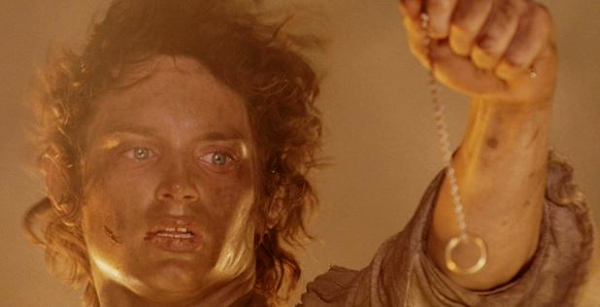
Frodo’s suffering and painful growing maturity is more central here. Wood brilliantly charts Frodo’s continuing moral and emotional decline under the Ring’s influence. Increasingly a physical wreck, Jackson carefully lets the suspicion grow that Frodo’s not going to be capable of chucking the ring away. Balancing this, Astin’s Sam Gamgee (the most heartfelt and affecting performance) becomes the moral centre, self-sacrificing, optimistic and fundamentally decent – a beacon of light in the grimness of Mordor.

Again, Jackson ups the stakes, with TROK taking place on the grandest scale you could imagine. The battle sequences are breath-taking in their depth and ambition. But, as with the other films, Jackson knows the scale counts for nothing if you didn’t care about the characters at its heart. So, while the events are epically earth-shattering, the film always brings us back to simple emotion. Even in the siege of Gondor, it finds time for a quiet moment of humanity between Gandalf and Pippin.

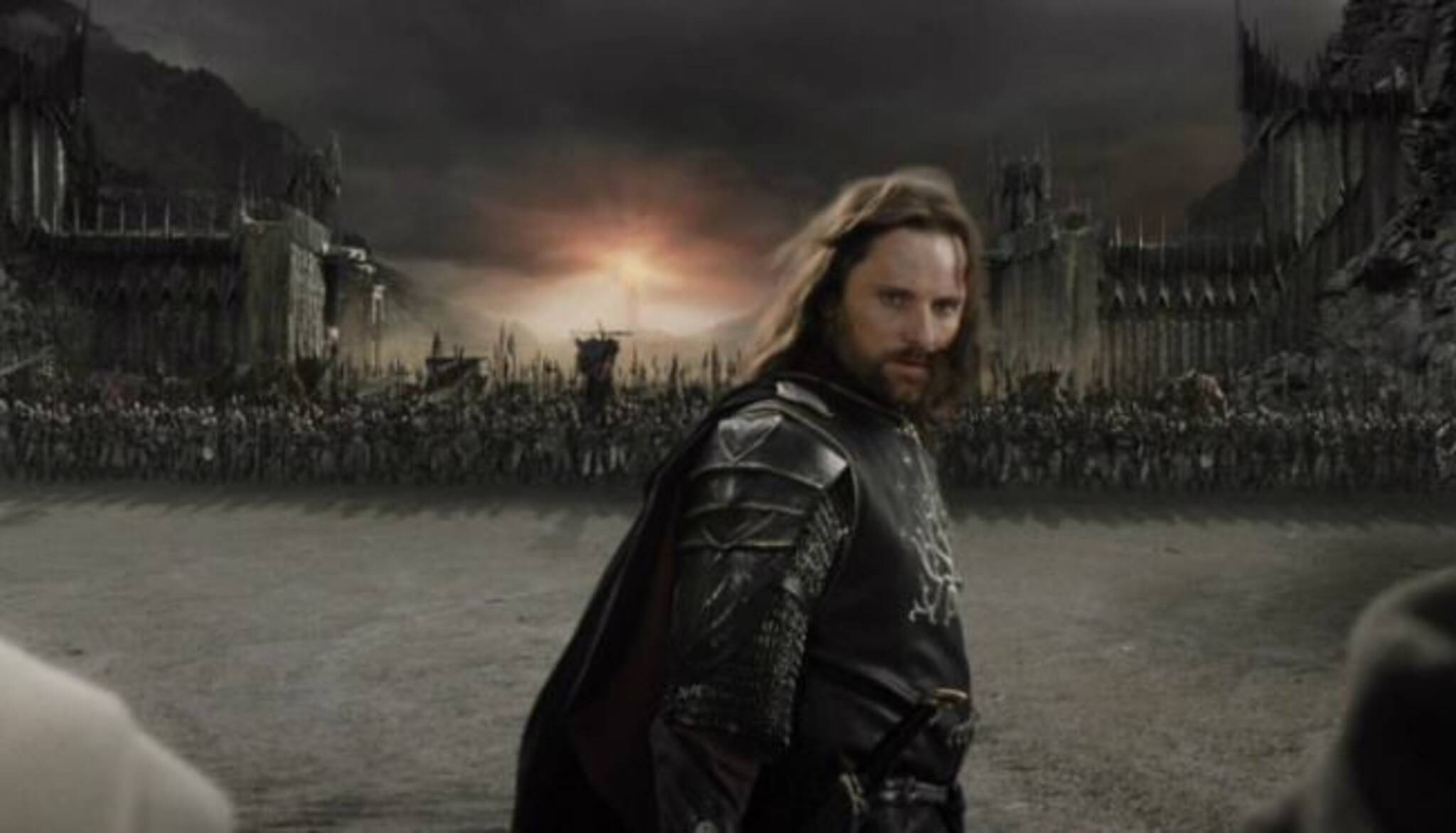
But those battle scenes are still stunning. The orc armies are terrifyingly vast, while the strafing run of the airborne Nazgul (soldiers snatched from towers are thrown hundreds of feet to their deaths) adds to the sense that victory is hopeless. Soldiers fight desperately for their, and others, lives. The film even tops the Two Towers’ charge of the Rohirrim with a stunningly rousing charge involving thousands of horses into the massed ranks of Orc (and tops that minutes later with a second change accompanied by a sweeping camera movement and swelling musical cue that is just about perfect).

Jackson brilliantly communicates how much the stakes are against our heroes. We really feel their bravery and desperation as they take on impossible odds – and it’s that which really gives the scenes their power, not the scale or the special effects. No moment is lost without bringing us back to moments of bravery and vulnerability from our leads. There are powerful moments of warmth, kindness, loyalty and generosity throughout. It’s finally what makes the film so effective – it’s a tribute to the power of friendship.

It’s all powered with a beautifully operatic score by Howard Shore. Shore’s music captures perfectly the world of Tolkien. A few years after this, an ill-fated musical version of LOTR was launched – and flopped. Because, essentially, Shore has already turned these novels into a sort of opera-slash-concerto, with perfect themes for everything from martial orcs to whimsical hobbits. Some of the musical cues are so luscious and stirring, they make you want to stand and applaud. The music accompanying Gandalf’s rescue of the retreat from Osgiliath is a wonderful highlight, the triumphant and tense music for the Rohirrim charge is stunning, the score for our heroes leaving for the Undying Lands beautiful. LOTR is so beautifully scored, Shore’s work so gorgeous, LOTRis a film you could certainly watch with just the music playing and still understand it perfectly.

Of course, there are things you can criticise. Denethor – in the novel a portrait of corrupted nobility, his intelligence and pride turned to despair – is repositioned here as a sort of heartless WW1 General, gobbling food while his soldiers die and embracing a nihilistic death wish (although this change does allow for the absolutely beautiful Gandalf/Pippin beacon lighting sequence, in defiance of Denethor). It’s not helped by Noble’s lip-smacking performance, stripping the character of nuance. It’s gives Gandalf more to struggle against, but it’s a crude approach for a character who would have worked better as a mis-guided elitist rather than a crass, hissable villain.

Lots of people have had a pop at the multiple endings as well. Jackson certainly teases us a little too much with fades to black. But I’d argue the lack of a definitive full stop adds greater depth to the story. Tolkien was partly inspired by his experiences in WW1. In that war, the hell of the trenches came to an end, but people’s lives didn’t end with a triumphant parade. Instead, they needed to return home and adjust back into civilian life. I think it’s powerfully affecting that the hobbits return to an unscoured Shire, which hasn’t changed at all while they (and us) have seen Middle Earth torn apart. And it adds real force to why Frodo, in particular, can’t return to “life as normal”.

It gives a powerfully moving, bitter-sweet ending and, I think, brings out a rich, emotional message from Tolkien’s story often missed: Frodo and his friends are fighting to protect their home, but find that they have changed so much they can never settle back into that home in the same way again. It’s something soldiers serving in WW1 experienced, and it feels fitting echoed in Jackson’s LOTR.

Jackson’s LOTR will always spark conversations around faithfulness and otherwise to the source material. Not everyone will agree with every choice. But surely no one can argue with the majesty, scale and wonder of these films, the sublimely perfect casting choices, or the loving detail in every touch of the design. When I first saw Return of the King in the cinema, the audience got to their feet and applauded. You can’t blame them: watch this and you are watching something very special, a true landmark in cinema.

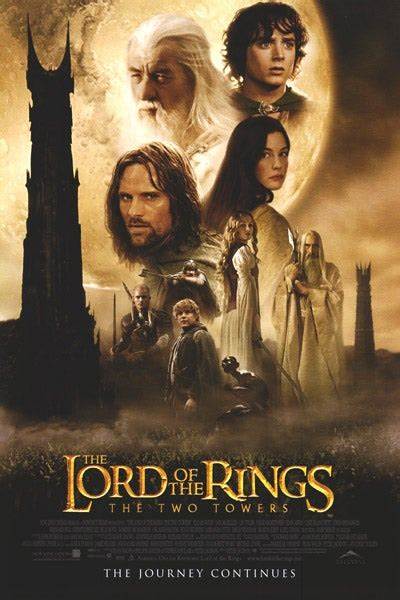
The Lord of the Rings: The Two Towers (2002)

Peter Jackson’s second film in the Lord of the Rings trilogy is another triumph

Director: Peter Jackson

Cast: Elijah Wood (Frodo Baggins), Ian McKellen (Gandalf), Viggo Mortensen (Aragorn), Sean Astin (Samwise Gamgee), Liv Tyler (Arwen), Andy Serkis (Gollum), Billy Boyd (Peregrin Took), Dominic Monaghan (Meriadoc Brandybuck), John Rhys-Davies (Gimli/Treebeard), Orlando Bloom (Legolas), Cate Blanchett (Galadriel), Bernard Hill (King Theoden), Christopher Lee (Saruman), Hugo Weaving (Elrond), Miranda Otto (Eowyn), David Wenham (Faramir), Brad Dourif (Grima Wormtongue), Karl Urban (Eomer), Sean Bean (Boromir), Craig Parker (Haldir)

After Fellowship of the Ring we knew we were in safe hands. So, the real question was would The Two Towers continue to win over long-term fans and new-comers to Middle Earth? Would Jackson pull off the difficult middle chapter, resolving some things, but leaving us with enough tantalising hooks? He succeeded: for many The Two Towers is their favourite film in the series.

The fellowship is broken. Boromir (Sean Bean) and Gandalf (Ian McKellen) are dead. Frodo (Elijah Wood) and Sam (Sean Astin) are making their own way to Mordor – now guided by the former ring-bearer, the dangerously untrustworthy and unbalanced Gollum (Andy Serkis). Aragorn (Viggo Mortensen), Legolas (Orlando Bloom) and Gimli (John Rhys-Davies) are tearing across the land of the kingdom of Rohan following the orcs who kidnapped Merry (Dominic Monaghan) and Pippin (Billy Boyd). Meanwhile, the dark forces of Saruman (Christopher Lee) are moving against Rohan and its sickly king Theoden (Bernard Hill), determined to destroy it. War has truly come to Middle Earth – but can the return of an old friend help to turn the tide? And will Frodo and Sam find safety or danger when they meet Boromir’s brother Faramir (David Wenham)?

Hard to believe considering the scale of the first film, but Jackson’s second Tolkien adventure ramps up the scale even further. It continues the immersive capturing of the look and feel of the novels, while reconceptualising it into something closer to a stirring, gripping action epic. The Two Towersis awe-inspring in its scale and world-creation, building towards one of the all-time great cinematic battles as the few of Rohan hold out against the massed forces of Saruman at Helm’s Deep.

Just as in Fellowship the pace and tension is heightened. With the heroes split into three groups, there are a number of balls to juggle. But Jackson and co-screenwriters Fran Walsh and Phillipa Boyens superbly intercut the more linear book chapters – feeling free to shift orders, motivations and inventing their own narrative flourishes to link events together. The film adapts around 13 of the novel’s twenty chapters (the rest being assigned to the other films), but is so perfectly paced it never feels overstretched or disjointed. They even add more material involving Saruman, making this arch-manipulator a larger presence in the film than in the novel.

The Two Towers radically changes many of the events of the novel – but in most cases (except one) this is done with such respect for Tolkien that even most fans overlooked them. So, it hardly matters Theoden’s motivations for making a stand at Helm’s Deep have radically changed or that the films add warg action or has Aragorn presumed dead at the halfway point. Elves turning up to fight at Helm’s Deep is such a “Hurrah” moment, only the most extreme Tolkien purist could object (they would have objected a lot more to the original plan to have Arwen fight there). Merry and Pippin’s interaction with the Ents (living trees) are re-purposed to give them greater agency.

In fact, the changes to Faramir were the only ones anyone objected. In the novel Faramir is pure-of-heart and untempted by the Ring. With much of the novel’s Frodo material transferred to The Return of the King, Jackson, Walsh and Boyens needed to make Faramir “an obstacle”. Cinematically, the idea of Faramir trying to take the Ring to Gondor – motivated by the urge to win the affection of his distant father – made perfect sense (and Wenham delivers the character very well).

But for many book fans, this was a travesty of a beloved character (for all that Faramir eventually proves his quality). I’ve never met a book fan who wasn’t displeased by “movie Faramir”. For those familiar with the films, there won’t be a problem – but I can see the point. The character is clearly, in a subtle way, different from the more whimsical and unsullied man the book presents.

If there is one element of Tolkien Jackson, Walsh and Boyens are not interested in, it’s Tolkien’s whimsy and idea of characters as paragons (or parAragorns). For the film, the conflicted Boromir is more interesting and sympathetic than goodie-two-shoes Faramir. By contrast, to Tolkien Faramir was an ideal and Boromir a shadow of the martial blowhards who led millions to death in the trenches. Tolkien wanted heroes who were more certain and perfect. The films are about the struggles people face with doing their duty, questioning their purpose. The films are not about questions of spiritualty and moral purity. Tolkien gives over long chapters to the spirituality of the Ents and one short one to Helm’s Deep – that balance is completely flipped here.

But the advantage is that the idea of true heroism being conquering your own doubts pays off hugely in the adaptation. Aragorn – a superb and hugely charismatic Viggo Mortensen, literally sweating heroism and poetic sensibility – has his character arc improved by the film. In the book, he has not doubt at all. The film establishes his reluctance to lead and unwillingness to acknowledge he is of men. From seeing only the weakness of men, he slowly identifies with them. It’s a conscious decision for him to fight at Helm’s Deep and the battle sees him finally accepting leadership. It’s a richness not found in the novel.

Of course, battles are more compelling on screen than the page. Helm’s Deep is perhaps the greatest battle on screen, a Kurosawa-inspired, rain-splatted masterpiece, perfectly mixing character beats and action. It never forgets that we care about people not action, so rarely more than thirty seconds go by without one of our heroes front-and-centre. Shots of refugees establish the stakes, the costs of war are laid shockingly bare and the battle is crammed full of awe-inspiring shots of mayhem and martial prowess. You can’t not be excited by this superbly choreographed epic, with just the right level of Jackson’s pulpish-gore background laid on.

But this is not just a film about a battle. As always, every beat is perfectly worked – even if the Ents material suffers from the reduced interest from the creative team. The opening sequence expanding the battle between Gandalf and the Balrog is jaw-dropping. The world of Rohan is created beautifully. Bernard Hill’s Theoden is plagued with self-doubt. Miranda Otto is very good as a woman who wants to prove her place in a man’s world (even if the hinted romantic sub plot between her and Aragorn feels a little forced).

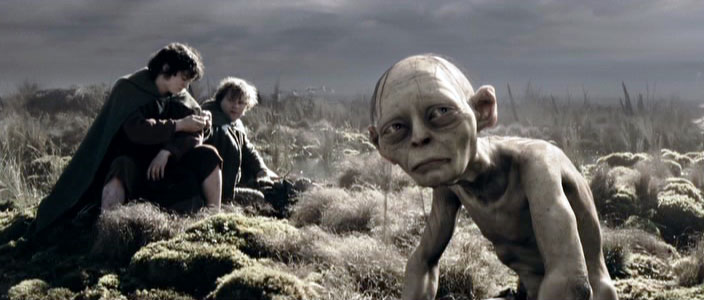
But the biggest magic in the film, and its most special effect, might just be Gollum. While the computer wizardry to create the character is astounding, it works because the acting behind it is sublime. Serkis invented a whole school of acting in motion capture. The screenwriters expand the novel’s conflicted psyche and explores even more the character’s split personality – Gollum (the Ring dominated side) and Smeagol (the timid but dangerous side), both made distinctive by Serkis. Jackson’s most bravura scene might be one of his most simple, a two-shot argument between the two sides, that sees Serkis switch personality with each cut. It’s a superb combination of cinematic language and acting skill.

The Two Towers is superb film-making, with music, photography, editing and design all faultless. The acting is again brilliant – Wood, McKellen, Astin, Tyler as well as those mentioned above. But it’s also a brilliant adaptation of a novel, making changes to increase tension and drama and carefully selecting the elements that will work most effectively on screen. It’s closing battle is one for the ages, but the entire film is a perfectly paced epic, with a growing sense of danger and doom that ends on a beat of quiet hope. This series is a thing of beauty.

The Lord of the Rings: The Fellowship of the Ring (2001)

Peter Jackson’s near-perfect opening chapter of his Tolkien adaptation

Director: Peter Jackson

Cast: Elijah Wood (Frodo Baggins), Ian McKellen (Gandalf), Viggo Mortensen (Aragorn), Sean Astin (Samwise Gamgee), Liv Tyler (Arwen), Sean Bean (Boromir), Billy Boyd (Pippin Took), Dominic Monaghan (Merry Brandybuck), John Rhys-Davies (Gimli), Orlando Bloom (Legolas), Ian Holm (Bilbo Baggins), Cate Blanchett (Galadriel), Christopher Lee (Saruman), Hugo Weaving (Elrond)

When it was released, people wondered if there was a market for three mega-length adaptations of Tolkien. By the time it finished, Hollywood was casting eyes at The Hobbit and working out how many films that could stretch to. Peter Jackson’s The Fellowship of the Ring is a film so completely perfect it pulled off the near-impossible: embraced all, from the novel’s passionate fanbase, to lovers of blockbusters and connoisseurs of cinema. Jackson turned a landmark novel into a landmark film, the sort of work that decades of other films (and TV shows) would be inevitably compared to. By any benchmark, The Fellowship of the Ring is a cultural and cinematic turning point.

Frodo Baggins (Elijah Wood) is a young hobbit who inherits his home from his Uncle Bilbo (Ian Holm) – along with a mysterious ring which gives its wearer the power of invisibility. But more than that, this ring is the very same ring crafted by the Dark Lord Sauron: the source of his power and possibly the most evil item in the world. Warned of its danger by his uncle’s old friend, the wizard Gandalf (Ian McKellen), Frodo agrees to carry it first to the elves at Rivendell – and then from there to the fires of Mount Doom, the only place it can be destroyed. Joining him on this perilous quest is a ‘fellowship’: Gandalf, fellow hobbits Sam (Sean Astin), Pippin (Billy Boy) and Merry (Dominic Monaghan), elf Legolas (Orlando Bloom), dwarf Gimli (John Rhys-Davies), human Boromir (Sean Bean) and the mysterious ranger Aragorn (Viggo Mortensen), who may be the heir to the kingdom of men.

Jackson’s film faced a huge problem from the start: cater to the fans too much, make it too drenched in the high-fantasy of the novel, and you risk alienating an audience sceptical about stories of magic and elves; push the film too far the other way and it becomes something denounced by the fanbase. Fortunately, Jackson (and fellow scriptwriters Fran Walsh and Phillipa Boyens) transform the book into a masterfully-paced, emotionally-invested epic saga with moments of comedy and tragedy and an overwhelming sense that colossal stakes are being played for. By focusing on what makes The Lord of the Rings such a great story they helped nail making it accessible to the sort of people who wouldn’t dream of picking up a fantasy book.

The novel is carefully, subtly altered throughout to increase pace and build up the emotional depth of the characters. Its timeline is telescoped (Gandalf’s 19 year research into the ring becomes a few months), stand-alone sections removed (good bye Tom Bombadil) and personal conflicts and emotions are subtly made more prominent (most notably Gandalf’s grandfatherly affection for Frodo and the conflicted admiration and resentments between Boromir and Aragorn). What this succeeds in doing is creating a film that actually alters a lot of the original book (reassigning multiple actions and shifting many motivations) but ends up carrying so much of the emotional and narrative truth that it feels completely faithful. The tone is perfectly captured but also becomes a gripping, cinematic drama, populated by characters who feel real, for all their hairy feet or wizard’s hats.

The script is a perfect mixture of the greatest lines and quotes from the book, expanded with a real understanding of character motivation. Its all complemented by faultless direction with a sweeping visual panache from Jackson. This is a passionate director, working at the top of his game. The film is, of course, breathtakingly beautiful – New Zealand, the perfect location for Middle Earth, still dines out on the tourist trade to this day – but Jackson brilliantly mixes the epic with touches of his own Grindhouse roots. So, he can shoot stunning chase scenes with Nazgul or dreamy ascents of mountains with the same flair as he can the grimy, body horror of an Uruk-Hai’s birth. I can’t stress too much the level of Jackson’s achievement here: the film shifts between genre and tone from scene-to-scene: the Moria sequence goes through mystery, whimsy, regret, tragedy, action, awe-inspiring scope then crushing loss. Another director could have made that feel like a wildly veering train – Jackson makes it feel all of a piece. Not a single scene is untouched by directorial genius.

Jackson’s passion for the project was communicated to the entire team. In every single technical department, no effort has been spared to create Tolkien’s world (and crucially it always feels like Tolkien’s world). Stills of this film could be slotted into editions of the book and not look out of place. From the detail of the costume, design of the sets, to the writing of elvish – not a single prop, set or costume doesn’t look like it belongs. Everything feels grown out of the imagination of the reader. It’s helped hugely by the effort to recruit famed Tolkien illustrators Alan Lee and John Howe: their iconic visualisations of the novel inspired every inch of the design.

It’s also a film that feels real (even though so much of it was of course made in a computer). The film used practical locations and shooting tricks wherever possible. Obviously, the New Zealand landscape was used to sumptuous effect, but also wherever possible models and miniatures were used. Even the height differences between hobbits and other characters were largely achieved in camera. It’s an approach which not only subconsciously communicates an intimacy, it also helps make the story feel even more grounded: a sense of dramatic events happening to real people.

The film also brilliantly establishes the sinister darkness of the ring. One of the trickiest things in adapting Tolkien is dealing with the fact that your villains are a suspended glowing eye and a gold ring. TFOR expertly establishes the dark malevolence of the Ring, as a sinister, manipulative, wicked presence that corrupts those around it – it’s even given its own darkly seductive voice. Never for a moment does anyone watching this film doubt that it is bad news, its absolute is evil totally accepted. Think about that for a second and that is a stunning achievement.

Then there’s the score. If you ever wanted to prove to someone how important music is to the experience of watching a film, show them this one. Howard Shore’s orchestral compositions not only deepen and enrich every frame they accompany, they are also perfect in capturing the tone of novel. From the piping hobbit music, to the demonic choirs of the Nazguls, to the soaring but mournful themes of Gondor, this film could almost be a musical. Watch it without dialogue and you still follow it perfectly.

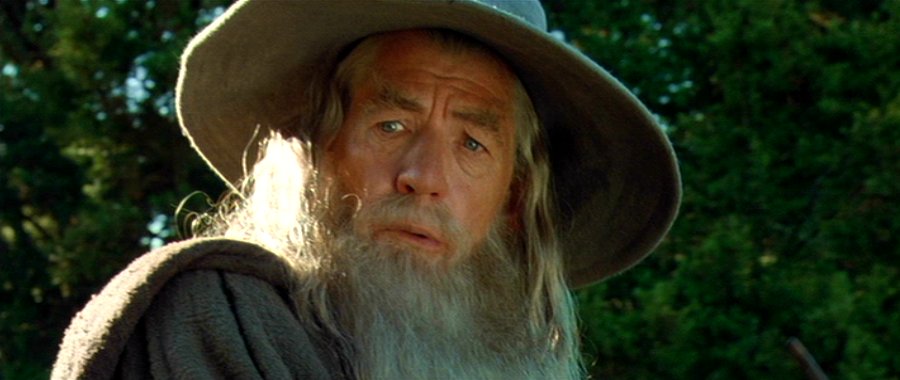
Jackson also nailed the cast. Ian McKellen quite simply becomes Gandalf, on the surface a twinkling grandfatherly presence, but below a frighteningly powerful man carrying centuries of wisdom. It’s a brilliantly iconic performance. Elijah Wood brings a wonderful innocence that slowly strips away as Frodo. Ian Holm’s Bilbo is a delightful charmer with flashes of corruption. Viggo Mortensen is all charisma and conflict as Aragorn. Christopher Lee was born to play Saruman. Liv Tyler was a revelation as Arwen. Sean Bean’s masculine Boromir hides deep-rooted personal doubt, insecurity and fear of failure. The cast is perfect.

And there isn’t a duff scene in the film. It’s opening montage is a masterclass in narrative introduction and awe-inspiring action. The Hobbiton sections have just the right tone of whimsy. The chase through Moria turns descending a staircase into a nail-biter. The final breaking of the fellowship gives us breath-taking battles and heart-rending tragedy, along with an iconic death scene.

No one else could have possibly delivered the novel to the screen better than this. Jackson’s fingerprints are on every inch of the film. It’s a masterclass in adaptation, a beautiful thing to watch and listen to, exquisitely acted and utterly compelling. Both true to the novel and totally engaging for newcomers, it might be the best of the series – and when it was released, felt like the film Tolkien fans had been waiting for their whole lives.

Armageddon (1998)

Bruce Willis leads a group of Big Damn Heroes in Michael Bay’s abysmal Armageddon

Director: Michael Bay

Cast: Bruce Willis (Harry Stamper), Billy Bob Thornton (Dan Truman), Ben Affleck (AJ Frost), Liv Tyler (Grace Stamper), Will Patton (Chick Chapple), Steve Buscemi (Rockhound), William Fichtner (Colonel Sharp), Owen Wilson (Oscar Choice), Michael Clarke Duncan (Bear), Peter Stormare (Lev Andropov)

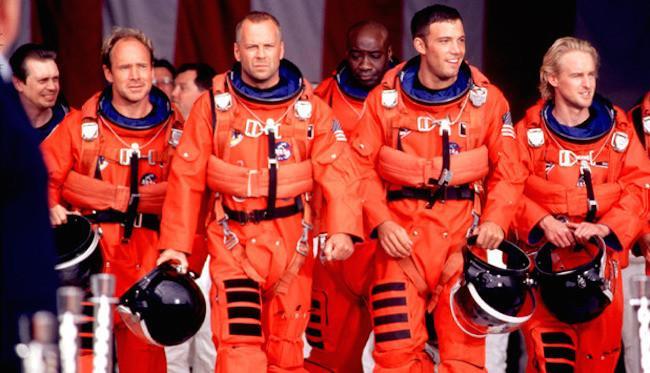
In Michael Bay’s space, no-one can hear you scream. But that’s only because it’s so damn loud up there. It’s 1998’s other “asteroid is going to wipe out humanity” film, the one that came out after Deep Impact but grossed more. NASA recruits ace driller Harry Stamper (Bruce Willis) and his team (including Will Patton, Steve Buscemi, Michael Clarke Duncan and Owen Wilson) to fly up to an asteroid the size of Texas, drill a hole in it, drop a massive nuke in and blow it into two bits that will bypass the Earth. Will humanity be saved? And will the tensions ever be resolved between Harry, his protégé AJ (Ben Affleck), and Harry’s daughter Grace (Liv Tyler) who, much against her dad’s will, wants to marry AJ? Houston, we have a problem.

Armageddon is the ultimate expression of Michael Bay’s style. With the camera swooping and rotating wildly around characters on the move, the fast-editing, the assault on the ears, the green-yellow-blue hue, every shot and line of dialogue in Armageddon feels like it was made to be inserted into a trailer. It’s an overlong onslaught (nearly two and a half hours) which rarely goes ten minutes without a sequence that features explosions, furious shouting and frantic camera movements. Most of the action in Armageddon is incoherent and the film rather neatly replicates the experience of being actually hit by a meteor.

For many people this is a guilty pleasure. But there is very little pleasure to be had here. By trying so hard to top Deep Impact – a film he hadn’t even seen at this point – Bay dials everything beyond 11. So much so it becomes exhausting. Half the action sequences (of which there are many) are impossible to understand, such is the fast editing and the way all the dialogue is screamed by the actors at each other, all at once, drowned out by bangs and crashes. The only dialogue you can actually make out in the film is of the “The United States government asked us to save the world. Anybody wanna say no?” variety, built for slotting into a trailer before some more bangs.

In fact the whole film is basically a massive trailer for itself. It’s unrelenting and after a while not a lot of fun. I guess if you catch it in the right mood it might just work. Bay gives it everything he has in his arsenal. But even he can’t overcome performances from his actors that range from bored and unengaged (Willis and Buscemi both fall into this category) to over-played grasping at epic-status (Affleck and Tyler fall into this one). Billy Bob Thornton comes out best with a wry shrug, knowing the whole film is bonkers but going with the ride.

Anyway, it all charges about a great deal, even while it never knows when to stop. In every situation one crisis is never enough – it’s best to have three at once. Not only does someone need to stay behind, but the asteroid is breaking up and the shuttle won’t take off! What a to-do! The film is desperate to excite you, like a 7 year old who wants to share the BEST-THING-EVER with you and doesn’t draw breath while telling you every single detail.

Of course, scientifically the film is nonsense, but that hardly matters. How NASA can know the comet being blown in two will create two bits that will miss the Earth (rather than two impacts or a whole load of debris) is unclear. Timeline wise – particularly early on – the film makes no sense. But then who goes to Bay looking for a science lecture? It even opens with a ponderous Charlton Heston voiceover, all part of the straining for grandeur.

It’s not even the best Bay film (that would surely be the far more enjoyable but equally overblown The Rock closely followed by the first Transformers film, the only one that doesn’t make you feel soiled after watching it). Armageddon could be a guilty pleasure. But really it’s terrible. You should just feel guilty.

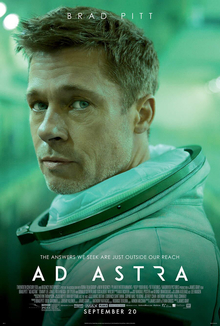
Ad Astra (2019)

Brad Pitt goes out to the stars in Ad Astra

Director: James Gray

Cast: Brad Pitt (Roy McBride), Tommy Lee Jones (H. Clifford McBride), Ruth Negga (Helen Lantos), Liv Tyler (Eve McBride), Donald Sutherland (Colonel Pruitt), John Ortiz (Lt General Rivas

Man has looked up at the stars for as long as we can remember and imagined what lies out there. From Gods to other intelligent life form, every culture has been drawn to imagine beyond the bounds of Earth and dream of finding what is out there. It’s a dream that powers the life of leading US Astronaut H. Clifford McBride (Tommy Lee Jones), who in “the near future” led “The Lima Project” to Neptune to try and find intelligent life beyond the Solar System. Now missing 17 years, Clifford’s son Roy (Brad Pitt) has become a leading astronaut, tasked with leading efforts to find his father after a series of devastating power surges damaging the planet and killing thousands are traced back to the Lima. So Roy embarks on an epic voyage, from Earth to mankind’s bases on the Moon and Mars to Neptune in quest of his father.

James Gray’s artfully made film yearns for a moral and thematic depth that it doesn’t quite manage to achieve. Its structure is heavily inspired by Hearts of Darkness, with Marlow and Kurtz twisted into a Son-Father dynamic and many of the stop offs on the way McBride encounters eerily reminiscent of the adventures of Marlow. Is there a longer trek down the river than crossing the Solar System? 

Within this framework, Gray throws in an earnest meditation on the nature of mankind’s yearnings and how our instincts collide between our dreams for an unattainable unknown and the world around us. All of this accompanied by Pitt’s Conradesque voiceover, as McBride muses over his own internal struggles, doubts, inadequacies, frustrations and sorry all bubbling beneath his calmly controlled exterior.

Its Pitt’s film and Ad Astra is a reminder that he is an actor who looks to push himself to his absolute limits. Here he carries the whole film, for long stretches alone, his eyes conveying the cool professionalism and self-control of McBride, along with his own far-more-fragile-than-appears psyche. Carrying burdens of loss and regret, McBride seems to see crises that he encounters in space as relief from his own internal struggles. Whenever the shit hits the fan, McBride is the coolest man in the room (his commanding officers admiringly state his pulse rate never seems to go above about 80 in even the most life-threatening situations) and from tumbling from the outer atmosphere, evading pirates in a moon buggy in space or manually landing a spacecraft, he never fails at his professional duty. Only when confronted with the emotions of his own life is he left with his composure fractured.

Pitt conveys the isolation and pain of McBride extremely well, with acting and expressions so subtle they carry all the more emotional force. It’s a controlled and perfectly judged performance that powers the entire film, and bears a lot of the thematic weight of Gray’s invention. 

Gray’s direction is powered by clear memories of 2001 and Solaris (although I also felt echoes of Danny Boyle’s space horror Sunshine in its fascination with the dread and danger of the vastness of space not to mention Christopher Nolan’s Interstellar). It looks fantastic with a wonderful score, ambitiously grasping for importance.

Episodic as it moves from location to location, Gray’s film creates a convincing world of the future, where mankind has disputed colonies on the moon (space pirates roam between bases, taking hostages like Somalian pirates), space travel is commercialised (by Virgin of course) and people live and die on a far-flung underground base on Mars. While I did briefly think about the enormous cost of all this space travel with its huge fuel consumption and debris of discarded rocket sections (how on earth is this commercially viable?), not to mention the trouble that would be involved in erecting giant neon cowboys on the Moon, it’s convincing.

Gray’s film wants to delve into the mysteries of humanity, and McBride Snr’s entire life has been dedicated to the quest for finding out that we are part of something larger than ourselves, that we are not alone. Gray wonders perhaps if this shark-like desire we have for moving forward, the ruthlessness we display in leaving the past behind in quest for the future, perhaps mars us as a species, prevents us from finding contentment around us and leads to us damaging this world we have been given in our search to make it larger.

But the more Gray’s film closes its grip, the more themes seem to slip through its fingers. The journey is compelling in its creation of a series of worlds, Brad Pitt’s dedicated performance, and the sense of danger and the array of questions that the film throws up. But while 2001 in many ways manages to feel like it is about everything and nothing, so wonderfully engrained is the magical poetry in its soul, here it feels like the film gets less and less engaging the further the journey goes. The destination sadly cannot match the voyage, however beautifully filmed that voyage is.

Instead when the film arrives, we find it becoming more and more bogged down in father-son issues that feel just cheaper and less interesting than the more spiritual and enigmatic concerns the film has for much of the rest of its running time. Not helped by a disengaged performance from Tommy Lee Jones, the more the film heads into this territory the more it seems to lose the depth it aimed for earlier. Late attempts to restore the enigma, mystery and universality don’t succeed to completely restore the feeling that this is classic science-fiction poetry. It’s a shame as Gray’s film as many wonderful moments, beautiful craft in its making and a wonderful performance by Pitt – but it feels in the end as about much less than it could have been. But for all this, there is a magic unknowingness about it that could have it hailed as a classic in years to come.