
 |
Oscar Isaac destroys something else (again) in misfire X-Men Apocalypse |
Director: Bryan Singer
Cast: James McAvoy (Charles Xavier/Professor X), Michael Fassbender (Erik Lehnsherr/Magneto), Jennifer Lawrence (Raven/Mystique), Oscar Isaac (Apocalypse), Nicholas Hoult (Hank McCoy/Beast), Rose Byrne (Moira MacTaggert), Evan Peters (Peter Maximoff/Quicksilver), Tye Sheridan (Scott Summers/Cyclops), Sophie Turner (Jean Grey), Olivia Munn (Psylocke), Kodi Smit-McPhee (Kurt Wagner/Nightcrawler), Alexander Shipp (Ororo Monroe/Storm), Lucas Till (Alex Summers/Havoc), Josh Helman (Colonel William Stryker), Ben Hardy (Angel)
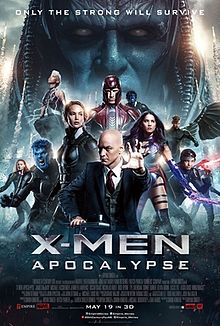
Where do you go with a franchise when you are on at least your second timeline (maybe more, who knows?) and earth-shattering destruction has been done so many times before? At one point in this movie, our young heroes head to the cinema to watch Return of the Jedi – with a genre savvy conversation following on whether the third film in a franchise is always the worst. You’d like to think if you were going to pop such a hostage to fortune in the third film of your franchise, then you’d be busting guts to make this film as stand-out as possible. Doesn’t happen.
It’s 1983. Charles (James McAvoy) is still running his school with Hank (Nicholas Hoult). Raven/Mystique (Jennifer Lawrence – looking for every single second as if she is only there by contractual obligation) is saving mutants left, right and centre on the underground. Magneto (Michael Fassbender) is living incognito in Germany with a wife and daughter. All that is about to be thrown into chaos when Apocalypse (Oscar Isaac, trying his very best to make an impression under piles of make-up), the very first mutant, rises from imprisonment after thousands of years. The most powerful mutant in history, he decides the world is ripe and ready for the taking.
In X-Men: Apocalypse, not only is more not more, but the film churns out emotional character and relationship beats, covered to exhaustion in other movies. One glance at Magneto’s family and anyone who has ever seen a movie is going to know they are not long for this world. Raven and Charles no sooner appear in the same frame than you know the two of them are going to struggle to reconcile their past with their different viewpoints. We’ve seen it all before – and you feel, in the slightly disengaged performances, that the cast have had enough as well. Even Apocalypse, for all his world-altering power, basically has the same agenda as every mutant villain this franchise has ever had before: Mutant Superiority.
Around these familiar plot beats, we get action that also feels culled from before. The film culminates in such earth-shattering destruction you really feel it should be more exciting, but instead it feels tediously familiar. How many times have we seen cities devastated like this? It’s such a cliché that the millions of people who must have died in the planet-wide obliteration that consumes the final third of the film don’t even merit a mention. It’s like the world treats this global destruction with the same meh that you feel a number of the film’s viewers do.
But then the whole film has a weary sense of inevitability about it, of going through the motions. The plot makes little or no sense. Apocalypse is awoken by a cult we never hear from again, the whole film takes place in a few days, barely enough time to build up any sense of peril – but also somehow too short a time for the vast number of comings-together of different characters to feel natural. Characters from past films are thrown in willy-nilly, often for no real reason. So from the first scene we have Moira MacTaggert and Havoc back from the first film, then Quicksilver is back to repeat his bullet-time action from Days of Future Past (saying that, this sequence, as Quicksilver rushes to save people from an exploding mansion to the tune of Sweet Dreams, is the most vibrantly enjoyable moment in the film). We even get Stryker back, a character who becomes more and more of a cartoony villainous idiot each time he appears.

In between these points, the film frequently misses its beats. Apocalypse’s assembled group of mutant followers are assembled with such casual indifference (Apocalypse basically seems to pick up the first four mutants he meets) that their characters and motivations barely register. Obviously we know Storm is destined to be a goodie, so we get a few seconds of establishment that she is basically a goodie. Magneto gets his painfully predictable backstory (Michael Fassbender is by the way totally wasted in this movie, forced to repeat the same notes over and over again from the last two films). The other two barely make an impression – other than perhaps Olivia Munn’s unbelievably fanservice costume.
But it also makes more serious errors. A hideously distasteful moment sees Magneto destroy the whole of Auschwitz in a rage. There is, quite frankly, something more than a little stomach turning about the site of a real atrocity – where millions died – being blown away on screen like any other major landmark. Even more disgusting to have it serve as a shallow, over-exploited “he feels pain because he was in the Holocaust” moment. Other times in this series this link has worked – here it manifestly doesn’t.
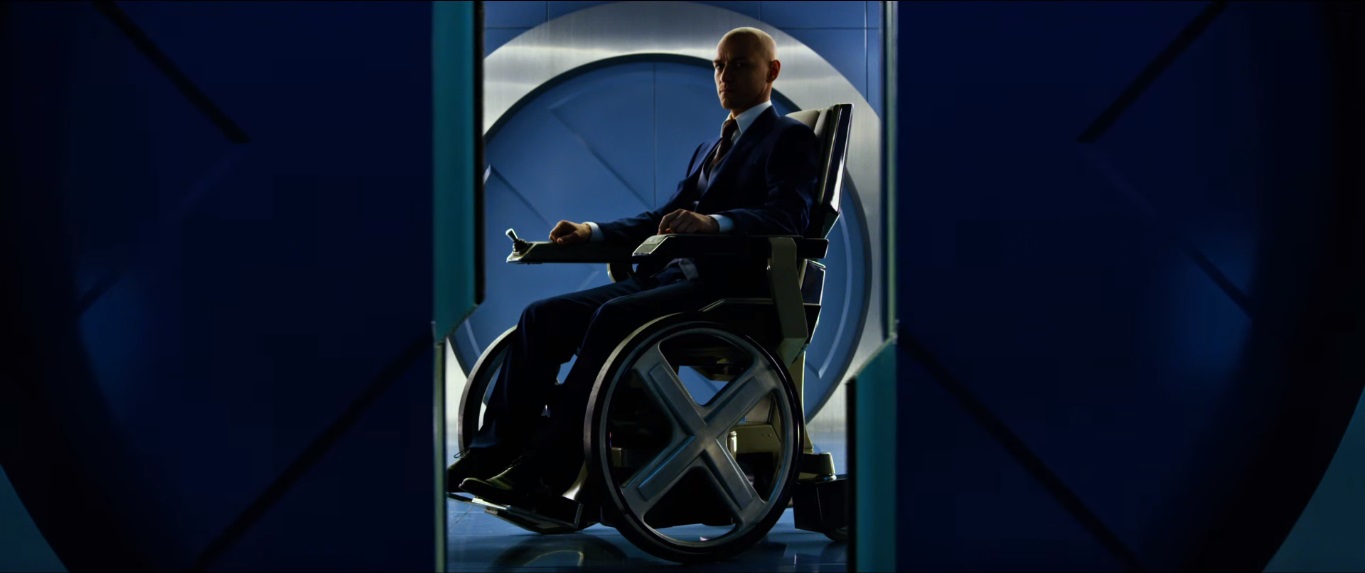
About the only thing that really works here is the darker interpretation of Charles – McAvoy making it clear that events have made Xavier far more willing to go to dangerous ends to protect his family – and there is a neat replay of the first conversation between Xavier and Magneto from the very first film in the franchise, with the stresses all changed to show that their positions have developed in a far different way in this new timeline. But that’s the only real moment that feels new.
But I’ve still got a certain affection for these X-Men movies, and this isn’t the worst one they’ve ever made (that’s always going to be X-Men Origins: Wolverine), but it’s up there. It somehow doesn’t feel special, more like a film that had to be made for legal and financial reasons, rather than because there seemed like a decent story to be told, or something unique to be said. The rushed plot and lack of engaging characters make more sense when you think about it like that. It’s nothing special at all, and seems to pass in front of your eyes and then just as quickly out of your memory.


 Movie Musings