

Shallowness, selfishness and self-indulgence swirl in Renoir’s masterpiece, that plays like a giant metaphor for Europe in the 1930s
Director: Jean Renoir
Cast: Nora Gregor (Marquise Christine de la Chesnaye), Paulette Dubost (Lisette Schumacher), Marcel Dalio (Robert, Maquis de la Chesnaye), Roland Toutain (André Jurieux), Jean Renoir (Octave), Mila Parély (Geneviève de Marras), Julian Carette (Marceau), Gaston Modot (Edouard Schumacher), Anne Mayen (Jackie), Pierre Magnier (The General), Léon Larive (Chef)

When you are at the top of society, the rules bend to your will. They are, after all, for the little people. Get to the very top and life is all a game anyway – birth, death, marriages they are just movements in a great dance, none need cause you any concern if you don’t let them. Renoir’s masterpiece La Règle du Jeu explores in microcosm a whole fractured society of pampered, myopic focus on immediate pleasures, outweighing real life tragedies. And, whether at the top of bottom of the social ladder, no one seems able to move beyond a blasé and shallow attitude to life.
La Règle du Jeu is set at a weekend shooting party in the French countryside, hosted by Robert, Maquis de la Chesnaye (Marcel Dalio). Robert is married to a German wife, Christine (Nora Gregor) but having an affair with Geneviève (Mila Parély). But that’s fine, Christine is having a half-hearted affair with naïve airman André Jurieux (Roland Toutain). Below stairs, Christine’s maid Lisette (Paulette Dubost) yawns through her boring marriage with stuffy groundskeeper, the German Schumacher (Gaston Modot) by flirting with cheeky poacher-turned-employee Marceau (Julian Carette). Over the weekend, flirtations and affairs simmer to the boil, with Octave (Jean Renoir), a family friend, moving uneasily between parties trying to do the right thing.
The timing of Renoir’s film could not have been better. The story of people, as he put it, “dancing on the volcano” found its way into cinemas in July 1939. Europe was on the edge of the precipice. Within a year France would be literally ripped in two by Hitler. And here was Renoir releasing a blackly dark drawing room comedy, with its characters obsessed about small, shallow and trivial details and utterly ignorant of the world around them. Even worse, when violence and death intrude, it’s brushed under the carpet. It was a film that embodied the head-in-the-sand attitude of France, a country just months away from being steam-rollered by the Nazi war machine.
It wasn’t until 1959 that it was rediscovered and took its place as one of the great films. Renoir creates both a delightfully dark and droll comedy of manners, but also a rich and overwhelming metaphor for global chaos. Everything here is magnificent surface, with everyone pretending they are fine, upright citizens while flitting in and out of each other’s beds and never letting anything like morals or genuine emotions intrude. The game demands life be played as lightly as possible.
Everyone seems to know everything, but it’s all a joke. Robert is sleeping with the imperiously bitter Geneviève – so he seems less bothered about his wife Christine’s affair with airman André. Renoir’s film opens with André’s return from a cross-Atlantic flight. The media swarm around him, but André retreats into a funk when he sees Christine is not there to greet him. Even would-be heroes in this film are insular and self-obsessed. Toutain makes André strangely pathetic (you wonder – as does she at times – what the cultured and daring Christine saw in someone so prone to self-pity and devoid of drive). He whines about an affair which won’t take fire, does nothing to drive it and turns a car accident suicide attempt into a sulky fit of pique. He’s neither a romantic hero or a tragic figure.
But then no-one fills their role. Robert hosts the event, but he’s a strangely winsome, at times insecure figure (Dalio used his personal unease as a Jewish actor cast in a very Aryan role to skilled effect). He both puffs about how he doesn’t care about conventions – willingly inviting his wife’s lover to the weekend – but is also a fussy, eccentric figure who delights in clockwork machines and amateur theatricals. He has a casual, playboy attitude to money and life – everything comes easy, so he values very little. He doesn’t like conflict, preferring to let people off the hook, partly why he’s keen to end his relationship with Geneviève as he can’t bear the idea of Christine finding out.
Christine, played with a very effective awkwardness by Nora Gregor, feels surprisingly out of place among this social mileu. She’s consciously aware of her German background, looks uncomfortable in fine clothes, doesn’t enjoy social events and seems less assured than her bolshy, irreverent maid Lisette. She seems less like a Countess than Geneviève, played with cool austere sharpness by Mila Parély. Christine shrugs off the arrival of her lover André (to the respect of all) but on discovering her husband’s parallel affair seems unsure how to deal with it: she goes from bouncing mutual jokes about Robert with his lover, to considering half the household as potential elopement mates. Renoir felt Gregor was uncomfortable in the role – but her discomfort works superbly.
At the heart of this weekend retreat – and the film itself – is a brutish, extended hunting sequence. Renoir, who loathed the killing of animals, knew that nothing speaks more about the nature of man than how he treats those weaker than himself. The hunt is machine-like in its rounding up of birds, rabbits and other animals to be blazed down by the rich and powerful, with the carcasses chucked into the back of a van and never thought of again. Renoir shoots a single rabbit death with intense sympathy, the creature halting then curling itself vainly into a ball in its death throws. It reminds us queasily not only of the blood baths in fields like this only 20 years earlier, but also the carnage to come. It also foreshadows the death the film ends on, the victim falling as pathetically as the rabbits.
This same hunting party is also the catalyst for a string of disasters. Marcel Dalio’s Robert spontaneously affronts the tiresomely officious Schumacher (an unbending, unsympathetic Gaston Modet, rigid in his Prussian militarism) by not only shrugging his shoulders at the actions of charming poacher Marceau (a Hancock-ish Julian Carette, as charmingly amoral as anyone in the film) but actually hiring him. Needless to say, Marceau is less grateful and more delighted at the opportunities for shamelessness this presents him with and instantly attempts to seduce the maid Lisette (a coquetteish Paulette Dubost), setting him on a collision course with Schumacher. All stemming from Robert’s blasé indifference to rules and the contempt for hierarchy only those at the top can afford.
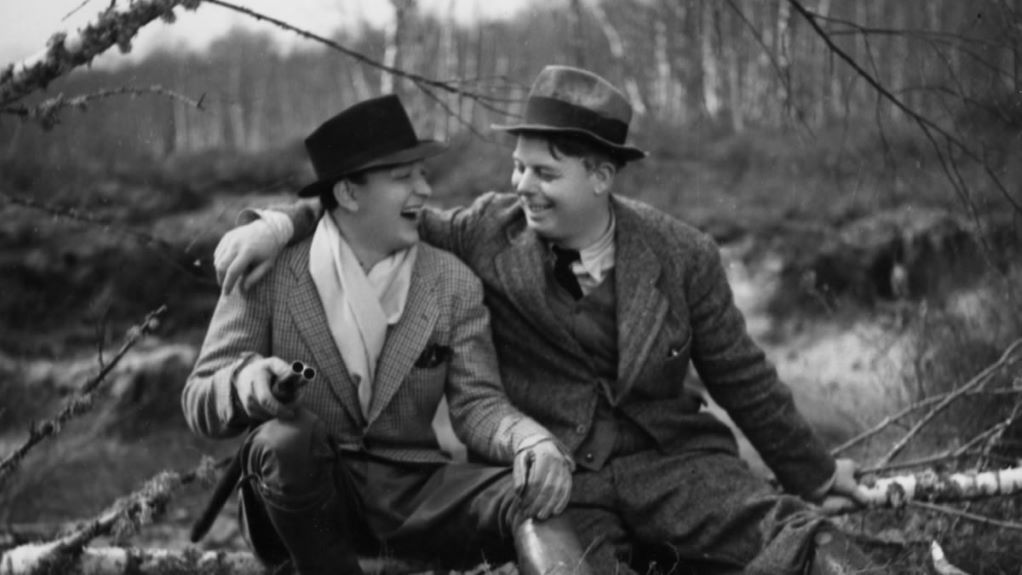
Renoir brings all these events together in a series of masterful sequences. This is a film that frequently shifts in tone and transition. The film moves so comfortably between storylines, from upstairs and downstairs, that it’s unfocused and meandering narrative reflects its themes and delivery. Above all, Renoir yet again demonstrates his mastery of marrying film and theatre. La Règle du Jeu could be a classic piece of farce, but is constructed with the skill of a master cineaste.
Much of the final act of the film is taken up with a truly sublime sequence, edited and shot to perfection, that sees all plotlines and entanglements intermingle in a dinner party. Renoir’s camera roves and tracks through the house. Events and characters play out in the back of scenes, while our focus is elsewhere. Figures at the edge of the frame suddenly seize the camera’s attention. We’ll move rooms and characters we left five minutes ago will march in continuing arguments. It’s a breathtaking display of planning, narrative and cinematic panache, expertly directed.
Renoir himself, as Octave, is the closest thing we have to either an audience surrogate or master of ceremonies. Of course, he’s neither of these things: he’s a clumsy bear of a man (even dressing as a dancing bear for the amateur theatricals), who tries to do the right thing out of stubbornness and masochistic pride. He pushes André and Christine together even though he loves Christine – in fact he sets at it with more energy than either of them. He fantasises about himself as a conductor, and that’s what he wants to be: controlling the dance rather than playing the tune. But he’s clueless, clumsy and ineffective and his actions inadvertently push a man to his death.
That death ends the film. Renoir triumphantly doesn’t make this epic or even tragic – it’s a clumsy case of mis-identity, the victim of one of these unhappy lovers settling accounts and picking the wrong person. But the game goes on: everyone pulls together to re-establish the status quo and stress it was an all accident, no one should feel bad, these things happen and everyone back to your drinks. Master and servant come together to keep the status quo ticking over and nothing is allowed to intrude on life. It’s a stage-managed ending that allows nothing to be learned and nothing to change.
After all, the rules mustn’t be changed when everyone is comfortable with them. La Règle du Jeu is a masterful metaphor for an entire society where shallowness, selfishness and self-indulgence win out over duty and decency. Everyone we see is preoccupied only with their own desires, from the whimsy of Robert to the flirtations of Lisette, the self-pity of André and Octave’s desire to influence the narrative. It whirls round and round like a merry-go-round until someone falls off and dies. The volcano is primed to explode, but the dance goes blithely on.


 Movie Musings