Category: Superhero film

The Dark Knight (2008)

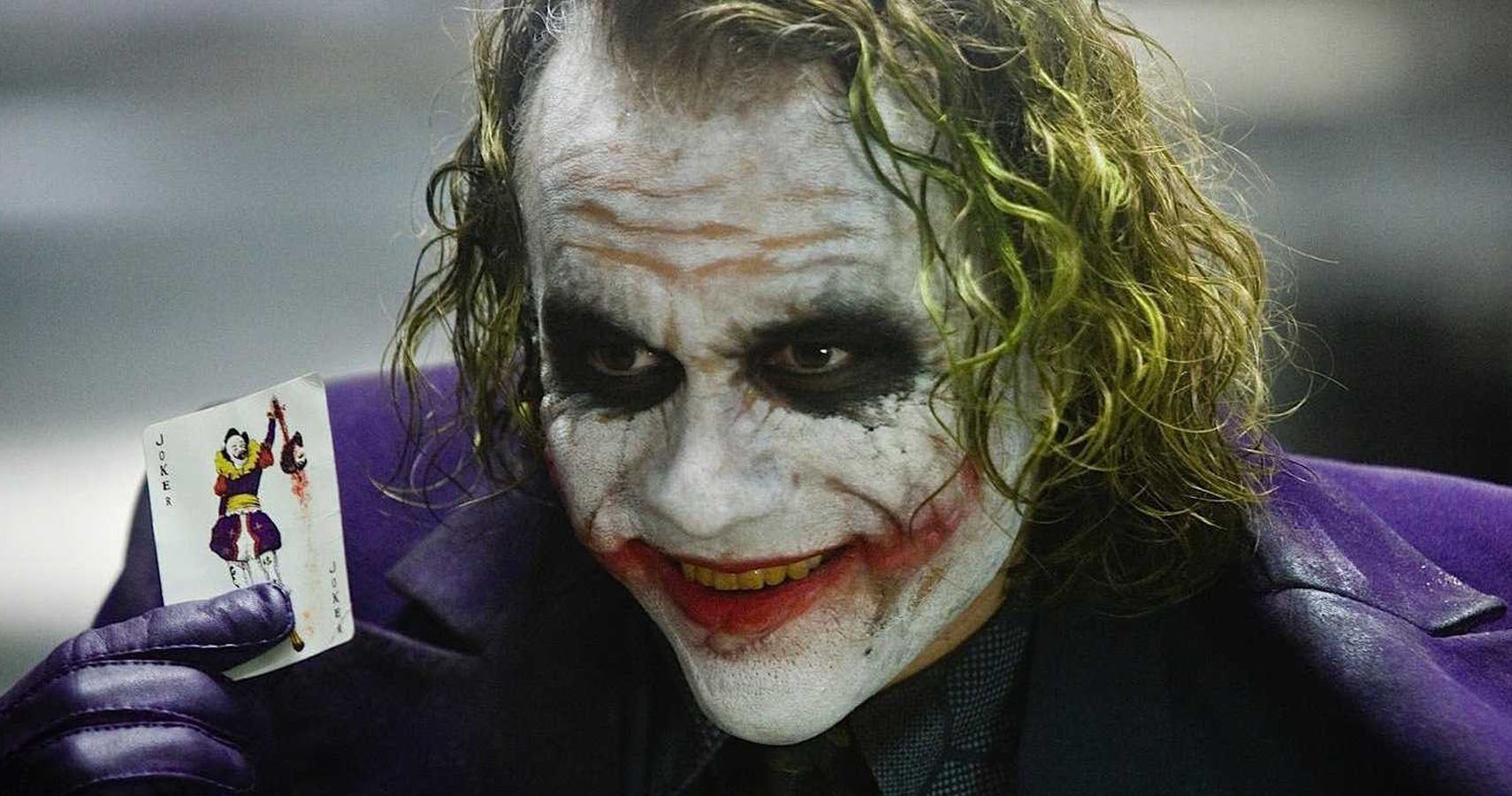
Heath Ledger leaves a great legacy as The Joker in The Dark Knight

Director: Christopher Nolan

Cast: Christian Bale (Bruce Wayne/Batman), Michael Caine (Alfred Pennyworth), Heath Ledger (The Joker), Gary Oldman (Lt James Gordon), Aaron Eckhart (Harvey Dent), Maggie Gyllenhaal (Rachel Dawes), Morgan Freeman (Lucius Fox), Eric Roberts (Sal Maroni), Monique Gabriela Curnen (Detective Ramirez), Ng Chn Han (Lau), Ritchie Oster (The Chechan), Colin McFarlane (Commissioner Loeb) Anthony Michael Hall (Mike Engel), Joshua Harto (Coleman Reese), Cillian Murphy (Scarecrow)
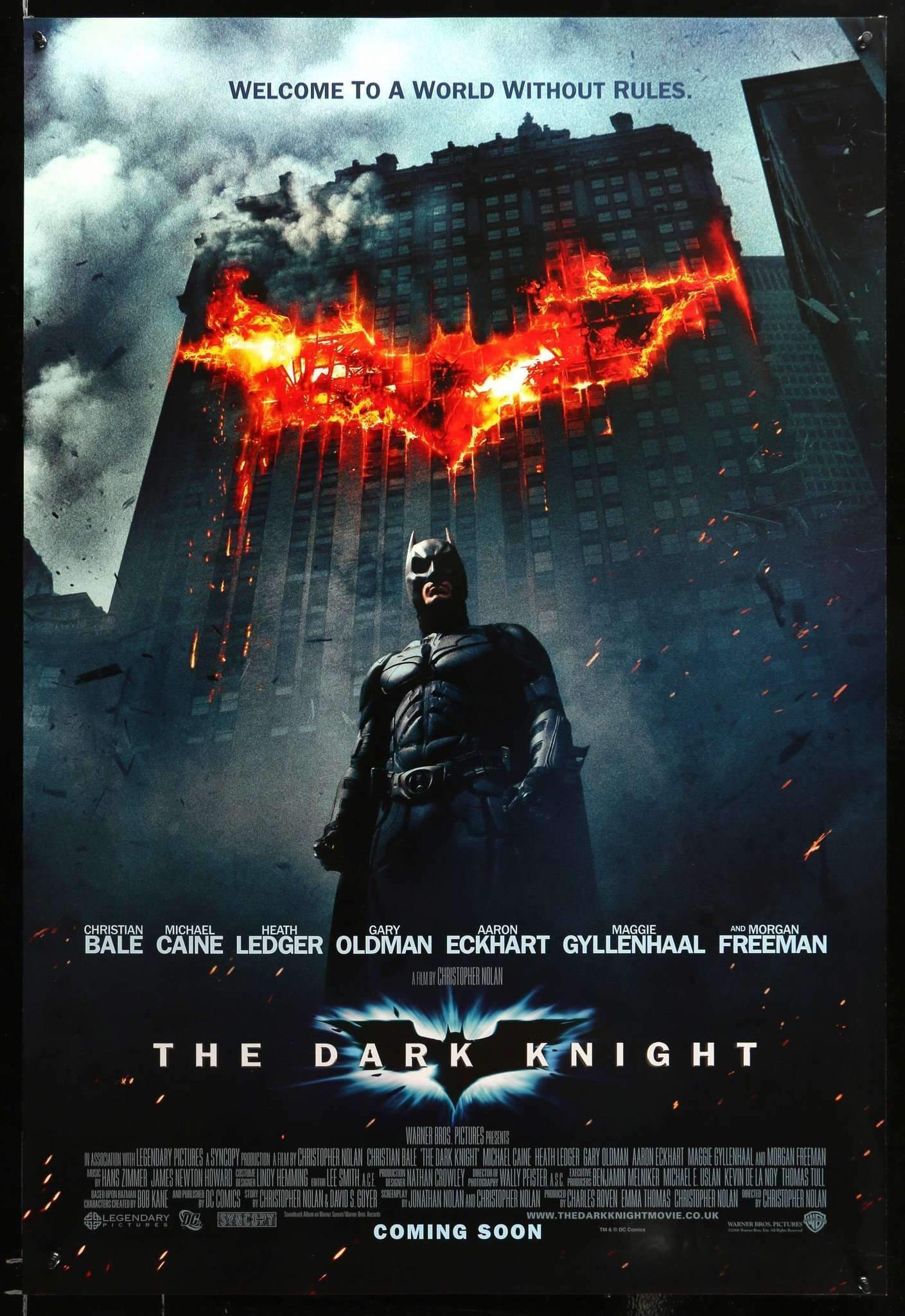
Christopher Nolan’s Batman Begins reset the table for superhero films. The Dark Knight took that table, picked it up, overturned it and rebuilt it from scratch. This influential film is certainly the greatest superhero film ever made and the calling card Nolan will carry for the rest of his life. Its exclusion from the 2008 Best Picture list at the Oscars (and Nolan’s snubbing for Best Director) was so widely condemned as snobbery (especially as the slot went to the atrocious awards-bait The Reader, a film even Oscar-host Hugh Jackman quipped he hadn’t seen) it led to the Oscars doubling the number of Best Picture Nominees (something benefiting several genre films inferior to this one). The Dark Knight declared forever superhero films could be proper films with characters, intriguing stories and interesting things to say.

It’s been a year or so since Bruce Wayne (Christian Bale) began his caped crusade as Batman, wiping out organised crime in the city. District Attorney Harvey Dent (Aaron Eckhart) – working closely with Bruce’s childhood sweetheart Rachael Dawes (Maggie Gyllenhaal) – has launched his own tough on crime crusade that has led to many mobsters landing behind bars. In the police force, Lt James Gordon (Gary Oldman – superb as a man whose good intentions lead to great harm) is straightening out the most bent police force on record. Now the gangs are desperate and in retreat – so desperate that they turn to the sort of dangerous, anarchic freak they would never usually countenance working with: a man known only as The Joker (Heath Ledger). The Joker though has his own plans for the city, for Batman and his own crazed ideas of social anarchy.

The Dark Knight is told on a huge scale: but Nolan never once loses sense of the fact this is an adventure film, while making sure that it explores ideas around society and humanity that leaves most high-brow films standing. Sumptuously made, a technical marvel it has set-pieces that stand with the greatest in cinema, dialogue that is crisp and brimming with intelligence and every performance in it excels. Nolan’s cinematic verve creates a film that always feels fresh.

It’s hard not to reflect on the film without remembering the tragic death of Heath Ledger. A controversial choice for the Joker – despite Brokeback Mountain he was seen by many as a lightweight actor – Ledger’s performance is astounding. He radically redefines the character, giving every scene an eerie edge somewhere between violence and black comedy. His Joker has the bowed head and animalistic prowling of a hyena (along with the laugh), a snake-like licking exploration of his facial wounds, a voice that switches from a deep baritone to a high-pitched giggle.

He’s dangerously, psychotically violent, with a dark, demonic delight in mayhem, a wickedness that is not funny so much as unsettlingly comic and an unpredictability laced with a sharp and intimidating intelligence. Ledger essentially redefined a character who had existed for decades. It’s an extraordinary performance, winning numerous awards, that stands as the definitive interpretation of the character as a scuzzy, streetwise hood with the willingness to do anything at all.

The Joker is the channel Nolan’s film uses to explore fascinating ideas around order and chaos, and the clash between anarchy and rules. Nolan understands that, for all his confused psyche – heading out to beat up criminals for his nightly activities – Batman is a bastion of law and order and moral righteousness. He’s a fiercely ordered and meticulous man, who plans several steps ahead of his enemies, holds rigidly to a moral code and has the confidence (arrogance?) to believe he is best placed to make the big calls for the many. They are personally traits he shares with all the films heroes: he, Gordon and Dent are all men who harvest long-term plans to deliver mass benefits.

Standing against them is their antithesis. The Joker believes principles are bunkum, with life motivated by randomness and selfishness. These are polar opposite theories of life being explored here – and the Joker’s plans (such as they are) are to show that mankind is, at heart, an awful, terrible thing that can only destroy. But the schemes of our heroes also smack of arrogance and control – a sense of almost divine certainty in their righteousness.

Basically, what we get here is a discussion on our fear of anarchy. Deep down we all like conspiracy theories, because it shows someone is in charge. Randomness is terrifying. We all like to feel there is an organising force behind events – no one wants to meet their end by the toss of coin. We feel comforted by being part of an overall plan – even if it’s a plan for our demise. The Joker’s power comes not from his skills in themselves, but his willingness to break all rules and destroy anything and anyone at any time for any reason. There is no protecting against this. And it’s terrifying.

Nolan introduces the concept – and the character’s warped way of thinking – from the very start. The stunning opening sequence features a bank heist (with a neat cameo from Heat veteran William Fichtner – a deliberate homage) where the Joker has devised a ragged, but brutal plan which involves each member of the gang offing each other in turn (not that they are aware of that!). It’s a blazingly, triumphantly cinematic opening and a brilliant entrée to Nolan’s superbly directed, engrossing film.

While juggling intelligent ideas it’s also a brilliant, edge-of-the-seat ride crammed with jaw-dropping set-pieces. Each of them is underpinned by that rich psychological clash. Bruce Wayne is trapped in tactics utterly unsuited for his opponent, his assumption that criminals are simple people motivated by greed. Even worse, the Joker delights in identifying the clear lines Batman won’t cross, and dances right across them, wiping out the psychological advantages that Batman has over other criminals: once the Joker establishes Batman will never kill him, he forever knows he has the upper-hand.
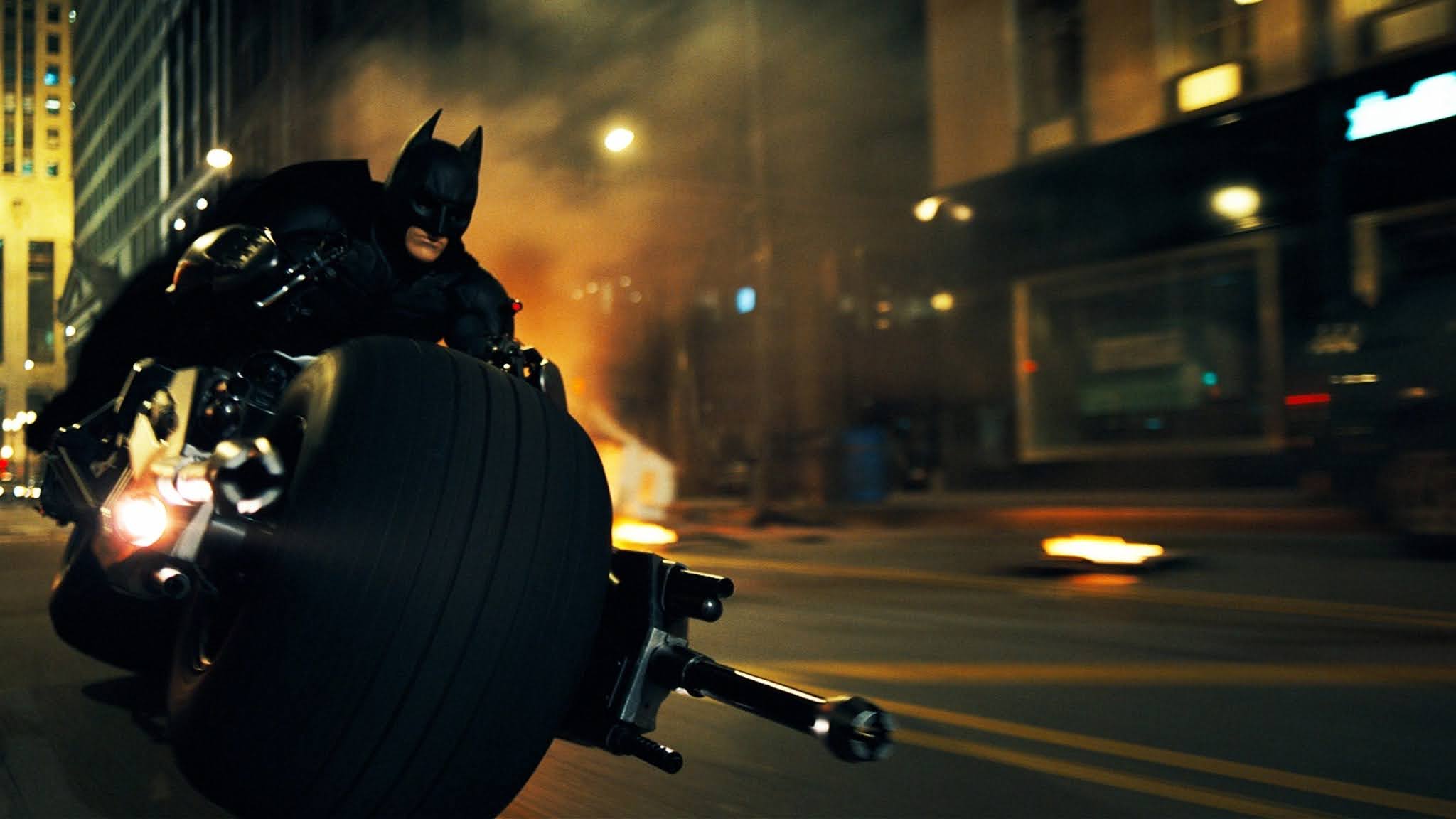
Bravely the film ends not with a bang, but a character-driven, personal three-way confrontation between its three heroes (Batman, Gordon and Dent), low-key but bubbling with resentments, fury and pain. It’s a perfect cap – and a capturing of the film’s argument that the greatest damage people like the Joker can cause is not to our property but to our souls.

It’s easy in all this to overlook Christian Bale, but he is wonderful as Wayne (and again this is a film that is as much, if not more, about Wayne than Batman). Increasingly distancing himself from people – his last links to human warmth being Alfred (Michael Caine, again in wonderful mentor form) and Rachel Dawes (re-cast to terrific effect with Maggie Gyllenhaal, who brings wonderful depth and complexity to the role) – Wayne carries a martyr complex, damaging to his psyche.

Nolan’s film is a dense and rich thematic exploration of chaos and certainty which expertly combines thills and actions with a character driven plot. Superbly acted, wonderfully paced, rich and intelligent – with a genre defining performance by Ledger – this is truly great film-making, one of the greatest blockbusters of all time.
Watchmen (2009)

Watchmen (2009)


Morally complex heroes in Zach Snyder’s visually impressive but slightly empty Watchmen

Director: Zach Snyder

Cast: Malin Åkerman (Laurie Jupiter/Silk Spectre II), Billy Crudup (Jon Osterman/Dr Manhattan), Matthew Goode (Adrian Veidt/Ozymandias), Jackie Earle Haley (Walter Kovacs/Rorschach), Patrick Wilson (Daniel Dreiberg/Nite Owl II), Jeffrey Dean Morgan (Edward Blake/Comedian), Carla Gugino (Sally Jupiter/Silk Spectre), Matt Frewer (Edgar Jacobi/Moloch), Stephen McHattie (Hollis Mason/Nite Owl)

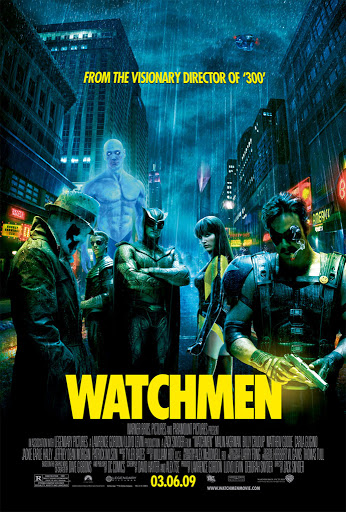
If you asked people to name the greatest Graphic Novel Ever, chances are they would come up with Alan Moore’s Watchmen. This scintillating deconstruction of superheroes and the morality of caped avenging satirises what the impact of superheroes in a real world might be. It had taken decades – and several cancelled attempts – to get a version to the screen. So, if nothing else, Zach Snyder deserves plaudits for merely persuading Hollywood executives to get this expensive, R-rated, morally complex film to the screen. Sure, the final result isn’t perfect, but it’s got a fair bit going for it.

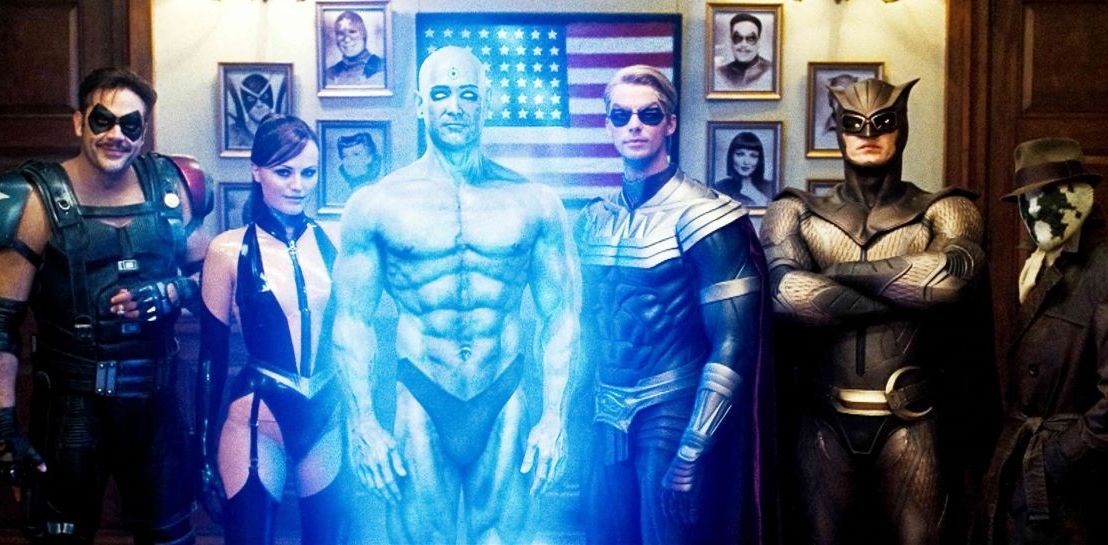
Watchmen is set in an alternative 1985 where Richard Nixon is serving his fourth term and the Armageddon of Nuclear war is just around the corner. Masked vigilantes had been a common sight on the streets – although banned since 1977. The Vietnam war was won (in a few days) by the God-like Dr Manhattan (Billy Crudup), a scientist granted superhuman powers in 1959 after an accident with a field generator. Most other vigilantes are retired, other than right-wing bully the Comedian (Jeffrey Dean Morgan). When the Comedian is murdered by a masked intruder, his fellow members of superhero group the Watchmen, worry someone is eliminating them for reasons unknown.

Snyder’s Watchmen is a visual feast. Snyder – a huge fan of the graphic novel – used it as a visual bible, quoting it in several frames. The film is a beautiful mix of dark, filmic visuals and striking comic book primary colours, while frequently embracing the inky black murkiness of the violent world its depicting. Shot with the same high energy and dynamism as 300, Snyder’s ability to turn pulpy Warhol inspired visuals into fast-paced, filmic action is second-to-none.

What however is more of a shame is the feeling that the main things in Watchmen that interest Snyder might be the visuals. Where the film sometimes fails to come to life is where it deals with the complex morality of its heroes. The original deconstructed the morality of heroes. How a man with the powers of a God could come to look on humanity with an (albeit affectionate) distance. How a masked PI would be so convinced that right and wrong were certain that he would be willing to carry out acts of bone-crunching violence. That a hero could calculate sacrificing millions of lives for the greater good isn’t just acceptable, its recommended. That for others the exhilaration of spending their nights beating up criminals is an escape from the mundane realities of life.

The problem is that Watchmen never quite gets to the heart of these moral questions, of really tackling the rights, wrongs and shades of grey of those ethical quandaries. Rather than delving into them, ideas are too often stated. While its daring for a film to include heroes who are as deeply flawed, violent and, at times, even as unpleasant as this – it still doesn’t quite flesh out the complexities of this.

Too often the film takes a naughty pleasure in its violence and brutality, seeing that as a short-hand for presenting a morally unclear world. And at times wants us to go “how cool is that!” rather than asking “should I be enjoying watching indiscriminate slaughter from a vigilante”. Its telling that the recent HBO series of Watchmen – a sequel to the Graphic Novel set in the modern world – feels more like a true adaptation of the source material than this. That dealt with fascinating ideas about race in America, morality and acceptable sacrifices for the greater good (and still managed to work in plenty of action). By comparison, this film of the source material itself feels less deep. Now of course run time is part of that, but it should have been possible to make a film this long that more successfully combined ideas and visuals.

Snyder’s passion for the material is clear – but the film is often a little too obvious. From cuts to musical cues, it’s a film that pushes the envelope only in terms of its look and feel. It tries its best, but its vision of transmitting the depths of the original sometimes seem to stop at a faithful visual rendition of its style.

But it’s made with a lot of love and passion, not least in the acting. The decision to go largely with unknown actors pays off very well. Earle Haley brilliantly channels his character from the graphic book, a prickly obsessive with an unshakeable moral certainty. Crudup perfectly conveys the vast moral distance a real Superman would probably feel towards normal people. Goode’s chilling coldness and arrogance is perfect. Wilson gives the film heart as the closest thing to a genuinely decent guy. Åkerman does her best with a part that feels slightly underwritten and at times a plot requirement, largely defined by the emotions she provokes in the male character.

There are plenty of excellent moments in Watchmen but I’m not sure it ever really, truly becomes its own thing (in the way the HBO series did manage to do). In trying to so completely ape the visuals, and fit in all the plot, it becomes a companion piece rather than a stand-alone production. If Snyder had perhaps had a bit more courage to tack away from the strict structures of the original source material it could perhaps have helped make a stronger film. However, saying that I can imagine the fans hitting the roof if he had… And Snyder’s ability to persuade the studio to make a film with such a nihilist feel and ending is to be commended. Watchmen is a mixed bag, but when it works it does work well.

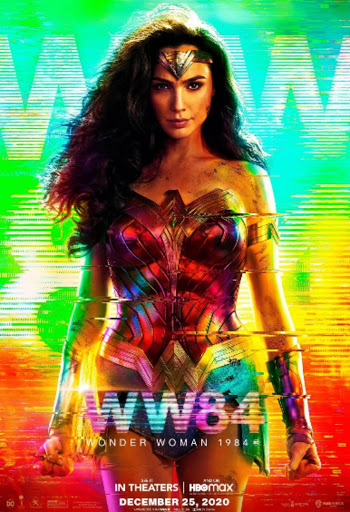
Wonder Woman 1984 (2020)

wonder woman 1984
Gal Gadot is delightful again in superior sequel Wonder Woman 1984

Director: Patty Jenkins

Cast: Gal Gadot (Diana Prince/Wonder Woman), Chris Pine (Steve Trevor), Kristen Wiig (Dr Barbara Minerva), Pedro Pascal (Maxwell Lord), Robin Wright (Antiope), Connie Nielsen (Hippolyta), Kristogger Polaha (Handsome man), Lucian Perez (Alistair), Ravi Patel (Baba Jide), Oliver Cotton (Simon Stagg), Stuart Milligan (President of the United States)

Wonder Woman in 2017 received the sort of rave reviews superhero films dream of. It was refreshing to have an action flick with a woman as the driving force. But Wonder Woman was, aside from that, very much a conventional superhero origins movie, with little truly original about it. Perhaps memories of it as being more revolutionary than it in fact was, lie behind the more hesitant critical reaction to Wonder Woman 1984, in many ways a more entertaining and smarter film.

In 1984, Diana Prince (Gal Gadot) works at the Smithsonian, and fights for justice in her spare time as Wonder Woman (it’s not clear how she this striking woman manages to keep her identity secret bar smashing a few CCTV cameras). However, she leads a private and lonely life, still mourning the death of Steve Trevor (Chris Pine) during the First World War. Her confidence is admired by her ditzy and nervous (and clearly smitten!) colleague Dr Barbara Minerva (Kristen Wiig), who longs to be like her. An exhibit arrives at the Smithsonian – a mysterious stone that legend has it will grant any wish that the person holding it asks. Diana, in a whimsical moment, wishes for the return of Steve – and is shocked when a man claiming to be Steve appears in her life. Dr Minerva meanwhile wishes to be like Diana in every way – little knowing her secret powers. But the stone has other people interested in it: it could be just the tool that ambitious, but failed, entrepreneur Maxwell Lord (Pedro Pascal) needs to turn his life around. But is there a cost for all this gift giving? What will the stone take in return – and can humanity survive a world where the slightest wish could come true?

Wonder Woman 1984 has a clear theme: taking the easy path might help you to get what you want, but an unearned victory is never a true one. It’s a concept introduced from the start, in an opening flashback section where a child Diana takes a shortcut in an Olympics race, and is denied victory by her mentor Antiope (Robin Wright in a welcome cameo). Antiope, in the way of all mentors, reminds her we learn lessons from loss and defeat, and short-cutting around failure never pays off in the end. It’s a clear message that being granted your wishes without working for them is empty.

And of course there is a cost! The stone takes from you the thing you value most, in exchange for what you want the most. In Diana’s case – having made her wish unknowingly, in a single moment of whimsy – what she loses is her strength, the thing that makes possible the thing she values most: her ability to change the world for the better. In turn, when Barbara wishes to be like Diana, the stone takes from her the very humanity that made her such an endearing and sweet person.

These sort of exchanges are not new to anyone who has ever read a fairy tale. But they are told here with refreshing honesty, not to mention a certain level of charm. Above all, this simple morality tale works because we are invested in the characters. Even without the memory of their relationship from the first film, Gadot and Pine are so likeable and charming in this film (Pine in particular is a delight, his eyes filling with wonder at the modern era – from a childish glee at escalators to tear-filled awe at the space programme) that, even though you know from the start what they are doing is “wrong” (after all Steve is inhabiting another man’s body, and every audience eventually the hero needs to do the right thing and give that body back), you still feel their joy at being together and Diana’s anguish at the thought of giving up the only (selfish) thing she’s ever wanted.

The same is true for the other two characters affected by the stone. Although nominally villains, both Wiig and Pascal play characters who, if anything, are deeply-flawed anti-heroes. Wiig is absolutely endearing as the gentle and shy Barbara, so much so it’s heartbreaking to see her freeze up as the film progresses. Pascal is hilariously overblown as a wannabe Gordon Gekko, but his relationship with his son is nicely drawn and his character is tinged with an underlying insecurity. Wonder Woman 1984 is refreshing in that it doesn’t present heroes and villains, but ordinary people needing to find the courage to reject their dreams for reality. Some do, others don’t.

It’s not a perfect film by a long stretch. As with the previous film, a final act fight scene lacks humanity and is dull. The film is probably fifteen minutes overlong. The various action scenes are well staged, but lack freshness. Some of the humour doesn’t always land. It’s hard not to snigger at a late act revelation of a new power for Wonder Woman. And while the film thankfully avoids the crassness of the first and its trenches setting, a photo of Wonder Woman helping to liberate concentration camps feels horrendously out of place (it’s meant to show her goodness, but I just wondered why on earth did she wait so long to do anything about the Holocaust?).

But the bad is outweighed by the good in a genuinely entertaining and charming movie whose freshness and lightness exceeds the original. Gal Gadot is still wonderful in the lead role – determined but sweet – Chris Pine does some of his best work and Wiig and Pascal are very good. I’d confidently say this is a better film than the first, a richer character study inspired by fairy tales, that really gets to the emotional heart of its lead character. I may be alone in that, but that’s what I think.

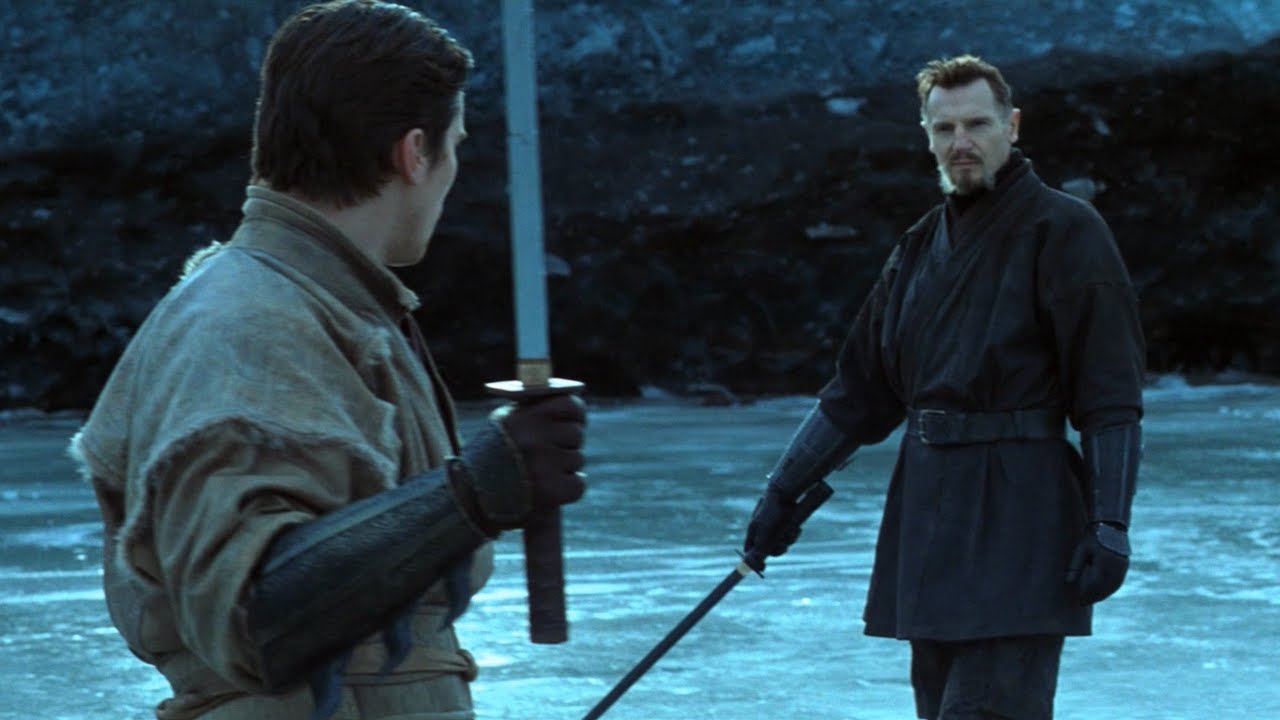
Batman Begins (2005)

Christian Bale redeems the Batman in Batman Begins

Director: Christopher Nolan

Cast: Christian Bale (Bruce Wayne/Batman), Michael Caine (Alfred Pennyworth), Liam Neeson (Henri Ducard), Katie Holmes (Rachel Dawes), Gary Oldman (Lt James Gordon), Morgan Freeman (Lucius Fox), Cillian Murphy (Dr Jonathan Crane/Scarecrow), Tom Wilkinson (Carmine Falcone), Rutger Hauer (William Earle), Ken Watanabe (Ra’s al Ghul), Mark Boone Jnr (Detective Arnold Flass), Linus Roache (Thomas Wayne), Colin McFarlane (Commissioner Loeb)

In the mid-2000s, Batman on film was a joke. A series that started with the Gothic darkness of Tim Burton had collapsed into the pantomime campness of Joel Schumacher. The franchise was functionally dead, so why hot burn it all down and start again from scratch. It was a radical idea – one of the first big “reboots” of a comic book saga. It was a triumphant success, changing the rule book for a host of film series and one of the most influential movies from the last 15 years. 

After the death of his parents, Bruce Wayne’s (Christian Bale) life drifts as he is unable to get over his own guilt at believing he was partly responsible for getting his parents into a situation where they were killed. In a Gotham run by organised crime boss Carmine Falcone (Tom Wilkinson), Bruce exiles himself for years to try and learn the skills he will need to return and try and find some peace and deal with his fears by tackling crime head on. Recruited by his mentor Henri Ducard (Liam Neeson) into the League of Shadows – a dark group of ninja inspired vigilantes – Wayne eventually rejects the group’s ruthlessness and returns to Gotham. There, working with his old guardian and family butler Alfred (Michael Caine), he starts to build a new identity: by day shallow playboy Bruce Wayne, by night The Bat Man ruthless vigilante, fighting crime. 

Why did it work so well? Because Christopher Nolan understood that the key to making a film that will kickstart a series and win the love of both the casual viewer and the fan is ‘simple’ – just make the film good. Make it a film powered by ideas, characters, a deliberate story and intriguing beats and audiences will love it. Make it a lowest common denominator film offering only bangs and crashes and ‘fan service’ and audiences will reject it. Because at the end of the day we know when we are being manipulated, and the assumption too many people behind making films like that is that people don’t really want intelligent films. They do.

Batman Begins works so well because it places character front-and-centre in a way no other Batman film – and very few superhero films – had before. Unlike all the other Batman films, here Bruce Wayne (and it is definitely Bruce Wayne) was the lead character, not a staid stick-in-the-mud around whom more colourful villains danced. Combine that with Nolan’s inspired idea to return Batman to something resembling a real-world, a more grounded, recognisable version of Gotham which has problems with organised crime that we could recognise from the real world. This are intelligent, inspired decisions that instantly allowed the film to take on a thematic and narrative depth the other Batman films had lacked. 

It’s Bruce Wayne’s psyche at the centre of the film – in an excellent performance of emotional honesty and physical commitment by Christian Bale – and his attempts to find solace in a sense of duty from his fears and his loss of a father figure. It’s Fear that is possibly one of the central themes of Batman Begins and the power it has over us. Fear is what Bruce must master – on a visceral level his fear of bats, on a deeper level his fear that he has failed his parents by failing the city they loved – and fear is the weapon all the villains use. Fear is the petrol for Falcone and his gangsters. Fear is the weapon Batman utilises. Fear is the study of choice of disturbed psychologist Joanthan Crane (a smarmily unsettling Cillian Murphy). A weaponised Fear gas is the WMD that the film’s villains intend to introduce into Gotham.

Understanding fear, working with it, finding its strengths and using these for good is at the core of the film. It’s there from the first beat – a traumatised young Bruce attacked by bats after falling into an abandoned well they nest in – and it’s there at the very end. Bruce’s training with mentor Ducard is as much about understanding and living with these terrors as it is physical prowess. His impact as Batman on the city is central towards channelling his own fears – bats, the dark, violence on an empty street – into universal fears he can use to terrorise criminals. 

It’s all part of the film’s quest to work out who Bruce Wayne is. With Bale superb at the centre, the film throws a host of potential father characters at Bruce, all offering different influences. He has no less than three father figures, in his father (a fine performance of decency by Linus Roache), the austere and understanding Ducard (Neeson channelling and inverting brilliantly his natural gravitas and calm) and the firm but fair and caring Alfred (Michael Caine quite brilliantly opening up a whole new career chapter). 

The influences are all there for Bruce to work out. Should he follow a path of compassionate justice as his father would do? How much muscular firmness and earnest duty, such as Alfred represents, should this be spiced with? How does Ducard’s increasingly extreme views of justice, combat and social order play into this? Which influence will win out over Bruce – or rather how will he combine all this into his own rules? It’s telling that the film’s villain turns out to be a dark false-father figure – the entire film is Bruce’s quest to come to turn with his own legacy and allow himself to accept his father and forgive himself.

It’s also telling that both hero and villain are driven by similar (but strikingly different) agendas. Both are looking to impose justice on the world. But where Bruce sees this as compassion with a punch – a necessary evil, protecting the good in the world while bringing down the evil – the League of Shadows see their mission as one of imposing Justice through chaos, of letting a world destroy itself so that a better one can rise from the ashes. 

Its ideas like this that pepper Christopher Nolan’s film. Throw in his superb film-making abilities and you have an absolute treat. Nolan’s direction is spot-on, superbly assembled with a mastery over character and story-telling. Beautifully designed, shot and edited it’s a perfect mixture of comic book rules and logic – the very idea of the League of Shadows – with the real world perils of crime, vigilanteeism and violence. With a superb cast led by Bale – and Gary Oldman also deserves mention, Nolan finally unleashing the decency, honesty and kindness in the actor that revitalised his career – Batman Begins relaunched Batman as a serious and intelligent series, that matched spectacle and excitement (and there is tonnes of it) with weighty themes, fine acting and superb film making. There is a reason why it’s been a touchstone for every reboot of a series made since.

The Wolverine (2013)

Hugh Jackman brings out the claws once more for The Wolverine

Director: James Mangold

Cast: Hugh Jackman (Logan/Wolverine), Hiroyuki Sanada (Shingen Yashida), Tak Okamoto (Mariko Yashida), Rila Fukushima (Yukio), Famke Janssen (Jean Grey), Will Yun Lee (Kenuichio Harada), Svetlana Khodchenkova (Dr Green/Viper), Haruhiko Yamanouchi (Ichiro Yashida), Brian Tee (Noburo Mori), Ken Yamamura (Young Ichiro Yashida)

Before James Mangold and Hugh Jackman teamed up for their triumphant 2017 Wolverine capper Logan, they first made The Wolverine. Adapting one of the most popular comic books to feature the clawed superhero, The Wolverine is set in Japan where Logan’s Ronin-like personality comes into contact with a culture he has more than a little sympathy for. 

Opening with the bombing of Nagasaki in 1945, Logan saves the life of young soldier Ichiro Yashida. Over 60 years later, the ageing Ichiro (Hauhiko Yamanouchi), now a tech billionaire, asks Logan to see him before he dies. He offers Logan the chance to give up his regenerative powers and live a “normal” life. Logan is unsure – but when Yashida dies, he suddenly finds his power gone and that he is embroiled in an inheritance war between Ichiro’s son Shingen (Hiroyuki Sanada) and granddaughter Mariko (Tak Okamoto), with uncertain aid/opposition from Yashida retainers Yukio (Rila Fukushima) and Harada (Will Yun Lee).

The Wolverine wants to be a dark character study, an attempt to drill down into the psyche of its hero. It doesn’t really succeed in doing this. Following on directly from the little-loved X-Men: The Last Stand, the present day section of the film opens with Logan still consumed with guilt over his euthanasia of Jean Grey (Famke Janssen), haunted by dreams of her. Living rough – and of course with the beard of tragedy looming large – the film aims to use the Japanese setting to bring Logan into a greater understanding of himself. In other words to accept the two halves of his personality: Logan and Wolverine. It’s no surprise to say this is what happens, but it fails to really get a sense of the clash between the two halves, or a sense of internal struggle of Logan wanting to reject the Wolverine personae.

Put simply, the film doesn’t manage to give us an idea of the internal war in Logan. He talks of wanting to leave violence behind him, but the sort of existential torment this requires would get in the way too much of the sort of claw-slashing action the fans are handing over their ticket money to see. On top of this, the sort of Samurai-inspired, still semi-feudal Japanese setting (with established families and loyal retainers) doesn’t really end up relating too much to the action. The sort of “masterless samurai” story the film is trying to tell requires a sense of deep honour and duty – themes which are there but don’t really come together into something really coherent. 

Basically, Japanese culture is, by and large, pretty irrelevant to the actual setting. Samurai culture is trivialised down to something that lacks any real thematic depth – the only thing that really matters is Logan learning a Japanese sword is a two-handed weapon – and the clash between Western greed and old-fashioned values of duty, honour and service is barely more than inferred. Effectively, for all the locations, the film could basically have been set anywhere at all, the entire cast replaced with Russians or Ghanaians or French and barely a word of the script would have needed to change.

Alongside this, the action, when we see it, has been watered down to the safest, PG-rated level you can imagine. There is barely any blood seen on the screen. Characters are hacked and slashed but all of it with smooth cleanliness. Action scenes switch between being shot far too closely, and with too much of an admiring air for choreography, or with a super-shiny gloss of special effects. There is a pretty good sequence on top of a bullet train, with Logan and his opponents tumbling and buffeted in the wind, but even this feels a little over produced. By the time the film hits its final battle, it’s hard not to be a little bit bored as Logan takes on a massive special effect, in a battle where the stakes are not altogether clear.

But then that’s the problem of this film, a sort of overly-complex Diet Coke of a film. The film has no fewer than three potential villains, none of whom end up being particularly interesting. It heads towards a final resolution that doesn’t feel like it helps us – or Logan – learn anything new about themselves. “I am the Wolverine” Logan growls at one point – but this claiming of his identity never really feels that earned. It’s a statement, a suggestion of depth, rather than depth itself.

This is hard on the film, and really there is nothing that wrong with it. It’s perfectly entertaining and passes the time. But it leaves the viewer with nothing after it finishes. It happens and then it is not happening and to be honest you won’t really notice the difference. It lands fairly in the middle of the franchise, a bland but not offensive effort that had the potential to be something greater but ends up firmly safe and middle-brow, avoiding diving too far down into its lead character’s psyche or showing us real action. Jackman is still good, much of the cast are fine, and Mangold is a solid director – but it never sets alight. Perhaps the sense of missed opportunity here is what ended up powering a much darker, grittier and engrossing film in Logan?

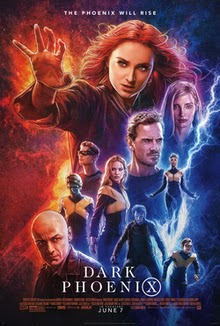
X-Men: Dark Phoenix (2019)

Sophie Turner does her best with a franchise that has finally seen better days in Dark Phoenix

Director: Simon Kinberg

Cast: James McAvoy (Charles Xavier), Michael Fassbender (Erik Lensherr/Magneto), Jennifer Lawrence (Raven Darkholme/Mystique), Nicholas Hoult (Hank McCoy/Beast), Sophie Turner (Jean Grey), Tye Sheridan (Scott Summers/Cyclops), Alexandra Shipp (Ororo Monroe/Storm), Kodi Smit-McPhee (Kurt Wagner/Nightcrawler), Evan Peters (Peter Maximoff/Quicksilver), Jessica Chastain (Vuk), Ato Essandoh (Jones)

As Dark Phoenix limps out of a cinema near you, losing the studio almost $100 million and finally consigning to oblivion for evermore an X-Men franchise that has lasted almost twenty years, it would be easy to think this must be one of the worst films in comic book history. It’s not. But then again it’s not the best. Dark Phoenix’s main problem is not really that it’s bad, more that it’s a bit meh. After umpteen films, I’m not sure there was anything new to show or tell about these mutant superheroes – and this film certainly failed to find it.

It’s 1992 and the X-Men are international heroes – something that may be going to the head of Charles Xavier (James McAvoy) who gets feted at major events and has a direct hotline to the President. On a mission into space to save a stranded space shuttle crew, powerful telepath Jean Grey (Sophie Turner) is hit by a strange cloud of glowing space power – and when she returns to Earth she finds herself struggling with a split personality, with a dangerous darker side of her personality taking control of her actions. It’s encouraged by a mysterious alien Vuk (Jessica Chastain) who wants the power in Jean Grey for her own ends. Can the X-men overcome conflict and tragedy to come together once again and save the world and Jean Grey herself from her demons?

Simon Kinberg finally takes the helm after producing and writing several other films in the series – although his promotion feels more like a failure to find anyone else interested in doing the job. General lack of real interest permeates the film, as if most of the stars only came on board because they felt an obligation to put a cap on the series. Jennifer Lawrence presumably came back in order to be killed off (no spoilers, it’s in all the trailers) while Michael Fassbender gives off the air of a man who’d rather be anywhere else. 

It’s not a huge surprise since the script goes through the motions, retelling a comic book storyline around Jean Grey’s “Dark Phoenix” personae that had already been done once (disastrously) already in X-Men: The Last Stand. Retreading the action here, this is certainly a better film (at least Simon Kinberg understands the characters and what makes them tick in a way Brett Ratner on that film didn’t) but it’s still a lot of the same story beats, similar types of location and brings it all together into a series of set pieces and moral conundrums that quite frankly we’ve seen before.

On top of which, Kinberg is not an imaginative enough visual stylist to make any of it look new. He’s not a bad director by any shot, but he’s a thoroughly middle brow one and he puts together a film that echoes and repeats stuff from the previous films in a way that never really feels fresh. Instead every single action beat or emotional moment feels like a quote from a previous film in the series, and never does the film really take fire and become its own thing.

This needed something special or new to bring the franchise roaring out in a blaze of glory. Instead it sort of meanders towards a resolution most people watching can probably already guess. Kinberg’s version of the story here also throws in several mistreads, most notably a plot line involving aliens and mystical clouds from space. Now I’m reliably told this fits with comic book lore. But much like in Spider Man 3 (remember that?!) when a blob of black alien space goo infected Peter Parker, introducing aliens into this series that has always seem grounded on Earth seems a bit – well – silly if I’m honest. Again it reminds you how slowly and carefully Marvel built up its universe stretching sand box. This ham-fistedly throws aliens of uncertain provenance into its world and somehow, despite this film featuring a hero who can shoot lasers out of his eyes, it feels a bit silly. 

It’s not helped that the aliens plot line is confused and their aims unclear or that Jessica Chastain looks non-plussed to be in the thing at all, as if she lost a bet or something. It does mean that we get a (reasonably) happy ending of our heroes coming together to fight an external threat – but even this feels like a tacked on reason to throw into the mix a clear antagonist, instead of dealing with the sort of shade-of-grey (no pun intended) antagonist who is also still sort of one of the good guys.

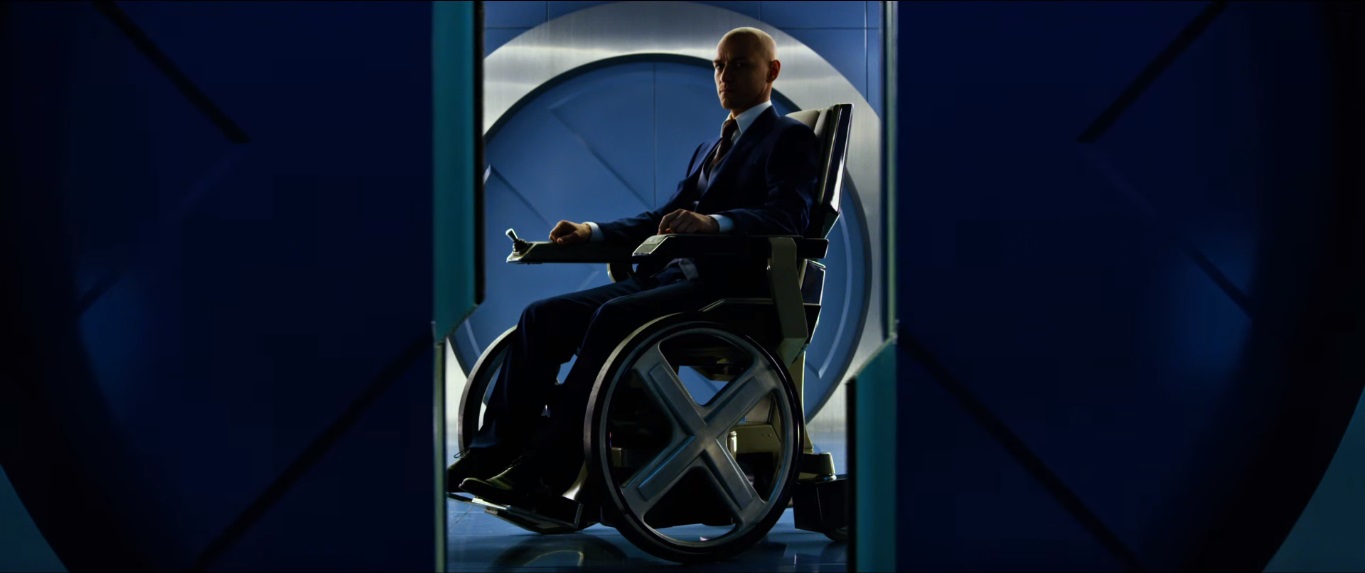
It’s telling that the film works best when it focuses more on character. Sophie Turner does a pretty decent job as Jean Grey, despite not being given masses to work with. James McAvoy enjoys the best storyline, of a Charles who has lost his way slightly and been seduced by fame – but deep down is still the humane, caring and loving character he has always been. It’s a new light to see the character in.

I think the main problem with this film is its lack of anything really original other than the odd beat like that. Everything as been seen before and, like X-Men Apocalypse despite the world-shaking events everything feels a bit rushed and lacking impact. Dark Phoenix is a decent enough entry into a long-running franchise and doesn’t short change you of the sort of thing you’d expect from an X-Men film. But that’s really it’s a problem. It’s a solid, average, okay entry into a long-running franchise but not the final hurrah the series needed to go out on an earth-shattering high.

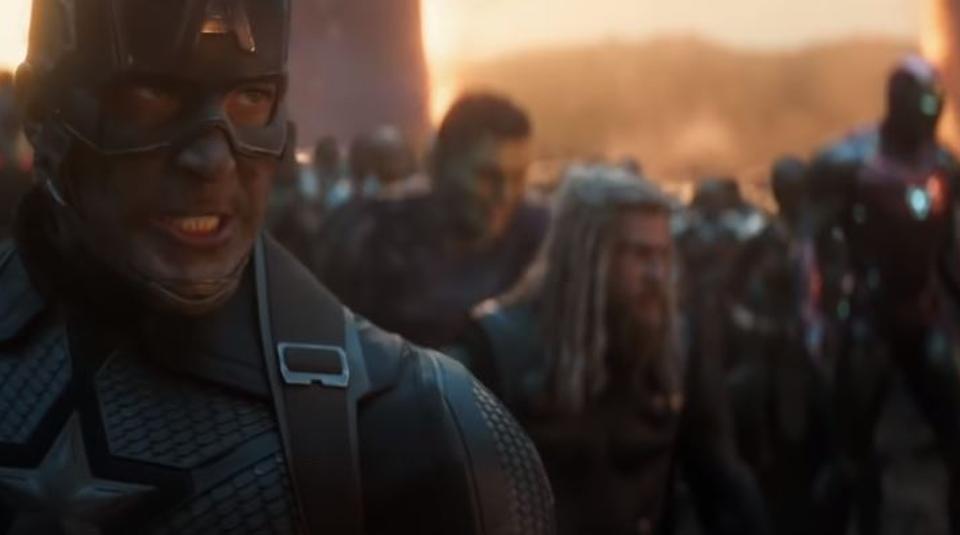
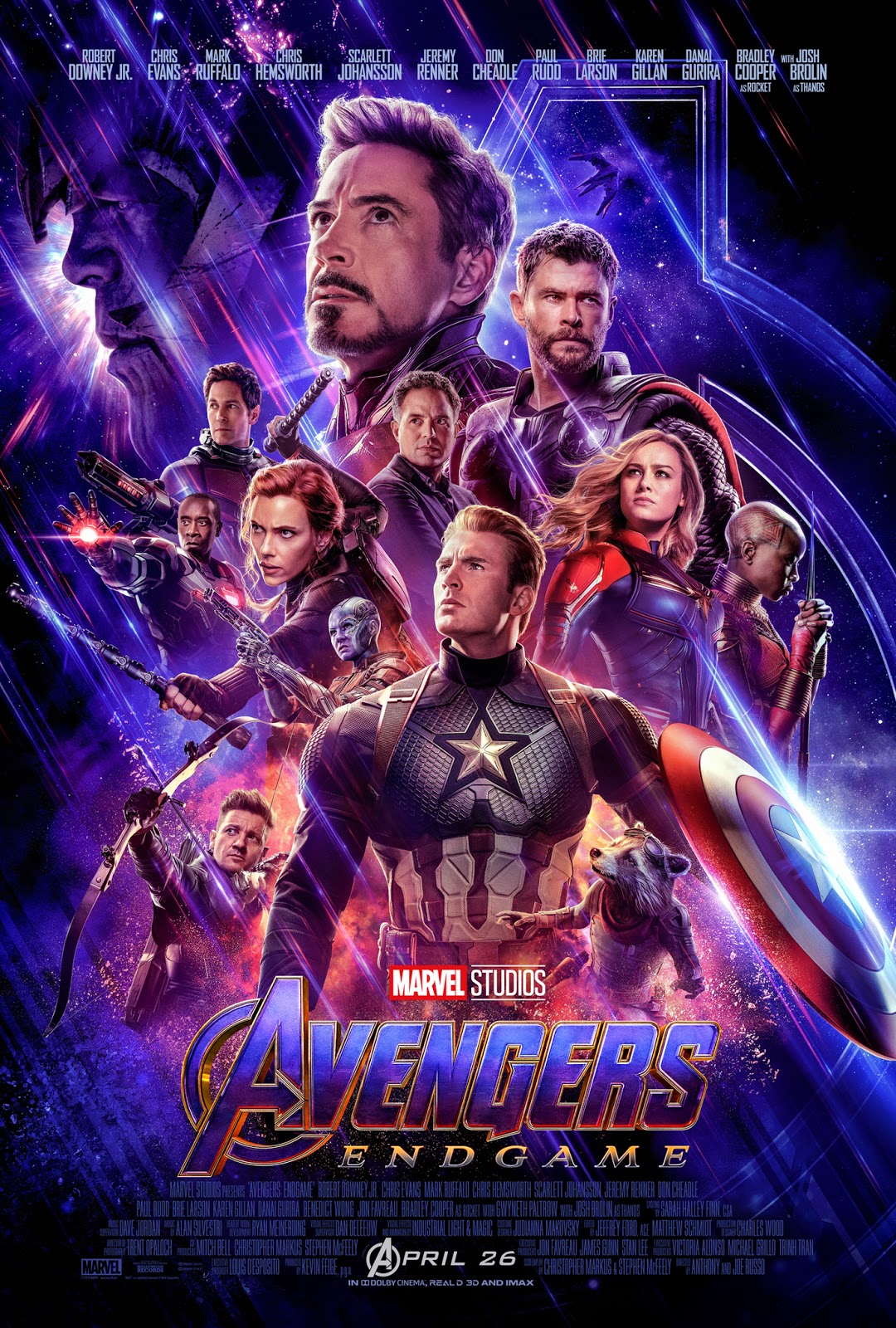
Avengers: Endgame (2019)

Time to got to work: Avengers: Endgame caps off a 22 film series

Director: Anthony and Joe Russo

Cast: Robert Downey Jnr (Tony Stark), Chris Evans (Steve Rodgers), Mark Ruffalo (Bruce Banner/Hulk), Chris Hemsworth (Thor), Scarlett Johansson (Natasha Romanoff), Jeremy Renner (Clint Barton), Don Cheadle (Rhodey), Paul Rudd (Scott Lang), Karen Gillan (Nebula), Bradley Cooper (Rocket), Gwyneth Paltrow (Pepper Potts), Josh Brolin (Thanos), Zoe Saldana (Gamora), Danai Gurira (Okoye), Brie Larson (Carol Danvers), Chadwick Boseman (T’Challa), Benedict Cumberbatch (Dr Stephen Strange), Tom Holland (Peter Parker), Evangeline Lilly (Hope van Dyne), Anthony Mackie (Sam Wilson), Elizabeth Olsen (Wanda Maximoff), Chris Pratt (Peter Quill), Sebastian Stan (Bucky Barnes), Rene Russo (Frigga), John Slattery (Howard Stark), Tilda Swinton (Ancient One), Robert Redford (Alexander Pierce), Linda Cardellini (Laura Barton), Tom Hiddleston (Loki), Tom Vaughen-Lawlor (Ebony Maw)

So this really is it. For now. As Dr Strange says at one point “we are into the Endgame now”. Avengers: Endgame is Act Two of the Marvel Cinematic Universe’s ten-years-in-the-making finale. It’s also a sequel that, for me, enriches and improves the “bangs before brains” Infinity War. Where that film played too hard to the fanboy wet dream of seeing X teaming up with Y and lots of bashing, Avengers: Endgame focuses more on the intelligent character work and decent acting and writing that has underpinned what has turned what used to be the preserve of geeks into a franchise now almost universally beloved across the world.

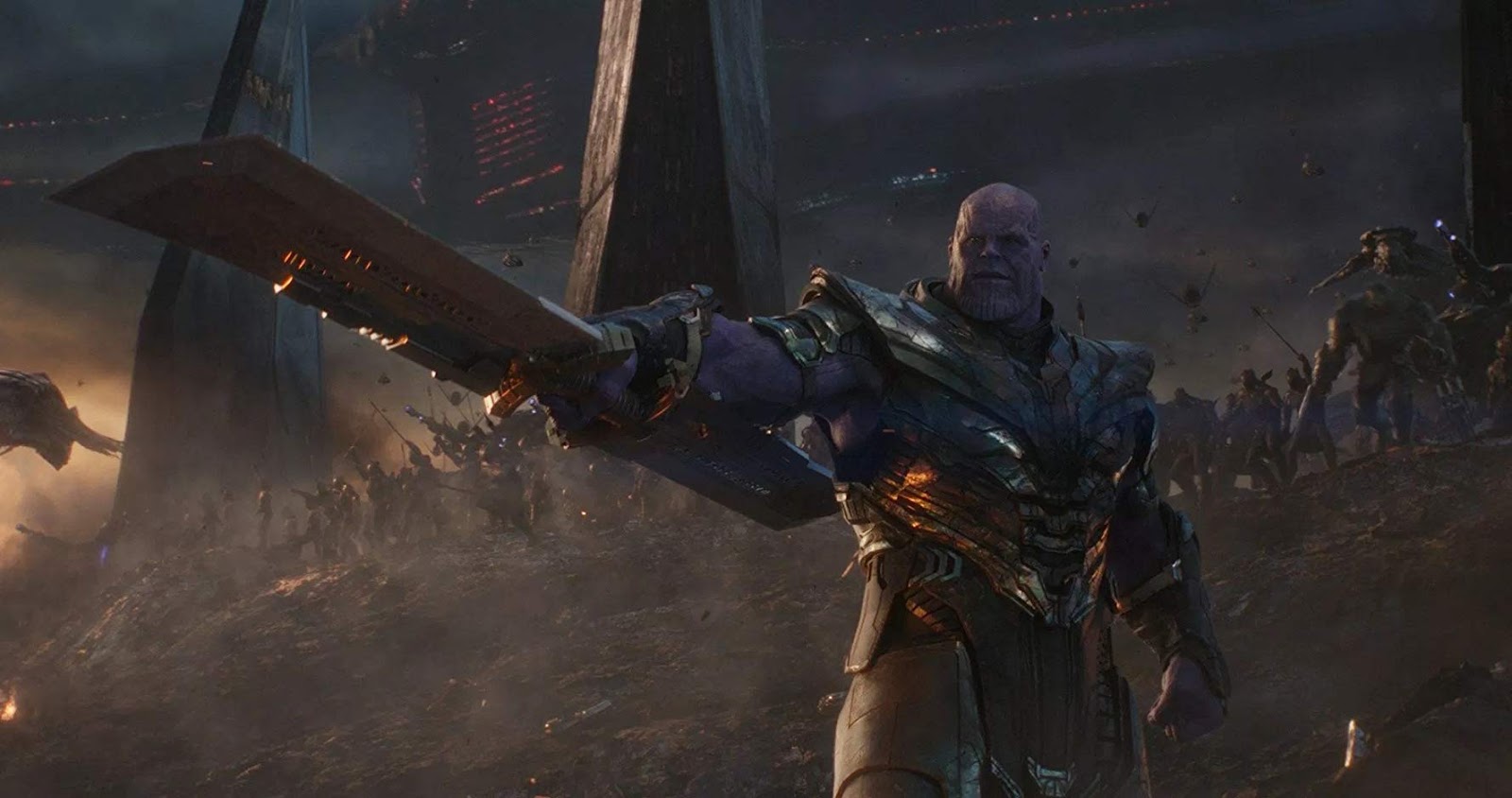
The film picks up almost immediately after über-Baddie and misguided-humanitarian Thanos (James Brolin) has successfully used the powers of the infinity stones (a series of mystical macguffins that have been omnipresent in the series so far) to wipe out half of the population of the universe to save it from overpopulation, including dozens of our heroes. Those that remain – predominantly the original roster from the first Avengers film – must work together to find a way to overturn this destruction that Thanos has wrought. But more sacrifices are inevitable along the way.

Avengers: Endgame is a film that the less you know about where it is going, the more you are likely to enjoy its twists and turns. Viewers who may have been anticipating a series of increasingly brutal smackdowns between the Avengers and their nemesis Thanos will however be disappointed. This is not a film of acative avenging: it’s a film where our heroes cope with the burden of unbearable failure, survivor guilt, PTSD and are desperate to try anything to try and make amends. Surprisingly, for the biggest budget entry in the whole cannon, this feels like a smaller-scale, character driven film which carries far bigger (and realistic) stakes than several films earlier in the franchise.

For the opening two hours of this three hour epic, there is actually precious little in the way of action. Instead we explore individual reactions and struggles of each of our heroes. Some have slumped into depression. Some are struggling to move on. Others have shut down and focus on their work. Some have managed to put their past failure and loss behind them to rebuild their lives. Others have embraced the darkness altogether to extract a revenge upon the world that they feel has taken everything from them. It’s a real change of pace from the high octane action and smart banter of the first film. This feels more earned, more invested and more designed to engage our brains and emotions rather than pound us into joyful submission with its bangs and crashes.

In fact it builds back into what has made this franchise so successful and so beloved. It turns these heroes into people, rather than just monoliths of action. Way back in the day, when making the first Iron Man film, Kevin Feige said if they got the film right the name “Tony Stark” would become as famous as “Iron Man”. It sums the aims of the franchise up – that these should be real people to us rather than just comic book cartoons. If we think of Chris Evans, we think of him as being “Steve” not Captain America. Jeremy Renner is as well-known as Clint Barton as “Hawkeye”. If Scarlett Johansson is addressed as Natasha we don’t blink an eye in the film, in the way we would if she was called “Black Widow”. The Hulk can be calmly addressed as Bruce or Ant Man as “Scott” and we never think it strange. In fact it would feel odd to have them calling each other by their cartoon names. It’s normalised the personalities behind the badges and masks.

And that works so well because the writing, when it works, focuses on making these characters feel real – and the actors they have brought on board to fill out the roles have excelled at adding depth and shading to the roles. Chris Evans will probably forever by the noble, dedicated humanitarian Steve Rodgers and rightly so as he has turned this potential stick-in-the-mud into a person we deeply respect and love. He’s terrific here, marshalling a plot arc that brings his time in this crazy franchise to an end with a neat bow that feels fitting and fair (even if it’s got some logic gaps).

Robert Downey Jnr also does some excellent work in his final sign off from the series. The role here plays to all the strengths Downey Jnr has brought to the role:  the smartness, the intelligence, the slight smugness, the charisma. But also the vulnerability and longing to be genuinely loved and to build a family around him. The desire to protect people. The nobility under the off-the-cuff exterior. Downey Jnr’s departure was well advertised and again it works a treat here.

But then the whole cast are marvellous. Hemsworth gets to stretch his comic muscles even more than his regular ones, and balances marvellously a plot about a hero who has lost his way. Scarlett Johansson gets some of her meatiest material as Natasha, unable to fully take on board what has happened but determined to make amends. Jeremy Renner has some of the film’s darker material – and confirms that he has always been the heart of the team – with a plot line that hinges on the loss of his family. Mark Ruffalo’s Bruce Banner is presented in an intriguing new light that both delights and feels like a real rounding up of his character arc.

The eventual plan to underdo the work of Thanos revolves, it’s not a spoiler to say, around Time Travel. With a run, jump and leap the Russo Brothers acknowledge every cliché of time travel lore from dozens of films (Rhodes and Lang at one point hilariously name check virtually every time-travel-based film ever as back-up for their concerns about the mission) before basically throwing it all out of the window by making up its own rules (since, hey, time travel is impossible anyway so why not say all that “you could kill your own grandfather” stuff is bollocks?).

The time travel allows us to fly back into the plots and events of several other Marvel films, principally the first Avengers film, Guardians of the Galaxy and (hilariously considering it might be the worst one) Thor: The Dark World. This flashback structure works extremely well, with our heroes woven neatly into the events of films past – as well as allowing for “unseen” moments from those films to be staged here for the first time.

For a film that, up until now, has dealt with the pain of loss it also makes for a playful series of missions (or at least until one of them turns out to carry huge personal cost) that contrasts really well with the first half. The missions focus on a “heist” structure also gives us the chance for our heroes to work through the demons, often with the help of several (deceased) characters from past films living again (Rene Russo in particular gets easily her best ever scenes in the series as Thor’s mother in the past urging her son to come to terms with his guilt).

All this intelligent and emotional character work, mixed with sequences that are focused less on action and more on adventure and capery means that when we get the inevitable battle scenes at the end of the film – and I don’t think it’s a spoiler to say most of the film’s final act returns us to the action beats that governed Infinity War – actually feel really earned. Having reminded ourselves why we loved many of these characters in the first place, seeing them fight for good and do incredibly cool things while doing it suddenly feels both really earned and also hugely entertaining. Investment in these action scenes grows from the detailed work earlier.

It’s also a testament to the Russo Brothers direction. I will say right away that while I found part of Infinity War lacking in personality and identity behind the camera, I think I massively overlooked how effortless the Russo brothers make balancing all these plot lines, characters and events seem. Never once does the film seem to dip or droop the ball, and I don’t think there are many directors who could even begin to manage what they achieve here: a fusion of popcorn action with character study, which juggles 20-40 characters at various points. My hat sirs.

Avengers: Endgame is a delightful film. I went into it sceptical after Infinity War left me a little cold, but I needn’t have been so concerned. This is a film that, on its own merits, is almost a sort of masterpiece. Have you ever seen a film that juggled so much – not least the crushing expectation of its fans – and delivered so superbly? Chalk that up as another success for the Russos just turning in a film that the huge fanbase loved. Avengers: Endgame isn’t Citizen Kane – but just as the Russos couldn’t make a film as great as that, you can’t imagine Orson Welles would ever have managed to direct a film like it.

Captain Marvel (2019)

Brie Larsen is Captain Marvel – yah boo sucks Trolls!

Director: Anna Boden, Ryan Fleck

Cast: Brie Larson (Carol Danvers/Veers), Samuel L Jackson (Nick Fury), Jude Law (Yon-Rogg), Ben Mendelsohn (Talos/Keller), Djimon Hounsou (Korath), Lee Pace (Ronan the Accuser), Lashana Lynch (Maria Rambeau), Gemma Chan (Minn-Evra), Annette Bening (Supreme Intelligence/Mar-Vell/Dr Wendy Lawson), Clark Gregg (Phil Coulsen)

After almost 11 years, the big criticism of the Marvel Cinematic Universe has been that it had never made a film with a woman as the lead. Sure, we’d had various strong female characters, but never had one been trusted with headlining a movie. Well the studio has put that right with Captain Marvel, a hugely enjoyable, if not exactly groundbreaking, superhero origins story that can stand up with some of the best origin movies the studio has produced.

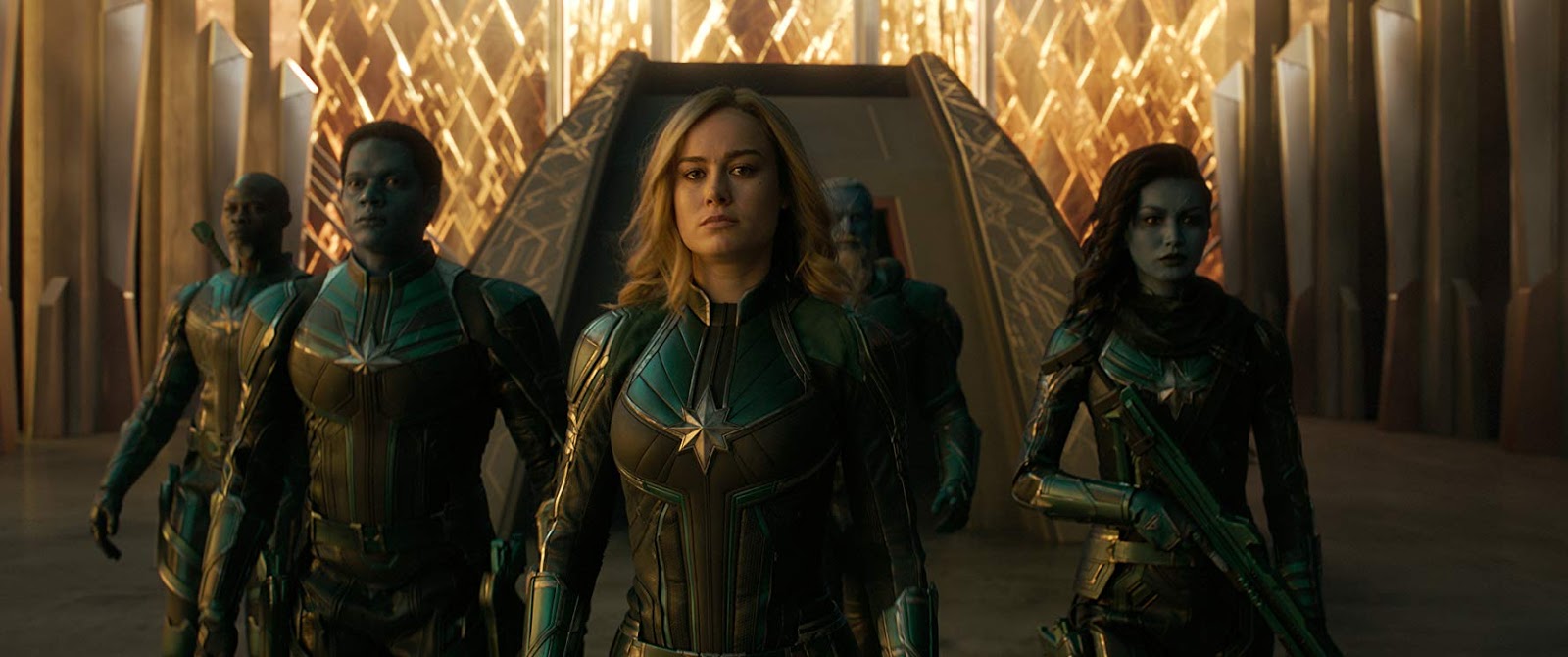
In the Kree civilisation, Veers (Brie Larson) is in training to take her proper place in the Star Force, under the tutelage of her mentor Yon-Rogg (Jude Law). But she’s struggling to control her immense powers, with her dreams plagued by strange visions and half memories of a planet that looks to us viewers a lot like Earth. After a Star Force mission goes wrong, Veers is captured by the shape-shifting Skrulls and their leader Talos (Ben Mendelsohn), her memory being searched for a time on Earth that she doesn’t remember. Escaping, she finds herself on Earth in 1995, and quickly allies with SHIELD operative Nick Fury (Samuel L Jackson, impressively digitally de-aged) to find out what the Skrulls want. But is everything as it appears? And what will happen as Veers starts to remember her true identity, as long-missing air-force test pilot Carol Danvers?

Captain Marvel I guess you could say is not an ambitious film. It largely sits pretty close to the well-established Marvel formula for introducing a new character, and it presents a series of visuals, fights and general tone mixing light-jokes with action beats extremely well. It’s a very professionally assembled product. However, what makes it work is the strain of emotional truth, and an interest in character as the driving force for events, that runs right through the centre of the film. It’s a testament to the imaginative and original direction from Boden and Fleck that at the centre of each clash we see, not the action and the pyrotechnics, but the emotion and character that give these things meaning.

They are also helped by an interesting plot, with some very decent twists, that throws the viewers into the deep end and carefully drip-feeds us information at the same pace as Carol picks it up. This also helps hugely for investing in Brie Larson’s Carol Danvers, a character who doesn’t know who she is and where she came from. Brie Larson does a terrific job, crafting a character “strong and determined”, but also witty, impulsive, brave, caring, decent and rather sweet with a strong moral compass that clearly, from the start, governs all her actions. It’s a fine performance and Larson is equally convincing in the film’s lighter, funnier moments as she is when banging heads together.

That helps keep the tone of the film pretty consistent as it heads through various twists and turns and rugpulls. Now I am sure some of these twists would be seen coming by anyone immersed in Marvel comicbook lore, but for us Muggles I appreciated the reveals about several characters defying expectations. The film also avoids false tension – a character is so obviously a shape-shifted replacement, it’s a relief that the film confirms this in minutes and the characters work it out shortly after. It’s a smart way for the film to fool you into thinking where it is going, while building towards more interesting reveals later on – particularly as it throws our expectations for several characters into the air.

And the action when it takes place is great fun, primary-coloured and accompanied by a great selection of 90s tracks. Because Boden and Fleck have spent so much time carefully developing the characters at its heart, these become action moments you can genuinely invest in, where people you care about are in peril, rather than the bangs and crashes without consequence that plague other films.

It’s also mixed extremely well with comedy. Samuel L Jackson in particular gets some great comic mileage out of a young Nick Fury, a man on his way to becoming the hard-as-nails guy we’ve seen in countless movies, but here still young, playful and (hilariously) besotted with a cat rather wittily called “Goose”. Ben Mendelsohn also gets some good moments from his mysterious shape shifter and Jude Law has a sort of put-upon charm as Carol’s mentor. There are also some lovely moments as Carol rediscovers her memories and rebuilds a relationship with her former best friend and fellow test pilot Maria Rambeau, well played by Lashana Lynch.

Captain Marvel is such good fun, such good old fashioned entertainment, that it seems to have defeated the efforts of the internet trolls to consign it to oblivion. It’s sad to say that, following in the footsteps of Black Panther, The Last Jedi, Star Trek: Discovery and Doctor Who, another “fan boy” franchise entry has seen its opening overshadowed by a bunch of sad wankers with key boards hammering into the internet (and whining into YouTube) about Disney and “the suits” forcing fans to watch stories about people who aren’t white males. Larsen and Captain Marvel got it in the neck for being sexist (it’s not about a man and Larsen dared to say she thought film critics were overwhelmingly white and male – guilty in this case), pushing a feminist agenda (because, like, it had a woman in it that wasn’t a damsel-in-distress or hooker-with-a-heart-of-gold) and not representing what the fans wanted to see in comic films (muscular men saving ladies and hitting things basically). Never mind that social commentary in the old days used to be what these fans bragged about their passions being so full of. Now any character who doesn’t fit a narrow set of racial and sexual criteria is an attempt by the PC brigade to push these pricks out of the fandom. Well to be honest we are better off without this turgid slime polluting fandom with their putrid stench. Put frankly, if films like Captain Marvel make some idiots decide they are going to boycott Marvel for ever more, well good – please fuck off and let the door slam you on your arse on the way out.

Anyway, rant over. Captain Marvel is great fun, Brie Larsen is great, the action is well done, the jokes are funny, the story is engaging and it’s all done and dusted in two hours. Go and see it.

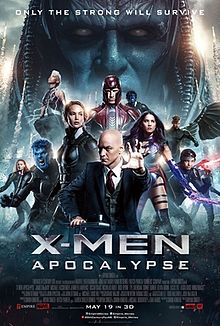
X-Men Apocalypse (2016)

Oscar Isaac destroys something else (again) in misfire X-Men Apocalypse

Director: Bryan Singer

Cast: James McAvoy (Charles Xavier/Professor X), Michael Fassbender (Erik Lehnsherr/Magneto), Jennifer Lawrence (Raven/Mystique), Oscar Isaac (Apocalypse), Nicholas Hoult (Hank McCoy/Beast), Rose Byrne (Moira MacTaggert), Evan Peters (Peter Maximoff/Quicksilver), Tye Sheridan (Scott Summers/Cyclops), Sophie Turner (Jean Grey), Olivia Munn (Psylocke), Kodi Smit-McPhee (Kurt Wagner/Nightcrawler), Alexander Shipp (Ororo Monroe/Storm), Lucas Till (Alex Summers/Havoc), Josh Helman (Colonel William Stryker), Ben Hardy (Angel)

Where do you go with a franchise when you are on at least your second timeline (maybe more, who knows?) and earth-shattering destruction has been done so many times before? At one point in this movie, our young heroes head to the cinema to watch Return of the Jedi – with a genre savvy conversation following on whether the third film in a franchise is always the worst. You’d like to think if you were going to pop such a hostage to fortune in the third film of your franchise, then you’d be busting guts to make this film as stand-out as possible. Doesn’t happen.

It’s 1983. Charles (James McAvoy) is still running his school with Hank (Nicholas Hoult). Raven/Mystique (Jennifer Lawrence – looking for every single second as if she is only there by contractual obligation) is saving mutants left, right and centre on the underground. Magneto (Michael Fassbender) is living incognito in Germany with a wife and daughter. All that is about to be thrown into chaos when Apocalypse (Oscar Isaac, trying his very best to make an impression under piles of make-up), the very first mutant, rises from imprisonment after thousands of years. The most powerful mutant in history, he decides the world is ripe and ready for the taking.

In X-Men: Apocalypse, not only is more not more, but the film churns out emotional character and relationship beats, covered to exhaustion in other movies. One glance at Magneto’s family and anyone who has ever seen a movie is going to know they are not long for this world. Raven and Charles no sooner appear in the same frame than you know the two of them are going to struggle to reconcile their past with their different viewpoints. We’ve seen it all before – and you feel, in the slightly disengaged performances, that the cast have had enough as well. Even Apocalypse, for all his world-altering power, basically has the same agenda as every mutant villain this franchise has ever had before: Mutant Superiority. 

Around these familiar plot beats, we get action that also feels culled from before. The film culminates in such earth-shattering destruction you really feel it should be more exciting, but instead it feels tediously familiar. How many times have we seen cities devastated like this? It’s such a cliché that the millions of people who must have died in the planet-wide obliteration that consumes the final third of the film don’t even merit a mention. It’s like the world treats this global destruction with the same meh that you feel a number of the film’s viewers do. 

But then the whole film has a weary sense of inevitability about it, of going through the motions. The plot makes little or no sense. Apocalypse is awoken by a cult we never hear from again, the whole film takes place in a few days, barely enough time to build up any sense of peril – but also somehow too short a time for the vast number of comings-together of different characters to feel natural. Characters from past films are thrown in willy-nilly, often for no real reason. So from the first scene we have Moira MacTaggert and Havoc back from the first film, then Quicksilver is back to repeat his bullet-time action from Days of Future Past (saying that, this sequence, as Quicksilver rushes to save people from an exploding mansion to the tune of Sweet Dreams, is the most vibrantly enjoyable moment in the film). We even get Stryker back, a character who becomes more and more of a cartoony villainous idiot each time he appears.

In between these points, the film frequently misses its beats. Apocalypse’s assembled group of mutant followers are assembled with such casual indifference (Apocalypse basically seems to pick up the first four mutants he meets) that their characters and motivations barely register. Obviously we know Storm is destined to be a goodie, so we get a few seconds of establishment that she is basically a goodie. Magneto gets his painfully predictable backstory (Michael Fassbender is by the way totally wasted in this movie, forced to repeat the same notes over and over again from the last two films). The other two barely make an impression – other than perhaps Olivia Munn’s unbelievably fanservice costume.

But it also makes more serious errors. A hideously distasteful moment sees Magneto destroy the whole of Auschwitz in a rage. There is, quite frankly, something more than a little stomach turning about the site of a real atrocity – where millions died – being blown away on screen like any other major landmark. Even more disgusting to have it serve as a shallow, over-exploited “he feels pain because he was in the Holocaust” moment. Other times in this series this link has worked – here it manifestly doesn’t.

About the only thing that really works here is the darker interpretation of Charles – McAvoy making it clear that events have made Xavier far more willing to go to dangerous ends to protect his family – and there is a neat replay of the first conversation between Xavier and Magneto from the very first film in the franchise, with the stresses all changed to show that their positions have developed in a far different way in this new timeline. But that’s the only real moment that feels new.

But I’ve still got a certain affection for these X-Men movies, and this isn’t the worst one they’ve ever made (that’s always going to be X-Men Origins: Wolverine), but it’s up there. It somehow doesn’t feel special, more like a film that had to be made for legal and financial reasons, rather than because there seemed like a decent story to be told, or something unique to be said. The rushed plot and lack of engaging characters make more sense when you think about it like that. It’s nothing special at all, and seems to pass in front of your eyes and then just as quickly out of your memory.

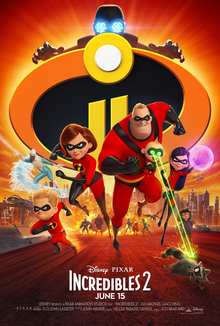
The Incredibles 2 (2018)

The family are back together, in belated but brilliant sequel The Incredibles 2

Director: Brad Bird

Cast: Craig T Nelson (Bob Parr/Mr Incredible), Holly Hunter (Helen Parr/Elastigirl), Sarah Vowell (Violet Parr), Huck Milner (Dash Parr), Samuel L Jackson (Lucius Best/Frozone), Bob Odenkirk (Winston Deavor), Catherine Keener (Evelyn Deavor), Brad Bird (Edna Moda), Sophia Bush (Voyd)

Fourteen years? In Hollywood that is nearly an eternity. Can you even imagine a film released today getting its first sequel over a dozen years later? But that is how long we’ve had to wait for a sequel to The Incredibles

Picking up immediately after the first film finished, the efforts of the Parrs, Bob/Mr Incredible (Craig T Nelson), Helen/Elastigirl (Holly Hunter), their children Violet (Sarah Vowell) and Huck (Dash Parr) and their friend Frozone (Samuel L Jackson) to stop the Underminer only lead to destruction. Superheroes are once again anathema to the authorities, but tech millionaire Winston Deavor (Bob Odenkirk) and his inventor sister Evelyn (Catherine Keener) are determined to change their reputation. Their plan? Use Elastigirl as the new “face” of responsible superhero-ing. Elastigirl takes on a new threat: the villainous Screenslaver who uses screens to hypnotise people and control them. Meanwhile, Bob has to cope with the pressures of being a stay-at-home dad, dealing with with teenage crushes, homework challenges and controlling super-powered baby Jack-Jack, who can barely control his never-ending series of powers.

And the world of Hollywood has changed so much since the first Incredibles film came out. Back then, comic book films were only just starting to come into fashion, and the Marvel Cinematic Universe didn’t even exist. So can The Incredibles forge its way in a cinematic landscape now overstuffed with superhero derring-do?  Well yes it does, because the film hasn’t lost the sense of what was so enjoyable about the first film. We still get all the action-packed excitement of some damn fine adventure sequences, choreographed with skill and wit. Playing alongside that we get all the homespun domestic turmoil of modern family life, right down to a dad struggling to help his son with his homework (“How can they change math?!”) and trying not to mess up his kids’ lives. 

The film resets the table to get us back to the situation of the first film – superheroes are illegal and unwanted and anything the Parrs do is going to have to be under the wire. And then it spins out a twist on the first film – this time it’s the super-competent and intelligent Elastigirl who will be the hero, while the more old-school Mr Incredible stays at home and looks after the kids. This combination works perfectly – Elastigirl is a brilliantly conceived character, cool, calm, collected, super smart, ultra-determined and ridiculously good at what she does. Holly Hunter’s southern tones are smoothly perfect for this part, investing it with just the right level of humanitarianism.

Really I should be annoyed about the end of the last movie being so completely reset in the opening minutes of this one, but truthfully the idea of superheroes struggling to balance everyday problems with illegal super-heroing is such a totally brilliant idea you are really happy to see it play out again, this time adding the dilemmas of Mr Incredible suddenly being thrown into a situation he can’t handle – having to be a regular dad – and collapsing in an unshaven, exhausted mess. 

Seeing someone struggle with such everyday problems is hilarious enough, but the film has a USP in the challenges of looking after cute little ball-of-trouble baby Jack-Jack: a sweet, blubbering little kid with a regular smorgasbord of powers, none of which he is able to control. Bob’s struggles to deal with this explosion of wildness (everything from laser rays to moving in the fourth dimension) throw up endless hilarious moments and sight gags that had me laughing out loud (probably too loud) in the cinema.

Sitting alongside this, Brad Bird hasn’t forgotten how to shoot and cut an action sequence – whether it’s animated or not. A chase where Elastigirl has to stop an out-of-control train is not only hugely exciting, but also tense and witty. Elastigirl is also such a relatable character that she adds huge amounts of human interest to every one of these action bits, and her determination to save lives – even of her enemies in exploding buildings – is really rather touching. The final action sequence doesn’t quite match the highlights of the first film, but it does excellent work.

Of course the villain is in fact using these strengths against her. If the film has one weak point, it’s that the identity of the villain is really rather obvious from the start. I pretty much guessed immediately who the villain was going to be. I can’t see anyone of any age being fooled, and the motivations of this villain seem a lot more rushed and less interesting than those of Syndrome in the first film. 

But that feels like a minor blemish on what is an excellent sequel, a real gem in the Pixar cannon. It’s still got the brilliantly retro-cool design that mixes the modern world with the 1950s and 60s. Michael Giacchino’s soundtrack is cracking. Brad Bird brings himself back as scene-stealing superhero costume designer Edna Mode. What’s not to like? I wouldn’t mind waiting another 14 years if they produce a third film as good as this one.