
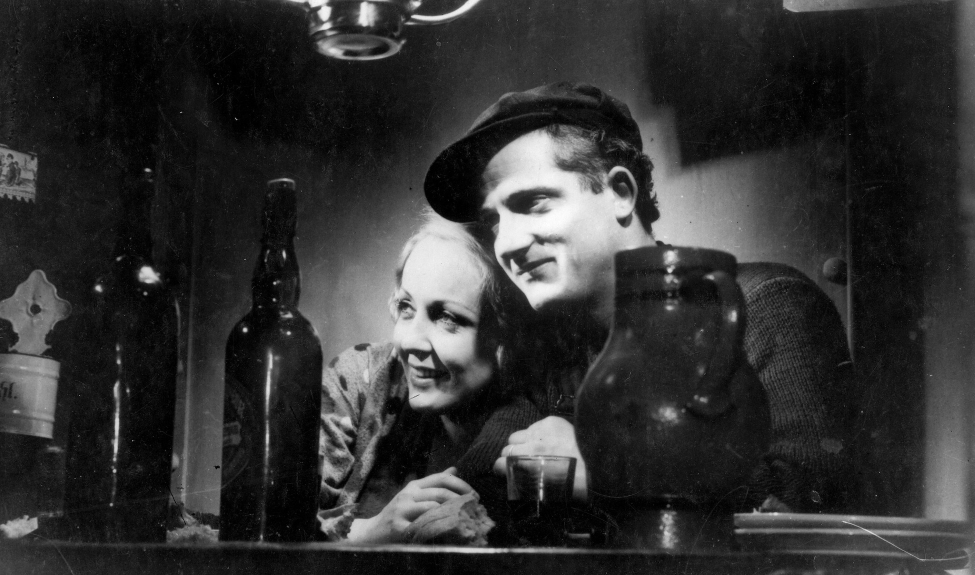
Vigo’s gorgeous, marvellous, magical film is his only finished work but exceeds the resumes of director’s with dozens of credits
Director: Jean Vigo
Cast: Michel Simon (Père Jules), Dita Parlo (Juliette), Jean Dasté (Jean), Gilles Margaritis (The Peddler), Louis Lefebvre (The cabin boy)
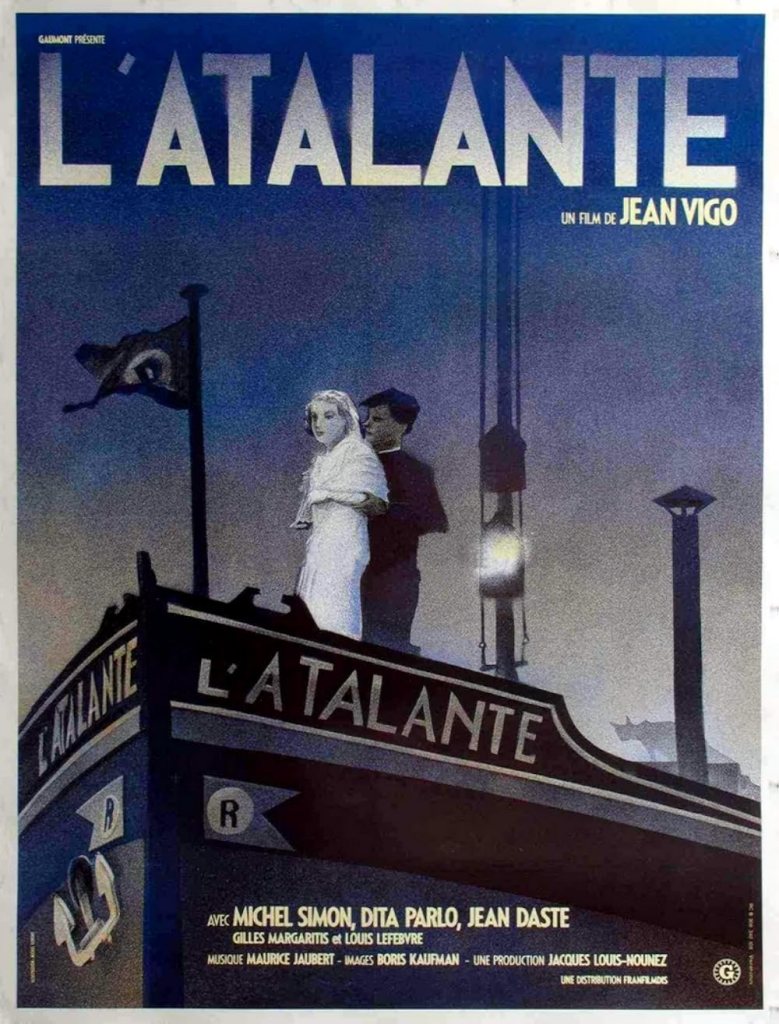
In his short life Jean Vigo made only L’Atalante, the anarchic short film Zéro de conduit (a surrealist black comedy about rebellious school kids) and two brief documentaries on Nice and the swimmer Jean Taris. But you could argue, in L’Atalante alone, he presented the sort of cinematic resume that would make a director with decades of work behind them green with envy. Vigo shot L’Atalante’s astonishing mix of poetry and realism while dying from tuberculosis (he may even have never seen the final film, leaving instructions for the shooting of its final shot and the final trims for its editing) but he would surely have been delighted at the film’s lasting impact.
It’s story, like some of the greatest, is beautifully simple. Juliette (Dita Parlo) is a country girl who marries Jean (Jean Dasté), captain of a commercial canal barge L’Atalante, crewed by young cabin boy (Louis Lefebvre) and crusty old sea dog Père Jules (Michel Simon). Juliette dreams of escaping her village to see the sights of Paris, Jean’s dreams are more humdrum and the clash between these will play out over the first days of their marriage as the couple get to know each other, feel the first flush of passion and go through their first real argument. Will love find a way to bring them back together?
L’Atalante takes this simple set-up, and invests it with something truly magical and universal, in a film crammed with as much cinematic bravura and beauty as it is gentle observation of human foibles. You can see why a film as beautifully assured and playful as this has such a legion of admirers. It mixes detailed observation of Jean and Juliette walking through the industrial docks of the various towns they stop at (shots that look like they come straight from Godard) with splashes of magical realism, as Jean throws himself into the canal to experience a mystical vision of Juliette dancing underwater. It’s a film that shifts and embodies different moods and styles from moment to moment while feeling like a remarkably coherent whole.
It’s also a strikingly humane film which develops richly multi-layered characters of intriguing depth and contradictions. Juliette and Jean’s marriage is, in many ways, a true love match (it will become clear that Juliette honestly believes in Jean as her soul mate), but Vigo still shoots the marriage procession (from church to barge) like a funeral march, black-clad villagers following behind pair-by-pair and standing at the dock staring as they depart like mourners. (There is even a low-angle tracking shot taking us past a foreboding grandmother, almost like she’s a prophet of doom). From the beginning, Vigo makes clear that there is a disconnect somewhere along the line here, between romantic hopefulness and the reality of two people who have perhaps made an impulsive decision.
Juliette boards the boat, but heads straight to the prow to stare forward into the mist (how unclear is that future!), startled when Jean approaches (he frequently struggles to find her in the barge, including losing her in the mist). It feels at first as if this is a marriage of convenience between two strangers: so much so that it’s a surprise that Juliette seems to remember herself and allows herself to be wrapped into Jean’s warm embrace. And Vigo shows their obvious sexual bond as soon as they relax.
It leads into a scene that plays like a few days of a glorious honeymoon. They share a bed together (so passionately, that when one of Père Jules’ many cats spawns a litter on their bed, Jules jokes they must be the parents), they laugh and joke and playfully wrestle on the roof of the barge. Jean crawls across the barge roof towards the waking Juliette first thing in the morning like a cat in heat. They are a couple who cast aside any hesitancy or shyness they felt at first into a burst of giggling, heady passion.
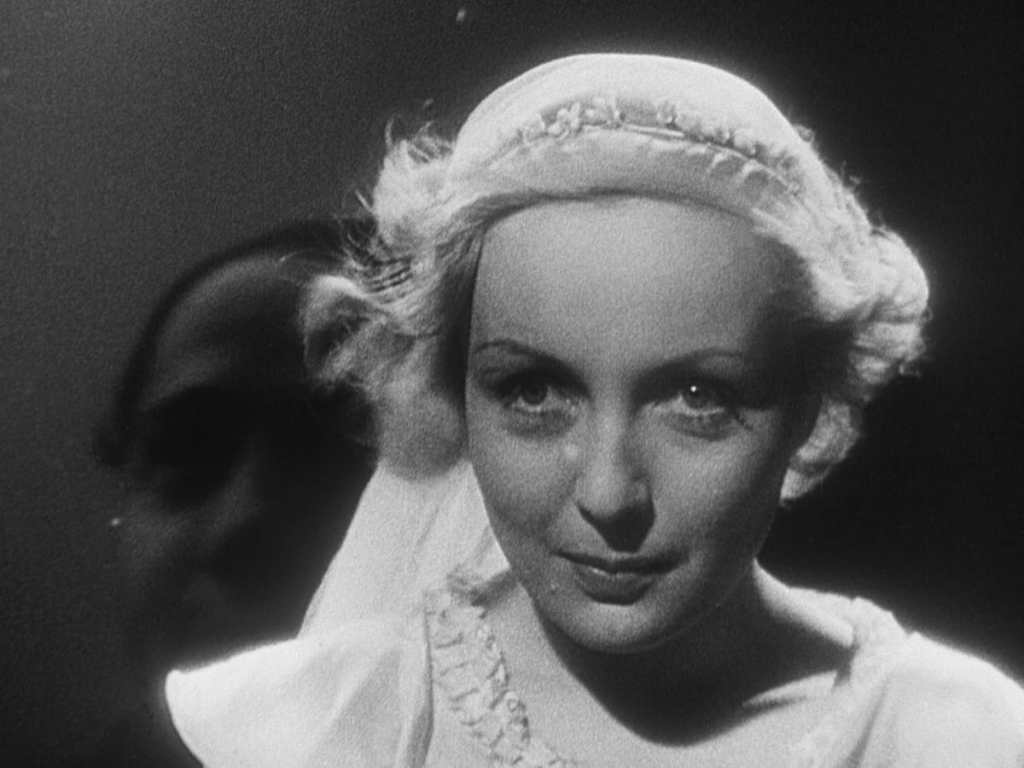
It’s also though a passion that’s matched with a mix of poetic romanticism. Juliette tells Jean she saw a vision of him when she plunged her head into a bowl of water years ago. It’s a feeling, it becomes clear, she has total faith in – it’s part of the deeply charming romanticism that’s in Dita Parlo’s beautiful performance as Juliette, who is both a fragile dreamer and a hardened realist who can just get on with it. So much so, that she’s more than a little annoyed when Jean implicitly mocks it by sticking his head into first the bowl and then plunged into the canal itself and claims, try as he might, that he can’t see her vision at all. He’s joking of course, but she really means it.
And perhaps she’s right, since Vigo returns to this theme with the full force of romantic poetic realism in the film’s final act. But first that has to come after the couple have found themselves in far more tumultuous waters. Juliette finds the rough-and-ready life of Jean on the boat (where he stuffs his laundry mountain into a cupboard almost literally for a rainy day) trying, throwing herself into domestic drudgery to add some order. It’s a pay off she’s willing to make, while sewing a dress to wear around the streets of Paris Jean has promised to take her. Dreams shattered, when the rest of the crew leave the barge when it is docked there forcing Jean to cancel their planned night (much to her crushing disappointment).
Jean offers her a back-up at Le Havre, taking her to a dance bar – where, to his jealous fury, Juliette enjoys dancing far more with a garrulous, charming, relaxed peddler (Gilles Margaritis, with energy pouring out of him). We already know Jean can be jealous – he throws a teenage-angst fit of rage when catching Juliette spending time alone with Jules, smashing parts of the room up). When Juliette sneaks into town, its enough for Jules to disappear over the horizon with his barge.
So far, so everyday realism of a marriage gone wrong, a love match founded on shallow roots. Only Vigo returns to the magic realism he had played with earlier. Separated by miles, the depressed Jean and the lonely Juliette seem to bond and hear each other from miles apart. Sleeping, they toss and turn in a mix of frustration, loneliness and increasingly erotic connection as the film cuts between the two of them. Jean runs from his bed to hurl himself into the canal, to see the vision of Juliette. Suddenly we are in a film of almost magical unreality, where spiritual and vocal bonds (like Jane Eyre) stretch over miles and bring people together in ways they can’t imagine.
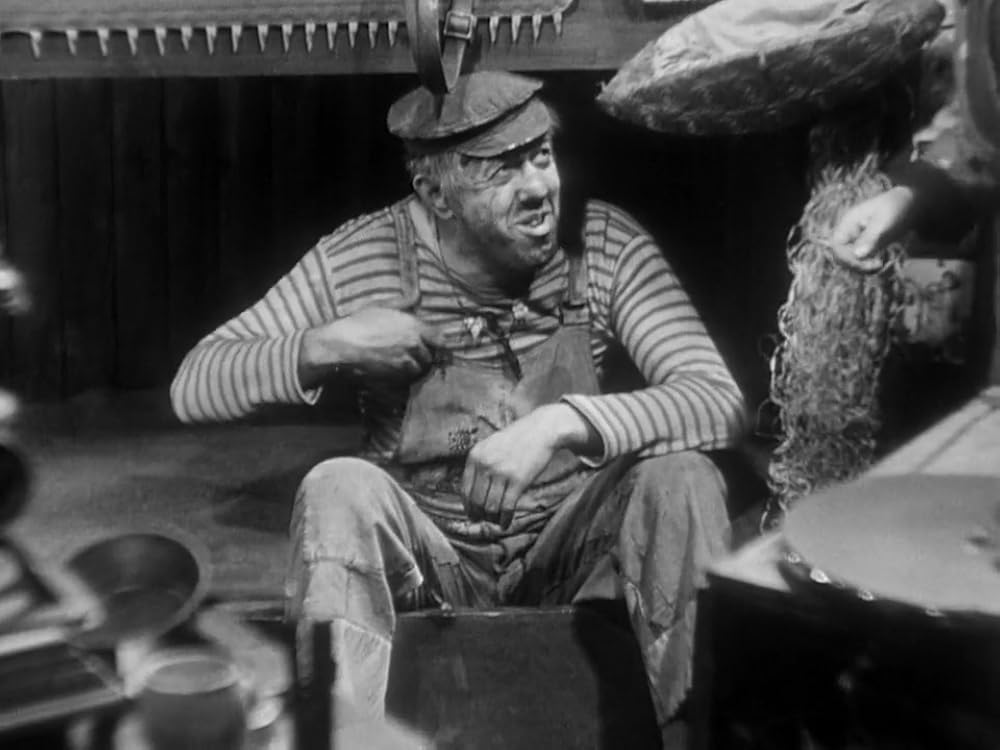
It’s also fitting that the couple’s reconciliation is powered by Michel Simon’s Père Jules, who had at first seemed like the ogre at the heart of the ship. Simon’s performance is animalistically brilliant, a lunk of a man with seemingly bestial appetites (and there is a sneaking suspicion part of Juliette is excited by his rawness) who also displays a sensitive, tender side. His den on the boat is filled with exotic mementoes of his life on the seas (including the severed hand in a bottle of an old friend who he talks about with the wistfulness of a lover), as is his tattoo-covered body. He will delicately repair a gramophone, loom over Juliette with sexual suggestiveness and the dance around for her entertainment in a patchwork dress. It’s a brilliant, visceral, inventive performance.
It’s part of a patchwork put together with such luminescent brilliance by Vigo, that even thinking back on how it’s staged and assembled is exciting and moving. L’Atalante constantly stuns and surprises, with the gorgeousness of its filming and the power of its emotions and sexuality. It manages to take a story that could feel small and everyday and give it a quiet mythic force that lends it a universality. So brilliantly done is the film, that it makes you even more heart-broken that Vigo was not granted the time for a full body of work. But it this was to be his only film, it was a beauty.


 Movie Musings