Tag: Survivalist films

In the Heart of the Sea (2015)

In the Heart of the Sea (2015)

Hunger, desperation, the sea and a very big whale in this Moby Dick origins story

Director: Ron Howard

Cast: Chris Hemsworth (Owen Chase), Benjamin Walker (Captain George Pollard), Cillian Murphy (Matthew Joy), Tom Holland (Thomas Nickerson), Brendan Gleeson (Old Thomas Nickerson), Ben Whishaw (Herman Melville), Michele Fairley (Mrs Nickerson), Gary Beadle (William Bond), Frank Dillane (Owen Coffin), Charlotte Riley (Peggy Chase), Donald Sumpter (Paul Mason), Paul Anderson (Caleb Chappel), Joseph Mawle (Benjamin Lawrence), Edward Ashley (Barzillai Roy)
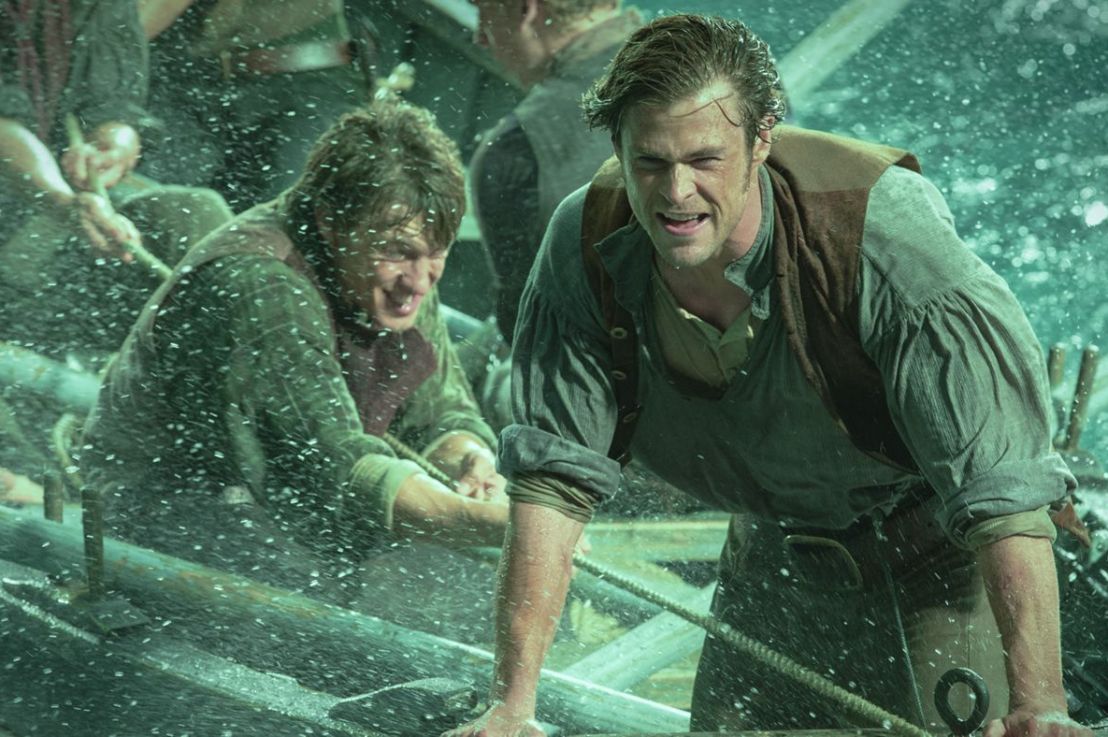
1820 and the world is run by oil. Not the sort you get out of the ground, but the sort you fish out of a whale’s corpse with a bucket. America is the leading exporter of whale oil and Nantucket is the centre of the industry. But it’s a dangerous business: as the crew of the Essex are about discover. Attacked by a whale, their ship sinks in the Pacific Ocean, thousands of miles from land. Passed-over first officer Owen Chase (Chris Hemsworth) and privileged captain George Pollard (Benjamin Walker) must set aside their differences to lead the survivors to safety. But starvation and desperation will lead those survivors to ever more desperate acts. All of this is told to Herman Melville (Ben Whishaw) by final living survivor Thomas Nickerson (Tom Holland and Brendan Gleeson), and it all sounds like a perfect inspiration for that Big Whaling Book Melville wants to write.

That Melville framing device is a good place to start when reviewing the many problems of In the Heart of the Sea, Ron Howard’s misfiring attempt at a survivalist epic. When we should be consumed by concern at whether these men survive, the film keeps trying to get us care as much about whether Melville will write a novel worthy of Hawthorne. The clunky prologue eats up a good sixth of the film, and we keep cutting back for Gleeson to tell us things the script isn’t deft enough to show us. Worse, it keeps ripping us way from the survivalist story that should be film’s heart.

Howard should know this: he directed one of the best survival-against-the-odds films ever in Apollo 13. Maybe the difference is that Apollo 13 is, at heart, a hopeful story. In the Heart of the Sea is about grimy sailors in a trade the film can’t find any sympathy for, eventually drawing lots in a long boat to see who is going to get killed and eaten by the others. It’s the sort of thing Werner Herzog would (pardon the metaphor) eat up for breakfast. For Howard, a fundamentally optimistic film-maker, its an ill fit. No wonder he wants to end the film with the triumph of Moby Dick.

In the Heart of the Sea is the rare instance of a film that is too short. The narration keeps skipping over time jumps in the first hour, that means we don’t get invested in the characters (most of whom are barely distinguished from each other, especially as beards and wasted bodies become the uniform). The sinking doesn’t take place until almost an hour in the film, meaning the time we spend with them lost in boats is a mere 40 minutes or so.

That is nowhere long enough for us to get a sense of either the monotonous time or the ravages hunger and desperation have made. Difficult as that stuff is to film – and I can appreciate its hard to make five men sitting, dying slowly, in a boat visually interesting – it means the film is asking us to make a big leap when it goes in five minutes from the men leaving a stop on an abandoned island to regretfully slicing one of their party up for dinner. We need to really understand how desperation has led to this point, but the film keeps jumping forward, as if its impatient to get to it.

Understanding is a general problem in the film. It can’t get past the fact that, today, we don’t see whaling (rightly so) as a sympathetic trade. But to these men, plunging a harpoon into a whale wasn’t an act of barbarous evil. It was more than even just making a living: it was a noble calling. Several times the film makes feeble attempts to push its characters towards moral epiphanies which seem jarringly out of chase (would Owen Chase, a hardy whaler with multiple kills, really hold his hand when confronted with a whale he thinks is trying to kill him?). Clumsy parallels are drawn between the heartless corporate oil industry of today, and the ‘suits’ back at Nantucket who only care about the bottom line.

Without accepting that, to these men, striving out into the ocean to bring back whale oil was as glorious a cause as landing on the moon, the film struggles to make most of the earlier part of the film interesting. Hard to sympathise with the characters, when the film is holding their profession at a sniffy distance. The film even radically changes the future career of its hero, Owen Chase, claiming he joined the merchant navy and never whaled again (not remotely true).

On top of this, Howard doesn’t manage to make the act of sailing feel as real or as compelling as, say, Peter Weir did in Master and Commander. Everything has a slightly unconvincing CGI sheen. Strange fish-eyed lenses keep popping up zooming in on specific features of pulleys and sails (is it meant to be like a whale’s eye view?). The film never manages to really communicate the tasks taking place or the risks they carry. There is a feeble personality clash between Pollard and Chase that fills much of the second act of the film, but is written and acted with a perfunctory predictability that never makes it interesting.

You can’t argue with the commitment of everyone involved. The cast noticeably wasted themselves down to portray these starving dying men. But it all adds up to not a lot. Chris Hemsworth gives a constrained performance as Chase – his chiselled Hollywood bulk looks hideously out of place – while Cillian Murphy makes the most impact among the rest as his luckless best friend. But the film’s main failure is Howard’s inability to make us really feel every moment of these men’s agonising suffering and to really understand the desperation that drove them to lengths no man should go to. Eventually that only makes it a surprisingly disengaging experience.

The Midnight Sky (2020)

The Midnight Sky (2020)

Dystopian end-of-the-world drama gets dull and dreary in this misfire

Director: George Clooney

Cast: George Clooney (Augustine Lofthouse), Felicity Jones (Dr “Sully” Sullivan), David Oyelowo (Commander Adewole), Kyle Chandler (Mitchell), Demián Bichir (Sanchez), Tiffany Boone (Maya), Caoilinn Springall (Iris), Ethan Peck (Augustine), Sophie Rundle (Jean)

The world has been evacuated after an unspecified radiological disaster, with the survivors bound for K-23, a newly discovered moon of Jupiter capable of supporting life. The only person left on Earth is Augustine Lofthouse (George Clooney), suffering from a terminal illness. He remains behind at an arctic base to warn returning space missions. The returning mission Aether – crewed by Jones, Oyelowo, Chandler, Bichir and Boone – are en route, but to make contact with them Lofthouse must travel across the arctic to a back-up transmitter, accompanied by a mysterious wordless child called Iris (Caoilinn Springall) who seems to have been left behind during the evacuation.

The Midnight Sky is the largest, most technically ambitious film Clooney has directed. Did the focus on the technical aspects mean he took his eye off other elements? Even the ones his previous films have been strong on: dialogue and character. The Midnight Sky looks great and has some impressive effects. But it is a dull film, lacking pace or energy, populated by paper-thin characters and often feeling like a Frankenstein-like stitching together of elements of other, much better, films.

It splits its focus between two story lines: one a survivalist two-hander between Clooney and child actress Caroilinn Springall; the other a “journey home against the odds” space mission. The first carries a little more interest, if only because Clooney manages to brilliantly convey loneliness, isolation, sadness and how terminal illness increases the effects of all of these. There is also emotional depth from his growing bond with Iris: the two of them playfully flicking peas at each other over dinner and his protecting her from the dangers outside. This is shot in some stunning Iceland vistas and shows a competent selection of various traditional survivalist set-ups during the struggle to complete the journey. It’s not exactly original, but at least it holds the interest.

That interest isn’t found in the space scenes – although the lack of originality is. How did Clooney fail to notice that he assembled a terrific cast of actors, but then failed to give them so much as a whisper of a character to play between them. This crew are terminally unengaging 2-D characters, whose dialogue echoes tropes of other films. Despite the dangers they encounter while navigating a course to Earth (that inevitably takes them through uncharted meteor storms), we are never really given a reason to really care about these characters (all the sad mooning over holograms of the families they left behind doesn’t actually make us feel like we know them).

The sense of nothing we are seeing here actually feeling new is key, and the main problem with the whole film. Countless other films have covered world-ending events. Clooney’s battle to cross the arctic and survive carries more than an echo of The Revenant by way of The Road. The struggles in space have lashings of Gravity with an Interstellarvibe. And those are just for starters. Even the final narrative twist (which you can probably see coming) echoes other film twists. For all the handsomeness of the film, it never feels fresh, always more of a tribute remix of other superior films that you should probably just consider rewatching instead.

That’s Clooney’s main failing here. As if he was so focused on getting the technical elements spot on, he never checked if the patient had a pulse. The Midnight Sky, knitted together from the offcuts of other films, has only the vaguest of heartbeats. Nothing is original and virtually no character in it ever feels either fully-formed or someone we care about. Others, all too obviously, serve as nothing but narrative devices. There are some wonderful shots and a lovely score from Alexandre Desplat. But narratively, the film often feels too cold, distant and emotionally dead. It ends up feeling far, far longer than its two-hour run time.

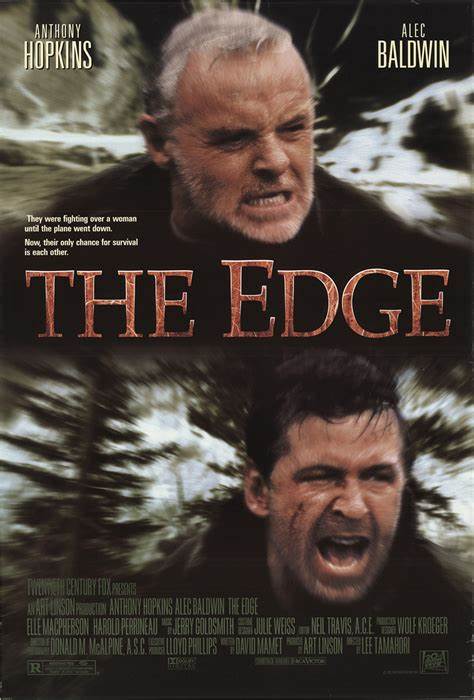
The Edge (1997)

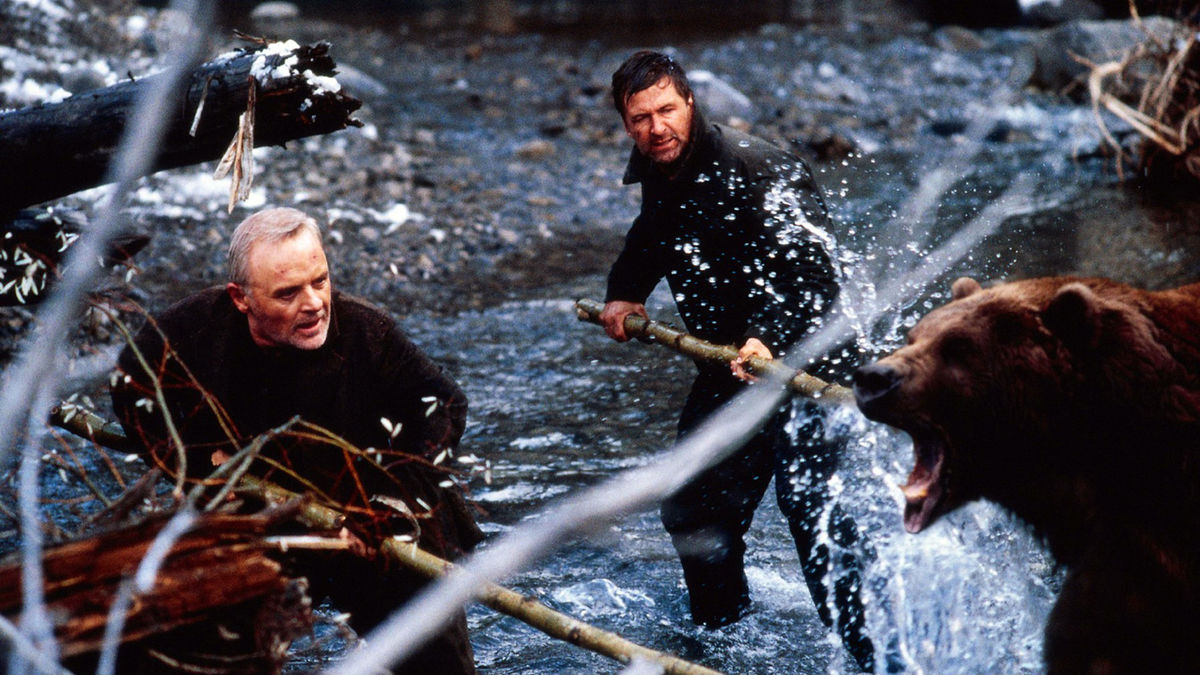
Anthony Hopkins and Alec Baldwin take on nature (and a bear) in The Edge

Director: Lee Tamahori

Cast: Anthony Hopkins (Charles Morse), Alec Baldwin (Robert Green), Harold Perrineau (Stephen), Elle Macpherson (Mickey Morse), LQ Jones (Styles), Bart the Bear

During a trip to a remote part of Alaska to celebrate his birthday, millionaire Charles Morse (Anthony Hopkins) is stranded hundreds of miles from rescue after a plane crash. The only other survivors are Robert (Alec Baldwin), a photographer Charles suspects of having an affair with his much younger wife Mickey (Elle Macpherson), and Robert’s assistant Steve (Harold Perrineau). Their best chance for survival may well be Charles’ photographic memory and his recall of all sorts of knowledge, recently topped up by reading a survival book. They’ll need it if they are to defeat and kill a man-hunting grizzly bear that swiftly dispatches Stephen.

With a script by David Mamet and some tight, tension-filled direction from Lee Tamahori, The Edge is a well-above average survival film where the main interest is less on the methods of survival than on the spiky, punchily-written interplay between Hopkins and Baldwin. The style of both actors – Hopkins channelling a zen-like calm, while Baldwin goes for a spiky flamboyance masking vulnerability – makes them a very well-matched pair and ensures The Edge constantly has something to entertain and intrigue in every scene.

The Alaskan outback is beautifully filmed, but still oppressively dangerous – a vast canopy of nothing but trees, mountains and snow. The film conveys a brilliant sense of the intense cold – our heroes almost die immediately due to exposure, after crashing into ice cold water – as well as the never-ending difficulties of navigating and surviving in the wilderness (almost inevitably their first day is spent walking in a large circle).

That’s before you even take into account the bear. Much of the film is taken up with Charles and Robert setting aside their differences to take on this killer creature, dodging its advances and finally laying a trap to slay it. Played by experienced acting bear Bart – who even gets an extra special credit all of his own – this creature serves as a superb embodiment of all the natural obstacles our heroes are facing, a running and clawed representation of the dangers of the wild made flesh. It also makes for a series of very tense confrontations.

What’s fascinating about the film though is that the real outback hero who emerges is not the jet-setting Robert, but the bookish and reserved Charles. This is one of the few films where a photographic memory and an ability to stay calm and collected make for practically superhuman skills. Hopkins is very good as Morse, a thoughtful man who surprisingly finds a greater sense of purpose and drive in the wilderness than he ever had in his business life. Mamet’s script delights in the titbits he has memorised, from building compasses to celestial navigation and the psychological requirements for staying alive in the wilderness.

Hopkins’ coolness is used to great effect – even if Charles seems an unlikely millionaire businessman – and contrasts wonderfully with Baldwin’s energy in the showier role as a weaker man. The Edge – originally titled by the even less inspired name of Bookworm – rather sweetly celebrates the virtues of wide-reading, education, curiosity and intellectual magpieism and shows how these qualities can be turned to life-saving effect. Charles turns out, to a certain extent, to be in his element – and without a doubt without him everyone would have died long before the inevitable rescue helicopter.

The Edge also covers a neat line in psychology. A constant refrain is that psychological collapse – a sense of giving up, rooted in ‘shame’ and assumptions that their fate must be deserved – is the key danger to survival. It’s a theme that the film constantly returns to (perhaps a little too much at times), but also ideas that I’m not sure survival films have focused on so keenly before. Usually in these suggestions gruffness and manly qualities are celebrated, but The Edge suggests that the wilderness is a great leveller and sometimes skills we did not expect become crucial to our survival. Sure, Charles sets about killing the bear with a ruthless determination – but his plan to do it is rooted in his learning and mastery of trivia.

The Edge doesn’t rework the wheel, but it’s a lovely piece of B-movie film-making, full of tension, fine dialogue and some impressive acting.

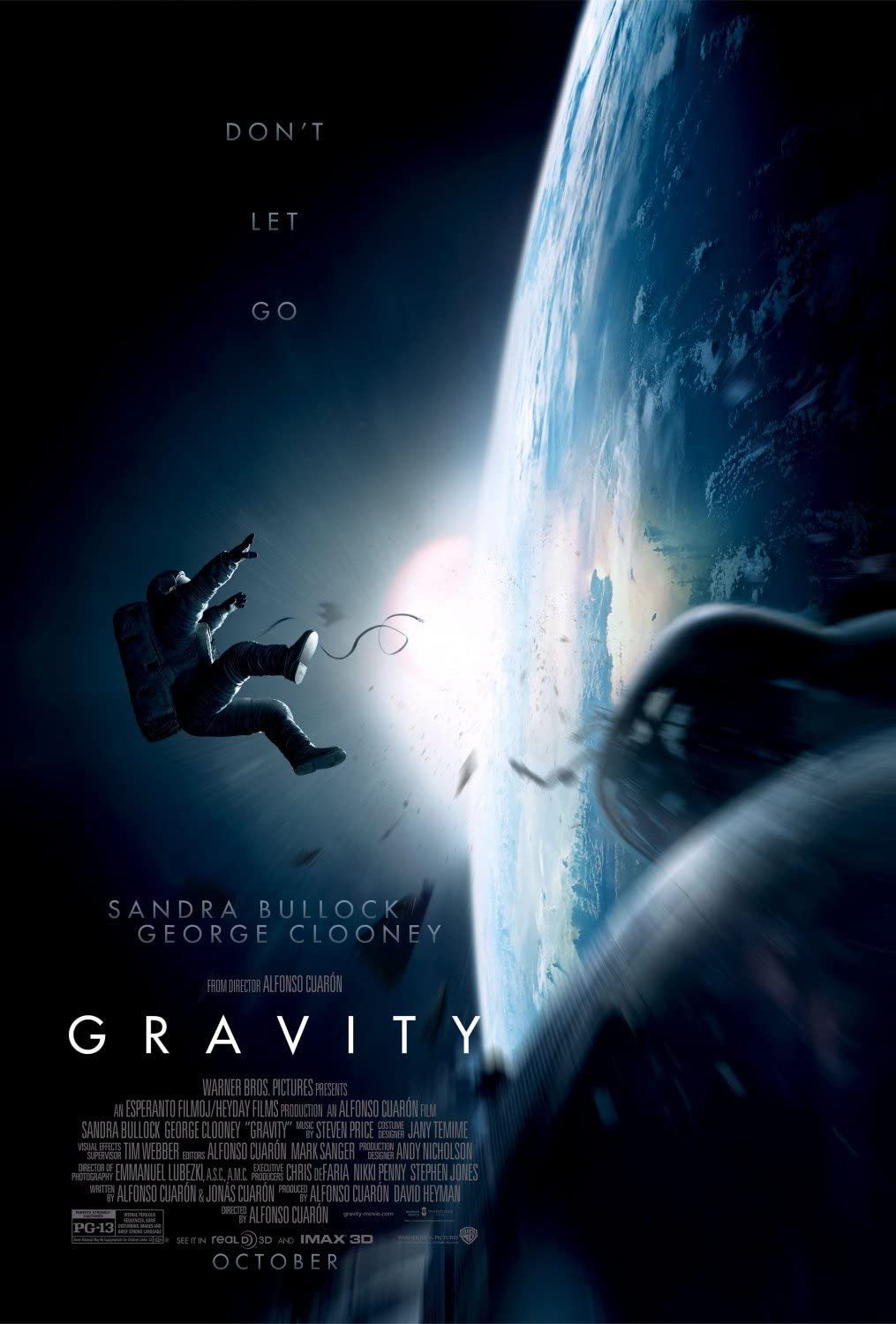
Gravity (2013)

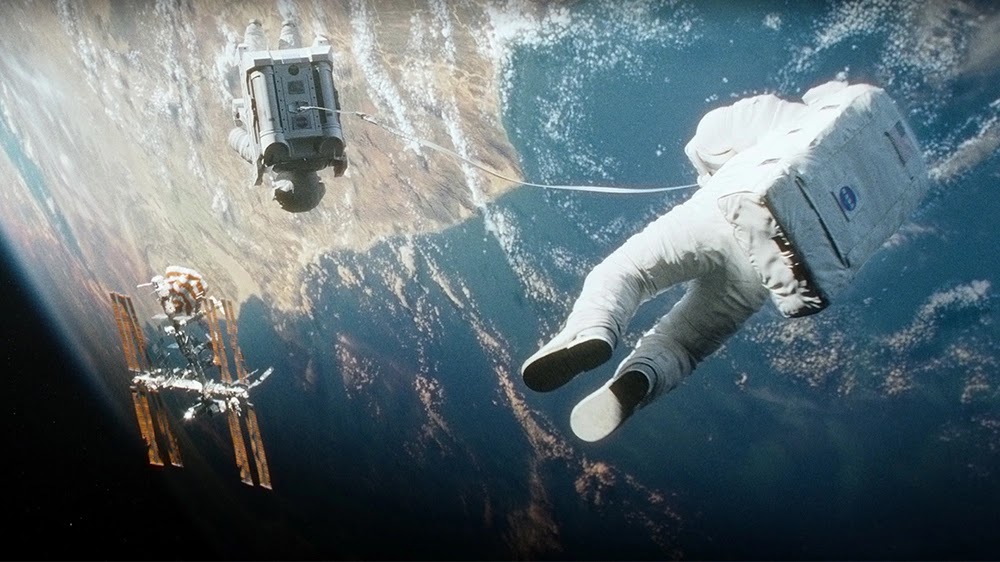
Sandra Bullock is stranded in space in Gravity

Director: Alfonso Cuarón

Cast: Sandra Bullock (Ryan Stone), George Clooney (Matt Kowalski), Ed Harris (Voice of Mission Control)

It’s often been said space is mankind’s final frontier. It’s beautiful and awe-inspiring. But it’s also a terrible place, a void where the normal rules that dictate how our bodies operate are completely suspended. We can only breathe what we carry with us and the lack of any atmosphere or gravity means a few metres might as well be a million miles. It’s in many ways the perfect conditions for a survival film – which, at its heart, is what Gravity is.

On a mission in space to repair the Hubble telescope, a collapsed satellite triggers a chain reaction of space debris hurtling in orbit at extreme velocities. Turned into a vast number of deadly bullets flying completing an orbit once every 90 minutes. This shrapnel destroys the mission, leaving specialist Dr Ryan Stone (Sandra Bullock) and mission commander Matt Kowalski (George Clooney) as the only survivors – and left with their only chance of return to Earth being to travel somehow to one of the other space stations in orbit and hitch a ride home on one of their escape pods.

Cuarón’s film is an engrossing and edge-of-the-seat 90 minute thrill ride, combined with a quietly meditative reflection on how our internal pain can make us drift through life. The film is titled Gravity but it’s there to draw attention to what is missing in the film. Not only the obvious – the lack of pull on her body – but also the lack of grounding in Stone herself. In mourning for the loss of a child, Stone has very little ties to earth or indeed anything. She is drifting through her life emotionally, much as she drifts through space itself. When asked why she likes it up in space, she replies “the silence”. She’s a woman untethered from life on earth in more ways than one.

So this is a film that is not just a survival but also a rebirth. We see Stone go through immense, dangerous moments of tension and terror, battling against all the odds to survive and return home. At the same time, the film carries an emotional weight because it’s also about Stone making a conscious decision to survive, to decide to re-engage with and commit to the world – to choose life if you like. Someone suffering from grief and depression as she does at the start of the film, may well have understandably embraced despair. Instead, the film is her coming to terms with the loss of her daughter, and a resolve to live her life for her.

All of this happens of course in the vast majesty of space, a vision beautifully captured by Cuarón. Filmed in an immersive style, with several long takes that don’t draw attention to themselves – a shot length that serves the purpose of the story not vice versa – and Cuarón is happy to use quicker cuts where needed. The camera follows the journey of Stone in epic and intimate detail, with shots exchanged between vast panamas of the astronauts as dots in space, to extreme close ups that bore into Stone’s eyes and capture her emotions from guilt, to hope, to terror. 

The long opening shot, that ducks and weaves around the weighless astronauts in space as they repair the Hubble telescope is of course a technical marvel, but it also brilliantly established the situation and the joy and fear of being an astronaut, of being allowing in the darkness and emptiness of space. It sets the scene perfectly from later shots that throw you into the adrenalin burning terror of spinning wildly in space with no resistance to slow you down or dodging debris moving at thousands of kilometres per second through space.

In fact the film is almost unbelievably tense – probably the most tense space film since Apollo 13 and in that we actually knew they were coming home alive (in a nice nod to that film, Ed Harris ‘reprises’ his role as mission controller in a voice-only cameo). With its brilliant immersive style, and the emotional bond it swiftly builds with the viewer, it means you will find you hardly draw breath along with the heroes. I’ve seen the film three times and each time after the first viewing I was sure it wouldn’t have the impact the first viewing had. But goddamn it, it works every time. The film is quick – at little under 90 mins – but you won’t feel it (in fact if anything you might be relieved).

Cuarón won the Oscar for direction, and the film is not just a load of flash and technical marvel (although it has a lot of both). It’s grounded in a very simple emotional story of survival, matched with an internal story (not overplayed) of resolving and dealing with grief. A lot of that works from the effectively unflashy performance from Sandra Bullock, who is very good in a part that requires not just physical but also emotional commitment. She’s well supported by George Clooney, who is perfect as the charming but calm and controlled mission commander who mentors her through the early stages of survival in space.

The film has a series of breathtaking set pieces – collapsing Hubbles, spinning astronauts in space, desperate space walks trying to grab any inch of objects to stop them drifting into space, collapsing space stations, burning up on re-entry – all of them shot with an elegance that marries technical excellence and dazzling camerawork and vision with a powerful story. A bag of tricks but one that is delivered with real heart.

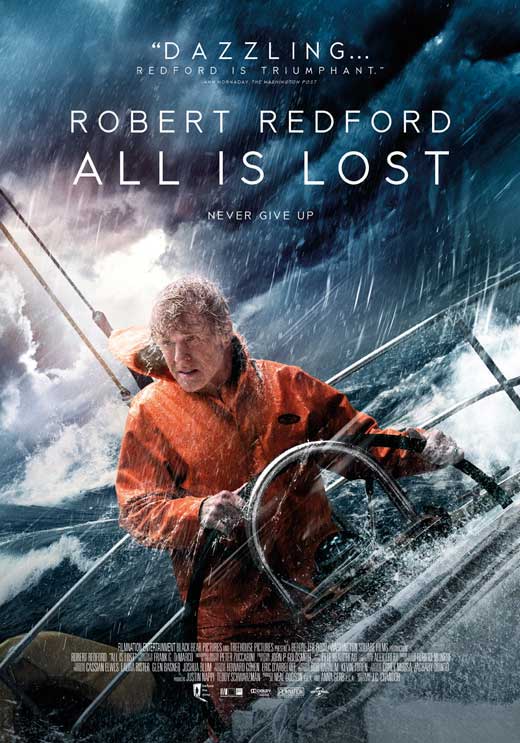
All Is Lost (2013)

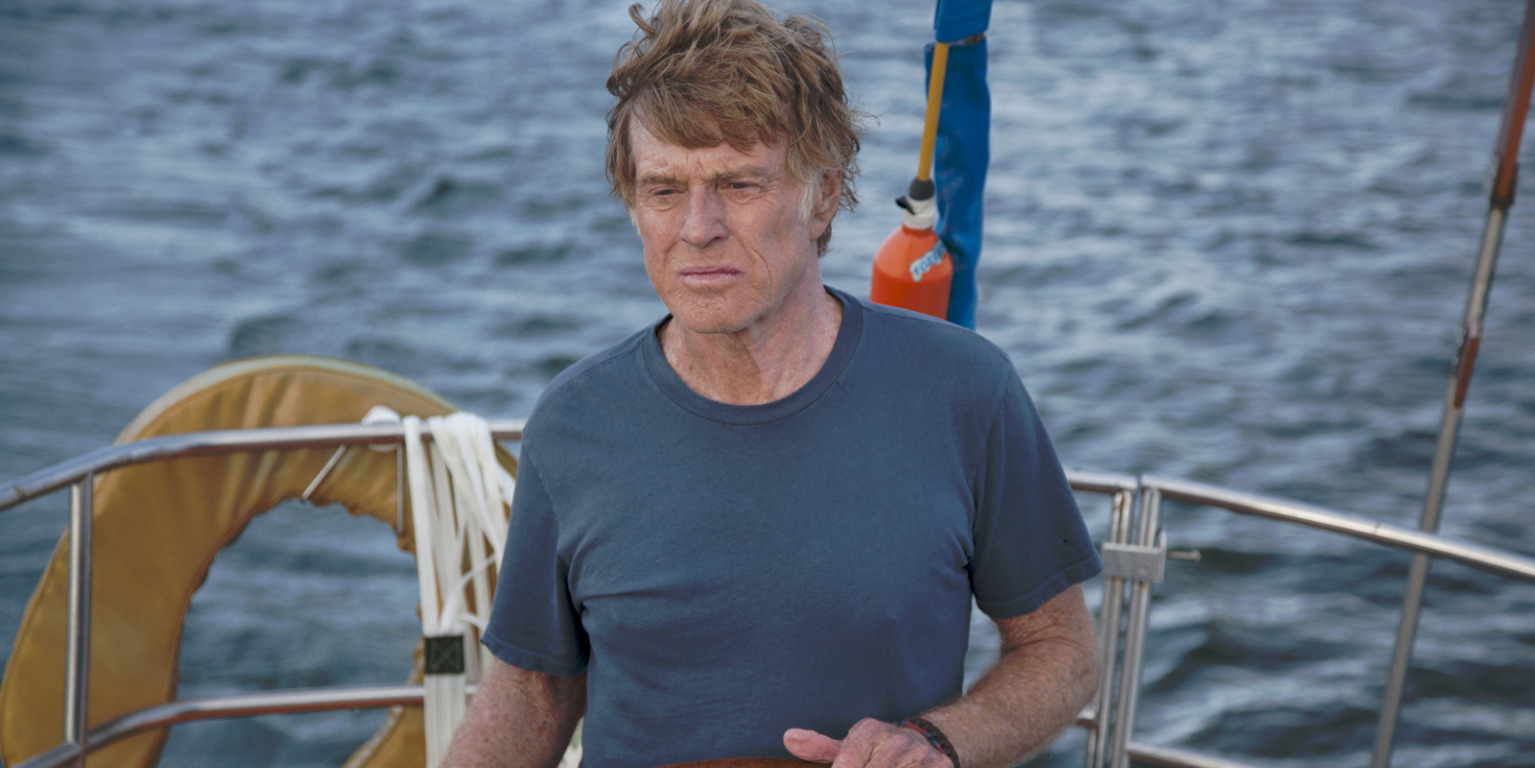
Robert Redford is in trouble at sea in All Is Lost

Director: JC Chandor

Cast: Robert Redford (Our Man)

Imagine the horror of facing death alone in the middle of nowhere. To what ends would we go to try and avoid it? All Is Lost is a film all about that seemingly impossible struggle to defy the odds. It’s a gripping survivalist story, brilliantly assembled with a wonderful, near wordless, performance from Robert Redford.

Redford is our man in more ways than one, a nameless sailor on a voyage in the Indian Ocean. When his yacht is struck by an abandoned shipping container, he wakes up to find water pouring in from a hole in the side of the boat. With stoic determination, he sets about attempting to repair and salvage the ship, in the face of fierce storms, hull breaches, dwindling supplies, equipment failures and practically everything else the gods can throw at him. 

JC Chandor’s film is a marvellously assembled and directed film that deals brilliantly with the intense claustrophobia of being alone in a small boat in the middle of a seemingly never-ending ocean. Despite being nearly wordless – after an opening monologue, Redford speaks no more than seven words throughout the rest of the film, one an exasperated end-of-his-tether scream of “Fuck!” after one more disaster – the film is full of sounds, and the never ending slap and lapping of ocean water is a constant reminder of the danger that surrounds the boat.

Chandor shoots the film with an immaculate intimacy: he carefully planned each shot so that the camera was never more than a certain distance away from the hero. The effect is to completely connect us with him –we feel as if we are right next to him, as immersed in his survivalist story as he is. It really makes the story feel as much like our struggle as Redford’s. 

Redford is also a perfect choice as the hero. An actor who has (deliberately) worked very little over the last 20 years – focusing on his directing and producing projects – Redford’s cache is unpolluted by overexposure as so many other of his contemporaries are (could you imagine Al Pacino in the role?). Redford – amazingly for such a famous actor – disappears into the role. His performance is a masterclass in stoic underplaying, of grim determination. The film is a series of tasks that the actor is required to execute – repairing holes, trying to fix a radio, steering the boat through a storm, preparing meals – and Redford performs them all with an unshowy realism. 

So committed is the film to the mastery of these details, that the entire story becomes increasingly engrossing. The bizarre thing is that the strange excitement of watching all these tasks being executed makes you want to jump in a boat yourself and head out to sea – even while watching Our Man face near certain death alone in the middle of the ocean. (Although I never, for one minute, could face adversity with such stoic determination – I’d be punching the walls of the boat and raging against the ocean). 

It’s that threat of near certain death that hangs over the film. Opening with a narration from Redford that sounds a hell of a lot like a last will and testament, while the camera passes by what will soon be revealed to be the abandoned shipping tanker that doomed the yacht, the expectation from the start is that it will not end well. How much does the man accept this over time? How much does the fear that this could be the end play on his mind (and for how long). The film ends (without wanting to give away too many spoilers) with a question hanging over the man’s fate, that you can decide depending on your optimism or realistic pessimism. 

Chandor intended the film, I believe, as spiritual journey. The man goes through great hardship – in near wordless silence – facing a string of obstacles like some sort of biblical parable. The aim is for him to come to terms with himself – and to find peace with his fate and what his life has been. It’s a hard and difficult journey, but one that the man must travel in order for the journey to have meaning.

But it’s also about the desire we have to cling to life – to not let go no matter what obstacles are placed before us. How our best qualities sometimes emerge when we meet adversities like triumphs, about never letting despair enter our souls.  The man’s journey is engrossing and overwhelming because we all feel (or like to feel) that we would never despair or give up in the face of these odds. All Is Lost maybe the title, but it never really is until we give up.

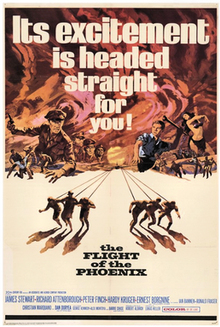
The Flight of the Phoenix (1965)

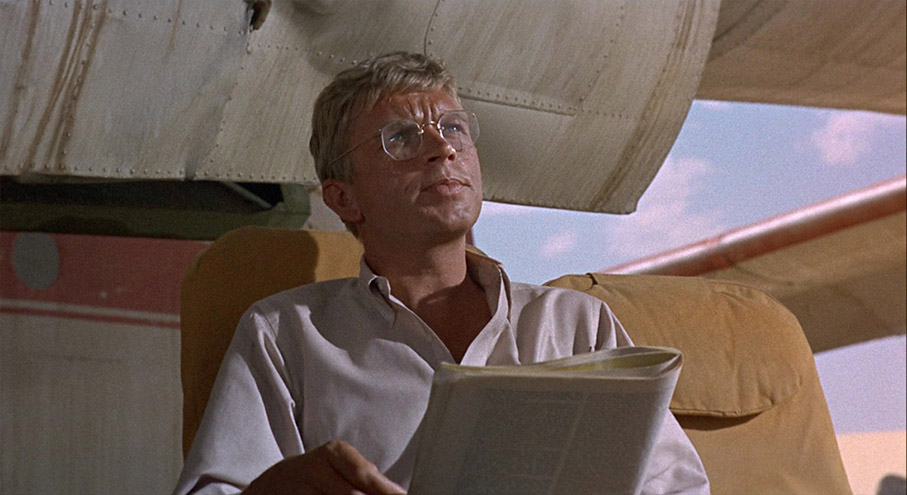
Fury and despair are never far away in brilliant survivalist film The Flight of the Phoenix

Director: Robert Aldrich

Cast: James Stewart (Captain Frank Towns), Richard Attenborough (Lew Moran), Hardy Krüger (Henrich Dorfmann), Peter Finch (Captain Harris), Ernest Borgnine (Trucker Cobb), Ian Bannen (“Ratbags” Crow), Ronald Fraser (Sergeant Watson), Christian Marquand (Dr Renaud), Dan Duryea (Standish), George Kennedy (Mike Bellamy)

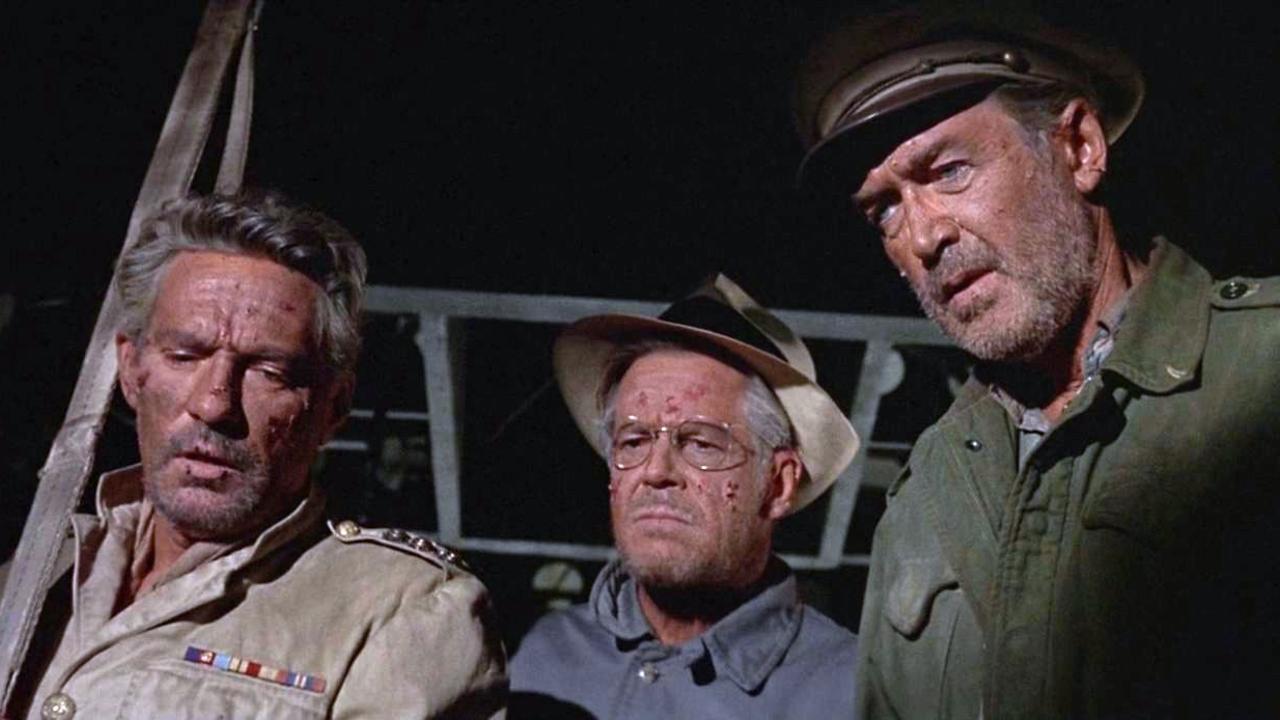
Every so often you watch a film and say “where have you been my whole life!”. That’s the case with The Flight of the Phoenix– I can’t even imagine how much I would have loved this film if I had seen it when I was younger. This one has got it all for fans of anything from disaster movies to personality clashes. Aldrich’s film is a Sunday afternoon classic with bite, a brilliantly constructed actors’ piece set in the claustrophobic confines of the only shelter for miles around in the Gobi Desert.

Frank Towns (James Stewart) and Lew Moran (Richard Attenborough) are the pilot and navigator on a cargo plane flying to Benghazi, with several passengers. Caught in a sandstorm, the plane crashes in the desert over 100 miles off course. The chances of being located are small and the survivors have only enough water for a little under a fortnight, so long as they avoid exertion. While Towns quietly struggles with the guilt, and different (hopeless) solutions are suggested, German aeronautical engineer Heinrich Dorfman (Hardy Krüger) believes that they can build a new airplane from the wreckage to fly themselves to safety. Towns and Dorfman are incompatible people, leaving Moran to play peacemaker and to support the building of the new aeroplane which may be (as Towns believes) a forlorn hope in any case.

Amazingly the film was a box-office flop on release – but time rewards skill, because you watch the film and marvel at the economy of its storytelling, its expert direction, wonderful acting and fantastically drawn characters. It’s a film of immense tension, with nearly all of this coming from the bubbling potential for deadly clashes between the trapped men. The rest is supplied by the ever-present threat of diminishing resources – none more so than the limited supply of cartridges needed to start the new plane’s engine (they’ve got seven and, best case, need at least five). 

It’s this grim awareness of the knife-edge everyone is living on that powers the film. Every single resource is precious, and the pressure and fatigue show in every scene. As the film progresses, each of the men slowly disintegrates, growing increasingly scruffy, unshaven, dry skinned and weak and more and more susceptible to anger. Aldrich charts all this with professional excellence, the editing skilfully cutting away at several points to reaction shots from the actors as feuds come to a head, helped by some gloriously subtle and intelligent acting. 

And it’s not surprising really – few films capture the grim pressure of the desert better than this. Sand dries out skin and throats, reflecting the beating heat of the sun everywhere. The clear sky and burning sun turn every surface into smouldering heat – even the shade offers little respite. The viewer is left with no doubt about the insanity of spending time out of the shade in these conditions. You know immediately Captain Harris’ plan to walk 500 miles over the desert with a single canteen of water is absurd (it doesn’t end well of course). It’s a beautifully shot film that makes the mystical glamour of the desert beautiful and terrifying.

One of the things I like best about the film is that it is almost impossible to predict who will come out alive and who won’t. Unlike most Hollywood films, characters are not punished for deviating from goodness and purity – some of the most noble characters don’t come out alive, while some of the most self-serving, selfish and cowardly ones do. Even the central heroes are flawed: Towns is struggling with depression and a near crippling guilt that almost leave him fatalistically accepting death; Moran is a drunk possibly to blame for the whole disaster; Dorfman is arrogant, difficult, prickly and in many ways flat out unlikeable. 

Ah yes, Dorfmann. What a superb performance from Krüger (the first actor cast). In a masterstroke of invention, the character was changed from British (in the novel) to German. This opens up a whole world of additional prejudice between Dorfmann and the other passengers. “What did you do during the war?” antagonistic joker Ratbags asks Dorfman pointedly. It’s a tension that underlies most of the clashes. Dorfmann doesn’t help with his almost complete lack of awareness of social etiquette and his Germanic insistence on probabilities of survival: he sees no problem with treating the rest of the survivors like staff, openly debates the wisdom of helping the critically wounded, refuses to explain his thinking until absolutely pressed and has no empathy for their flagging strength and morale. But he also has a strange naivety which plays into a late plot reveal hinging on Dorfmann’s inability to read the reactions of the people sitting next to him. The film and Krüger flirt brilliantly with Germanic stereotypes – is there a more “German” character in film than Dorfmann? He’s about as far from a white knight as you can get.

But then so is James Stewart’s Towns. One of the things I like most about the film is the difficult psychology of survival. Towns is clearly struck with a barely understood guilt about the people killed in the crash, and seems ready to fatalistically accept death. His clash with Dorfmann is powered by numerous factors, not least a sense Towns has of his generation being replaced by a younger, technically minded one and a sense of losing control of his destiny. Nevertheless, Towns almost fanatically opposes the project at one point – and basically only accepts it when Moran and Dr Renard (an immensely noble Christian Marquand) tell him it’s better to have a chance of something to live for than to sit around dying. Stewart brilliantly taps into the ambiguity in his screen persona – a decency beneath the surface, but also a psychological weakness, a need for control under the nice-guy persona, a man struggling to accept he is out of his depth. It’s a brilliantly low-key psychological performance of a man struggling to button up guilt, pressure and unease.

The whole cast is superb. Attenborough plays the closest to type as a loyal number 2, but even he is clearly struggling to hold acres of despair while constantly playing peace-maker. Ronald Fraser is exceptional as a career army sergeant tottering on the edge of open-rebellion throughout the film, who betrays his commander’s trust no less than three times and is the most unknown wildcard in the pack. Ian Bannen was Oscar-nominated for his electric performance as a bitter, sarcastic Scots oil-worker who surprises everyone with his hard work while never letting up for a moment his bitter commentary on events. Peter Finch gives an excellent, ram-rod straight, almost naively decent stiff-upper lip performance as Captain Harris, a man a few degrees away from a noble idiot. Ernest Borgnine is touching as an oil foreman suffering from exhaustion and stress.

All this comes together in a superior package of film making, expertly made and superbly directed, with the actors embracing their well-developed characters with glee, making this in many ways part disaster movie, part chamber piece play. I love the little surprises it throws at you – just as you think you know a character there is a moment that surprises you or makes you reassess them. The tensions and dangers of survival in extreme conditions are brilliantly captured. There isn’t a weak moment in the film, and plot twists and surprises throw curveballs at the audience, some of which bring terrifying consequences. For any lovers of survival stories, acting or tense movies this is an absolute must.

Apocalypto (2006)


Rudy Youngblood is on the run in Mel Gibson’s Mayan experience epic

Director: Mel Gibson

Cast: Rudy Youngblood (Jaguar Paw), Dalia Hernández (Seven), Jonathan Brewer (Blunted), Morris Birdyellowhead (Flint Sky), Gerardo Taracena (Middle Eye), Raoul Trujiilo (Zero Wolf)

In the early 1500s, the Mayan civilisation is at its final peak before its collapse. However, it is a civilisation built on human sacrifice and exploitation. A peaceful village is brutally attacked by Mayan soldiers, who take the women to be sold into slavery and the men to be sacrificed to the sun. Jaguar Paw (Rudy Youngblood) manages to save his wife and child, but is captured and taken to the Mayan capital where he struggles to survive, escape and find his family.

Setting a film in the long gone Mayan civilisation, in an entirely dead language, with no stars is a brave choice for any film-maker. So you have to tip your hat to Mel Gibson, for all his undoubted unpleasantness, that he was brave enough (or powerful enough) to put the project together. It could have been a grand folly but, thanks largely to Gibson’s undoubted prowess as a film-maker, it’s a relentless experience movie, with moments of horror expertly mixed with terrifying edge-of-the-seat tension. It’s a clear sign that, for all his personal issues, Gibson is a very fine director.

The chase, when it comes in the final third is unrelenting, and brilliantly shot and edited. Gibson uses a range of different cameras, from those mounted on Youngblood, to tracking shots, to aerial shots to throw us into the middle of the action. Trees blur by, the soundtrack pounds, the camera doesn’t let up. Gibson also knows to throw in quieter moments – pause points, moments to take breath for both the pursuers and the pursued. Jaguar Paw carries a dreadful wound – and runs on the same level of adrenalin as the film provokes in its audience.

Of course, it’s also, as per a Gibson film, very bloody stuff. Faces are bludgeoned. Bodies are cut to pieces. A jaguar literally rips a man’s head apart. The film wants us to experience this bloody world first hand. As a piece of film-making, it’s addictive in its unremitting violence and tension. It’s also compelling how the odds slowly change throughout the chase – like a Die Hard in the jungle, the further the pursuit heads into the jungle, the greater confidence Jaguar Paw possesses, and the more he is able to turn the tables on his pursuers. This also highlights the savage danger of nature itself – the jungle is full of potential dangers, from jaguars to hornets to poisonous animals.

It’s far from perfect of course. The script is dire – the subtitled content we read if often terrible clunky. The opening sequence is a long series of jokes about eating a wild pig’s bollocks. There are strange anachronistic turns of phrase – at one point a collapsing tree nearly takes out the convey of slaves, leading Zero Wolf to shout “I’m walking here!”. If you were in any doubt about the essential crudeness and simplicity of Gibson’s sense of humour, you only really need to read the subtitles.

But because the film is subtitled and feels like a brave piece of film-making, it’s very easy to assign a depth to it that the film doesn’t really have. It is, to all intents and purposes, an 80s action film transposed to an ancient civilisation. It would like to think it has some profound message about the nature of man. But it’s largely an experience movie that throws you into an old civilisation and wants you to vicariously feel the suffering of its central character. It’s Gibson at his most visceral, throwing us into worlds of violence, tapping into elemental feelings of pity and horror. 

I guess there are themes in there about the universal corruption and cruelty of great civilisations, with their violence, greed and cruelty – and we know the conquistadors are just round the corner. But other than presenting this as is, the film doesn’t make too much of an effort to draw real contrasts with our world. It is what it is. The audience is there to feel the fear and the horror of the innocent villagers being fed to the Mayan human sacrifice machine. Any pretence to this being a profound movie on top of that is just that: a pretence.

But Gibson can shoot the hell out of a film, and this is tense, engrossing viewing – largely because you’ve not really seen anything else really like this. The scenes at the Mayan sacrifice temple are horrifyingly hypnotic in their orgy of death. Our villagers have a chilling powerlessness in the face of this death machine that awakens all our feelings of vulnerability and sympathy. Violence and murder is shown to be central to Mayan civilisation – and it might not carry that thematic idea forward too much, but at least it’s an interesting suggestion.

But Gibson’s primary purpose here is to make a high-octane chase movie – an actioner, set in a primitive civilisation, where human beings on foot carry all the energy of the chases, and the stakes feel impossibly high. You have to admire Gibson’s power as an immersive film-maker, and the unique vision he presents, difficult as it can be to watch. It’s something truly unique, often shockingly so. And if it is, at heart, part chase part slasher with slightly more depth, it’s also something you can’t imagine many other directors having the chutzpah to put together.

127 Hours (2010)

James Franco is literally stuck between a rock and a hard place in this mesmeric film from Danny Boyle
Director: Danny Boyle

Cast: James Franco (Aron Ralston), Kate Mara (Kristi Moore), Amber Tamblyn (Megan McBride), Clémence Poésy (Rana), Lizzy Caplan (Sonja Rolston), Kate Burton (Donna Ralston), Treat Williams (Larry Ralston)

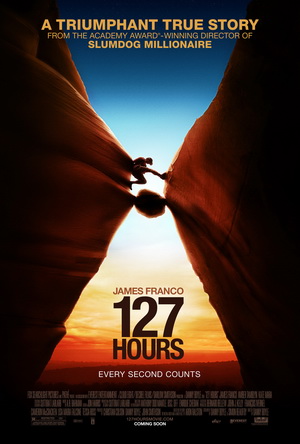
Even people who’ve never heard of Aron Ralston, surely know this as “that film where James Franco cuts his arm off” (as my wife called it when I said I’d watched it). But, with the inspired direction of Danny Boyle and brilliant performance from James Franco, this is so much more than just a film about cutting an arm off.

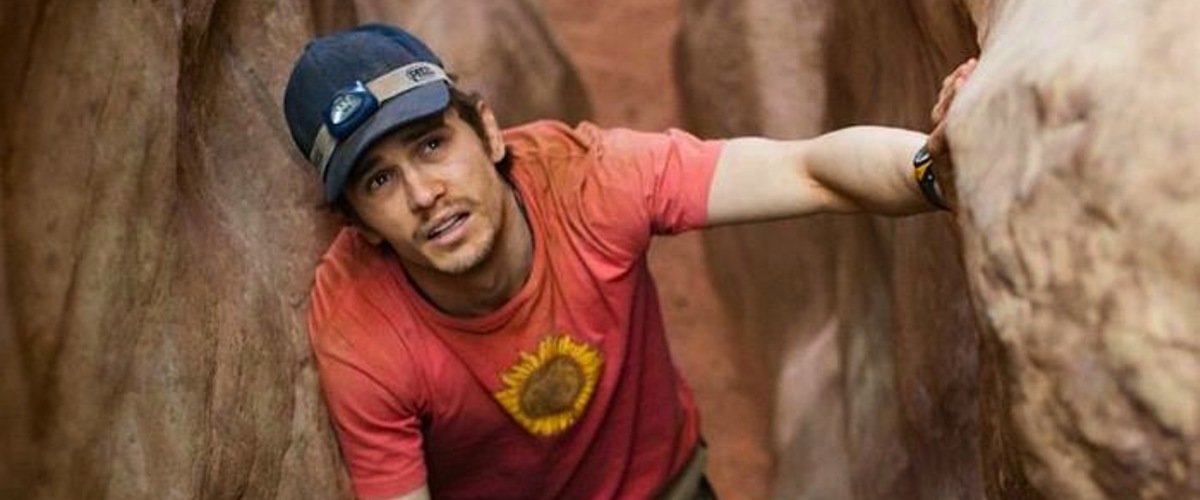
Aron Ralston (James Franco) is an adventurous free-spirit, who loves nothing better than solitary journeys in isolated places. He’s asking for trouble – and ‘Ooops!’ (as he puts) one day he gets it, falling into a crevice where his arm is crushed in place by a boulder. Ralston is trapped for 127 hours, with limited food and water and only the contents of his rucksack to help. There is no chance of anyone finding him for weeks. Eventually the only option left for Ralston is the unthinkable: to disconnect his body from his trapped (and already dead) arm.

Possibly only Danny Boyle could make a film as dynamic, visually exciting and fun as this, about a man who spends the entire time stuck behind a rock. Ralston is such a vibrant personality that Boyle’s visual inventiveness works perfectly for the material. Boyle finds a host of brilliant angles and editing tricks to film, not only Ralston’s trapped positon, but also the host of day dreams and (increasingly) hallucinations Ralston experiences.

The film doesn’t rush us into Ralston’s trap either. The first 20 minutes show Ralston’s life as he lives it – independent, friendly, adventurous and essentially focused on himself. It also shows us how exciting and fun exploring can be – something we really need to know, so as not to think “Why are you even doing this, you idiot!” later.

When the event happens (and the film mines a lot of good-natured tension as we constantly wait for it to happen) it’s both sudden and low-key. Ralston’s first reaction (and yes it’s partly shock) is surprised irritation. Then the film swiftly tightens in on the small world this adventurer is now restricted to. The crevice, the boulder, a strip of sky, the contents of his rucksack – all of which (despite his best efforts) are inadequate for getting him free. Boyle’s immersive skill in staging Ralston’s claustrophobic position is so great that you feel the same unnerved surprise as Ralston does when he is finally free, after watching him fixed in place for over an hour.

The film gets a certain dark humour from the foreknowledge almost anyone watching has. Some of the very first shots, show Ralston’s hand reaching into a cupboard looking for his pen knife (the want of which he later heavily regrets), the knife close to the camera, just out of Ralston’s casual reach. Later, there is an extra agony watching him chip away uselessly at the rock (with a utility knife he establishes is not sharp enough to cut his thumb), knowing every blow is making this knife blunter and blunter –making what we know he will have to use it for later harder and harder to do.

Ralston finds himself in an impossible situation (from his own hubris and overconfidence), but not only keeps hold of his sense of hope and humanity but also makes profound discoveries about himself and his life. That’s the focus Boyle keeps his story on – and each of the flashbacks and hallucinations focus on Ralston reviewing his past mistakes he’s made and reflecting (without heavy handed dialogue) on how (if he escapes) he could change his life.

A lot of the film’s success is based on James Franco’s exceptional performance. It’s is as alive and throbbing as the movie, and he really understands the charismatic fire in Ralston, the egotism and cockiness matched with resourcefulness and determination. He’s every inch the guy cocky enough to go it alone in the wilderness, and skilled enough to explore every angle for escape. He’s not an idiot, but not a hero – he’s a guy who grows to understand mistakes he has made, while never wallowing in self-pity, who can make the kind of calls most of us would find unthinkable.

As for that scene? Well yes it’s tricky to watch (to say the least), but not because it’s graphic or unpleasant – but because Boyle makes carrying out such an act so logical, so necessary, that you look down at your own arm and wonder if you would have the guts to do the same. The premonition Ralston reported of seeing his own yet-to-be-conceived son, giving him the determination to do the deed, is staged by Boyle with a dreamy lyricism. This is picked up in AR Rahman’s score, which slowly build in intensity to consume the scene. As Ralston cuts each of the nerve endings in his arm, the music jars in a way that tells us more about pain than any level of screaming would do.

So yes the central event is hard to watch – but this is not exploitative or gross-out. Instead it’s a rich, rewarding and engaging film, dynamically filmed – for a film about a guy trapped in one place, it constantly feels like it is on the move. It’s a story about the human spirit, and how we can conquer impossible odds – especially when we feel, as Ralston did, that he wasn’t doing this just for himself but for his family. Far from an endurance trip, this is a heartfelt and moving story that left me feeling uplifted. I think it might be Boyle’s best film since Trainspotting.

The Revenant (2015)

Leonardo DiCaprio conquers the wilderness

Director: Alejandro González Iñárritu

Cast: Leonardo DiCaprio (Hugh Glass), Tom Hardy (John Fitzgerald), Domhnall Gleeson (Andrew Henry), Will Poulter (Jim Bridger), Forrest Goodluck (Hawk), Duane Howard (Elk Dog), Arthur Redcloud (Hikuc), Melaw Nakehk’o (Powaqa), Grace Dove (Glass’s wife), Lukas Haas (Jones), Paul Anderson (Anderson)

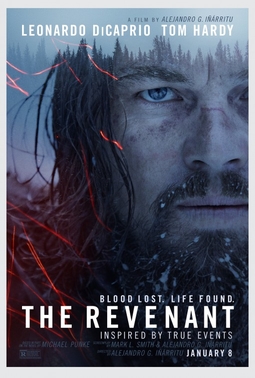
The Revenant may have been one of the hardest films ever made. Iñárritu’s bleak survivalist masterpiece may not be the easiest watch – and certainly not the most fun – but it is something really unique and interesting, an attempt to completely submerse the audience in one character’s experience, with little interest in narrative, context or characterisation.

In 1823, Hugh Glass (Leonardo DiCaprio) is mawled by a bear while leading a group of trappers away from an Indian ambush. Slowing the rest of the men down, he is left in the care of a small party led by Fitzgerald (Tom Hardy). Fitzgerald abandons Glass to save his own skin – murdering Glass’ young son, he leaves Glass for dead, alone in the frozen wilderness.

This is a true experience film, that’s probably easier to admire and respect than it is to love, or even enjoy. As a technical accomplishment it is outstanding: it looks absolutely fantastic. Apparently all lit by natural light, the film has a dusk/dawn beauty to it throughout its running time that perfectly captures the harshness of the setting. The camera also unstintingly follows the burdens of its central character, close and personal with the action, often using hand held and Steadicam to throw us into the action: the three major “action” sequences have an almost unbearable intensity to them.

Iñárritu’s direction is masterful – this is a splendidly directed piece of cinema, a bravura display of accomplishment, which has the confidence to largely not draw attention to itself. In fact, that’s a major strength of the film – its technical brilliance, its striking editing and wonderful photography all serve the purpose of bringing us closer to the experience of Glass, throwing us into the world. The opening attack of the Indians on the trapper probably deserves a host of Oscars by itself, a frighteningly vivid, desperate conflict that the film throws the viewer right into the middle of. Similarly the fateful bear attack has a brutal efficiency about it that makes the viewer feel every bite and blow on DiCaprio’s battered body.

It’s well known that Leonardo DiCaprio won the Oscar for his role in the film. Possibly this was as much (if not more) a testament to his fierce commitment to this role than the actual performance. There is certainly no debate about that. Never mind the freezing cold conditions, DiCaprio spends a third of the film bound to a filthy stretcher before being swept down rapids, eating a raw fish from a lake, and climbing naked inside the guts of a dead (hopefully prop) horse… Throughout all this, a combination of his isolation and wounds means he says very little, but only growls and groans. It’s not an acting performance in the sense of a character creation – you learn very little about Glass, and other than his strength of will and hunger for revenge, little of what motivates him – but it is a complete physical performance. And DiCaprio probably deserves some sort of reward for leaving nothing in the dressing room in playing it.

The “character” acting is left far more to Tom Hardy as the weak, arrogant, blindly wilful Fitzgerald. Hardy’s performance was a little overlooked here, but it’s as fiercely committed as DiCaprio’s and, in many ways, is a more complex and intriguing character – a man with the force of will to lead but without the courage and integrity that makes a true leader of men. Yes he mumbles the dialogue – at times I did find it a little unclear what he was saying – but it is a very accomplished exercise in character creation from slight material. The rest of the cast are all equally strong – Will Poulter is terrific as a naïve Bridger, as is Domhnall Gleeson as the rigid Captain.

But the film is possibly so triumphant in its mise en scene that it overpowers the themes and narrative of the film. It is surprisingly easy to forget that Glass is a man powered by revenge, so completely is the focus on his survival. His past grief over his deceased wife is murky and unclear on first watching, not enough focus or context given to it by Iñárritu’s storytelling. Many of the “narrative” encounters that Glass has over the film are not particularly new or unique. Iñárritu’s film here is not really about the story, but the telling of it. And in focusing on the detail of delivering the story, it loses the heart and investment that a real story needs. Glass’s journey is terrible, his suffering huge, his perseverance and will striking – but I can’t say that I felt particularly emotionally involved with his struggle or got a sense of his emotional pain.

As such, this increasingly becomes a film that is easier to respect and admire than it is to love. Despite DiCaprio’s commitment and bravery as an actor, Glass is largely an enigma and the film itself is an immersion in an environment rather than a piece of drama. As a viewing experience it grips during its duration, but I’d be fascinated to see when I watch it again, will this be enough to make it last? Will a familiarity with the story allow the themes it attempts to deal with – revenge, grief etc. etc. – come out more strongly? Either way, any film that requires a second viewing is one that deserves recommendation.