Category: Journalism film

The China Syndrome (1979)

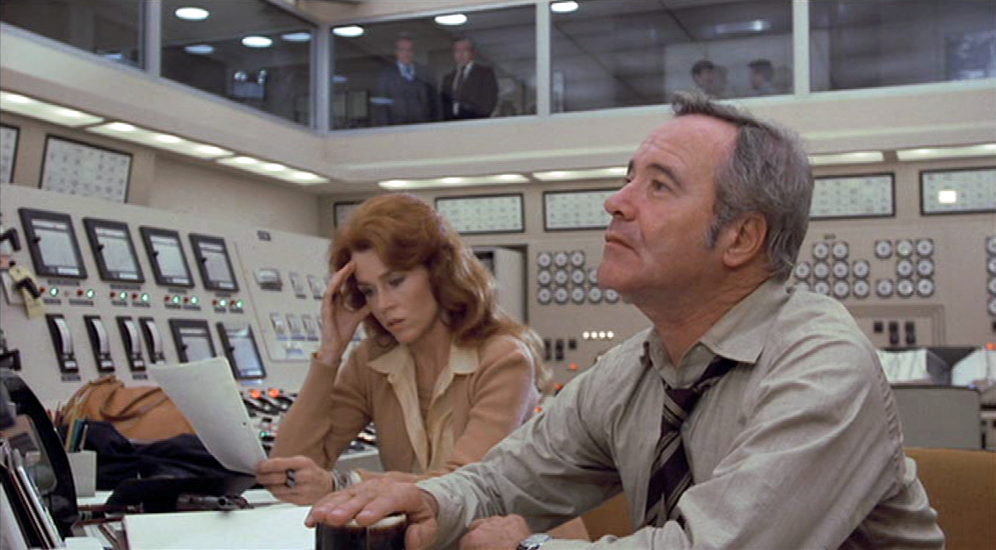
Jane Fonda and Jack Lemmon struggle against Big Business interests in the Nuclear Industry in The China Syndrome

Director: James Bridges

Cast: Jane Fonda (Kimberly Wells), Jack Lemmon (Jack Godell), Michael Douglas (Richard Adams), Scott Brady (Herman DeYoung), Wilford Brimley (Ted Spindler), James Hampton (Bill Gibson), Peter Donat (Dan Jacovich), Richard Herd (Evan McCormack), Daniel Valdez (Hector Salas)
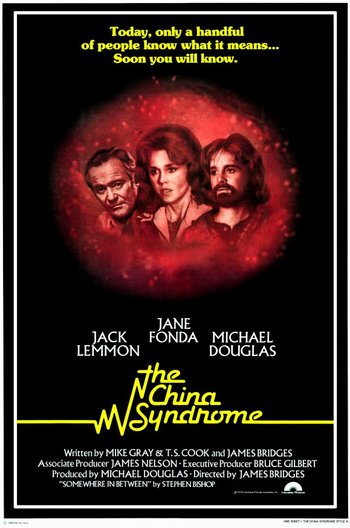
Do we really trust nuclear power? There is something about the dangerous possibilities of splitting the atom that alarms people even today. For all that burning coal wrecks our atmosphere, people would still rather that than live downwind of a station powered on substances that could obliterate everything within a five mile radius if something went wrong. The China Syndrome is about exactly that, an accident at nuclear power plant that could spell disaster for California.

Kimberly Wells (Jane Fonda) is a roving reporter for a Californian news channel, who (thanks to her sexist bosses) is constantly relegated to ludicrous puff pieces (“Today a hot air balloon landed in downtown LA!”). Sent to a nuclear power plant, she stumbles upon the real news story she has waited her whole career for when she and camera-man Richard Adams (Michael Douglas) secretly film a near catastrophic incident. Investigations try to brush the event under the carpet, but shift supervisor Jack Godell (Jack Lemmon) knows corner-cutting and cost-saving is putting the whole of LA at risk – and, much against his inclination, he needs to speak out. 

The China Syndrome comes very much from that burst of 1970s conspiracy thriller films where shady big-business types are willing to throw almost anything under the bus in order to make a big bonus. It’s a film that takes a pop not only at the heartless bastards running a shoddy nuclear power plant (who couldn’t care less if the reactor is poorly welded together, so long as the money keeps rolling in) but also the hypocritical cowards running the media. The heads of the news channel kowtow swiftly to big business and are staggering in their sexism and race-to-the-bottom news coverage.

This film is as much about this brainless conformism as it is the dangers of nuclear power. The film is full of people who don’t want to rock the boat: half the people working at the plant would rather turn a blind eye to problems than pay the personal price of exposing them – even Jack Lemmon’s manager is the most reluctant whistleblower you’ll see in the movies. Fonda’s journalist may not be happy with her role as airhead eye-candy, but she will play the game in order to get ahead in the industry the role – and many of her media comrades seem almost totally lacking in any journalistic instincts. The film is bookended by inane TV coverage and advertising, a condemnation of an America that doesn’t ask questions and is sleepwalking towards catastrophe.

This catastrophe is, of course, extremely close – the power plant nearly goes into meltdown because a single dial gets stuck on a high reading, leading the control room to believe the nuclear rods are about to get flooded rather than nearly being exposed. Bridges mines a heck of a lot of tension from this crisis – told entirely from the perspective of the control room – as workers react with both stressed fear and a practised professionalism to a crisis that could become a disaster. Its part of a film where regular joes are generally professional and good at their jobs, but are let down and betrayed by the culture encouraged by the higher-ups.
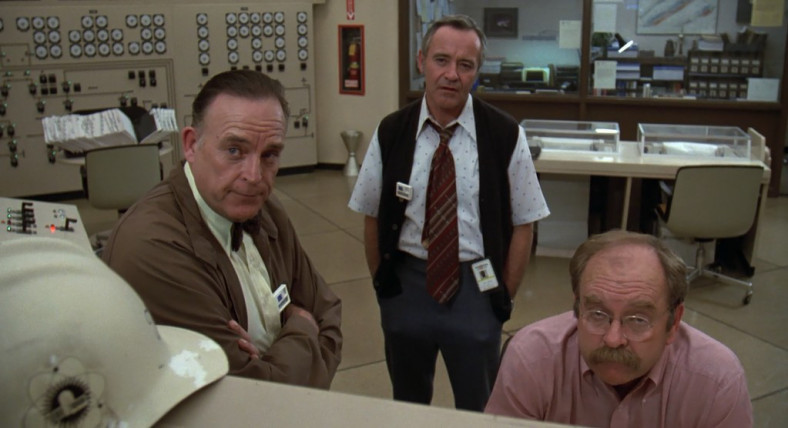
Some of these themes, however, get a bit muddied in the film’s middle third, which gets bogged down way too much in nuclear theory, committee meetings, slow explanations of different types of weld, and dry lectures on the functioning of nuclear energy. While it is admirable that the film has no score, you can’t help but feel that a little music here to add some drama to Lemmon looking at x-rays or Fonda staring at diagrams could have helped pump up the tension. 

But it all gets paid off by the sudden (and surprising) shift to action and drama in the film’s final third, kickstarted by a surprisingly gripping car chase between Jack Lemmon’s quiet station manager and some shady goons hired by the company. Suddenly the film is powering through a tense series of set pieces that both feel like a different movie, while still a natural progression of the stakes.

Bridges directs the film very well. Each scene is calmly and coolly assembled, and he has a great eye and ear for technology and the noises and motions of machinery, which dominate the film – even if the film is rather in love with these background sounds, which risk taking over the soundtrack. It’s all part of stressing the cold mechanicalism and lack of humanity throughout both these industries. Sometimes the foot comes off the gas a little too much – you could probably trim at least 15 minutes – but when it comes to the moments of tension he directs with sharp snappiness.

The acting is also sublime. Jane Fonda is extremely good as Kimberly Wells. Initially she seems as light and superficial as the stories she is forced to cover, but Fonda paints a clever picture of a woman squeezed into playing a role, but yearning for (and capable of) so much more, who when she finds her moment shows levels of determination and cunning you would never have expected. For all her desire to become a ‘proper’ journalist though, Wells is savvy enough to make sure she is being filmed from her good side… Fonda makes her a careerist who uncovers a sense of moral purpose. She also manages to bring real emotion to the role, making Kimberly Wells a character we swiftly connect with.
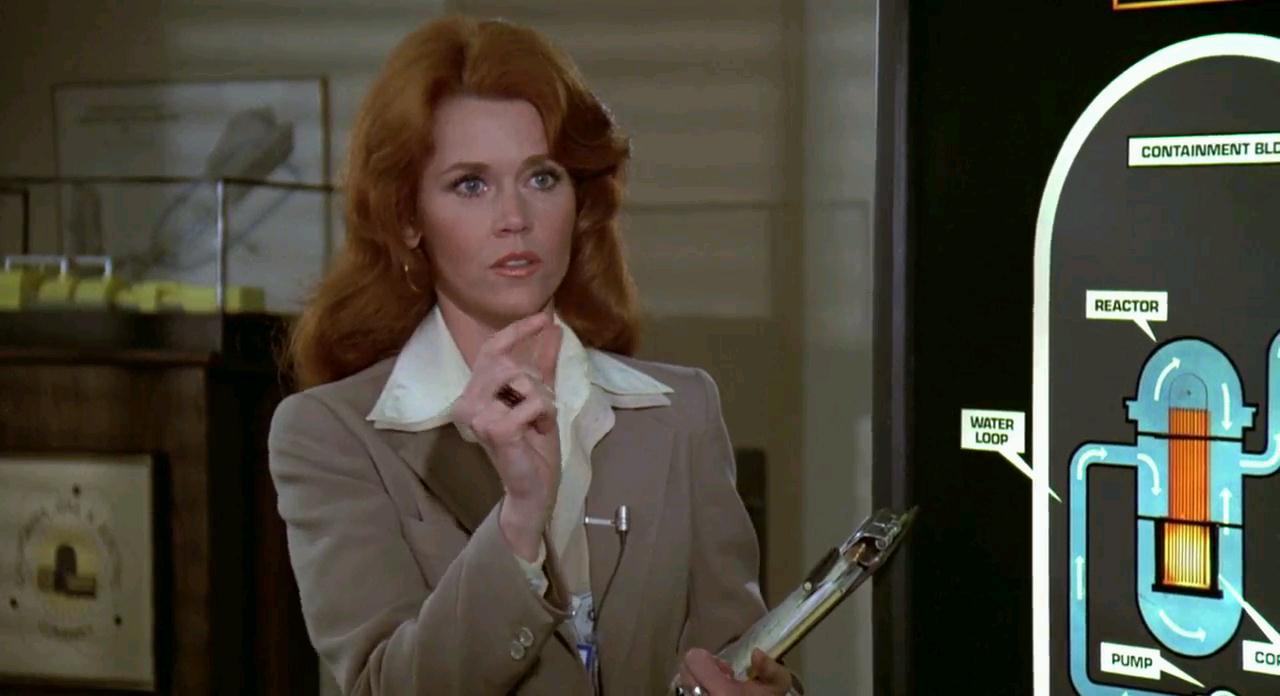
The movie however is stolen away by Jack Lemmon, brilliantly low-key and everyday as the shift manager who becomes an overwhelmingly reluctant whistleblower. Lemmon’s performance is a perfect study in smallness, of a quiet dignity. He’s got no desire to rock the boat, quietly stating that the “plant is his whole life” – but when stirred, his professional pride transforms into determination to do the right thing, even while his lack of magnetism makes him unpersuasive and hard to take seriously. It’s a terrific performance of low-key tragedy, with Lemmon building the tension with small flashes of resentment, fear, determination and disillusionment flashing across his face. It’s a great reminder of what a marvellous dramatic actor Lemmon was.

Expertly produced by Michael Douglas (who does sterling work in the third-banana role as the camera man overflowing with conviction), The China Syndrome may at times be dry, but it makes up for that with its moments of high drama and moral conviction. By and large it avoids hectoring and lecturing the audience (when not teaching us about nuclear power), and lets its points be soft-sold rather than banged home. With some terrific performances, it’s a film that still feels relevant today, and is a great example of the 1970s conspiracy thriller genre.
Sweet Smell of Success (1957)


Tony Curtis and Burt Lancaster have no scruples and no morals in the dark exploration of American culture, Sweet Smell of Success

Director: Alexander Mackendrick

Cast: Burt Lancaster (JJ Hunsecker), Tony Curtis (Sidney Falco), Susan Harrison (Susan Hunsucker), Martin Milner (Steve Dallas), Sam Levene (Frank D’Angelo), Barbara Nichols (Rita), David White (Elwell), Jeff Donnell (Sally), Joe Frisco (Herbie Temple), Emilie Meyer (Lt Harry Kello)

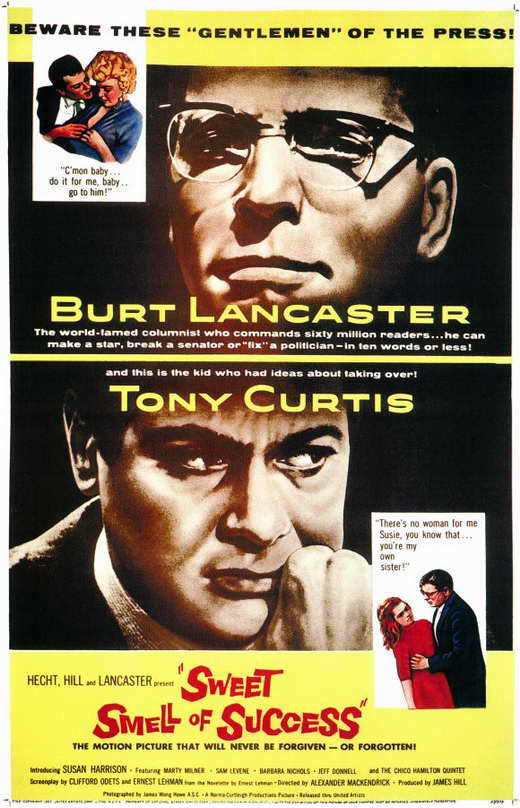
Is there a more cynical film in all the world than Sweet Smell of Success? Is it any wonder that the preview audiences, settling down to watch what they expected to be a Tony Curtis light comedy, went crazy? But Sweet Smell of Success is a film that captures the sweaty desperation of show-business, and the cut-throat ambitions of Manhattan. It’s a brutal, sharp, vicious black comedy, in which all our heroes are vile and everything can be bought and sold.

JJ Hunsecker (Burt Lancaster) is a newspaper columnist, so influential that the slightest mention in his column can make or break careers. He rules the New York politics and arts scene with a ruthless fist – and press agents like Sidney Falco (Tony Curtis) will do anything to get even the slightest sniff of a mention in the column. Hunsucker has a job for Falco: Hunsecker’s sister Susan (Susan Harrison) wants to marry jazz musician Steve Dallas (Martin Milner), and Hunsecker doesn’t approve – he wants the relationship finished. Falco may feel some qualms – but they don’t last long, and he’ll do anything he can to wreck the couple’s happiness.

Sweet Smell of Successis all about the grimy effort and lack of morals that sit under the surface of getting to that success. Because to achieve it in the big time you need to be as sinister, controlling and bullying as Hunsecker – and to try and get up there you need to be as conniving and weaselly as Falco. Both these characters are, in their own ways, almost totally reprehensible – and the film makes no attempt whatsoever to mitigate this. The film is appallingly ruthless and cynical, and its two lead characters are, to put it bluntly, complete shits and total bastards.

It’s a film that says the American Dream doesn’t even remotely exist in the way we like to think it can – that there is as much class and control in America as there ever was in the old world. And being decent and honest doesn’t get you anywhere – and sometimes even being conniving and doing whatever you’re told to do doesn’t either. It totally captures the bitter, cruel and imposing mood of New York high society at the time – unwelcoming, unfriendly, judgemental and brutal. For all its glamourous New York location, who on earth would look at this and say “I fancy a piece of that” – it’s the exact opposite of what American films often try to do.

This was Alexander Mackendrick’s first American film, and it’s perhaps his outsider’s eye that really helps the film to really go for it. Mackendrick’s Ealing films weren’t afraid to pull their punches – from the commentary on the corruption of big business in The Man in the White Suit to the dark comedy of The Ladykillers – and (working with genius cinematographer James Wong Howe) he creates one of the darkest (in every sense) film noirs ever. His camera prowls along the streets and he wonderfully captures both the bustle of New York clubs, and the menace of New York behind the glamour. He also shoots both Curtis and Lancaster in a way they never had been shot before – and both of them rise to the richness of the material to give possibly their finest performances.

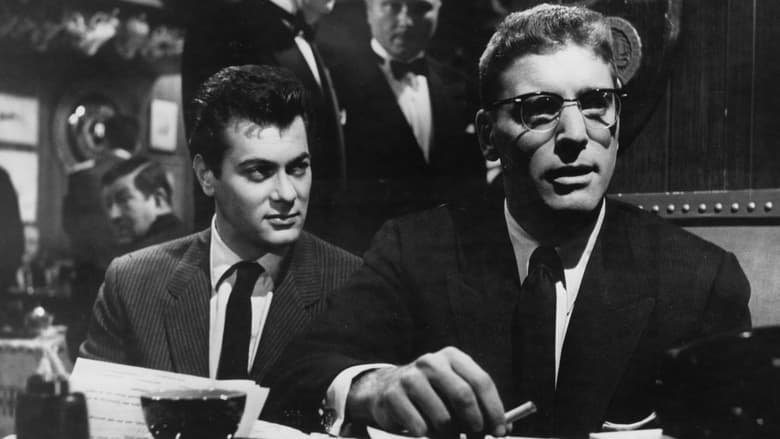
Burt Lancaster’s Hunsecker is a total monster: a bully and a sadist, vicious and aloof. Lancaster’s stillness here really sells the part – he doesn’t move, everyone else does – and the film brilliantly uses his slightly patrician voice. Hunsecker’s cold, dead-eyed stare pierces through character and desperation, and the contempt he feels for Falco (and every other character) is there in every moment, from looks to subtle physical put-downs (even lighting a cigarette is a power play, laced with an almost sexual sense of control). He “loves this city” because he owns the place, lock stock and barrel. Hunsecker only has one weak point – his clearly incestuous love for his sister – but even that is just the excuse for more controlling, domineering behaviour in which people are only objects for his manipulation.

And no-one is more willing to be manipulated than Tony Curtis’ brilliantly sycophantic Sidney Falco. Hunsecker is vile, but Falco might be worse. Is there a less likeable lead in a movie? Falco has no principles, no morals, no conscious – he’s the worst sort of follower, the sort of kid who stands behind the bully and laughs loudest at every joke. On top of that, Curtis is incompetent and untrusted – the scene where he attempts to blackmail another columnist and is firmly smacked down is wonderful for its discomfort. Curtis is twitchy, desperate, always on the move and will do anything – from lying to planting evidence to openly pimping his secretary. Far from the “young man working his way up” that you might expect, he’s a ruthless, unprincipled opportunist, perhaps the best inverted presentation of American can-do ambition you’ll see on screen.

That’s where the film really works: the scenes between Hunsecker and Falco are simply marvellous: Hunsecker savouring every verbal blow and smooth smackdown – and Falco sitting, edgy and jittery, on the edge, laughing loudly to try and make sure he doesn’t become the target. The marvellous restaurant scenes – with Hunsecker barely able to bring himself to acknowledge Falco’s existence – are the film’s heartbeat: brutal battles where Hunsecker wins everything and lives are destroyed. “A man has just been sentenced to death” Falco gleefully points out – “You’re dead son. Get yourself buried” is Hunsecker’s smoother version.

Ah yes that dialogue. Written by Clifford Odets at incredibly short notice (pages were literally taken straight from the typewriter to the actors’ hands in front of the camera), this might be one of the sharpest, waspiest films ever written. So many quotable lines, with Curtis and Lancaster relishing every dynamic and scintillating one-liner that the script gives them (and there are many). “I’d hate to take a bite out of you. You’re a cookie full of arsenic” – who wouldn’t want dialogue like that? It’s a sensationally written film, and every scene offers a new delight.

It’s not perfect of course. Milton and Harrison are as lightweight and forgettable as Lancaster and Curtis are sensational, too strait-laced and conventional to really seize the interest. The second half of the movie is weaker than the first: the pay-off doesn’t quite match the build-up. Really a film that just followed Hunsecker and Falco about as they went about their daily work, without the sister plotline, might have been even more effective. But it’s probably a quibble on a film that works every time – and has such dense, wonderful dialogue you’ll want to wind back most of the scenes to watch them again. And those two lead performances: simply perfect.

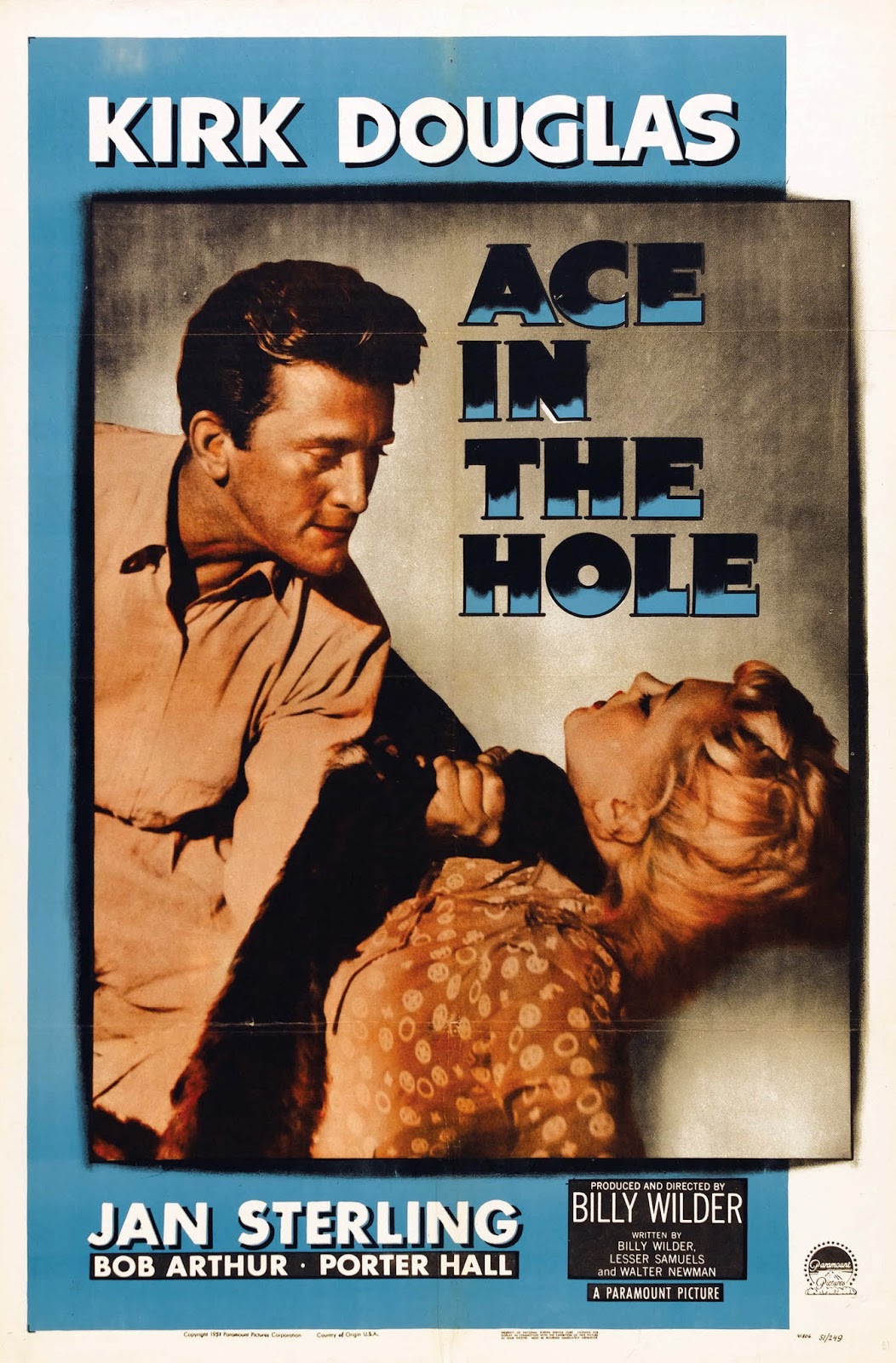
Ace in the Hole (1951)


Kirk Douglas surveys the horrors he has willingly unleashed in Billy Wilder’s bitter beyond belief media satire

Director: Billy Wilder

Cast: Kirk Douglas (Chuck Tatum), Jan Sterling (Lorraine Minosa), Robert Arthur (Herbie Cook), Porter Hall (Jacob Q. Booth), Frank Cady (Mr Federber), Richard Benedict (Leo Minosa), Ray Teal (Sheriff Kretzer), Robert Arthur (Herbie Cook)

Ace in the Hole was Wilder’s first big flop as a director. It’s not surprising that the media savaged it and claimed it was ridiculous. This is a film way, way, way ahead of its time, a stinging indictment of the ruthless obsession of the media with selling stories rather than reporting them, of spinning out crises to sell newspapers. It’s Fake News decades ahead of its time, a gutter journalism film released at a time when the media was totally trusted. Is it any wonder contemporary critics claimed they couldn’t recognise their trade here? Now it’s practically the way every journalist on film is portrayed.

Charles Tatum (Kirk Douglas) is a big-city reporter fired by a host of newspapers for offences ranging from alcoholism to libel to sleeping with the boss’s wife. Arriving in Albuquerque, New Mexico, he wangles a job on the local paper aimed to eventually encounter a story he can spin into a national media sensation, a crisis with a “human interest story”. A year later, he stumbles upon a cave-in that has trapped a man, Leo Minosa (Richard Benedict), below the surface. Believing this is the story that he can get him back his seat at the high table, Tatum seizes control of the rescue operation, insisting a quick and easy plan is dropped in favour of a week long public drilling operation. Tatum’s reporting of the event becomes a media sensation and in days the abandoned town is full of reporters and rubberneckers.

What’s astonishing here is that this is one of the few films I can think of that is totally devoid of sentiment or hope. It’s ruthlessly cynical where virtually every character is irredeemable, and no suggestion of redemption exists. The only major character who seems normal is Leo himself, although that is largely because his bland non-descriptness (well portrayed by Richard Benedict) and childlike, homespun dependency on those around him make him a near blank anyone can project feelings onto. Wilder’s hard-bitten cycnicsm, bordering on anger with the media and their audience, pulls no punches without descending into polemic – ironically it keeps the human interest, while never compromising the dark satire.

It’s a savage attack not just on journalism and the mass media, but human nature itself. The media stirs up a storm of excitement and drama around one man’s fate solely to make money – and Tatum himself is the worst form of manipulative gutter press, with no interest in truth, investigation or even journalism, only a shark-like love of the main event. But Wilder shows that the people just lap up this exploitative press storm – the growing crush of on-lookers, the bated breath as each update comes in, the literal carnival set up on the site, specially chartered trains – everyone wants to feel part of this story, to vicariously feel the emotions of those the event is actually happening to. It’s virtually a prediction of Twitter.

At the heart of this is Tatum, played with maximum forcefulness and dark charisma by Kirk Douglas in surely one of his finest performances. What Douglas does here that is so skilful is to never make Tatum an out-and-out villain. He plays it with a subtle suggestion of self-loathing: the quietly suggested need for alcohol, the revulsion he feels for those around him whom he sees as reflections of his own moral emptiness. At the same time, if Tatum has morals he long since stopped listening to them. Every time it looks like Tatum has realised what he has done, he reverts back to keeping the story going. Douglas’s dynamism also brings Tatum’s relentless drive and determination to life with real power. Tatum is easily able to cow, bully and bribe those around him into making him the funnel of the story. Never once do you question why all around Tatum bow to his will – his force of personality is so great you have no choice. Despite the hints of self-loathing, Douglas isn’t afraid to play Tatum as a reprehensible man – not bad or evil, just totally self-serving and selfish.

Jan Sterling I was less sure of at first, but actually this is another incredibly brave performance of uncompromising hardness. Lorraine is trapped in a marriage with a man she does not love, in the middle of nowhere, having believed she was marrying into something very different. But even with those provisos, her lack of interest in her husband’s safety and her focus on getting as much cash out of the tourists as possible (to finance her departure to the city) is astonishingly ruthless. Out of all the characters, she is the one who is immediately aware of what game Tatum is playing, and (with his advice) she is the most capable of exploiting the public excitement for her own gain. While she has elements of a femme fatale, Sterling’s performance seems more bitterly cynical than manipulatively feminine.

Wilder’s cynical and hard-nosed film is a brilliantly written deconstruction of the American dream, packed with wonderful lines and sharply drawn characters. It scrapes away at the surface of its characters to reveal the rot underneath – even Tatum’s photographer Herbie degrades from idealist to acolyte – and then blames us all for the mess. It shows us the disgusting ease with which our feelings can be manipulated to sell anything, then shows how gleefully we want to be feel part of an event: shots are filled with details like spectators carrying candy-floss while praying for Leo’s safety.

And then there is a complete lack of redemption – or even suggestion of it. Decent characters are peripheral, and far outnumbered by Tatum and his like. The resolution of the crisis does not go according to Tatum’s plan. It’s almost astonishing in its bleakness and in Tatum’s confused reaction to it and his lack of clear-cut guilt. Again, it’s Douglas’ skill and Wilder’s uncompromising direction: I actually had to watch it twice to catch the shading Douglas and Wilder give Tatum’s reactions to events finally going out of his control – and I still don’t know to what extent self-loathing trumps frustration and disappointment.

This is a masterful media satire and a wonderful, thought-provoking film, surely one of Wilder’s finest. It should be a lot better known than it actually is. I haven’t stopped thinking about it in days and I’m already looking forward to seeing it again. And, if anything, it is getting more relevant every single day.