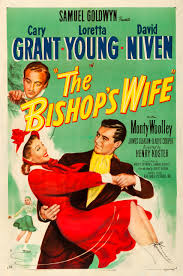
Tag: Elsa Lanchester

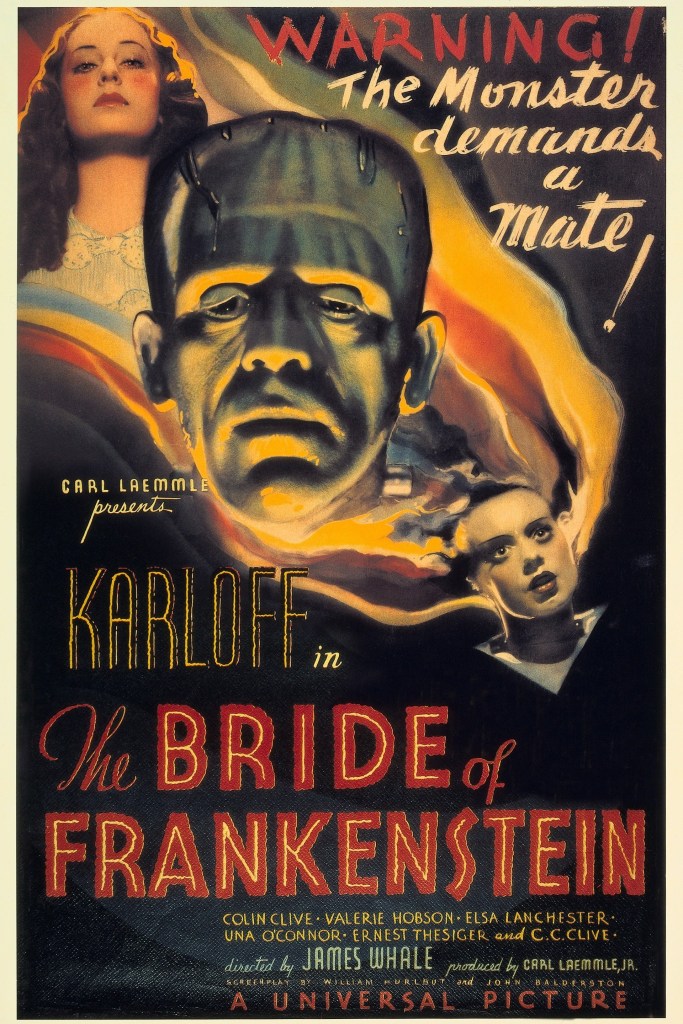
Bride of Frankenstein (1935)

Bride of Frankenstein (1935)

Whale’s sequel is a masterclass in how more can sometimes be more, a delightful black-comedy

Director: James Whale

Cast: Boris Karloff (Frankenstein’s monster), Colin Clive (Baron Henry Frankenstein), Valerie Hobson (Elizabeth Frankenstein), Ernest Thesiger (Dr Pretorius), Elsa Lanchester (Mary Shelley/The Bride), OP Heggie (Hermit), Gavin Gordon (Lord Bryon), Douglas Walton (Percy Shelley), Una O’Connor (Minnie), EE Clive (The Burgomaster), Dwight Frye (Karl), Ted Billings (Ludwig), Reginald Barlow (Hans)

What does every studio want after a mega hit? A sequel of course! Directors are never more powerful then when studios will let them do pretty much whatever they want so long as they get another shot at capturing body-sparking lightening in a bottle one more time. James Whale and gang came back for Bride of Frankenstein and produced a classic, more entertaining than the first film, a barmy, balls-to-the-wall piece of nonsense where logic is thrown out, sly jokes abound and the meter is dialled well up to camp. Bride of Frankenstein is exactly the “memorable hoot” Whale wanted to make, and proof that perhaps he had not “drained the well” after all.

Bride of Frankenstein kicks off pretty much where Frankenstein left off – requiring some fast thinking since the creature (Boris Karloff) ended that film incinerated in a burning windmill. Turns out he actually hid in the water-logged basement, emerging to stumble into violence from villagers terrified at this bolt-necked giant’s existence. Meanwhile, a chastened Henry Frankenstein (Colin Clive) swears he’s out of the reanimation game… only to be dragged back in by his old mentor (presumably a different one to the first film’s Waldmann) the creepy Dr Pretorius (Ernest Thesiger). Pretorius has been experimenting with creating life, and he wants a whole race of these people – so he’ll need a bride for the creature, to get that ball rolling. While the creature fights and flies, Pretorius and Frankenstein fire up the generator and get ready to stitch.

There is more than a little bit of black humour to Bride of Frankenstein, a film Whale clearly never intended to be taken seriously. It’s combined with more than a touch of camp and sprinklings of the absurd with general utter indifference to any rules of time, setting or location. Whale’s gothic world is whatever and whenever he needs it to be at any point. If that means the creature is chucked in a medieval cell one minute and Dr Pretorius is using a telephone to call his underlings the next, that’s fine. Logic is already all over the place, since it opens with Mary Shelley, her husband Percy and Bryon in full period costume recapping the first movie, despite that film being littered with no-end of what would be to them unimaginable technical possibilities.

Whale buttresses his fantasia on Frankenstein by pruning out, probably, the last couple of elements of the book he liked but hadn’t used: the creature’s ability to speak, it’s time out at the secluded hut of a blind man and (of course) the concept of a bride being resurrected. But then Whale also pours all his love into Ernest Thesiger’s sinister and delightfully eccentric Dr Pretorius, the sort of larger-than-life character who leaves all reality behind. Thesiger has a whale of the time, sucking on the sarcastic dialogue like a lemon and delighting in playing the sort of amoral mad man (he even makes Frankenstein look sane) who brings a picnic to a grave-robbing and uses a tomb as a table.

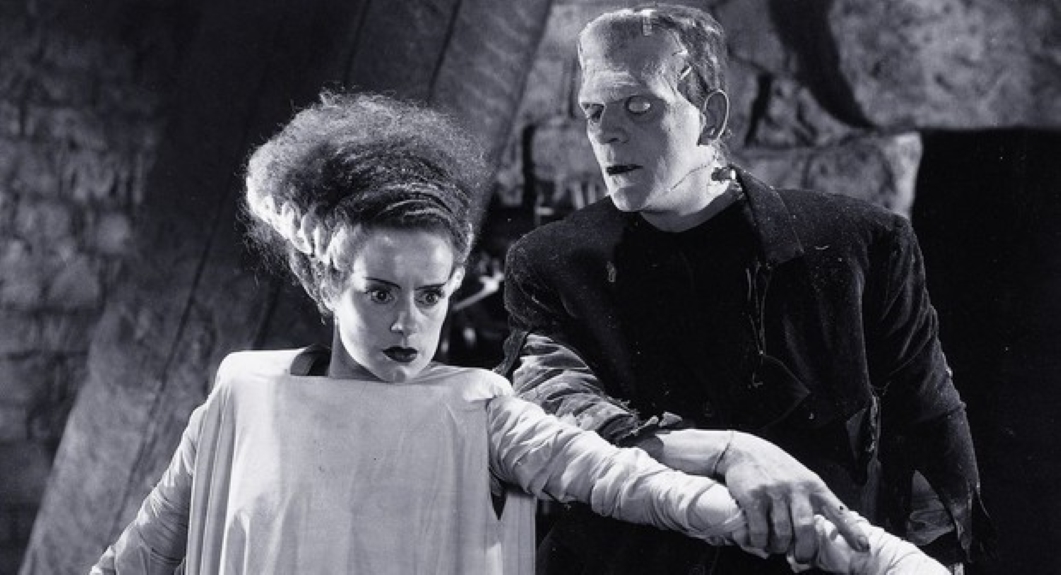
Pretorius’ swiftly brow-beats Frankenstein into saddling back up. Colin Clive – who broke his leg shortly before filming, requiring him to do nearly all his scenes sitting down – is surprisingly restrained, with the old madness only coming to the fore in the Bride’s birthing scene. That birthing scene is a brilliant expansion of the first film, Whale using the increased budget to expert effect to take us up onto the roof of the laboratory, expanding the detail shown of the mechanics of the experiment (Whale uses Dutch angles to dial up the general air of creepy weirdness and clearly was inspired by Metropolis) and launching a creation even odder than the original. As before the design work is exquisite: the Bride – wonderfully played with a ear-piercing screech (based on the swans near her London home) by Elsa Lanchester, her white high-lit hair a masterpiece of memorable, blackly-comic imagery. The Bride makes such a lasting impression, it’s a shock to realise she’s in it for less than five minutes.

Did Whale intend anything to be taken seriously? He tips the wink with Una O’Connor’s opinion-dividing performance of shrieking, Oirish panic as the villager who discovers the surviving creature. Pretorius is introduced showcasing his collection of miniature living people in jars (a bishop, a devil, a mermaid, a queen and a randy Charles Laughton-channelling Henry VIII) the sort of head-turningly bizarre scene that leaves you both delighted and shaking your head in amazement. There is something hilariously odd about the creature being introduced to those human vices, smoking and drinking. Whale was surely chortling to himself at the thought of the creature contentedly blowing smoke circles with the blind hermit or eagerly knocking back a glass with Pretorius.

It’s remarkable that despite this strong leaning into comedy, Bride of Frankenstein still manages to find the humanity in the persecution of the monster. Chased down (once again) by a wild, the creature is tied down to a pole and lifted up, his body unmistakenly in a crucifixion pose. The film’s emotional centrepiece is his sojourn with the blind hermit. It’s impossible not to see more than a touch of Whale’s experience of persecution for his homosexuality in the tender staging of these scenes, two men living contentedly together only to have their partnership condemned the moment the real world intrudes. The gentleness of these scenes becomes very affecting, not least since this is the first (and last) time the creature is treated like a person rather than a monster.

Karloff is, as before, excellent in the lead role – despite his worries about the creature’s mystery being sacrificed on the altar of his fumbling, toddler-like speech. He makes the creature, even more than before, someone reaching out for warmth and connection, disgusted at his own monstrous nature and whose delight at the idea of a bride is strangely touching. (Bride of Frankenstein – a title even name checked at one point by Pretorius – cemented the popular confusion about whether the creature or his creator is ‘Frankenstein’). It’s the monster who also emerges at the film’s conclusion as the closest thing we have to a moral force.

Really Bride of Frankenstein shouldn’t work as half as well as it does. It’s part horror, part black comedy, part farce with scenes that shift from tragedy to knock-about satire. But it’s superbly assembled by Whale – at the top of his game here – and barrels along at such speed (sustained by superb performances, in particular from Karloff, Lanchester and Thesiger creating a portrait of monstrously soft-spoken camp for the ages) and with such full-blooded commitment at every moment that the film never once sinks. It is such a gloriously entertaining, wildly committed piece of pulpy film-making that it’s hard to imagine it could have been done better. And it certainly was the last word in what to do with the monster on-screen, that saw him embrace fear, love, comedy and tragedy all in one go. He probably should have stayed with the dead.

The Razor’s Edge (1946)

The Razor’s Edge (1946)

A bubbling soap full of incidents, disguising itself as a meditation on philosophy

Director: Edmund Goulding

Cast: Tyrone Power (Larry Darrell), Gene Tierney (Isabel Bradley), John Payne (Gray Maturin), Anne Baxter (Sophie MacDonald), Clifton Webb (Elliott Templeton), Herbert Marshall (W Somerset Maughm), Lucile Watson (Louisa Bradley), Frank Latimore (Bob MacDonald), Elsa Lanchester (Miss Keith), Cecil Humphreys (Holy Man), Fritz Korner (Kosti)

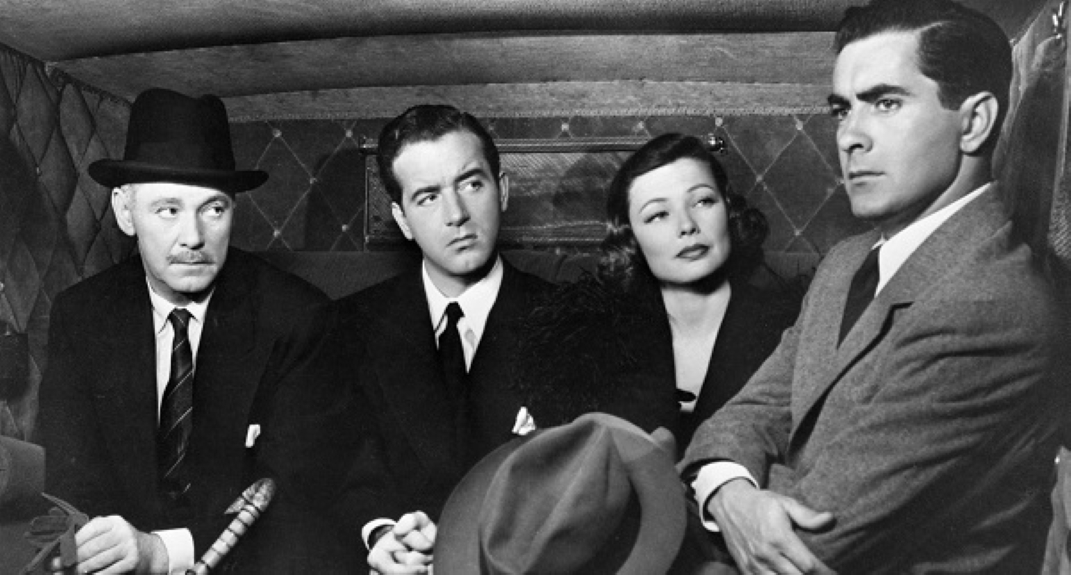
“What’s it all about?”: a question asked long before Alfie and it’s the one asked by Larry Darrell (Tyrone Power) as he returns from World War One to Chicago. Suddenly those garden parties and country clubs all look rather empty and shallow. Larry is engaged to Isabel (Gene Tierney), but he’s not interested in office work and domesticity. He wants to live a little bit, to find out what life is about. Doesn’t he owe that to the man who died in the war to save his life? With just $3k a year (over $50k today, which must help), he heads for the artistic life in Paris. After a year apart, Isabel decides it’s for her (£3k a year? What kind of life is that!) and marries a banker so dull he’s literally named Gray (John Payne). Flash forward to 1929 and the Crash has upturned the lives of the Chicago bourgeoisie – perhaps Larry’s inner contentment will mean more after all?

Adapted from W Somerset Maugham’s novel – with Maugham as a character, played by the unflappably debonair Herbert Marshall – The Razor’s Edge is a luscious period piece with pretentions at intellectualism but, rather like Maugham, is really a sort of a soapy plot-boiler with a veneer of cod-philosophy. Not that there’s anything wrong with that – after all the suds in Razor’s Edge are frequently rather pleasant to relax in – but don’t kid yourself that we are watching a thoughtful piece of cinema. It’s closer in tone to Goulding’s Oscar-winning Grand Hotel than it might care to admit.

Our hero, Larry Darrell, should be a sort of warrior-poet, but to be honest he’s a bit of a self-important bore. Played with try-hard energy by a Tyrone Power desperate to be seen as a proper actor rather than action star, Larry has a blissful “water off a duck’s back” air that sees him meet calamity with a wistful smile and the knowledge that providence evens everything out. Be it the break-up of an engagement or the death of close friend, little fazes Larry who has a mantra or piece of spiritualist advice for every occasion. Bluntly, our hero is a bit of a prig whose middle-class spirituality has all the mystical wisdom of a collection of fortune cookies.

It’s no real surprise that the film’s weakest parts are whenever Larry engages with the vaguely defined collection of homilies and mumbo-jumbo he picks up about spirituality. All this culminates in an almost embarrassingly bad sequence in the Himalayas, where Larry stays under the clichéd tutelage of a shoe-polish-covered Cecil Humphrey as a Holy Man whose every utterance is a vague collection of Diet Yoda aphorisms. Larry, with all the self-importance of the financially secure middle class, returns to the West sublimely certain of his own higher contentment and rather patronisingly looking down on the rest of the characters as shallow, grasping bourgeoisie.

The Razor’s Edge’s insight into human spirituality essentially boils down to “step out of the rat race and you’ll be a better man” – again made much easier, since Larry “forsakes” worldly wealth but can still dapperly turn out to a fancy function in a perfect tux. To be honest it becomes a bit wearing to see the other characters treat him like a sage and more than a bit mystifying why Isabel remains stubbornly obsessed with him for her whole life.

But if she wasn’t, we’d lose a large chunk of the appeal of the movie. The Razor’s Edge’s philosophy may be paper thin, but as a soap it’s spot on. And the scheming, manipulative, vindictive, snobby and entitled Isabel is a gift of a part, seized with relish by Gene Tierney. Isabel wants Larry, not so much because of who he is but because he belongs to her, and she can’t believe he was willing to let her jilt him without a fight. The epitome of the self-obsession of the modern age that Larry has rejected, Isabel consistently puts herself first, clings to the luxuries of high living and can barely hide her bored disinterest in the tedious Gray (a perfect role for the solid but uninspiring John Payne). Isabel schemes and attempts seduction of the saintly Larry, and her hissable antics provides The Razor’s Edge with much of its enjoyable thrust.

Because as a soap is where this film is most happy. It’s actually very well staged and shot by Goulding, full of carefully considered camera moves (including a late “wham” line which we don’t see a character react to, leaving their response open to our interpretation) and skilfully using depth of plain to showcase a series of luscious sets and impressively recreated Parisian streets on sound stages. The Razor’s Edge has a lot of very professional Hollywood craft behind it.

Its event-filled sub plots also give a host of excellent scenes and fun dialogue to its supporting cast. Anne Baxter won an Oscar as the tragic Sophie, a bubbly socialite (and old flame of Larry’s) from Chicago, whose husband and baby are killed in a car accident, tipping her into years of alcoholism and (it’s implied) life as a “good-time-girl” in a seedy Parisian bar. Baxter seizes this role for what it’s worth, from initial charming naivety to tear-streaked discovery of her bereavement to fidgety attempts at sobriety after Larry decides to marry her to keep her on the straight-and-narrow (needless to stay, temptation is put in the way of the pacing, smoking, fist-forming Sophie by the blithely shameless Isabel). It’s a very effective and sympathetic performance.

Clifton Webb, at the time Hollywood’s leading waspish figure of camp, has an Oscar-nominated whale of a time as Elliot Templeton, preening but generous socialite, delighting the finer things in life (from fine wines to perfectly stitched dressing gowns) who provides a catty sounding board to Isabel and whose final hours are spent bemoaning being snubbed by a countess. Herbert Marshall delivers a perfect slice of British reserve and gently arch commentary as Maugham (the real Maugham prepared a script which was junked by the studio, ending his Hollywood career there and then), purring his dialogue with his rich, velvet tones.

It serves to remind you that The Razor’s Edge works best as an event-packed piece of social drama, which it swiftly becomes as deaths, tragedy, alcoholism, scheming and feuds pile on top of each other in the second half with the blissful Larry casting a quietly judgemental but kind eye over everything around him. For all its attempts to look into the human condition, this is where The Razor’s Edge is at its best: engaging supporting characters and a hissable villain, all leading to a series of juicy plot developments. For all its literary pretentions, it’s at best a shallow From Here to Eternity.

Witness for the Prosecution (1957)

Witness for the Prosecution (1957)

A court case hinges on a heck of a twist or two in Wilder’s well-mounted Christie adaptation

Director: Billy Wilder

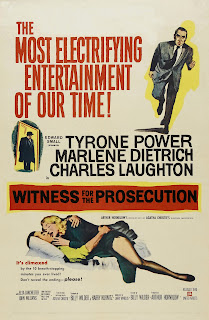
Cast: Tyrone Power (Leonard Vole), Marlene Dietrich (Christine Vole), Charles Laughton (Sir Wilfrid Robarts), Elsa Lanchester (Miss Plimsoll), John Williams (Mr Brogan-Moore), Henry Daniell (Mr Mayhew), Ian Wolfe (Carter), Torin Thatcher (Mr Myers QC), Norma Vaden (Emily Jane French), Una O’Connor (Janet McKenzie), Francis Compton (Justice Wainwright)

Agatha Christie is better known for detectives who unearth murderers, not lawyers defending those accused in court. But that doesn’t mean Witness for the Prosecution, a very effective courtroom drama, shirks on classic Christie flourishes. Witness has a single stonking twist that huge numbers of people never see coming (the end of the film comes with a sonorous warning entreating people not to spoil the surprises, the sort of anti-spoiler warning that would make Marvel proud).

Leonard Vole (an unlikely Tyrone Power) is the soldier and would be entrepreneur, who stands accused of the murder of a rich older woman (Norma Vaden) who conveniently left Vole her money. Defending Vole is richly-toned, highly-skilled barrister Sir Wilfrid Robarts (Charles Laughton), recovering from a heart attack and doing his very best to dodge the overly attentive concern of his private nurse Miss Plimsoll (Elsa Lanchester). Vole’s case looks difficult, with much circumstantial evidence stacked against him and worries about whether his German wife Christine (Marlene Dietrich) will stand by him or not?

Billy Wilder directs with a smooth professionalism – he later modestly claimed of his Oscar nomination, that it was like giving the crew that moved Michelangelo’s Pietá an award for best sculpture – but his real contribution (with fellow writer Harry Kurnitz) was sharpening the dialogue, expanding Christie’s characterisation (in particular adding much more shrewdness and eccentric pomposity to Robarts) and upping the zip of Christie’s original. It certainly met with the approval of the grandé dame of crime who listed this, and Lumet’s Murder on the Orient Express, as the only two adaptations of her work she liked.

The film is largely based around the courtroom dynamics, as witnesses are examined and cross examined and facts gently dragged into the light. There is plenty of quality theatrics, not least since Robarts and his opposition counsel Myers (a fearsome Torin Thatcher) are more than a little skilled at keeping things sparky for the jury. There is a hint of cynicism in Witness: Robarts needs to convinces himself of a client’s innocence, but there is a suggestion this is because it helps him work out how to effectively defend them, less because of any moral reasons. And certainly, the entire mechanics of the trial operates largely as a show, an entertainment with jokes and compelling stories offered by both sides.

There is of course no better showman than Robarts. Played by Charles Laughton in one of his last great – and possibly most enjoyable – performance, Robarts is an affectionate, witty performance of carefully studied eccentricity and barking bluffness. But there is also a vulnerability in him: Robarts needs to belief in his own legend and his ability to separate truth from lie (he even prides himself on his “monacle test”, using a reflection from it to shine in suspects eyes, believing a liar will get flustered and trip themselves up – needless to say it turns out to be faulty).

Wilder – with Laughton as a brilliant collaborator – transforms Robarts into a far more forceful and charismatic figure, making the late plot twists even more of a shock. If someone as professionally adept and plugged in as Robarts can be taken in, what chance do the rest of us have? Oscar-nominated, Laughton, a twinkle permanently in his eye, powers through moments of high court theatricality but also heartily enjoys the banter of real life, taking a real delight in his schoolboy mischief as he persists in having his own way.

A large part of that, is a running of dodging treatments and sticking to a diet of things that are bad with him. Wilder’s finest change from the original, in introducing Robart’s ill health and his love-hate relationship with his nurse Miss Plimsoll. Who is, of course, played by Elsa Lanchester, Laughton’s real-life wife. The chemistry between these two is spot-on, with Lanchester (also Oscar nominated – and unlucky to lose to Miyoski Umeshi in Sayonara) in particular playing the combination of world-weary exasperation and growing affection for Robarts perfectly.

Combined with those twists, it’s the interplay between these two that is the real highlight in the film – well that and the twists. Many of those twists are bound up with Marlene Dietrich’s character. Dietrich gives one of her most colourful and wide-ranging performances here. The secrecy of the film probably stopped her from landing an Oscar nomination (much to her regret – Wilder even apologised to her). Power is miscast – he lacks the required natural innocence and looks both too old and incongruously American – but fortunately spends most of the film in the dock.

The final twist is a doozy, perfectly delivered by the actors and Wilder. Wilder directs throughout with quiet authority – as well as fine sense of humour, in particular a stair lift scene that sees Robarts using the device as a tool to dodge being told what to do. Laughton and Lanchester in particular are wonderfully funny. It’s got some excellently handled courtroom tricks and you won’t forget how it turns out. It’s a solid example of Wilder’s skill behind the camera – but a very enjoyable film and a must for Christie fans.

Rembrandt (1936)


Charles Laughton excels as the great artist Rembrandt

Director: Alexander Korda

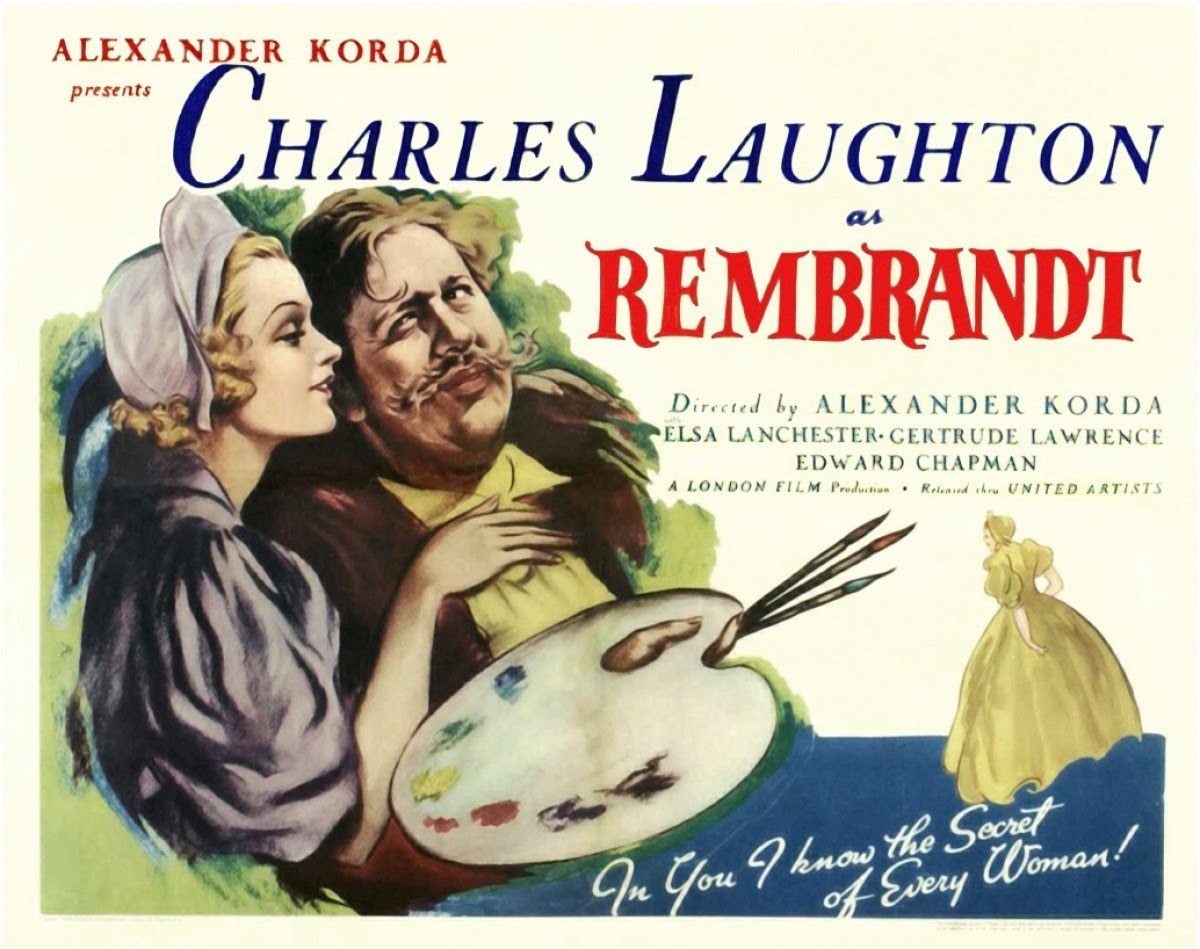
Cast: Charles Laughton (Rembrandt van Rijn), Gertrude Lawrence (Geertje Dircx), Elsa Lanchester (Hendrickje Stoffels), Edward Chapman (Carel Fabritius), Walter Hudd (Frans Banning Cocq), Roger Livesey (Beggar Saul), John Bryning (Titus van Rijn), Sam Livesey (Auctioneer), Allan Jeayes (Dr Tulip), John Clements (Govaert Flinck), Raymond Hartley (Ludwick), Abraham Sofaer (Dr Menasseh)

There are many artists I really love, but right near the top is Dutch master Rembrandt van Rijn. Rembrandt is remembered as being misunderstood in his own lifetime – which is sort of true. In fact, Rembrandt’s style fell out of favour and he basically went on a rags-to-riches-back-to-rags story not helped by constantly living outside of his means. Rembrandt actually follows the great man’s life pretty faithfully – and it even dances effectively around Rembrandt’s unusual domestic set-up.

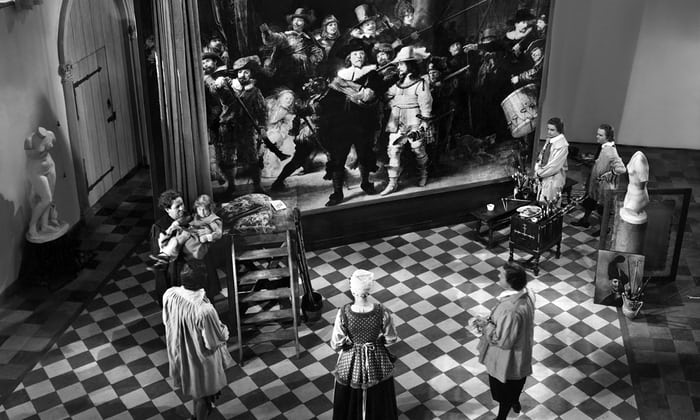
The film begins with the death of the artist’s wife Saskia, and the rejection of The Night Watch by the Amsterdam militia. These events start a slow downward spiral for Rembrandt (Charles Laughton) towards a lack of fashion and an increased poverty. The film covers his consecutive relationships with Geertje Dircx (Gertrude Lawrence) and Hendrickje Stoffels (Elsa Lanchester), before ending shortly before the artist’s death.

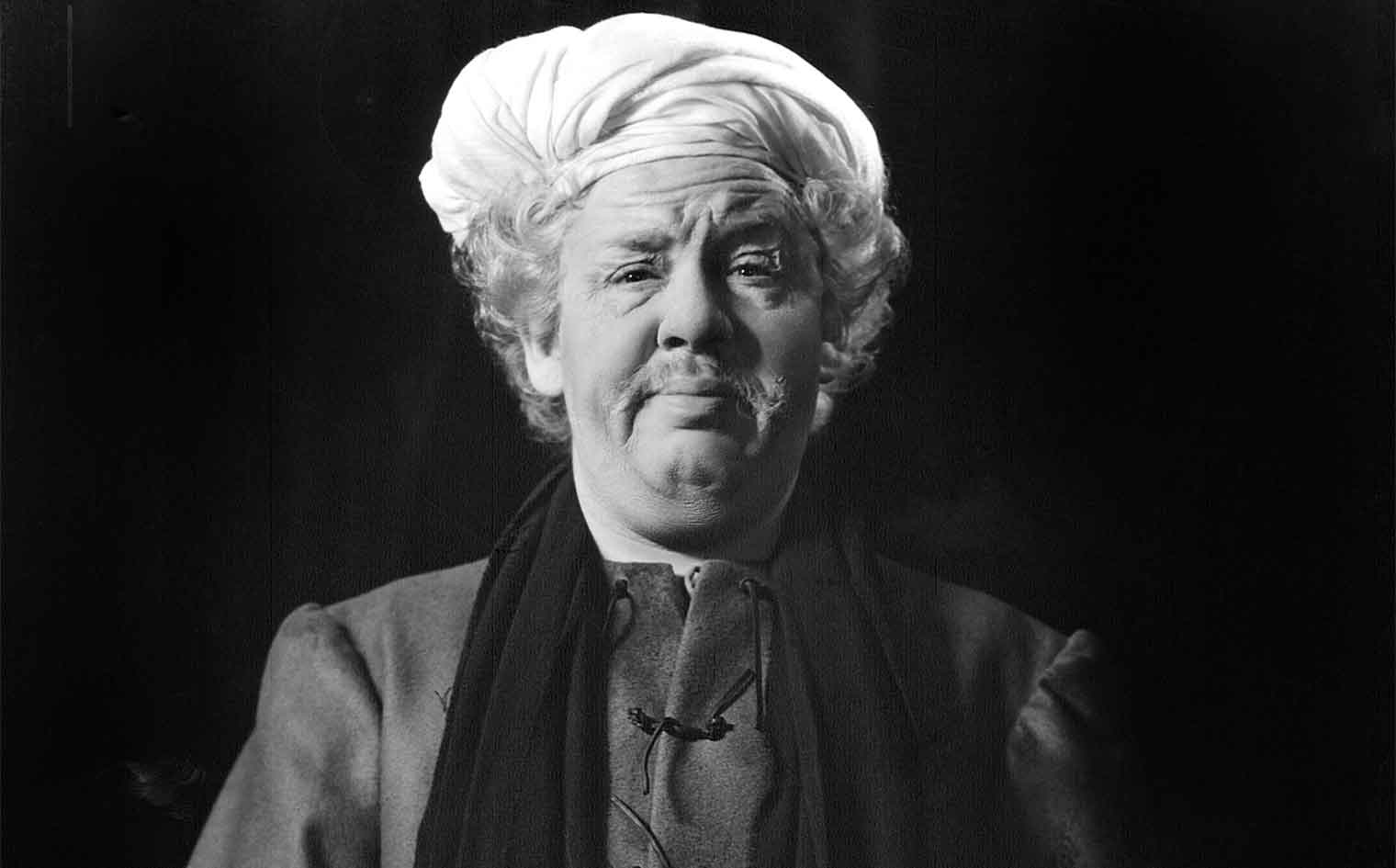
The film is dominated by Laughton’s magnificent performance in the lead role. Laughton can effortlessly bring to life the impression of genius. His Rembrandt is an observant, quick-witted and sharply intelligent man, whose eyes observe everything and records it for future use. Of course, for the look of Rembrandt, Laughton had a hell of a lot to go on – few artists did as many self-portraits as Rembrandt. But what Laughton manages here is to capture the essence of the artist – that sense of wry amusement and a slightly bumptious insolence you get from a Rembrandt self-portrait. 

Laughton also gives a warm humanity as well. In a wonderfully naturalistic performance, his Rembrandt is by turns gentle, amused, slightly naughty, wise – but always feels human. Korda’s film focuses on a part of his life, rather than the whole, which allows us to focus on the painter finding a more unique style and some domestic happiness – but only doing so after losing his wife and professional respect. He’s compelling to watch here, like the painter come to life: you can totally believe him, from when he’s berating the Guild for not understanding The Night Watch, to his befuddled hopelessness with money.

Korda’s film focuses on the personal rather than exploration of art – probably a good thing, since the style and grandeur of the original paintings is nearly impossible to capture in black-and-white academy ratio. This however works a charm, as we get two very contrasting lovers for Rembrandt, demonstrating different sides of his personality. Gertrude Lawrence excels as a shrewish, domineering Geertje Dircx, a woman who seems to take control of Rembrandt and his family after his wife’s Saskia’s death as if she is entitled to the role (interestingly Saskia doesn’t even appear in the film). A few weeks after Saskia’s death, Lawrence’s Geertje settles into the embrace of Rembrandt (who drifts into the relationship) with all the entitlement of an heiress.

By contrast Elsa Lanchaster portrays an earthier, gentler Hendrickje Stoffels, younger and more naïve than either Rembrandt or Geertje. If the first relationship saw Rembrandt as a man having his life organised for him, this second sees him sharing the role of parent. Having said that, while he obviously looks on Hendrickje with a loving fondness – and delights in making her happy and contented – it’s Hendrickje who effectively works out a dodge for the broke Rembrandt to keep trading art, and it’s she who takes runs the business for him. It’s a perfect marriage of personalities.

Although of course marriage is the one thing it can never be. Rembrandt was forbidden from re-marriage due to a complex arrangement in Saskia’s will: and a jilted Geertje quickly moves to have Hendrickje branded a whore. Considering it was filmed in the middle of the Hays Decency code, the film takes quite a modern stance on Rembrandt’s two long standing affairs: it’s clear that we are not meant to sympathise with the hypocritical burgomasters who denounce his love life (“It’s not fair. Why should he get away with it?” one of them moans). 

The narrative parallels this pair of romances with the world of art and commerce. Noticeably Rembrandt often seems more comfortable with those of a similar class to himself: he chats amiably with a beggar he hires as a model (a perfect little cameo from Roger Livesey), and similarly flirts with a woman from his home town at a bar with a confidence he never seems to manage with either of his other love interests. The film pivots around this return to Rembrandt’s family home, with the film suggesting the artist used this time to reassess his life and aims – before returning refreshed to shake up both his art and home life. Korda’s film argues that Rembrandt’s own rejections and losses gave him a far greater understanding and appreciation for his craft – and its power – than he otherwise would have had.

Korda films all this with a lushness, with the sets, costumes and visuals constantly reminiscent of the styles of Rembrandt’s own work. Just as Laughton plays Rembrandt as a very grounded, humane character, so the film avoids sweeping melodrama to portray a very low-key and gentle story, that feels sweetly lacking in high-blown artistic intensity. It’s perhaps best summed up by the closing scene, where an ageing Rembrandt – taken for an old nobody by some young bucks in an inn – smiles serenely, enjoying the company and quoting Scripture at them with gentle satisfaction. He’s the contented, humane master – the man who seemed to capture the age and changed painting for ever. And then he borrows money off a friend (who asks him to please spend it on food) and heads straight to the paint shop. A slave to an obsession, but a man who still inspired love and affection – what could be more human than that?