Category: Comedy

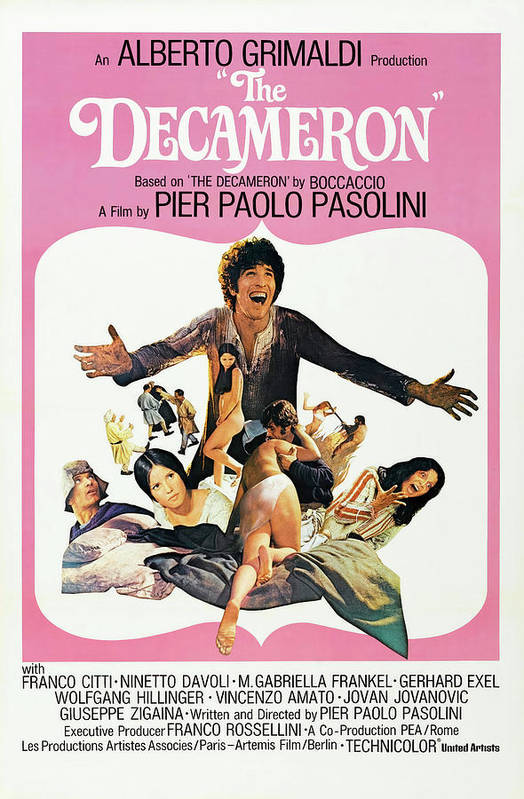
The Decameron (1971)

The Decameron (1971)

Pasolini’s naughty-boy Boccaccio adaptation, aims for political but in loves with cheek

Director: Pier Paolo Pasolini

Cast: Franco Citti (Ciappelletto of Prato), Ninetto Davoli (Andreuccio), Vincenzo Amato (Masetto), Maria Gabriella Maione (Madonna Fiordaliso), Angela Luce (Peronella), Giuseppe Zigaina (German Monk), Pier Paolo Pasolini (Giotto’s Pupil), Giacomo Rizzo (Friend of Giotto’s Pupil), Guido Alberti (Musciatto), Elisabetta Genovese (Caterina), Giorgio Iovine (Lizio)

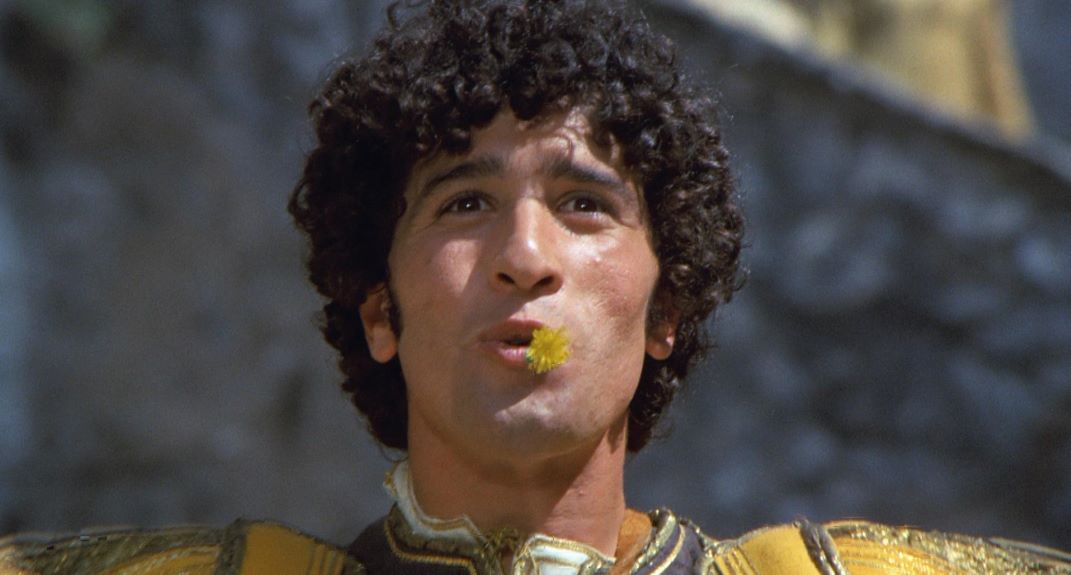
The Decameron is a collection of a hundred tales written by Boccaccio in the 14th century, which offers a rich mosaic of Italian life from the tragic to the comic. But it also has a reputation for a lot of bawdy naughtiness – and perhaps part of that comes from Pasolini’s cheeky, sex-filled adaptation, with its playful lingering on some of the most rumpy-pumpy filled yarns. Scholars of Boccaccio were appalled in 1971; it’s a gag that I think Boccaccio might have appreciated that today Pasolini’s film is required viewing on Boccaccio courses.

Much like with The Gospel According to Matthew, Pasolini shifted the location to fit his themes. Here most of the tales take place in Southern Italy – Neapolitan accents and dialect abound – and the new underlying theme explore the exploitations of simple, honest peasants by cannier, ruthless people from the richer north. Roughly linking the tales together is a pupil of Giotto – played by Pasolini himself – preparing a fresco in a monastery, inspired (it becomes clear) by the stories which may in turn be inspired by ordinary people he sees on the streets. The Decameron is aiming to be a playful musing on the chicken-and-egg nature of artistic inspiration and the way different artists in different genres can inspire and motivate each other to ever greater heights.

Or at least those themes are there. But they can be hard-to-spot beneath the surface, since The Decameron mostly delights in its array of sexual goings-on, which pretty much tick-offs every taste and inclination you can imagine from masturbation to orgies, as well as darker content like rape and paedophilia. To be honest, for all that Pasolini is an artist thinking earnestly about the classics, he’s also a very naughty boy eager to get a few erect penises into mainstream film-making (and The Decameron was a huge hit in Italy and played in arthouse cinemas the world over). The Decameron, for all its pretentions about art, is also a bit of end-of-pier soft-porn – or a hard-core Carry On.

There is something deliberately amateurish about The Decameron in its scatological humour and the bumpy, rushed nature of its film-making. In common with many Euro films at the time, it makes no effort (either in its Italian or English dubs) to match the words we hear with the movement of the actors’ mouths, with most of the sound having a muffled post-recording session feel to it. The camerawork and editing are frequently jolted and rushed, adding to the bawdy sense of things being thrown together, Pasolini using sped-up film and punch-line jumpcuts to keep up the improvisational energy. It makes the film feel at times like a student revue.

Pasolini shot the film entirely on location, with a cast of actors who were mostly unprofessional. As with many of his films, much of the casting seems to be based on people’s appearances more than anything else. The Decameron has a superfluity of striking faces. Toothy grins or missing teeth, hooded eyes, vacant grins, these faces look like they could have stumbled in from a Brueghel painting. Everyone looks distinctive and this parade of striking faces adds to the film’s wild energy.

It also makes everyone in this Boccaccio cheek and smut stand out. Pasolini’s trick was to argue that the medieval era, in many ways, wasn’t that different from today. He didn’t present it as a high-blown time of men in tights speaking poetry, but one where people were obsessed with money and sex (usually the latter) and showed no shame in chasing it. An era where the medieval world looked dirty, shabby and slightly sordid, rather than what the poets would have us believe.

This informed his choice of stories. When you start with a naïve young man nearly drowned in a pool of shit, you can tell that this isn’t exactly going to be Hollywood medieval epic. Pasolini’s chosen tales involve: a well-endowed gardener pretending to be mute so he can shag a convent full of nuns, a woman boffing her lover while her husband inspects the insides of a large pot, a dying sinner (who we’ve already seen proposition a child for sex) claiming to be a saint, a girl and her lover shagging naked on a rooftop, a monk tricking a man into allowing him to have sex with the man’s wife, and concludes with a man receiving a visit from the ghost of a dead friend telling him that sex is no sin and the angels of heaven say he should certainly give his girlfriend a good pre-marriage seeing to.

Throughout, Pasolini aims to show a world where simple pleasures mix with the exploitation by the rich and powerful of the simple, poor and naïve. It’s a not a theme that comes out all that much, especially since few people are going to remember the political message when we are all much more inclined to focus on the constant in-and-out. The Decameron might want to think it is a grand statement, but its really a great big joke, told by a director who is sort of laughing at us while he does it. It’s a rather juvenile piece of titillation, passing itself off as political statement.

Perhaps that’s why Pasolini felt a bit embarrassed about it all later. After a parade of knock-offs, he effectively disowned the film, claiming low-quality imitators that dialled up the sex even more had missed the point and buried the anti-capitalist message of his own film. Since I can imagine several people watching The Decameron and completely missing the point in the first place, I can’t help but feel he has only himself to blame.

Poor Things (2023)

Poor Things (2023)

Distinctive, challenging and hilarious film that mixes social issues with quotable dialogue

Director: Yorgos Lanthimos

Cast: Emma Stone (Bella Baxter/Victoria Blessington), Mark Ruffalo (Duncan Wedderburn), Willem Dafoe (Dr Godwin Baxter), Ramy Youssef (Max McCandles), Christopher Abbott (Alfie Blessington), Kathryn Hunter (Madame Swiney), Jerrod Carmichael (Harry Astley), Hanna Schygulla (Martha von Kurtzroc), Margaret Qualley (Felicity), Vicki Pepperdine (Mrs Prim), Suzy Bemba (Toinette)

“It’s Alive!” cries Frankenstein as his creation is sparked to life before abandoning it to become a revenging monster. Yorgos Lanthimos’ Poor Things imagines a different creature – nurtured (admittedly as part of an eccentric experiment), maturing at an accelerated rate, discovering physical and intellectual stimulation and deciding they can’t get enough of either of them. Adapted from Alastair Gray’s novel, Poor Things is a vibrant and challenging film that, for all its sex, is a feminism-tinged Frankenstein that says no to societally enforced ideas of shame and conformity.

In Victorian London, Bella Baxter (Emma Stone) is the creature, a stumbling, barely articulate young woman when she is introduced to trainee doctor Max McCandles (Ramy Youssef) by her guardian (her “God”) Dr Godwin Baxter (Willem Dafoe). “Bella” is resurrected corpse – the body of a suicidal pregnant woman, the brain of the child she carried. Developing at an accelerated rate, Bella is both Godwin’s experiment and his surrogate child. But as Bella discovers the pleasures of the body and the wonders of the world around her, she wants to experience life outside of the house. Eloping – with the agreement of her guardian – with roguish lawyer Duncan Wedderburn (Mark Ruffalo), Bella discovers not only sensual pleasures but deeply engaging intellectual pleasures across Europe, determined to become her own woman defined by no-one.

Poor Things is practically a dictionary definition of a Lanthimos epic (fish-eyed lenses, spidery text captions, a jarring mix of period and modern) and is almost impossible to categorise. It is, in turn, serious and thought-provoking, laugh-out-loud funny, uncomfortable and challenging. Shot in a deliberately artificial manner, its cinematography and sets reminiscent of Bram Stoker’s Dracula, it’s Victorian but also a remix of everything from Metropolis to the mansion at the heart of Sunset Boulevard, here turned into a Dr Moreau style den of freakishly spliced animals. It makes for something wildly, unpredictably unique visually, a smorgasbord of the real, the overblown and plain weird.

With a sharp script by Tony MacNamara, crammed with quotable lines (sometimes Lanthimos has a bit too much of an eye on creating GIF moments) Poor Things reinvents itself as constantly as its hero. Opening in rich black-and-white to chronicle Bella’s early years, it explodes into a gorgeously expressive Powell and Pressburger colours as she experiences the world. It superbly mixes the real with the weird, shaping its collection of bizarre characters into living-breathing people while keeping the world around them a melting-pot of styles and genres.

Poor Things has been attacked by some as semi-pornographic or exploitative. In fact, it’s a complex and daring look at female empowerment. On first discovering the pleasures of, well, self-pleasure (with a selection of vegetables), Bella is immediately told such things are not done in polite society. But Bella refuses to see “furious jumping” as shameful, but just a source of pleasure and experience like any other. If she takes pleasure in the act with someone, why should be ashamed? And if she makes all the decisions about what does and doesn’t happen with her body, who should judge her?

Bella is a curious hybrid her whole life: the body and feelings of an adult, with a swiftly developing brain, absorbing understanding of the world around her swiftly. Like a child she lashes out at the rules Godwin and his protégé Max place over her (partly for her protection, partly to continue their psychological development experiment). But this comes from her increasing frustration at having her horizons limited by these men, deciding what and who she can see. Lanthimos takes clear from the start Bella can take as much sensual pleasure in feeling fallen leaves under her body or watching fireworks in the sky as anything else and doesn’t feel she should be denied it.

Poor Things sees Bella demanding, and then making, her own decisions – and to hell with expectations. Whether throwing plates at dinner because she wants to leave or choosing to run away to Europe with caddish Duncan for the experience of it, she shall make her own choices. Decisions being made for her, infuriate her: Max’s refusal to let her leave or Duncan’s decision to take her, unannounced, on a cruise. Bella will talk to who she wants and experience anything she finds curious. If she decides to go on the game in Paris in a high-class brothel (on the basis that she enjoys sex, the hours are short and it pays well) who gives a damn if Duncan is appalled. He doesn’t – for all he might like to think so – own her.

These are complex and challenging ideas, as Bella jokes she has become “the means of her own production”. But Bella believes the only thing in the world should make us ashamed is the suffering of others: witnessing a slum in Alexandria she is moved to tears at the indifference that lets children die in poverty, with only platitudes for these “poor things”. And you can see her point: why flinch at personal misconduct but not even blush at the idea of others dying because of our inaction. That’s why she doesn’t want to be constrained by societies ideal, be that enjoying sex, reading Marxism, dancing all night long or wanting to punch a baby that won’t stop crying in a restaurant.

All these complex ideas are brilliantly captured in Emma Stone’s extraordinary performance. It is, of course, a physical marvel, her body slowly, jerkily, developing, but also a rivetingly complex embodiment of a hugely complex personality, absorbing everything around her, processing it and then shaping it into her own world view. It’s reflected in the gorgeous eccentricity of her dialogue – she is “a changeable feast” of views, peppering her sentences with astute (and funny) unique metaphors “finding being alive fascinating”. She makes Bella determined, naïve, exceptionally wise and insightful, uncertain, kind and unforgiving. It sits perfectly at the heart of a film about a woman refusing to be ashamed and determined to better the world around her. It’s a brilliant creation.

One of many in the film. Godwin, a hideously disfigured famous surgeon, was the subject of his own father’s experiments (Godwin describes with matter-of-fact scientific curiosity a series of repugnant surgical experiments, including the removal of organs to discover if the body needs them – “turns out we do”). Godwin seems at first a blinkered mad scientist, but in Dafoe’s brilliantly layered performance, a humanitarian with a sense of fair play is revealed, who genuinely cares for his creation and refuses to stand in her way. Although she calls him “God” he is far from a messianic tyrant, instead refusing to repeat the mistakes of his own tyrannical parent.

He contrasts neatly with Ruffalo’s rake. Ruffalo has a whale of a time in a ‘leave nothing in the locker room’ performance of comedic excess. Duncan seems at first a threatening rake, but becomes infatuated with the mysterious Bella (something she finds more and more wearing), crumbling from worldly-wise playboy to a spoilt schoolboy whining about things he can’t have. Ruffalo inverts Bella’s development: as she becomes more mature, he degenerates into a dependent child.

Which fits because Poor Things is a Frankenstein-in-reverse story of a woman not being defined by men. Those who try fail, left to choose either to support her or flail against her rights. Lanthimos’ work is striking, original and hugely dynamic, brilliantly mixing striking visuals with searching questions. Why shouldn’t women feel the same lack of shame in their bodies and accomplishments as Bella does? It’s an urgent question – that’s getting lost in discussions about the films. Often as wildly funny as it is freakily weird, its deliberate artificiality and anachronisms help create a film that is a playground of ideas. I’m still working out what I feel about it all now – and how refreshing to have a film as bold as that to consider?

Dungeons and Dragons: Honour Among Thieves (2023)

Dungeons and Dragons: Honour Among Thieves (2023)

Delightful fantasy action-adventure, well-made fun that leaves you with a warm glow inside

Director: Jonathan Goldstein, John Francis Daley

Cast: Chris Pine (Edgin Darvis), Michelle Rodriguez (Holga Kilgore), Regé-Jean Page (Xenk Yendar), Justice Smith (Simon Aumar), Sophia Lillis (Doric), Hugh Grant (Forge Fitzwilliam), Chloe Coleman (Kira Davis), Daisy Head (Sofina), Jason Wong (Dralas), Bradley Cooper (Marlamin)

I can’t be the only person who had low expectations heading into Dungeons and Dragons: Honour Among Thieves. A swords-and-spells epic based on a game that is a by-word for geeky sadness? No wonder quite a few people said “count me out”. Well, they were wrong. D&D: HAT is a left-field treat, a bouncy adventure that is both loads of fun and also true to the spirit of the original game, full of content for fans while welcoming newcomers with open arms. This is the sort of treat that years from now people will remember as one of the best adventure films of its era.

Set in the world of Dungeons and Dragons – and don’t worry about the overwhelming backstory and cultures of this sprawling role play game, they only intrude when essential to the plot – our heroes are crooks-with-hearts-of-gold: former-Harper (a sort of heroic knight) turned thief Edgin Darvis (Chris Pine) and his best friend, barbarian warrior Holga (Michelle Rodriguez). They’ve been banged up in an arctic prison after a job-gone-wrong, escaping only to discover they were betrayed by oily conman Forge (Hugh Grant), who has used their incarceration to turn Darvis’ daughter Kira (Chloe Coleman) against them. To win her back – and find an amulet that could bring Edgin’s late wife back from the dead – they assemble a team for a dangerous quest. One that could become even more dangerous, since Forge is in league with evil red witch Sofina (Daisy Head).

Perhaps the best thing about D&D: HAT is that it never takes itself too seriously, but also never laughs at or looks down on its source material. It sounds easier than it is: pulling off this sort of trick is extremely hard. Lean too far one way, and the jokes can suggest the cast and crew feel contemptuous about what they doing; go too serious, and the po-faced treatment of a parade of silly names and gobbledegook backstories practically invites the viewer to laugh at it. D&D: HAT though is bouncy entertainment that knows exactly when to ease off the gags for moments of drama, danger and emotion to really land. If you’d told me I’d get a bit choked up watching the end of a role-play game adaptation, I’d have said you were mad.

Pretty much every scene provides a little piece of comic business that delights, almost all of them perfectly executed by a director and cast whose affection for the original material shines out. Watching D&D: HAT you get the impression it must have been fun to make – and to successfully make that sense of fun be shared by the viewing audience is a real challenge to pull-off (take a look at the horrific Thor: Love and Thunder). But there is a real charm here that means emotional plots about loss of a partner, father-daughter divides, broken marriages, traumatised children and persecuted victims carry real impact because we invest in the characters.

That’s in large part due to some knock-out performances of comedy vigour. Chris Pine is the perfect lead for material like this: charming and fun to be around, witty without ever trying too hard (he’s the master here of the throwaway pun) but skilled enough to make us see the heart and yearning below the surface of a fast-talking trickster with a line for everything. He sparks wonderfully off the gruff Michelle Rodriguez, whose surliness hides depths. Fellow gang members Justice Smith and Sophia Lillis (both Americans juggling, it has to be said, very good accents) match them perfectly, turning potentially one-note characters into heartfelt heroes.

D&D: HAT also manages to be true to the spirit of playing games like this. Goldstein and Daley wisely avoided the obvious idea for a film of D&D (“people playing the game in the real world are sucked inside it!”) to instead create the wild, improvisational tone of the game where your decisions guide the narrative. Like gamers, our heroes are a disparate collection of people and species, all with different skills that complement and conflict, given a loosely-defined mission and responding to unexpected curveballs thrown at them by the invisible game runner (the scriptwriters and directors) that keeps them on their toes.

It also captures the way best laid plans in the game can go awry (a portal in a picture, foiled by a picture falling face down onto a stone floor) or how a sudden unlucky movement (or random dice roll) can lead to disaster – a moment perfectly captured where a laboriously detailed series of instructions about crossing a bridge are rendered moot when a character absent-mindedly places a rogue foot on the first stone and instantly collapses it. The characters have a constant feeling of flying by the seat of the pants, much like D&D players often do, and D&D: HAT wonderfully captures this improvisational wildness on screen.

It’s also a very entertaining spells-and-swords romp. There are some great set-pieces, not least a sequence in a sort of lava-filled mine (with the inevitable dragon – both dungeons and dragons make several appearances throughout) and a wild and crazy chase through a death-filled maze arena. The film throws in some inventive Ocean’s Eleven style trickery to get out of difficult situations. In all these moments the cast’s energy, likeability and blend of wit and heart makes each development sing and ensures even routine plots (Can wizard Simon overcome his self-doubt? Can persecuted animagus Doric learn to trust?  Can Holga learn to be honest to the people she loves? Can Edgrin learn to put other people’s needs first?) become tender and engrossing plotlines.

It bounces along perfectly, all hugely entertainingly and with a real winning charm. It spices things up just right with some brilliantly engaging comic turns: no one does slimy insincerity better than Hugh Grant (hysterical), while Regé-Jean Page is a revelation as a hilariously earnest super-powered knight, the only character who really speaks like you sort-of-expect a po-faced D&D character to. Above all, it’s huge fun with a lot of heart. I’ve seen it twice and it knocks spots off almost every other blockbuster for the last couple of years, being purely enjoyable, clever, funny and sweet.

Miracle on 34th Street (1947)

Miracle on 34th Street (1947)

Warm Christmas fable will make you want to believe in Santa all over again

Director: George Seaton

Cast: Maureen O’Hara (Doris Walker), John Payne (Fred Gailey), Edmund Gwenn (Kris Kringle), Natalie Wood (Susan Walker), Gene Lockhart (Judge Henry X Harper), Porter Hall (Granville Sawyer), William Frawley (Charlie Halloran), Jerome Cowan (DA Thomas Mara), Philip Tonge (Julian Shellhammer), Henry Antrim (RH Macy), Thelma Ritter (Peter’s mother)

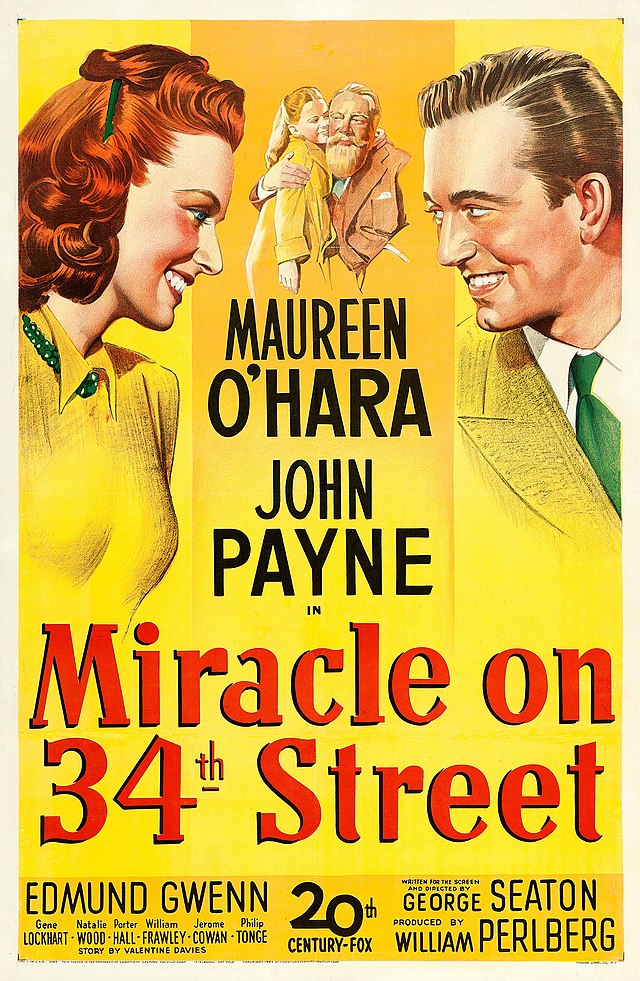
Santa Claus is a sweet little story we were told as kids, all part of buying into the magic of Christmas. How can we have been so silly as to think a jolly fat man with a red coat and flying reindeer delivered our Christmas presents? It’s the sort of fantasy adults are primed to burst like an over-inflated balloon. As a tribute to the earnest joy of believing in childish things, Miracle on 34th Street should also be the sort of thing the adult in us can’t wait to mock. Instead, its warmth and good-natured sweetness carries you along and makes you want to believe.

It’s the build-up to Christmas, and Macy’s in New York is working overtime to bring the magic to its customers (and turn a tidy profit). Macy’s Day Parade director Doris Walker (Maureen O’Hara) is relieved when Kris Kringle (Edmund Gwenn) takes the place of a drunken parade Santa and then occupies Santa’s Grotto in the store. Kringle is exactly the sort of guy you picture when you think of Santa – and, on top of that, claims to be Santa himself, much to the discomfort of Doris who doesn’t believe in all that stuff and certainly doesn’t want her daughter Susan (Natalie Wood) to. But when Kringle finds himself in court, fighting against being committed to an institution, with only Doris’ boyfriend Fred Gailey (John Payne) to defend him, can he prove there is a Santa Claus and it’s him?

Seaton’s film is an adorable delight which is funny and good-natured enough to avoid the trapdoor of sickly sentimentality. It’s a film about adults getting back in touch with the giddy delight of believing childish things. It flags up every cynical objection – and then gently suggests we’d be happier forgetting them. After all, what’s the harm in allowing ourselves in a few harmless flights of fancy – why should everything be measurable? Kris Kringle comes up against the hard-headed: harried mothers, businessmen, judges and lawyers and wins them over with his genuineness and warmth. He makes people want to believe – and doesn’t that, in a way, make him Santa?

It helps a huge amount that Edmund Gwenn is perfectly cast. Piling on the pounds and facial hair, Gwenn looks the part but also is the part. His performance is kind, considerate and bursting with warmth and good cheer. In a performance full of light, unforced playfulness, Gwenn gets the level of sweetness just right. A squeeze or two more and you would choke on the schmaltz of the whole conceit: but Gwenn is so adorable the audience wants to believe in him as much as the characters.

Especially as this Santa melts some of the cold commercialism of our modern Christmas. Miracle on 34th Street has a lot of good-natured fun at how Kris confounds the latent money-making of Christmas. On hire he’s instructed to memorise a list of preferred products to push on children. Instead he points mothers towards competing stores where they can get the exact gift they want or pick up better quality goods than at Macy’s. Of course, the concept proves so popular with customers that RH Macy is confounded by the goodwill it creates in his customers (and the huge sales it will lead to from their loyalty). Even other department stores start doing the same.

It’s one of the recurrent themes of the film: Kris brings out the best in people. Maybe not always for the right reasons: the shop-owners who want money, the judge who wants re-election. But it shows what benefit a little bit of good can have in the world. Kris also shows how little touches of consideration can change lives. There is a truly heart-warming moment where Kringle meets a Dutch orphan who simply wanted to meet Santa – although her adopted mother warned her Santa can’t speak Dutch. Much to her surprise, Kris launches into fluent Dutch, to the delight of the child. Miracle on 34 Street has several moments where the unstudied delight of children is captured to great effect, not least Natalie Wood’s delighted response to discovering the reality of Kringle’s beard (it also, to be fair, has several fairly cloying child actors).

Eventually the forces of darkness – led by Porter Hall’s twitch-laden store “psychologist”, whose bullying self-importance makes him the only person Kringle dislikes – insist we all put away childish things and chuck Kringle in an asylum. Miracle on 34th Street segues into a Capra-esque court-room drama (it’s hard not to detect touches of Mr Deeds Goes to Town) which pits Kringle’s home-spun honesty against legal cold professionalism. The clash becomes a delightful headache, as both the Judge and DA confront outraged children at home who can’t believe they are putting Santa on trial. It’s a great gag: who wants to be the judge who rules categorically Santa does not exist?

Alongside these gently amusing courtroom shenanigans (with John Payne doing an excellent job as Kris’ inventive lawyer) the film balances an endearing domestic plot. There is the inevitable will-they-won’t-they between Payne and O’Hara (if there is a bit of slack you need to cut the film today, it’s in Fred’s pushy wooing of Doris, including corralling Susan). But also, can O’Hara’s all-business professional, who’s raised her daughter with a Gradgrindish obsession with facts, melt her heart and allow both of them to believe a little bit? O’Hara handles this softening with all the consummate skill of a gifted light-comedian, while Gwenn’s delightful interaction with Wood’s precocious Susan, keen to access a world of imagination she’s never really known, is perfectly done.

it becomes a film about the power of believing. In our modern age we become expected to only base decisions on cold hard facts. Doris has taught her daughter to doubt imagination as a weakness to protect her from disappointment in the world (she is after all divorced, quite daring for a 40s family drama). But its also made Susan less likely to invest in faith, to open herself up to hopes and dreams. Its recapturing the ability to believe in something and be enriched by it that becomes one of the film’s richest messages.

It would be incredibly easy to poke fun at the good-natured naivety of Miracle on 34th Street, where businessmen are money-focused-but-decent and lawyers are amiably ready to indulge Kris with a smile. But it’s a film that zeroes in on an in-built nostalgia for simpler times in all of us. We’ve all been little Susan, sitting in a car desperately wanting to believe in the magical. It’s a film that demonstrates the eventual emptiness of cynicism, encouraging the audience to just put all that aside for 90 minutes and remember what it was like to be a child again. Throw in with that Edmund Gwenn as the definitive Santa and it might just be one of the greatest Christmas films ever made.

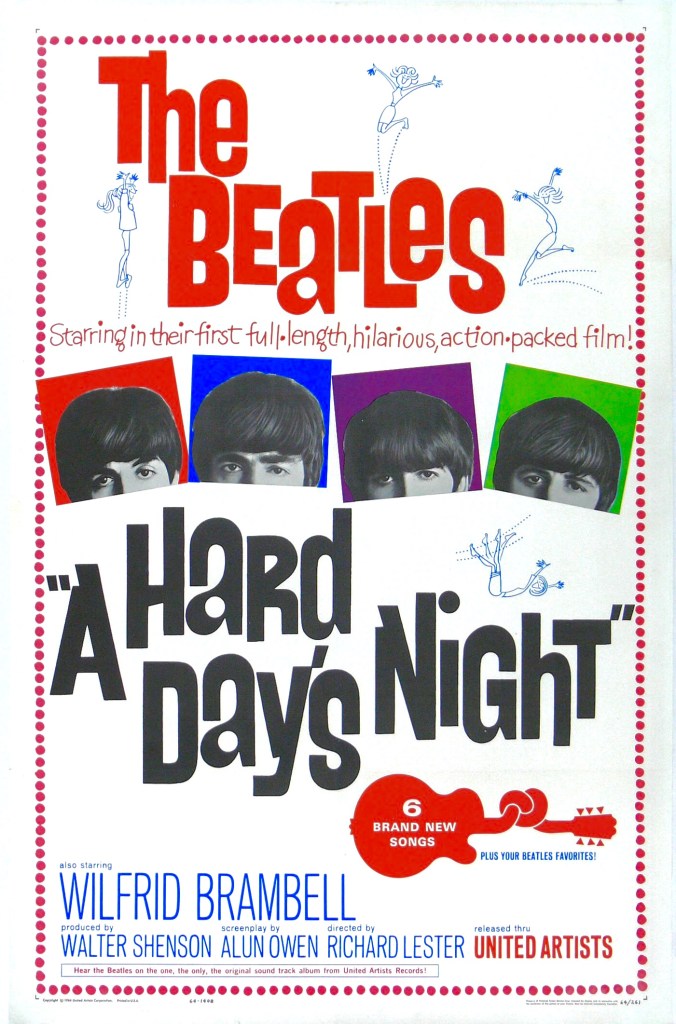
A Hard Day’s Night (1964)

A Hard Day’s Night (1964)

The Fab Four conquer the movies in this fast-paced and funny road movie

Director: Richard Lester

Cast: The Beatles, Wilfrid Brambell (John McCartney), Norman Rossington (Norm), John Junkin (Shake), Victor Spinetti (TV Director), Anna Quayle (Millie), Richard Vernon (Man on Train), Kenneth Haigh (Simon Marshall)

In 1964 they weren’t just the most popular music act: they basically were music. Everywhere they went they were met by crowds of screaming fans. They’d conquered America. They were no longer four lads from Liverpool: they were The Beatles. They were numbers 1-5 in the States, their last 11 songs had gone to number one, they were the most popular people on the planet. Of course, it was time for them to conquer the movies.

What’s striking is that A Hard Day’s Night could have been like any number of god-awful Elvis Presley films, with the King awkwardly playing a series of characters shoe-horned into plots based on songs. Richard Lester would do something different – and along the way he’d arguably invent the music video (when told he was the father of MTV, Lester famously asked for “a paternity test”) and the mockumentary all in one go. Lester placed the fab four into a day-in-the-life road movie, mixed with silent-comedy inspired capers and Marx Brothers style word play, in which they would play versions of their various personas in what basically amounted to a series of fly-on-the-wall sketches.

The film follows the gang in Paul’s (fictional) grandfather John (“Dirty old man” Steptoe’s Wilfrid Brimbell) complains move from “a train and a room and a car and a room and a room and a room”. (In a running gag lost on those not au fait with 60s British sitcoms, he is repeatedly called “clean”). In other words, we see the Fab Four shuttle to London, answer questions at a press conference, skive-off to prat about in a park then go through a series of rehearsals (with interruptions) before performing on TV and choppering off to their next appointment. It’s non-stop (even their night-off is filled with answering fan-mail – and pulling Grandad out of casino) work, work, work and any time outside is spent running from a mob of screaming fans. A Hard Day’s Night indeed.

Lester shoots this with an improvisational energy that feels like its run novelle vague through a kitchen-sink drama. He’s not averse to Keystone Kops style chases, sight gags and letting the camera bounce and jerk around with the actors. If things go wrong – ten seconds into the film George and Ringo fall over during a chase scene, get up and start running again while John laughs his head off – Lester just ran with it and kept it in. Everything feels like it has the casual, cool energy of just sticking the camera down and watching four relaxed, cool guys shoot the breeze.

It helps that he moulds four decent performances from a band that, let’s be honest, was never going to trouble the Oscars for their acting. Screenwriter Alun Owen – whose Oscar-nominated script is awash with pithy one-liners and gags – spent a couple of weeks with the boys and from that essentially scripted them four personas best matching their real-life attitudes. John becomes a cocksure smart-arse, with a quip for every corner. Paul an earnest, decent guy with a taste for wacky gags. George a shier, poetic type. Ringo the closest the band gets to a sad-sack loser, but also the most down-to-earth. Essentially, with these scripted “selves” the band were encouraged to relax and go where the mood takes them.

It works. Of course, it helps that the Beatles are (a) really cool and (b) totally relaxed with themselves, with Lester encouraging an atmosphere where the four feel less like they are acting and more like they are just being. There is an impressive naturalness about this film – really striking since it’s full of silly stuff, from the four hiding in a work tent to a car thief being roped in by the police to drive them through a chase – that means it catches you off guard. After a while you kick back and relax along with the people in it. That’s the sort of casual cool that’s impossibly hard work to pull off.

The musical sequences also feel spontaneous. When the Beatles bust out their kit and do a number on the train among the baggage it makes as much sense as them performing their stuff in the studio. It all stems from confidence – the sort of confidence that makes the group seem cheeky rather than cocky. There is a vein in A Hard Day’s Night of thumbing your noise at the posh, privileged world that was being gate-crashed by four working-class Scousers. It’s hard not to side with the Beatles when they tease Richard Vernon’s snobby city gent on the train (“I fought a war for you lot” he sniffs “Bet you wish you’d lost now” John snarks) or smirk at the deferential police eye these working class lads with suspicion.

What A Hard Day’s Night does best of all is make the Fab Four look like Four Normal Guys. They always look slightly dumbfounded by the pace of their life and the riotous reception from fans. They always seem like they’d be happier joking around or, as Ringo does when he bunks off for some time alone, wandering along chatting with people and dreamily watching the world go. They treat the media attention (and stupid questions) with straight-faced but ridiculous answers (“What do you call this haircut?” “Arthur”) and never feel or look like fame has corrupted them. Their manager Norm (a fine Norman Rossington) essentially treats them like four naughty schoolboys.

A Hard Day’s Night flies by in less than 90 minutes. It’s charm, wit and Lester’s sparkling imagery (the boys pratting around in the park did indeed inspire about a million MTV videos) and ability to shoot musical gigs in imaginative exciting ways makes it almost certainly the finest music-star film ever made – and inspired generations of comedies to comes. No wonder it made the Beatles number one at the Box Office and the Charts.

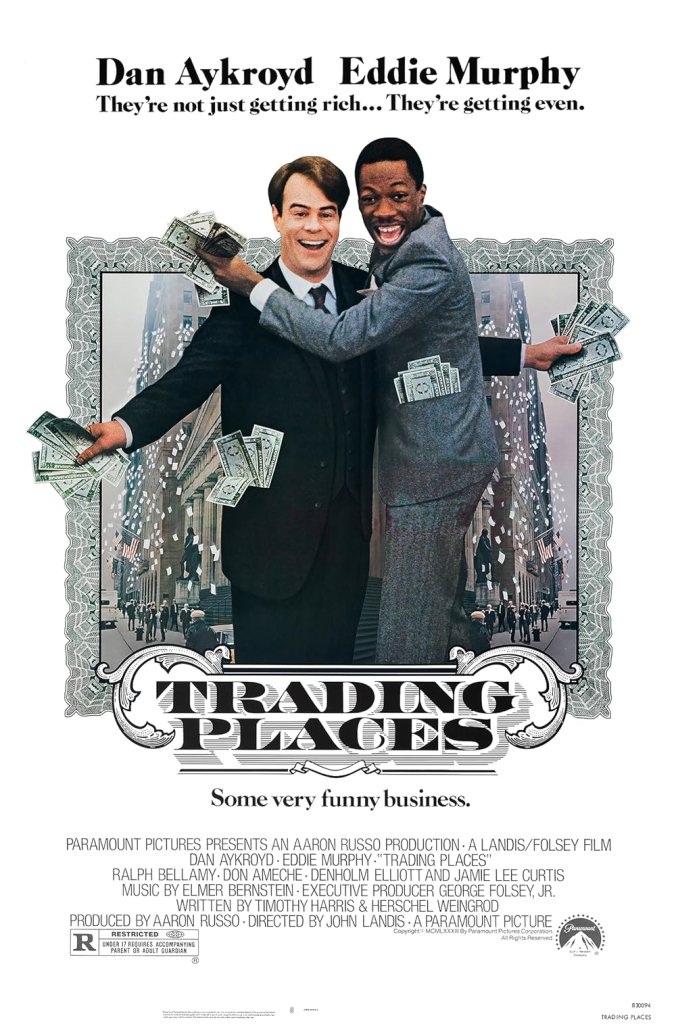
Trading Places (1983)

Trading Places (1983)

Very 80s comedy, full of rude gags and the glories of money still funny in many places

Director: John Landis

Cast: Dan Aykroyd (Louis Winthorpe III), Eddie Murphy (Billy Ray Valentine), Ralph Bellamy (Randolph Duke), Don Ameche (Mortimer Duke), Denholm Elliott (Coleman), Jamie Lee Curtis (Ophelia), Paul Gleason (Clarence Beeks), Kristin Holby (Penelope Witherspoon), Jim Belushi (Harvey)

Louis Winthorpe III (Dan Aykroyd) has it all. A house in Philadelphia, glamourous fiancée and high-flying job as Managing Director at Duke & Duke, the leading blue-chip commodities brokers. Billy Ray Valentine (Eddie Murphy) has nothing: penniless, homeless, hustling on the Philly streets. But is their fate due to nature or nurture? Finding that out is the subject of a bet between heartless Duke brothers Randolph (Ralph Bellamy) and Mortimer (Don Ameche). They turn both men’s lives upside-down by swopping their positions – Louis will be disgraced and left with nothing and Billy Ray will get his house and job. Will they fall or rise? And what will they do when they find out their lives are the Duke’s playthings?

Trading Places was one of the big box-office smashes of 1983, a film that changed the lives of virtually the whole cast. It showed the world Aykroyd could carry a comedy without partner Jim Belushi, gave a second career to Bellamy and Ameche, led Curtis to say the role “changed her life” from just a scream queen and, perhaps most of all, turned Murphy into a mega-star. It’s still witty, fast-paced and funny today, even if in places it’s not always aged well.

Landis takes a screwball approach, unsettling the lives of two contrasting people and then throwing them into an unlikely revenge partnership. Trading Places is very strong on the contrasting world of rich and poor. The wood-lined, club-bound world of the Dukes is carefully staged, paintings of financial and political grandees staring down from walls as assured, masters-of-the-universe easily sachet around posh clubs and squash clubs, to the sound of Elmer Bernstein’s Mozart-inspired score. By contrast, the rough, litter-lined squalor of Philadelphia’s poorer neighbourhoods is unflinchingly shown with, under the comedy, the suggestion life is cheap and everyone is for sale.

Of course, a lot of the ensuing laughs come from seeing a rich person who has only known comfort thrown into this life of a tramp and vice versa. Ackroyd’s Winthorpe bristles with disbelief at his situation and the rich man’s blithe assurance that (any moment) someone will say there has been a terrible mistake carries a lot of comic force. Meanwhile, Murphy’s fast-talking Billy Ray assumes he is the subject of an elaborate prank (or perverted sex game) as stuffs the pockets of his first tailored suit with knick-knacks around the house the Duke’s assure him is now his. Hustler Billy Ray turns out, of course, to be well-suited to the blue-collar hustle of financial trading. He also finds himself, much to his surprise, increasingly interested in the culture and artworks around him.

Under all this, Trading Places has a surprisingly negative view of rich and poor. Louis posh friends and shallow fiancée are all status-obsessed snobs who turn on him in minutes when he is framed for theft, embezzlement and drug trafficking. The servants in their posh clubs – all, interestingly, Black men in a quiet statement on race that you still wish the film could take somewhere more interesting – are treated as little better than speaking items of furniture and there is a singular lack of interest or concern for anyone outside their social bubble. Playing fair, every working-class character we see (apart from Curtis and Murphy) is lazy, grasping and shallow, ignoring Billy Ray until they can get something from him, at which point they fall over each other to snatch freebies from his house.

Trading Places is, in many ways, a very 80s screwball. Money is the aim and reward here. Trading Places has respect only for aspirational characters who save and invest their money. (Curtis’ prostitute is marked out as savvy and decent because she has invested nearly $42k from her work in a nest-egg). The film culminates in a financial scam (playing out on the trading floor of the World Trading Centre) designed to reward our heroes with wealth and punish the villains with poverty. For all the film stares at the reality of poverty and riches, the implications and injustices of wealth are ignored, with money ultimately framed as a vindication.

But then, Trading Places is just a comedy so perhaps that’s reading a bit too much in it. There is a frat-house energy to Trading Places under its elaborate framing and a lot of its gags come from a rude, smutty cheek that sometimes goes too far (not least a punchline involving a villain being repeatedly raped by a randy gorilla). Murphy’s energy – every scene has the crackle of improvised wildness to it – is certainly dynamic (this is probably his funniest and – eventually – most likeable role) and while Aykroyd is a stiffer comic presence, he makes an effective contrast with Murphy.

The real stars here though are the four supporting actors. Bellamy and Ameche seize the opportunity to play the villains of the piece with an experienced gusto, brilliantly funny in scene-stealing turns. Outwardly debonair, the seemingly cudily Bellamy and prickly Ameche superbly reveal the greed and casual cruelty of these two heartless Scrooges. Elliot is also extremely funny, and the most likeable character, as a kind butler just about disguising his loathing of the Dukes. Curtis’ vivacity and charm makes a lot of an under-written “hooker with a heart of a Gold” trope – like her co-stars she seizes her chance with a fun role.

Some of Trading Places has of course not aged well. Jokes with gay slurs pop up a little too frequently. While the Duke’s use of racist language makes sense (after all they are vile people who see Billy Ray as nothing but a curious toy), it’s more of a shock to hear our nominal hero Louis do the same. Murphy’s improvised sexual harassing of a woman on the streets (ending with him screaming “bitch!” after her when she walks off) doesn’t look good. Curtis twice exposes her breasts for no reason. The film’s closing heist involves Aykroyd blacking up and affecting a Jamaican accent.

But, dubious as some of this is now (and while you can argue times have changed, surely even then some people would have been unsettled by this sort of stuff framed for good-old-belly laughs), Trading Places is still funny enough to be a pleasure. And, with the performances of Bellamy, Ameche, Elliot and Curtis we have four very good actors providing a humanity and professionalism to ground two wilder comedians. It’s easy to see why this was a hit.

Blackberry (2023)

Blackberry (2023)

Comic-drama about business collapse wants to The Social Network but lacks its deft touch and humanity

Director: Matt Johnson

Cast: Jay Baruchel (Mike Lazaridis), Glenn Howerton (Jim Balsillie), Matt Johnson (Doug Fregin), Rich Sommer (Paul Stannos), Michael Ironside (Charles Purdy), Martin Donovan (Rick Brock), Michelle Giroux (Dara Frankel), Saul Rubinek (John Woodman), Cary Elwes (Carl Yankowski)

“We’ll be the phone people had before they had an iPhone!” I’ve always found successful products that collapsed overnight fascinating. The Blackberry tapped into something people didn’t even realise they wanted: a phone that combines a computer and pager, a status symbol that told everyone you were a Master of the Universe. It was the product everyone wanted – until Steve Jobs announced the iPhone that did everything the Blackberry did better. It should be material for an entertaining film – but Blackberry isn’t quite it.

The film is set up as a classic Faust story. Our Faust is Mike Lazaridis (Jay Baruchel), co-founder and CEO of Research in Motion, a tiny Canadian business with an idea for lovingly crafted cellular devices. Our Mephistopheles is Jim Balsille (Glenn Howerton), an aggressive blowhard businessman who sees the potential – and knows he can sell it the way the timid Lazaridis never could. The angel on Faust’s shoulder is co-founder Doug Fregin (Matt Johnson), who worries the quality-and-fun parts of the business will be sacrificed. Nevertheless, Mephistopheles tempts Faust into partnership and they turn Blackberry into a huge business destined to all fall apart.

Blackberry desperately wants to be The Social Network. What it lacks is both that film’s wit and sense of humanity. It’s a film trying too hard all the time, always straining to be edgy. You can see it in its hand-held, deliberately soft-focus filming style, the camera constantly shifting in and out of blur. (Watching after a while I genuinely started to feel uncomfortable, with a wave of motion sickness nausea.) It goes at everything at one hundred miles an hour, but never manages to make its depiction of a company bought low by arrogance and unwillingness to adapt either funny or moving. It’s aiming to capture the chaos, but instead feels slightly like a student film.

It’s Faustian theme of selling out your principles for glory is just too familiar a story – and the dialogue isn’t funny enough to make the film move with the zingy outrageousness it’s aiming for. It also lacks momentum, the woozy hand-held camerawork actually slowing things down, a very shot lurches into focus. It’s a film crying out for speedy montage and jump-cuts to turn it into a sort of cinematic farce, as the business makes ever more sudden, chancy calls which switch at the mid-point from paying off to unravelling. Instead, it stumbles around like a drunken sailor.

At the centre, Jay Baruchel delivers the most complex work as the awkward and timid Lazaridis who slowly absorbs more and more smart business styling and ruthlessness over the film. But the film fumbles his corruption. His opening mantras – that “good enough is the enemy of humanity”, that Chinese mass production equals low quality because the workers aren’t paid enough to care about the product, that companies should focus on human needs – are all-too obviously dominos set up to get knocked over as Lazaridis gets corrupted and cashes out his principles to turn out exactly the sort of bug-filled mass-produced crap he railed against at the start – but this makes the character himself feel more like a human domino himself rather than living, breathing person.

The other performances all verge on cartoonish. Glenn Howerton channels Gordon Gekko and The Thick of It’s Malcolm Tucker as abusive, sweary, would-be Master-of-the-Universe, only-interested-in-the-bottom-line Jim Balsille. Balsille will do everything Lazaridis won’t do: he’ll cut corners and browbeat his way into meetings. A smarter film would make clear Balsille is in many ways more effective than Lazaridis – that without him Research in Motion would have gone bust years ago. It could also have looked with more sympathy at a guy who so believed in his one shot at glory he re-mortgaged his house to pay for it. But the film leans into Howerton’s skill at explosive outburst and never really humanises him, constantly shoving him into the role of villain.

The film also fails with its more human element. Director Matt Johnnson plays Doug Fregin, Lazaridis’ best friend and business partner. Fregin is set-up as the angel in Lazaridis shoulder, the decent guy against selling out. But Johnson’s performance lacks charm or likeability. Fregin – like many of the other workers of the company – is a geek-bro, his veins pumping with fratboy passions, who thinks the best way to get people working is to throw a string of parties. He’s, in a way, as wrong as Balsille is on what makes long-term business success. Crucially as well, the friendship between him and Lazaridis never really rings true, not least because Fregin browbeats and bullies the timid Lazaridis as much as Balsille does.

With no-one to really care for, the tragedy of this business never hits home. It does capture the sense of desperation as the once-mighty company collapses in the face of Apple – Lazaridis ramming his head into the sand and refusing to believe anyone would want a phone sans keyboard – but it fails to successfully illustrate why an innovator lost his ‘magic’ touch. The script fails to land much of its humour, and tiptoes around positioning Lazaridis as increasingly corrupted, even as starts hiring brash businessmen (epitomised by Michael Ironside’s sergeant-major fixer) to say the thing to his underlings that he’s too scared to. The financial shenanigans that land Blackberry in trouble with the SEC aren’t properly explained, and the actual reasons the iPhone finally put Blackberry in the dust bin of history are hand-waved away (“minutes… data… look just accept it ok”)

Blackberry would, in the end, have been better as an hour-long documentary, with dramatic reconstructions supported by informative talking heads. The film we have fails to deliver on a concept that bursts with comic and dramatic potential.

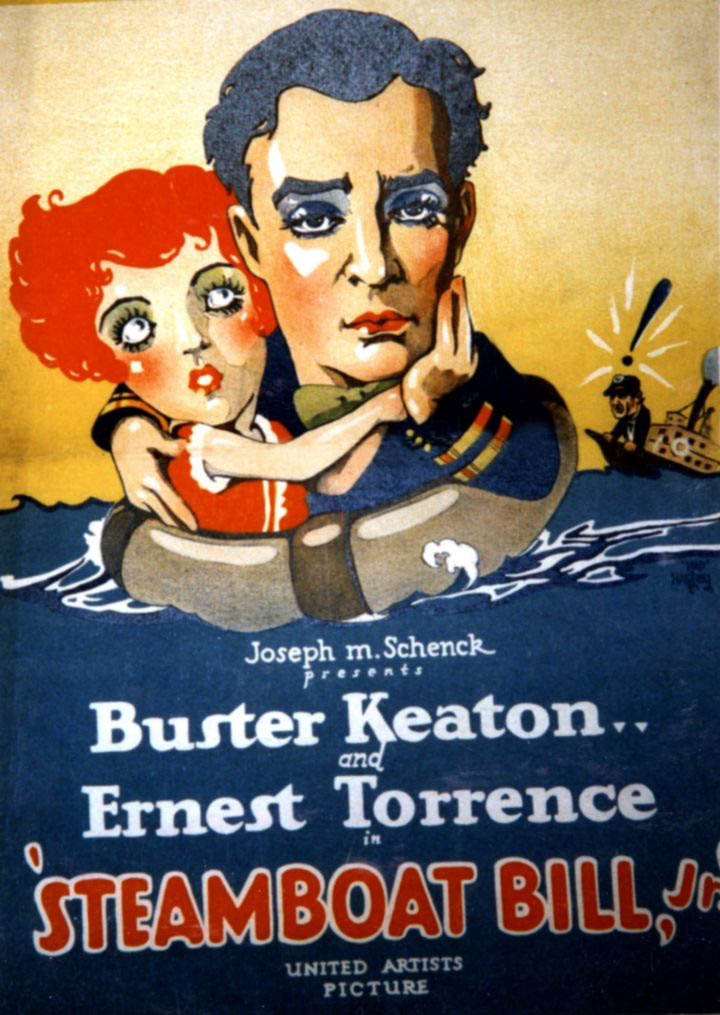
Steamboat Bill Jnr (1928)

Steamboat Bill Jnr (1928)

Keaton struggles to win his father’s approval in this brilliantly fast-paced farce

Director: Charles Reisner (& Buster Keaton)

Cast: Buster Keaton (William Canfield Jnr), Ernest Torrance (William Canfield Snr), Marion Byron (Kitty King), Tom McGuire (John James King), Tom Lewis (Tom Carter), Joe Keaton (Barber)

Steamboat Bill Jnr was meant to be a return to glory after the box-office disappointment of The General. Unfortunately for Keaton it shared all the traits of his previous film. An artistic triumph, today seen as one of the great silent comedies: but at the time an expensive misfire that hammered the final nail into Keaton’s filmmaking independence. Before he was swallowed by the MGM machine, Steamboat Bill Jnr was the last pure Keaton film, the last display of the master’s gravity defying stuntwork and all-in physical gag commitment.

Keaton is the forgotten son of paddle steamer operator William “Steamboat Bill” Canfield (Ernest Torrance) whose craft, the Stonewall Jackson, is being put out of business by the cutting-edge steamer The King named after its wealthy owner JJ King (Tom McGuire). William Jnr is a disappointment to his manly father: he’s clumsy, polite, decent has a pencil moustache (but not for long) and plays the ukelele. What kind of son is that? Worst of all, he falls in love with Kitty King (Marion Bryon), daughter of Steamboat Bill’s love rival. Can his son prove his worth when disaster piles on disaster and a cyclone hits the town?

Steamboat Bill Jnr is Keaton at his best. Although it has a romance plotline, this wisely plays second fiddle to the sort of role Keaton was born to play: slightly naïve and foolish sons, who are disappointments to their father. With his sad sack, impassive face and earnest, try-hard determination, Keaton was guaranteed to win the sympathies of the masses and Steamboat Bill Jnr is the fine-tuned ultimate expression of this classic Keaton role. He’s horrendously unlucky – he seems destined to trip over and activate vital levers or if he opens a door it will inevitable send someone tumbling off the boat – and at every turn well-meaning attempts to win his father’s favour backfire. It’s a superb exploration of a key theme in Keaton’s life and work – the struggle to win the regard of a domineering father in his own line of work, something Keaton had faced in his own life.

But despite that, like all the best Keaton heroes, he never, ever gives up. Adversity is milk-and-drink to him and, despite everything, his ingenuity and determination always wins out. He may look like a clueless, slightly ridiculous college kid adrift on a boat, walking around in his over-elaborate uniform: but the final reel, which shows him hooking up the boats systems via ropes and pulleys so he can control it singlehandedly proves it certainly wasn’t lack of attention that lay behind his mishaps.

And what’s really wrong with being a clearly middle-class kid who hasn’t spent much time on boats? It’s not like he’s a dandy or a layabout – he just doesn’t fit the mould his father expects – that of a flat-capped, oil-stained, tobacco chewer (and who knows not to swallow it!) never happier than when getting his hands dirty. Ernest Torrance is very good as this exasperated working-man, whose ideas of what counts as “manly” are very narrow (barely extending beyond the mirror) and sees any deviation in his son as highly suspicious metropolitan laxness.

Perhaps he feels his son looks too much like his puffed-up, slightly dandyish rival JJ King (an effective Tom McGuire). There is more than a touch of class warfare between these two, as well as a romantism that values the run-down-but-reliable Stonewall Jackson (right down to its Civil War era name) and the overly-polished-can’t-trust-it King. There are echoes (and not just in the names) in the generational family feud of Our Hospitality­ – not least in the fact that marriage seems destined to eventually bring the two families together in something approaching love and harmony.

Marion Byron gives a decent performance as Kitty – even if the film has little interest in her beyond love-interest device, including the inevitable moment where she becomes convinced Keaton’s character has let her down and decides to snub him. This snubbing takes place in a very funny scene of missed meetings and attempted evasions on the street; although this scene is itself a shadow of father and son meeting at the station, the son writing he will be recognisable by his white carnation, a flower everyone arriving at the train seems to be wearing (not helped by Keaton losing his).

Eventually matters proceed to blows and the arrest of Canfield Snr (and an attempted break-out foiled by the son’s inability to get his father to trust him) before the town is blown away in one of the great Keaton set-pieces. Rain and bad weather peppers the final thirty minutes of the film – including an exquisite sight gag when Keaton steps into a puddle and disappears up to his waist – and erupts into a cyclone that rips buildings apart, blows others across fields and raises the waters to wreck the paddleboats and wash other buildings out to sea.

And this storm is the centrepiece of another peerless display of Keaton’s physical determination and courage in the name of comedy. He gets trapped in a hospital bed blowing through the streets (after the building rips away to reveal him, a stunning in camera trick). He walks at almost 45 degrees against the wind. And, most famously, he stands in the perfect spot for the window of the façade of a house to save him when it falls on top of him. For this final stunt – insanely dangerous by any standards – even Keaton would later reflect on the suicidal risks he took. Either way, it’s a brilliantly elaborate set-piece (a riff on another set-piece from an earlier short) and a clear sign no-one did better than Keaton.

And no-one did. Watching Keaton bound like a squirrel up and down a paddle boat and dive into the flooded river, you know you are watching someone who really understand both the beauty of visual imagery and the peerless excitement of reality on film. Steamboat Bill Jnr combines this with a strong story, full of characters to root for and stuffed with sight gags (from a parade of hats stuffed on Keaton’s head, to a shaving from his father Joe) that make you laugh time and again. It’s a tragedy that this, one of his finest comedies, would also be his last where he had creative control.

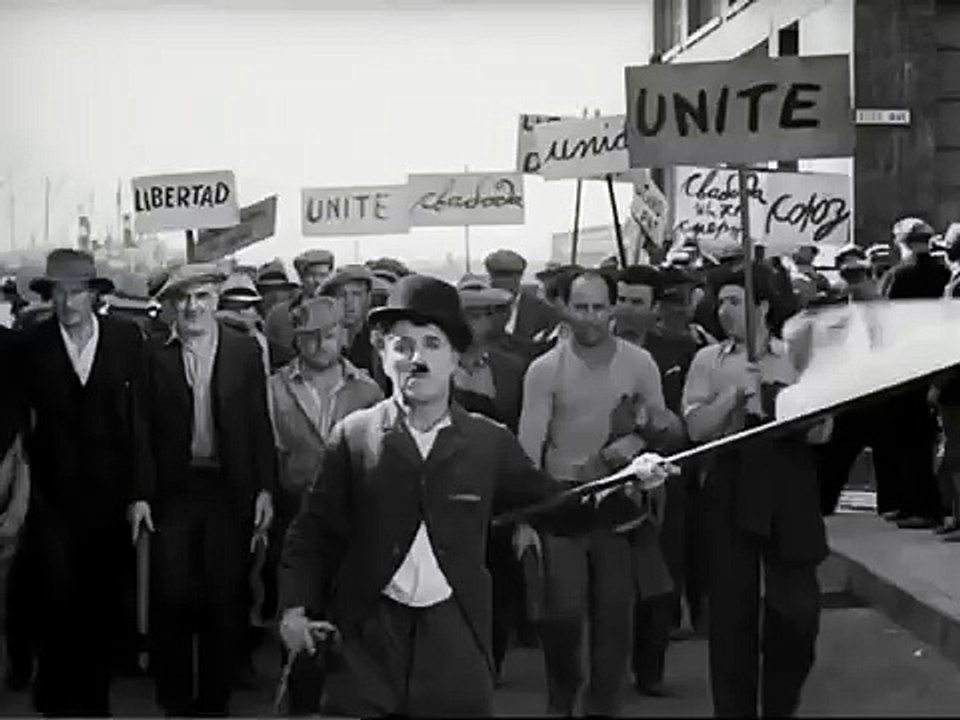
Modern Times (1936)

Modern Times (1936)

Chaplin’s silent swansong, is a funny but quietly impassioned attack on corporate greed

Director: Charles Chaplin

Cast: Charles Chaplin (The factory worker aka The Tramp), Paulette Goddard (The Gamin), Henry Bergman (Café owner), Stanley “Tiny” Sandford (Big Bill), Chester Conklin (Mechanic), Al Ernest Garcia (President of Electro Steel), Stanley Blystone (Gamin’s father), Richard Alexander (Cell mate)

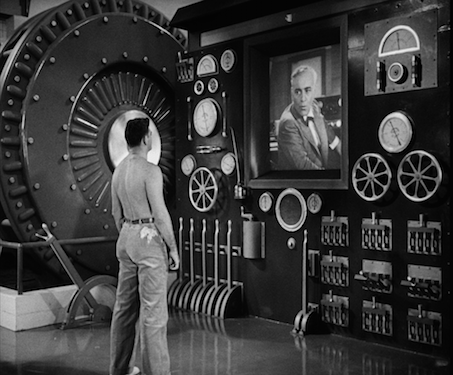
As cinema entered Modern Times of its own, Chaplin had a profound sense that he needed to move with those times. The legendary comedian, whose Tramp persona had made him (possibly) the most famous man in the world, was a silent comedian starting to be left behind by sound. There is a rich relish in the fact that Modern Times, a joke-packed criticism of the coldness of modern industry, is both Chaplin’s last silent and first sound movie, a dipping of the toe in modern times and a valedictory swansong for the past. It’s a film that bridges the ‘modern’ and classic of cinema.

Chaplin is an assembly line-worker eventually driven to a nervous breakdown by the relentless, fast-paced monotony of his work (not to mention a death-defying encounter with the internal workings of the factory machines). Sent to recover in a hospital, he emerges into to find there is little in the world that a dreamer and romantic like him can understand. Again and again, things go wrong. He’s arrested for picking up a red flag in a union march, fired as a night watchman in a department store for helping starving thieves, hopeless as a factory repair man and struggles with tongue-tied silence as a singing waiter. But he and a young ‘Gamin’ (Paulette Goddard), both hope for a better life.

Modern Times has a deceptive structure. It’s easy, at first glance, to see is as four two-reelers thrown together: mini-films in the factory, prison, department store and café. But what Chaplin has created here is a picaresque fable, with the Tramp in the middle. (Only one sequence, with the Tramp as a repairman in a factory, feels superfluous repeating some jokes from the opening act). A morality tale of the modern era, where the big bosses and machines are indifferent to those on the bottom rungs, continually punctuated by the police riding up to bear away the innocent on the slightest pretext. It’s a masterclass of subtle repetition, with moments of contentment forever snatched away.

Chaplin’s most subtly political work became his most controversial. In a way few other films of the 1930s did, Modern Times engages with the conditions and politics of the Great Depression. Housing for the poor is ramshackle, with walls literally held up by mops. The factory alternates exploiting its workers at ever dizzying production speeds with ruthlessly laying them off the moment a slight economic downtown takes place. Union movements are ruthlessly stamped out: when the Tramp accidentally joins a march, he is arrested while the Gamin’s father is shot by police crushing another march. Poverty is ever-present – the Gamin ‘steals’ unwanted food to feed others, laid off factory-workers rob stores for food and when the factories are re-opened there is an almighty struggle from the desperate to get through the gates and claim a few hours of work.

Unsurprisingly Modern Times was condemned as possibly communist and suspiciously anti-American: Chaplin, turning a mirror on conditions in America started to be seen more-and-more by many as a suspicious alien (after all, he’d never taken on American citizenship). Nobody wanted to hear the funnyman turn prophet and many were suspicious of the comedian who used jokes to sweeten the bitter pill (even if, as per many of Chaplin’s messages, it was a rather naïve and simplistic one). It didn’t matter that Modern Times boils down to a plea for a universal love and understanding, it was somehow a creeping sign of the political dangers in ‘modern times’.

Today, distanced from the Red Scare, Modern Times looks far more like what it actually is: a pathos-filled, liberal eye on the working classes that champions the dreamers and the little guys over the corporations and the system. And who better as a hero for that than The Tramp? After all, this was a figure who had struggled against the odds for decades. Modern Times would see that struggle on multiple fronts: against the system, against the machines (literally so, as they swallow him up) and against a way of life that seems to be betting against him.

Even cinema was betting against the Tramp. Chaplin knew he couldn’t put off converting to sound forever. But he also knew the Tramp was a universal figure – and a large part of that was his silence. He never speaks in Modern Times – and when he sings, it’s in garbled, funny-voiced nonsense that effectively keeps him as a universal mute. It’s The Tramp’s final victory lap.

Chaplin’s comic timing remains masterful, and Modern Times is awash with marvellous, balletic set-pieces. Most famous is the opening factory sequence (which owes more than a debt to Fritz Lang’s Metropolis and feels remarkably prescient of Orwell’s 1984 with its Big Brotherish boss), a crazed ballet of repetitive, fast-paced movement on the production line – culminating in the legendary sequence of him being sucked into the very gears of the machine. The factory cares so little about the men there, that a machine designed to feed them as they work is dismissed as impractical rather than inhumane – though it gives us a great set piece of Chaplin assaulted by this machine with soup, custard pies and morsels rammed into his face by a mechanical arm.

The comic invention continues through the prison sequence. It’s a sign of the sting under the surface of Modern Times that the highlights of this sequence come about due to the Tramp (accidentally) being high on a mountain of cocaine. Foiling a jail break through coked-up bravado – another wonderfully done sequence, timed to perfection and filmed in one-shot – the Tramp’s reward is not being allowed to stay (and get the roof and food he needs) but early release. (Modern Times finds time, before he goes, for a final pop at ineffectual, superior middle-class do-gooders, lampooning a crusading priest’s wife as coldly distant and the subject of a cheeky gaseous gag).

Modern Times develops into a sweet fairy-tale romance with the introduction of the Gamin. Paulette Goddard gives a radiant performance, full of confidence and comic vibrancy – she becomes the first female lead given near-equal treatment by Chaplin. The department store sequence is grounded with their relationship, from the Gamin taking the opportunity to sleep in a beautifully prepared bed. Their time in the shop at night is full of wonder at the comfort and luxury – that they never see in their own homes – and culminates in a beautifully shot roller-skating sequence, with Chaplin circling balletically on the floors of the shop. (Tellingly though, he does so on the edge of precipice marked danger – Modern Times never forgets that danger lies just round the corner).

It’s the Gamin who lands them a job at a bustling café – awash with spoiled, rich customers – via her dancing ability (there is a fabulously simple transition that sees her pirouetting on the streets to ending the dance in glamourous clothes in the café). Even this moment of happiness is foiled by the law – illogically chasing the Gamin for past vagary offences rather than leaving her to work. But it’s made clear that they are a partnership: fitting the humane message of Modern Times that our best chance of being saved is sticking together.

Modern Times is shot by Chaplin with a striking, sprightly inventiveness. There are signs throughout of Chaplin’s overlooked visual and editorial skill, transitions that are hugely cinematic, storylines that are communicated with maximum efficiency and clarity. As well as the influences of Lang, Chaplin shows a debt to Eisenstein with a striking early visual cut that sees a crowd of sheep (with one black sheep in the middle) cut to a crowd of workers emerging from a subway into the factory. Modern Times pushes its humane message with a gentle persistency, but never lets it dominate the comic and emotional force of the film. Chaplin is an entertainer with a social conscience – but he is an entertainer first of all – and Modern Times is never anything less than charming and funny, even when it is spikey.

The General (1927)

The General (1927)

Keaton’s masterpiece, less of a comedy and more an inspiration for hundreds of action films

Director: Buster Keatson & Clyde Bruckman

Cast: Buster Keaton (Johnnie Gray), Marian Mack (Annabel Lee), Glen Cavander (Captain Anderson), Jim Farley (General Thatcher), Frederick Vroom (Southern General), Charles Smith (Mr Lee), Frank Barnes (Annabel’s brother), Joe Keaton (Union General)

The General frequently features in the lists of greatest comedies of all-time. It’s a bit of a misnomer: while The General has its fair share of jokes, it’s really a sort of action film. A Mad Max: Fury Road with gags, the greatest chase you’ll ever see and one of the most dynamic stunt spectaculars ever made. It’s Keaton’s apogee, one of the most influential and greatest films ever made. If you’ve ever seen a stunt-filled epic, you’ve seen something that takes inspiration from the tireless physical tricks Keaton pulled here and the stunning, cinematic grace he films it with. The General is a classic that is instantly, and constantly, rewarding.

Keaton plays Johnnie Gray, a respected engine driver of the South with two loves in his life: Annabel (Marian Mack) and his steam engine The General. He’s about to propose to Annabel when the Civil War breaks out. She wants him to enlist: he tries his best but is rejected, unbeknownst to him, because the army considers him more valuable as a train driver. Mistakenly seen as a coward by Annabel, she vows never to speak to him again. A year later The General is hi-jacked by Union soldiers as part of a surprise offensive. Johnnie gives chase in a second engine, The Texas, unaware Annabel is aboard the kidnapped General. The wild chase takes Johnnie North then South again to bring Annabel home and report to the Confederate army the approaching attack.

The General was the most expensive film Keaton’s company had ever made. No expense was spared in bringing two period-accurate engines to the screen, with everything shot in location (in Oregon, admittedly, due to the Tennessee not being keen on staging a Civil War Keaton comedy) and all executed in perfect period detail. The film contained the most expensive single shot ever mounted – costing a whopping $42,000, it would show a real bridge collapse and hurl a real engine into a real river (Keaton filmed in long shot, with real horses moving around near the bridge, to stress this was a real stunt not a model). Despite all this, the film was a box-office disappointment.

Why? Well frankly, I’m not sure the world was ready for something that promised itself as being a comedy set during what was still a raw scar in the American psyche. The marketing material also promised more laughs than you can shake a stick at – a misrepresentation of a film that is more a stunt-filled poem than a slapstick riot. For those expecting The Navigator, The General was a disappointment. For us today, it is one of the great American films, a piece of cinematic mastery.

The General is for a large chunk of its run-time (almost 40 of its just under 80 minutes) a glorious chase, in which every sequence show-pieces invention at high-speed. The majority of the stunt filled tricks were executed by Keaton himself, surely at some considerable risk to life and limb. As you watch him bound over railway carriages, dive through port holes, sprint alongside steaming trains or sit atop the hurling railway sleepers to remove obstructions, you can only marvel at his physical dexterity and commitment.

Keaton’s character is also subtly, and impressively, different from his other roles. These were often defined by their haplessness – would-be detectives and empty-headed heirs. But within his professional sphere, Johnnie is a master. He knows the capabilities of engines and dynamics of the railroad better than anyone. He is relentless and endlessly inventive in overcoming myriad problems just as he can use his knowledge to place near-insurmountable barriers in the way of his pursuers.

The opening of the film stresses the respect people hold him in – he’s hero-worshipped by children, greeted warmly by all and has no doubts about asking Annabel to marry him. Sure Johnnie can get pre-occupied and miss the bigger picture – a few times, he is almost left behind by the steaming train while resolving problems on the line – and away from the train, especially when he joins the soldiers in the film’s finale, he suffers from the same clumsy, cluelessness as Keaton did fighting to defend his ship in The Navigator. But he’s also brave, indefatigable, ingenious and relentless. He’s more of a model for every action hero maverick since than you could imagine.

And those stunts! Keaton was a master film-maker, framing the action to accentuate its speed, scale and reality. The camera runs alongside the train, demonstrating its speed by showing objects move by. The action is frequently framed in medium and long shot to demonstrate its scale and the grandness. This goes for Keaton bounding across carriages and for simple gags, such as the famous shot of a forlorn, jilted Johnnie sitting on a drive rod of the moving train, lifted up and down as it shunts forward. The complexities of this chase are always made clear and camera angles are key to the various attempt each train makes to stop the other. This is placed above the standard comedic reaction close-ups audiences expected – but make for a richer, more rewarding film.

In fact, watching the film, you can grow to admire Johnnie so much you start to wonder what he sees in Annabel. Perhaps Keaton, to an extent, wondered the same. Annabel is kidnapped, tied up, caught in a bear trap, tossed around in a sack and doused in engine water. Is this woman being partially punished by the film? After all, it’s her demand that Johnnie turn his life upside down to fight in (what we know) will be a brutal war – and her kneejerk condemnation of him – that sets events in motion. Does she need this humbling to learn her lesson? It perhaps helps her and Johnnie become an ever more effective partnership on their flight back South, setting traps and keeping the engine going (with the odd comic misunderstanding, one of which sees Johnnie running down then back up a hill to reboard the train) that leads to their eventual reconciliation.

Interestingly, what’s less comfortable with The General today is its avoidance of the core issues of the civil war. Slavery never rears its head, and the film takes a largely sympathetic view of the romantic Southern gentlemen vs the nefarious Northerner, with their under-hand schemes. Peter Kramer, in an excellent BFI book, lays out a compelling argument that The General exposes, especially through its final battle sequence which sees real people die and a hapless Johnnie charging into heroics like a lost child, the dangerously blind embrace of violence in the South and a subtle criticism of a horrific war that led to so many needless deaths. While there might be beats of that under the surface here (especially if you are familiar with the shocking death toll of the war), it’s not enough to overcome the generally sympathetic view of the Confederacy and its leaders.

But politics is not at the heart of Keaton’s film. The appeal for him, just as for Johnnie, was that engine and, by extension, the glory of the chase. Only someone who loved trains as much as Keaton could have made such a guilty pleasure of plunging one thirty feet to its doom on camera. And in Johnnie Flynn he created a genuinely little-guy hero, a character who shared his dynamism and pluck and, above all, his love for all things mechanical.

The General isn’t a comedy really – there are few real belly laughs in it, and the film is played straight by all and sundry, devoid of reaction shots. Its laughs come in shock at its audacity, its epic scale and from how much it causes you to invest in the trials and tribulations of its lead character. It’s an action film that you embrace with fervent love, because it’s pure, unadulterated, cinematic beauty. It’s a masterpiece.