Category: Fantasy film

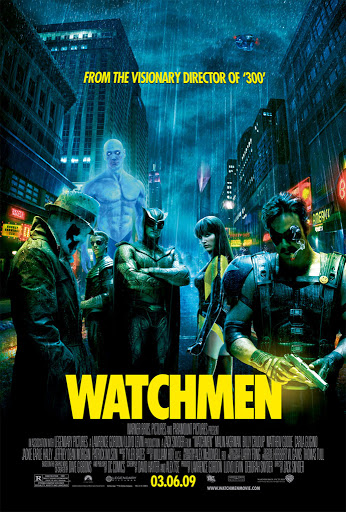
Watchmen (2009)

Watchmen (2009)


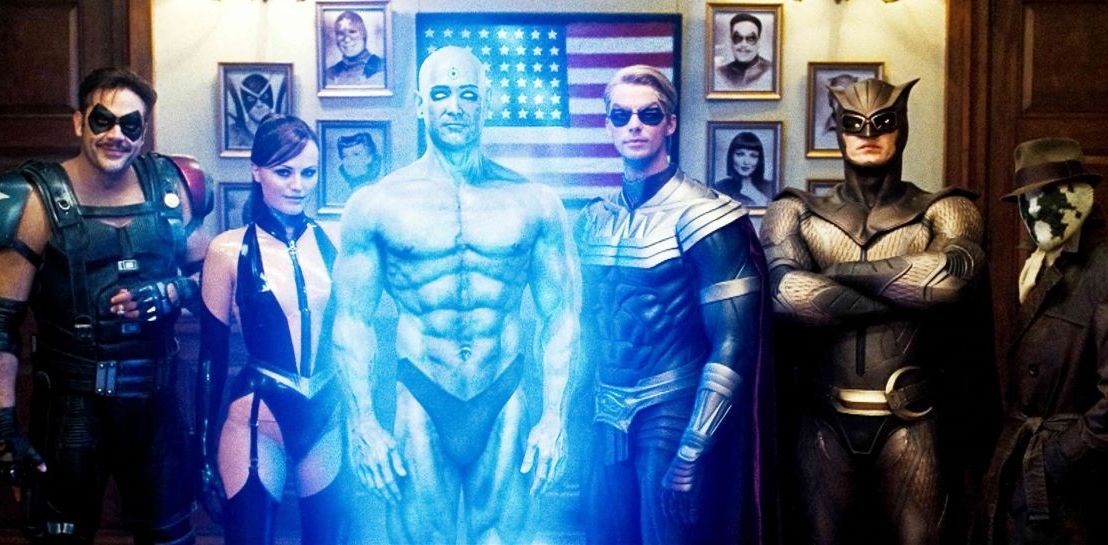
Morally complex heroes in Zach Snyder’s visually impressive but slightly empty Watchmen

Director: Zach Snyder

Cast: Malin Åkerman (Laurie Jupiter/Silk Spectre II), Billy Crudup (Jon Osterman/Dr Manhattan), Matthew Goode (Adrian Veidt/Ozymandias), Jackie Earle Haley (Walter Kovacs/Rorschach), Patrick Wilson (Daniel Dreiberg/Nite Owl II), Jeffrey Dean Morgan (Edward Blake/Comedian), Carla Gugino (Sally Jupiter/Silk Spectre), Matt Frewer (Edgar Jacobi/Moloch), Stephen McHattie (Hollis Mason/Nite Owl)

If you asked people to name the greatest Graphic Novel Ever, chances are they would come up with Alan Moore’s Watchmen. This scintillating deconstruction of superheroes and the morality of caped avenging satirises what the impact of superheroes in a real world might be. It had taken decades – and several cancelled attempts – to get a version to the screen. So, if nothing else, Zach Snyder deserves plaudits for merely persuading Hollywood executives to get this expensive, R-rated, morally complex film to the screen. Sure, the final result isn’t perfect, but it’s got a fair bit going for it.

Watchmen is set in an alternative 1985 where Richard Nixon is serving his fourth term and the Armageddon of Nuclear war is just around the corner. Masked vigilantes had been a common sight on the streets – although banned since 1977. The Vietnam war was won (in a few days) by the God-like Dr Manhattan (Billy Crudup), a scientist granted superhuman powers in 1959 after an accident with a field generator. Most other vigilantes are retired, other than right-wing bully the Comedian (Jeffrey Dean Morgan). When the Comedian is murdered by a masked intruder, his fellow members of superhero group the Watchmen, worry someone is eliminating them for reasons unknown.

Snyder’s Watchmen is a visual feast. Snyder – a huge fan of the graphic novel – used it as a visual bible, quoting it in several frames. The film is a beautiful mix of dark, filmic visuals and striking comic book primary colours, while frequently embracing the inky black murkiness of the violent world its depicting. Shot with the same high energy and dynamism as 300, Snyder’s ability to turn pulpy Warhol inspired visuals into fast-paced, filmic action is second-to-none.

What however is more of a shame is the feeling that the main things in Watchmen that interest Snyder might be the visuals. Where the film sometimes fails to come to life is where it deals with the complex morality of its heroes. The original deconstructed the morality of heroes. How a man with the powers of a God could come to look on humanity with an (albeit affectionate) distance. How a masked PI would be so convinced that right and wrong were certain that he would be willing to carry out acts of bone-crunching violence. That a hero could calculate sacrificing millions of lives for the greater good isn’t just acceptable, its recommended. That for others the exhilaration of spending their nights beating up criminals is an escape from the mundane realities of life.

The problem is that Watchmen never quite gets to the heart of these moral questions, of really tackling the rights, wrongs and shades of grey of those ethical quandaries. Rather than delving into them, ideas are too often stated. While its daring for a film to include heroes who are as deeply flawed, violent and, at times, even as unpleasant as this – it still doesn’t quite flesh out the complexities of this.

Too often the film takes a naughty pleasure in its violence and brutality, seeing that as a short-hand for presenting a morally unclear world. And at times wants us to go “how cool is that!” rather than asking “should I be enjoying watching indiscriminate slaughter from a vigilante”. Its telling that the recent HBO series of Watchmen – a sequel to the Graphic Novel set in the modern world – feels more like a true adaptation of the source material than this. That dealt with fascinating ideas about race in America, morality and acceptable sacrifices for the greater good (and still managed to work in plenty of action). By comparison, this film of the source material itself feels less deep. Now of course run time is part of that, but it should have been possible to make a film this long that more successfully combined ideas and visuals.

Snyder’s passion for the material is clear – but the film is often a little too obvious. From cuts to musical cues, it’s a film that pushes the envelope only in terms of its look and feel. It tries its best, but its vision of transmitting the depths of the original sometimes seem to stop at a faithful visual rendition of its style.

But it’s made with a lot of love and passion, not least in the acting. The decision to go largely with unknown actors pays off very well. Earle Haley brilliantly channels his character from the graphic book, a prickly obsessive with an unshakeable moral certainty. Crudup perfectly conveys the vast moral distance a real Superman would probably feel towards normal people. Goode’s chilling coldness and arrogance is perfect. Wilson gives the film heart as the closest thing to a genuinely decent guy. Åkerman does her best with a part that feels slightly underwritten and at times a plot requirement, largely defined by the emotions she provokes in the male character.

There are plenty of excellent moments in Watchmen but I’m not sure it ever really, truly becomes its own thing (in the way the HBO series did manage to do). In trying to so completely ape the visuals, and fit in all the plot, it becomes a companion piece rather than a stand-alone production. If Snyder had perhaps had a bit more courage to tack away from the strict structures of the original source material it could perhaps have helped make a stronger film. However, saying that I can imagine the fans hitting the roof if he had… And Snyder’s ability to persuade the studio to make a film with such a nihilist feel and ending is to be commended. Watchmen is a mixed bag, but when it works it does work well.

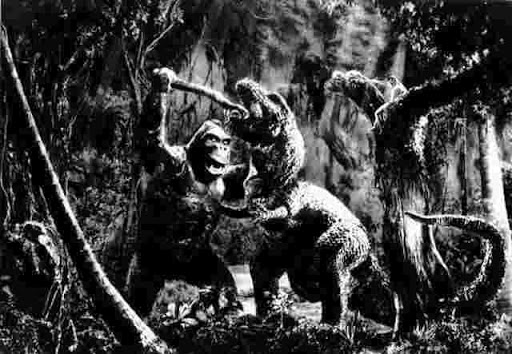
King Kong (1933)

King Kong header
The end of an unsuccessful New York vacation in King Kong

Director: Melville C Cooper, Ernest B. Schoedsack

Cast: Fay Wray (Ann Darrow), Robert Armstrong (Carl Denham), Bruce Cabot (Jack Driscoll), Frank Reicher (Captain Englehorn), Sam Hardy (Charles Weston), Noble Johnson (Native Chief), Steve Clemente (Witch king), Victor Wong (Charlie)

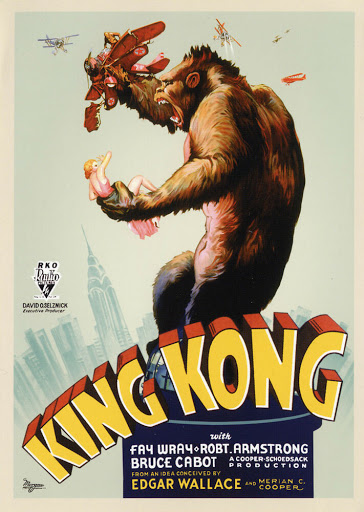
Of course, Citizen Kane is possibly the greatest and most influential film ever made. But, let’s be honest the paw prints of Kong is what we see most often in the latest Hollywood blockbuster. Kong may have met his end atop the Statue of Liberty (a death the poster spoiled), but his children are everywhere, from Alien to Jurassic Park to Avengers: Endgame. King Kong basically sets the template for special effects movies and Hollywood has almost been remaking it, in some way shape or form, for almost ninety years. But few films can match its momentum, action – or above all the heart it gives to its beast.

Carl Denham (Robert Armstrong) is a Hollywood director who has a plan to make his next film a huge success. He’s got a map to Skull Island (no need to worry with that name) where he’s heard rumour that a mighty creature is just waiting to star in his next film. Denham needs a female lead – so plucks Ann Darrow (Fay Wray) off the streets promising her the adventure of a lifetime. During the voyage to the island, she falls in love with first mate Jack Driscoll (Bruce Cabot). On arrival at the island they find a tribe of ferocious narratives, who kidnap Ann intending to sacrifice her to their god Kong – a massive gorilla. Instead Kong falls for Ann and carries her into the jungle. When Driscoll and Denham go to save her they find Skull Island is a dangerous place (who knew!), stuffed with brutal dinosaurs and scary beasts – and that Kong himself has no plans to give Ann back.

King Kong’s final hour is essentially little more than a stream of action scenes. However, few action films since have paced its action as well as this film does. With special effects by Willis O’Brien, one of the earliest masters of stop-motion, Kong in turn takes on a T-Rex, a pterodactyl, a village of natives and then most of New York in a series of escalating and dramatic sequences which use all the tricks Hollywood had, from animation to models and back projection. Each of these sequences are perfectly done and carry the sort of awe that stop-motion animation can project – all those hours of work! – helped by the successful (and brilliantly clever) use of back-projection to have these battling beasts seeming to tower over the human cast. You can imagine how thrilling it must have been – I’m not sure anything like this had been seen before.

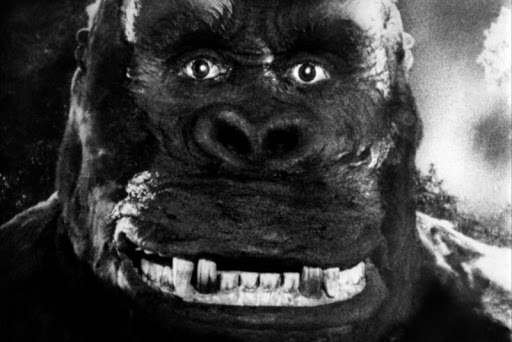
But the film has really lasted because Willis O’Brien’s skill is to add humanity and sensitivity to Kong himself. There is a reason why Peter Jackson (director of the sensitive but overextended remake) talked of weeping when he saw Kong meet his end. From almost the very first shot, Cooper and O’Brien cut to Kong’s eyes, which have a surprising soulfulness to them. And after all what does Kong really do wrong in this film? He is perfectly happy on Skull Island – he even only attacks other creatures when they make the move on him – he has no desire to go to New York and spends half the film trying to protect Ann from danger (not that she thanks him for it). The animation takes several moments to create the soul in Kong – from the ripples of his fur to his curious inclines of the head. After defeating creatures, he curiously picks up their crushed bodies, as if surprised to find them unresponsive. He gently moves Ann. There is a sort of innocence to him. After all what is he but a small-town guy who heads to the big city and falls for the wrong gal?

As such it’s rather hard not to root for him – or feel his pain (and shock) when attacked by planes at the top of the Empire State Building. You can see in Kong’s eyes the lack of understanding about what these metal objects are that are punching through his skin. The shooting gallery is tinged with tragedy – and it’s hard not to cheer when Kong manages to take one of these planes down. For all his fierceness, Kong seems like a real person, a vulnerable guy taken out of his depth against his will. The cruelty of exploiting Kong for Broadway ticket sales, as Denham plans to do, seems particularly un-just. It brilliantly allows us to get the best of both worlds: we can enjoy the spectacle of the wild animal Kong snapping the jaws of T-Rexs but we also feel for him as a confused and frightened animal put to death in a world he doesn’t understand.

Perhaps its easier to sympathise with Kong because so many of the human characters in it barely register. The first forty minutes is low-key – and often frankly rather flat – competently filmed but fairly-stiff build-up, carefully (and at times rather pointedly) establishing the situation and themes. None of the actors make much an impression (not helped that the second half of the film is so Kong focused that they hardly have a line to share). Robert Armstrong is effectively arrogant and ambitious as Denham. Bruce Cabot is pretty wooden as Driscoll (his first film after being recruited from the studio doorman staff, he has said he essentially stood where he was told and that was it). Fay Wray has a certain sweetness and charm as Ann, but barely opens her mouth other than to scream after the first forty minutes (in a neat bit of wit, her rehearsal on ship is standing still and practising screaming silently at an object she can’t see). With its blundering Hollywood director at the heart of all the chaos, King Kong could also be one of the first Hollywood satires.

Intentionally or not the film has an imperialism to it. Denham is an arrogant man out of his depth – although I am not sure how far the film is aware of this – and the crew come across as arrogant and clueless, blundering into a wild environment with an armed over-confidence (that quickly gets them all killed – most of them tumbling to their doom with an almost sickening rag doll snap after a meeting with Kong). You can sense that as well in the awkward lack of PC in framing the (black) residents of Skull Island as blood-thirsty savages with a lust for human sacrifice. However, with its eventual sympathy for Kong, there is enough here to allow the viewer to read into it a certain amount of post-colonial criticism of this sort of H Rider Haggard meets Arthur Conan Doyle world.

The film is very proud of its “Twas beauty that killed the beast” concept (it’s repeated numerous times in the film – not least most famously at the end) – but it’s an idea that is already framing Kong as the victim. So, for all the triumph of the design – the production design is stunning, rarely have Hollywood back lots looked as good – and the awe of Kong, the idea of him as a victim is there from the start.

A lot of that awe though comes from possibly the film’s MVP: Max Steiner. King Kong is one of the first films to use a full orchestral score and the music is vital to adding heft, drama and danger to this stop-motion beast. Steiner’s score superbly uses motifs to build Kong’s presence and operatic crescendos that brilliantly heighten the drama. It’s certainly one of the most influential scores ever written – and it’s impact on film history is so lasting, that watching the film today you take it’s revolutionary nature for granted, so often has the way of using music become part of our accepted cinematic language.

King Kong lasts because of the awe it builds for the monster, but also the way we start to feel for him. Complimented by the professional skill of Cooper and Schoedsack’s direction, King Kong still grips today, for all that you need to read into it more depth than is (perhaps) there. But depth isn’t what made Kong great. It was the excitement and drama of the spectacle – and its so exciting you barely notice that Kong dramatically increases in scale as the film continues. And while special effects have moved on, the power of what’s presented here hasn’t. Deserves to be listed as one of the most influential films ever made.

Groundhog Day (1993)

Bill Murray lives the same day over-and-over again. It’s Groundhog Day!

Director: Harold Ramis

Cast: Bill Murray (Phil Connors), Andie MacDowell (Rita Hanson), Chris Elliott (Larry), Stephen Tobolowsky (Ned Ryerson), Brian Doyle-Murray (Buster Green), Marita Geraghty (Nancy Taylor), Angela Paton (Mrs Lancaster), Rick Ducommun (Gus), Rick Overton (Ralph), Robin Duke (Doris)

Few films are so well known they’ve become a shorthand. But mention “it’s like Groundhog Day” to anyone, and they know exactly what you mean. That’s a tribute to the film’s brilliant concept – but also its superb execution. Never mind just comedies, this is one of the smartest and best films to come out of America in the 1990s, so good it doesn’t seem to have aged a day. Groundhog Day is an enduring classic and quite wonderful.

Phil Connors (Bill Murray) is a misanthropic weatherman on a Pittsburgh news network. Every February, he is dispatched to the small town of Punxsutawney to cover “Groundhog Day”, an annual festivity where a local groundhog is used to predict whether winter will last six more weeks. Phil makes no secret of his contempt for the event, the town, its inhabitants and indeed everything else. After being trapped in the town by a snowstorm he failed to predict, Phil wakes up the next day – to find it’s Groundhog Day again! When the same thing happens the next day, Phil realises he is trapped living the same day in the small town over and over again – and no matter what he does during the day, he will always wake up in his hotel bed at 6am on Groundhog Day. What will he use the never-ending time for? Personal advantage? Or just maybe, becoming a better man?

Groundhog Day works because its concept is gloriously simple, and yet endlessly intriguing. Who can’t relate to the idea of a prolonged déjà vu? And anyway, don’t most of us feel at some points life is a never-ending treadmill (one of the town’s residents, asked what he would do, stuck in the same place every day where nothing you did mattered, replies “That about sums it up for me”)? Whole books have been written about the film’s philosophical roots – from Nietzsche to Buddhism – and the time loop’s duration. The film invites this because it keeps these concepts gloriously unexplained.

Imagine how much less powerful (and funny) the film would have been if Ramis had caved to studio pressure to either include a scene explaining why the time-loop was happening or providing a definitive answer for how long Phil spends in it. Hilariously, studio execs settled on a short period of time measured in months – others have gone for anywhere between decades to millennia. It’s certainly long enough for Phil to learn by heart the complete biographies of the entire town’s population, know the timeline of every event in the day to the second, and master everything from the piano (to Beethoven-like proficiency), to French and ice sculpting. There is a magic about not knowing the answer to these questions, that make the story brilliantly charming.

It also helps that the film remains, at heart, not science-fiction (which explanations would tip it towards) but a Capra-esque morality tale. The time-loop is, essentially, a second-chance over-and-over again for Phil to become a better person: to change from being a selfish misanthrope into a kinder, generous soul. That’s a story everyone can relate to, and becomes more and more heartfelt as the film continues (culminating in its uplifting conclusion). It also has the Capra touch of a heartless professional from the big city discovering (eventually) a warmth and truth in small-town America where the people are straight-forward and unaffected.

Which makes the film sound tediously feel-good. It escapes this completely because of three reasons. Firstly, initially Phil uses his new super-power of 24-hour immortality for what most of us would do – gain and greed. No consequences ever. Theft is child’s play when you know the exact second bank staff will be looking the other way. Easy to seduce a woman when you can ask her a series of questions on one circuit, then use her answers to pick her up on the next one. You can do whatever you want, confident the next day you’ll wake up in your hotel bed to I Got You Babe.

Even on his journey to eventual self-improvement, Phil only begins to change after exhausting all other options, including repeated attempts at suicide, to try and break the loop. And Phil, for all his charm, is not a good guy for a long time. His attempted seduction of producer Rita (a charmingly winning Andie MacDowell) over a never-ending series of first dates constantly fails, because no matter what happens, she eventually sees through his lack of decency (Phil’s attempts to recapture moments of spontaneous genuineness in later circuits fail completely).

Secondly, the film is brilliantly, gloriously funny – even with repeat viewings. Ramis’ brilliant shooting and structuring of the film focus on its repetition. We see the same shots and sets, hear the same music cues, the film is edited to stress repetition. Few things in comedy are as funny as anticipation and watching characters fly in the face of all the social conventions we deal with everyday. Seeing Phil’s different reactions to the same stimulus each time never fails to raise a laugh. Knowing the events almost as well as Phil, we eagerly await unexpected reactions. The script – by Ramis and Danny Rubin – is packed with brilliant lines, wonderful set-ups and is superbly structured. The first loop establishes all the settings and situations Phil will spend the rest of the film continually interacting with, and the film allows us to often be in on the joke with Phil (making us like him more).

Thirdly, and perhaps almost most importantly, the film could never have worked without Bill Murray in the lead role. For all the pull for Lost in Translation, this is surely Bill Murray’s finest performance, and stands comparison with the best work of Jimmy Stewart and Spencer Tracy, laced with that classic Murray touch. There is no other actor who can present a character so grouchy, deadpan, cynical and selfish but still make us love him. And – for all the terrible things Phil does in this film – you never stop liking him. His comic timing is exquisite (his varying reactions from frustration, confusion, glee and despair at his predicament spot on) but he also taps brilliantly into moments of genuine heart, loss and despair. Murray has spoken of how the theme of redemption spoke very strongly to him – and he plays perfectly a man so selfish that only after he has exhausted all other eventualities – including death – does he start to become a better man. It’s one of the greatest film performances of the 1990s, and the film is impossible without him.

Groundhog Day is pretty much perfect. The town of Punxsutawney is presented to us at first much like Phil sees it – old-fashioned and twee, populated by well-meaning but dull residents – but over the course of the loop, like Phil, we learn to embrace it. It perfectly mixes a glee at breaking the rules and embracing your inner misanthrope, with learning to develop and improve. It’s both hilarious and heart-warming, with every scene a classic and every performance spot-on. It has a timeless (!) quality about it, and its focus on telling a rollicking good story, full of heartfelt emotion and fabulous jokes, means you can add as much or as little spiritual depth to it as you like. It’s a modern It’s a Wonderful Life that might even be better.

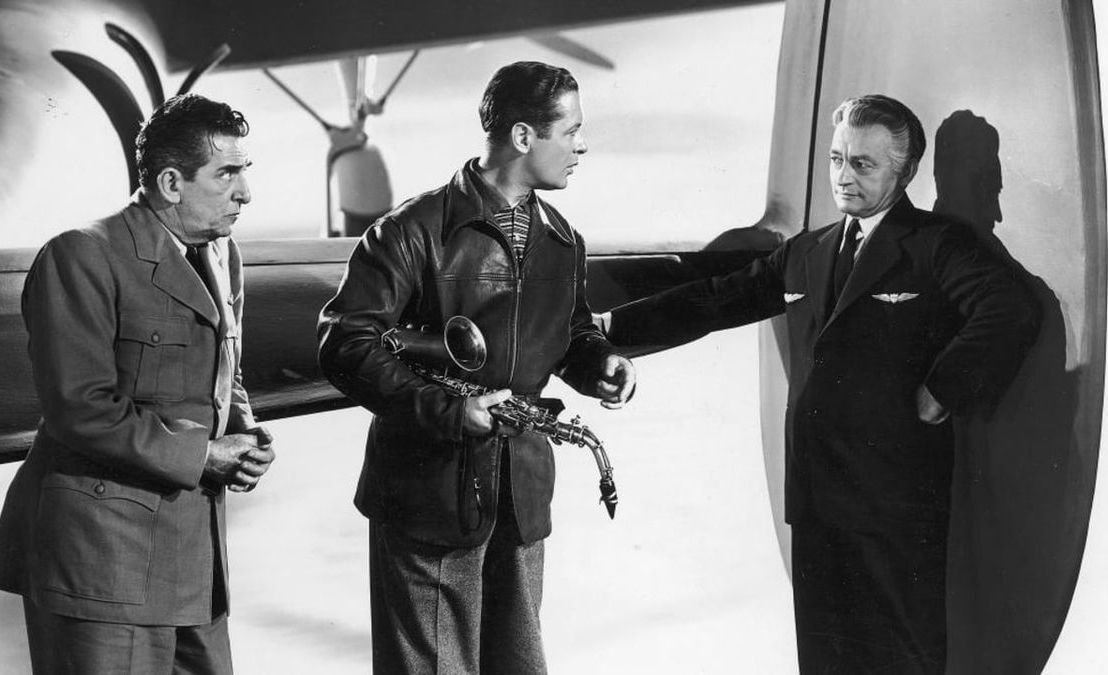
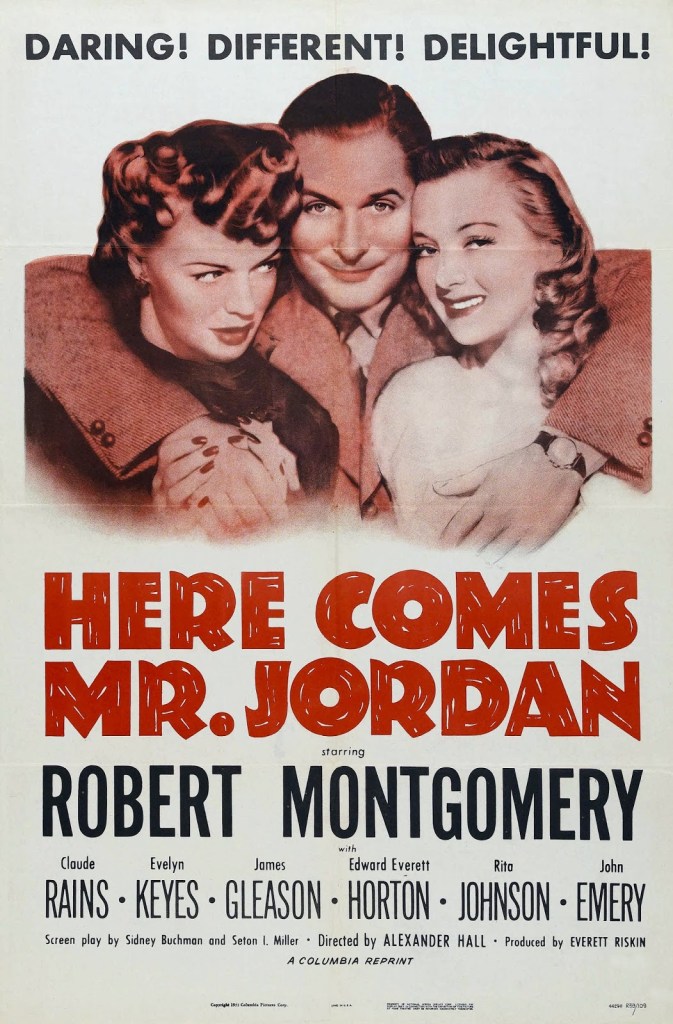
Here Comes Mr Jordan (1941)

Edward Everett Horton, Robert Montgomery and Claude Rains deal with death, admin and body swops in Here Comes Mr. Jordan

Director: Alexander Hall

Cast: Robert Montgomery (Joe Pendleton), Evelyn Keyes (Bette Logan), Claude Rains (Mr Jordan), Rita Johnson (Julia Farnsworth), Edward Everett Horton (Messenger 7013), James Gleason (Max “Pop” Corkle), John Emery (Tony Abbott), Donald MacBride (Inspector Williams), Don Costello (Lefty), Halliwell Hobbes (Sisk)

One of the best things about the Hollywood Studio system is that created an environment where middle-brow talents could suddenly lift themselves up to create something very special. That’s certainly the case with Here Comes Mr Jordan, the career high spot for its director and its main stars. It’s the sort of product of Classic Hollywood where everything comes together perfectly and delightfully.

Joe Pendleton (Robert Montgomery) is a boxer with a shot at the title. An amateur pilot, Joe flies his own one-man flight to New York for the match. On the way, his plane crashes. An officious Angel, Messenger 7013 (Edward Everett Horton), collects his soul – only to find on arrival in heaven that Joe was meant to survive the crash and live for another 50 years. Unfortunately, by the time the mistake is found out, Joe’s body has been cremated. Head Angel Mr Jordan (Claude Rains) has no choice other than to find Joe another body on Earth. So Joe winds up in the body of millionaire Bruce Farnsworth, recently murdered by his wife Julia (Rita Johnson) and secretary Tony Abbott (John Emery). In his new body, Joe decides to correct Farnsworth’s wrongs, returning his embezzled money to investors and helping to free the father of Bette Logan (Evelyn Keyes), who took the blame. Joe also wants to retrain for a boxer – recruiting, much to his confusion, his old coach Max Corkle (James Gleason) – and he and Bette begin to fall in love. But Joe’s destiny, it turns out, is to be the champ – and he can’t do that in Farnsworth’s body. How will Mr Jordan clean this mess up?

Here Comes Mr Jordan is a delight, a hilarious musing on reincarnation and afterlife, in which the next world is as weighted down by bureaucracy and red tape as much as this one. With neat, unobtrusive direction from Alexander Hall (who never hit the jackpot like this again), the film keeps its comic balls up in the air beautifully, while throwing in some neat observations around life, death and fate. The script bubbles with lovely bits of invention, from the Afterlife to a bureaucratic organisation to Joe’s inhabiting of Farnsworth’s body (after trying a few other bodies on first), while still appearing to himself (and we the viewers – a neat idea that the film invites us not to think about too much as Joe’s mannerisms and physicality must be completely different from Farnsworth) unchanged from his original body.

Around this the film gets some neat pot shots at big business corruption. In some ways this is a little like A Matter of Life and Death mixed with Capra. As in Capra, the humble, kind-but-not-super-smart regular Joe is the one who takes a long-hard look at the corruption and greed of Big Business and Corporate America and decides “there has to be a better way”. The kind of guy who solves major business problems simply by doing the right thing and listening to his heart. Counterbalancing that is Joe’s ongoing obsession with continuing his boxing career, from his determination to get a body that’s “in the pink” (a phrase that drives Mr Jordan up the wall) to roping in his ageing butler into a series of vigorous workouts.

A large part of the charm of Joe Pendleton lies in the brilliantly dry, witty, sweet but still a little selfish qualities that Robert Montgomery (Oscar nominated) brings to the part. Playing the part with a homespun Brooklyn honesty and simplicity, Montgomery also has a childish delight in finding he can pass unobserved as this new man (particularly funny after his initial terror that he will be “found out” any second), while his boxing obsession has an endearing genuineness to it. Montgomery, as well as getting the light comedic tone spot on (no surprise that Cary Grant was the first choice for the role – although he could never have played the working class Joe as well as Montgomery does he) he also builds a very sweet and charming romance with Evelyn Keyes (also in a career best role), who is ill-treated but defiantly assured of the importance of doing the right thing as Bette.

The whole cast is quite superbly assembled, seasoned pros, doing their thing with aplomb. James Gleason was Oscar-nominated as Joe’s befuddled manager, trying to wrap his head around incarnation. Gleason also gets some of the finest gags, as Corkle tries to interact with Mr Jordan, who remains invisible to the living – but also brings a genuine warmth and tenderness to his feelings for Joe, who he clearly sees as a son. As Mr Jordan, Claude Rains is smoothness personified, playing the entire film with a relaxed grin on his face, gleefully mixing in an obsession with ensuring the “rules” are followed, while offering a dry reaction to events such as murder. As his underling Edward Everett Horton brings his patented A-game of flustered middle-man.

Mr Jordan grins so much through the film it’s easy to forget that he’s basically the Angel of Death. Reasonable and supportive, Jordan is also blithely unaffected by death and murder. The film, among the jokes and the general air of a fairy tale, has a little vein of darkness. In his introduction Jordan is overseeing the collection of souls from some of the battlefields of World War II. Later he calmly informs Joe of Farnsworth’s murder taking place even as they speak. The film doesn’t hesitate to shy away from the details of Farnsworth’s killing – or from two further murders. It’s a little nugget of darkness in amongst the charm, and a reminder that this comedy on death and the afterlife took place while the world was tearing itself apart. No wonder death can sometimes not be as big as a deal to everyone as it is today (especially to the Angel of Death).

Because the film has a more Capraesque belief that what matters is not who we are but what’s inside. Joe will appear as Farnsworth to everyone, but eventually what people will respond to (he is told by Jordan) is the person inside not the outward appearance. The potential that Joe may have to move to a new body to fulfil his destiny of becoming the champ, doesn’t meant that he and Bette need to necessarily be apart if his heart remains the same. While the film does suggest (I feel darkly!) at one point that Joe may forget who he was originally the longer he is in a new body, the more it stresses the point that the basic qualities of his decency won’t be lost.

Its ideas like this – combined with expert telling and superb Classic Hollywood grace and skill in its shooting, directing and acting – that give Here Comes Mr Jordan a little bite, along with its comic impact. Nominated for seven Oscars it won two – and it stands to be remembered in what was a glory year for Hollywood. You might expect something rather slight – but this delightful comedy is as thought provoking as it is playful.

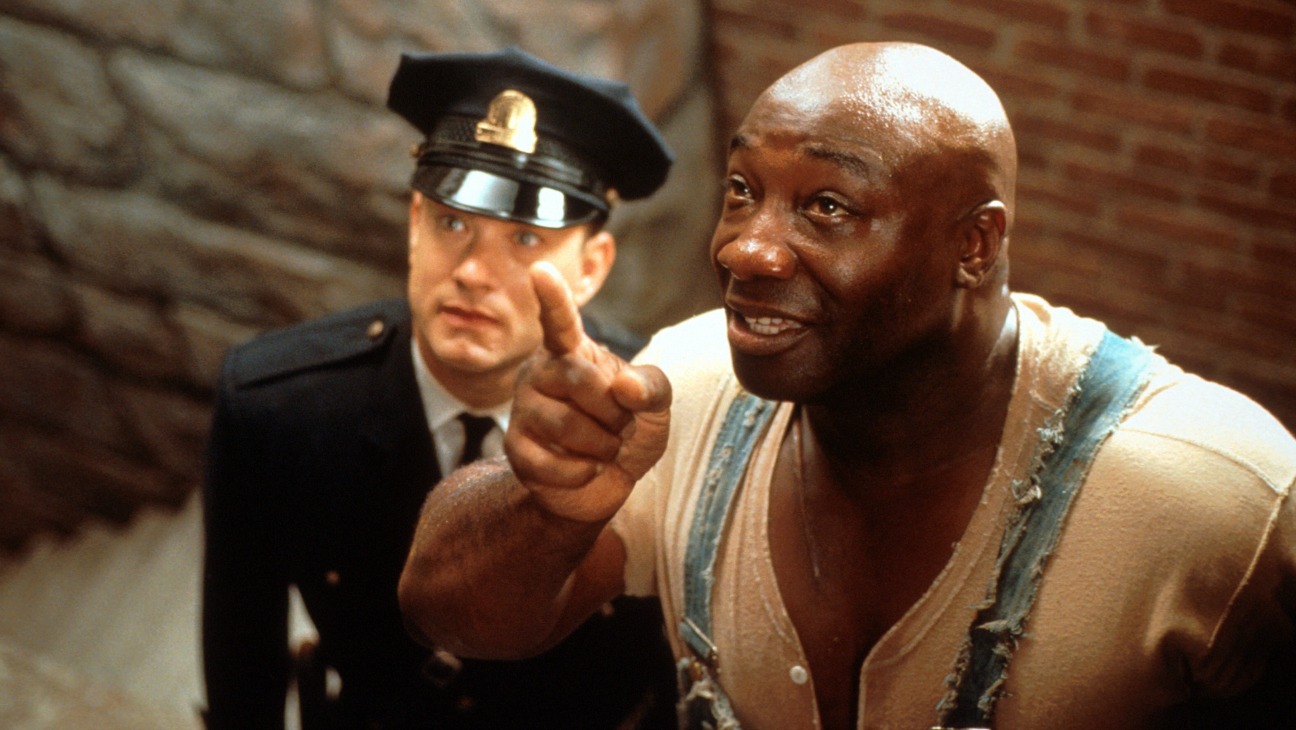
The Green Mile (1999)

Tom Hanks and Michael Clarke Duncan excel in the over-long but moving The Green Mile

Director: Frank Darabont

Cast: Tom Hanks (Paul Edgecomb), David Morse (Brutus Howell), Bonnie Hunt (Jan Edgecomb), Michael Clarke Duncan (John Coffey), James Cromwell (Warden Hal Moores), Michael Jeter (Edward Delacroix), Doug Hutchison (Percy Wetmore), Sam Rockwell (William “Wild Bill” Wharton), Barry Pepper (Dean Stanton), Jeffrey DeMunn (Harry Terwilliger), Graham Greene (Arlen Bitterbuck), Patricia Clarkson (Melinda Moores), Harry Dean Stanton (Toot-Toot), Dabs Greer (Old Paul)

Stephen King’s novels are often thought of solely as horror novels – but that’s to forget that he also carries with him a profound sense of the human condition and a sharp ability to create moving and surprising human stories. That’s why his works can inspire films as diverse as The Shining and The Shawshank Redemption. The Green Mile, the second King novel bought to the screen by Frank Darabont, definitely falls into the latter camp – probably why it has continued to be met with warmth and regard decades after its making.

In present day Louisiana, Paul Edgecomb (Tom Hanks – played as an old man by Dabs Greer after Hanks’ make-up tests proved unconvincing) recounts his days in 1935, working as a prison guard on “the Green Mile”, the death row section of a prison. Paul’s life was changed forever with the arrival of a gentle giant, John Coffey (Michael Clarke Duncan), a seemingly simple-minded man found guilty of raping and murdering two young girls. However, John doesn’t match the personality Paul expects of a hardened criminal – and events soon prove he is far more than just an ordinary prisoner…

Frank Darabont’s adaptation of King’s novel – an adaptation King still lists as his favourite adaptation of his work – is long at almost three hours, and frequently takes its time. But it does so too carefully, and in detail, build the world it sits in – namely the prison – and the characters who live in it. Everything is carefully paced in order to create the sense of a real world, with (most of its) characters defying easy conventions or definitions. 

We know of course that the guards on this cell are largely decent, hard-working and respectful of the prisoners – not least because they are led by Tom Hanks at his most everyday, grounded and quietly moral. Darabont is very good at letting the world breathe – and, as a skilled scriptwriter, also in sketching character quickly and clearly. Both guards and prisoners are fully crafted characters, and while some of them do verge a bit more on the cartoonish villainy, their motivations and feelings feel real. 

You could criticise the film for the sentimental views built into this. All the guards are basically decent men – apart from Doug Hutchinson’s cowardly, whining bully Percy Whetmore, who owes his job to his family background, picks on the prisoners, reads porn and is motivated only by wanting to “see one cook”. While the film tries to give him some depth, a weakness of character, he’s basically easy for us to dislike. Similarly among the prisoners, all of them are polite, calm and resigned to the justice of their fate – minus an appalling, virulent racist hill-billy (played by Sam Rockwell with a manic intensity). There are very little doubts about who we are supposed to be rooting for here.

Racism as a whole gets only the barest of mentions. A few slurs are thrown at African-American John Coffey, but no real mention that in 1930s Louisiana there was little chance of a black man getting any form of justice at trial. Typically the only characters to espouse racist views fall squarely into the villain’s camp. Perhaps the intent is to show the prison as a melting pot of sorts – the final stop-off for people’s lives, where all men are basically equal, and the guards taking to heart their role as custodians for their final moments. But it’s also a bit of a cop-out.

We’re shown in detail the work Edgecomb and his team put into ensuring the prison is run smoothly and justly, and that the executions are committed as humanely as possible (frequent rehearsals – with Harry Dean Stanton rather funny as an eccentric stand-in condemned man – are called for). The good guards and good prisoners form bonds – and while this adds to the sentimentality, it perhaps makes sense in a system where the most extreme price is to be paid for their acts, and that any other judgement is unnecessary. We see three executions throughout the film, each carrying its own tone: one is a “how-it-should-be-done”, one is a horrifying, tortuous disaster, with Percy sabotaging the humane elements out of spite, the third sees Edgecomb finally questioning the role he has chosen for his life.

It’s not a film that touches a great deal on the morality – or otherwise – of legal executions, but it does use the setting to explore questions of faith and spirituality. Because what is going to put such things into your mind quicker than working in a place where life and death is literally your business? Some of this is more heavy handed than others – John Coffey’s initials should be a bit of a give-away – but the film does ask questions of what is important to us as people, and at what points should we question the decisions we take about how we live our lives.

These questions of faith don’t quite coalesce into something truly coherent, as it never quite feels if the film wants to deal with the implications of John Coffey’s gifts of healing. The possibilities of a wider world outside our understanding never really come together, and instead Coffey’s gift of healing by touch seems to be a blessed skill that he has developed rather than something more profound. There is also something troubling about the film’s sole black character (in 1930 a segregated Louisiana of all places) serving the purpose to heal white people and be sacrificed.

But when the film focuses on story and character rather than its rather unclear themes, it does well. Hanks is very good in the lead role – Darabont wrote the film specifically for him – with solid support from Morse, Pepper and DeMunn as the main “good” guard characters. Michael Jeter gives some heartfelt work as eccentric prisoner Delacroix. But the stand-out – in every way – is Michael Clarke Duncan, whose John Coffey is sweet, naïve, polite, gentle but also carries a suggestion of pain and guilt beneath his surface which is expertly sketched out.

The Green Mile may be overlong, but it’s hard to work out what you would cut as it’s a film that relies so strongly on mood, atmosphere and careful world creation. Well scripted and confidently directed by Darabont, it may be hard to work out exactly what it wants to say – but it has a richness and confidence to it, as well as an emotional force, that sometimes makes you feel that doesn’t really matter.

Zardoz (1974)

Yes Sean Connery actually wears this in Zardoz

Director: John Boorman

Cast: Sean Connery (Zed), Charlotte Rampling (Consuella), Sara Kestelman (May), Niall Buggy (Arthur Frayn/Zardoz), John Alderton (Friend), Sally Anne Newton (Avalow), Bosco Hogan (George Saden)

Be warned. When a director is given the money to make any film he wants – with total creative control and no interference from anyone else – you’ve got a 50/50 chance of either getting a work of genius or a piece of pap. In the case of John Boorman’s Zardoz you definitely get the latter. Zardoz is possibly one of the most bizarre, misguided, surreal and finally plain bad films you’ll see, like a walking advert for the most pretentious and terrible outreaches of science fiction. 

It’s the year 2293, and the world is a post-apocalyptic wasteland. The “Brutes” live in the wastelands, growing food for the “Eternals” – immortal figures, leading a luxurious but empty, pointless existence on a series of country estates protected from the outside world by forcefields, their lives governed by a super computer. In the middle are the “Exterminators”, who control (i.e. kill and enslave) the Brutes and worship “Zardoz”, a giant flying head sent by the Eternals. Until, one day, Exterminator Zed (Sean Connery) sneaks his way into Zardoz and finds himself in the world of the Eternals and starts to lead them to question the point of their interminable immortality.

Zardoz looks overwhelmingly silly, and is often filmed and edited with such high-flown, empty surrealness, that it’s almost impossible to take seriously from the start. It looks so bizarre – with its terrible costumes, camp playing and overly designed look and feel – that it’s hard not to suppress a snigger. This is made worse by the shallow, pretentious and obvious social satire forced upon on once you start to concentrate on the dialogue.

It’s also one of those films that mistakes an incoherent, poorly explained plot – in which characters frequently change sides, motivations and aims at the drop of a hat – for a sort of mystical profoundity. The influence of The Prisoner is very strongly felt, from its commune-like setting to our “hero” being trapped in a stylised world where he is trying to work out the rules. But while The Prisoner manages, more or less, to suggest some sort of deeper meaning behind all the stylistic self-indulgence and pleased-with-itself babble, Zardoz just manages to be unengaging and heavily self-indulgent. 

You don’t need a philosophy major to work out the social commentary being made in a world where the richest exploit the rest of the population to live a life of ease and content. Nor is it a surprise to find that this sort of life without challenges, continuing forever, has led to stagnated and lazy lives where everything (even, to the film’s shock, sex – although of course the muscular Connery fixes that) has lost all meaning. Frankly this world takes off-cuts of several, far better and smarter films, and remixes them together into a turgid mess.

And it looks so silly. The entire design of the film constantly shoots it in the foot. How could you take Sean Connery seriously in that costume? The Eternals wear the sort of Greek-influenced hedonistic costumes that you would expect to see on a second-rate episode of Star Trek. The film frequently uses stylistic decisions that look absurd – and try too hard – from the hand gestures used to show the Eternals’ mind control (looking like a partial lift from the Macarena) to the bizarre sequences where Zed’s memory is searched using an projector, frequently using surrealist images mixed with physical theatre that frankly looks more than a little bit silly.

Sean Connery goes at this all with a respectful commitment, even if the character isn’t particularly engaging, and is hard to relate to since most of his memories seem to revolve around rape and murder. As if recognising this, there is a late plot turn where we find out that Zed is far more than he appears. But rather than making this intriguing, it makes virtually all his actions earlier in the film incoherent. But then it’s not as if that’s a problem: Charlotte Ramping, Sara Kestelman and John Alderton as the leading Eternals swop views, sides and opinions virtually scene to scene. Rampling in particular goes between plotting Zed’s death to becoming his acolyte in one conversation. For some this might be a sort of poetry. But really it’s crap.

In amongst all the nonsense, the film has a seedy, porny view of women. The Eternals seem to walk around – perhaps because they are so indifferent to sex – virtually in the buff. Connery has sex (eventually) with most of the female cast, as well as groping several others. Boobs frequently appear in shot. In one moment so bizarre it must be a joke, Zed’s sexual drive (so alien to the Eternals) is even explored by showing him some pornographic images (including some naked women mud wrestling) to see if it gets his rocks off (sadly for them, he shows much more – visible – interest in Rampling than the images they are showing). 

It all finally comes to an end in an orgy of violence intercut with images that comment on rebirth in a way that is supposed to be (no doubt) an intellectual comment on the balance between love and death – but actually is just another clumsy, empty excuse for a bit more sex and violence (and plenty of nudity). But then since the film has long since stopped making any sense (with scenes including Connery dressed as a bride, chasing himself through a hall of mirrors and briefly gaining the power to turn back time and protect others from violence with “his aura”) that it hardly seems to matter. The film had a seriously damaging impact on the careers of both Boorman (who makes a good job of the opening scene and then sees the whole film slide down a silly, indulgent and pointless mess) and Connery. Not a surprise. It’s terrible.

Star Wars: The Rise of Skywalker (2019)

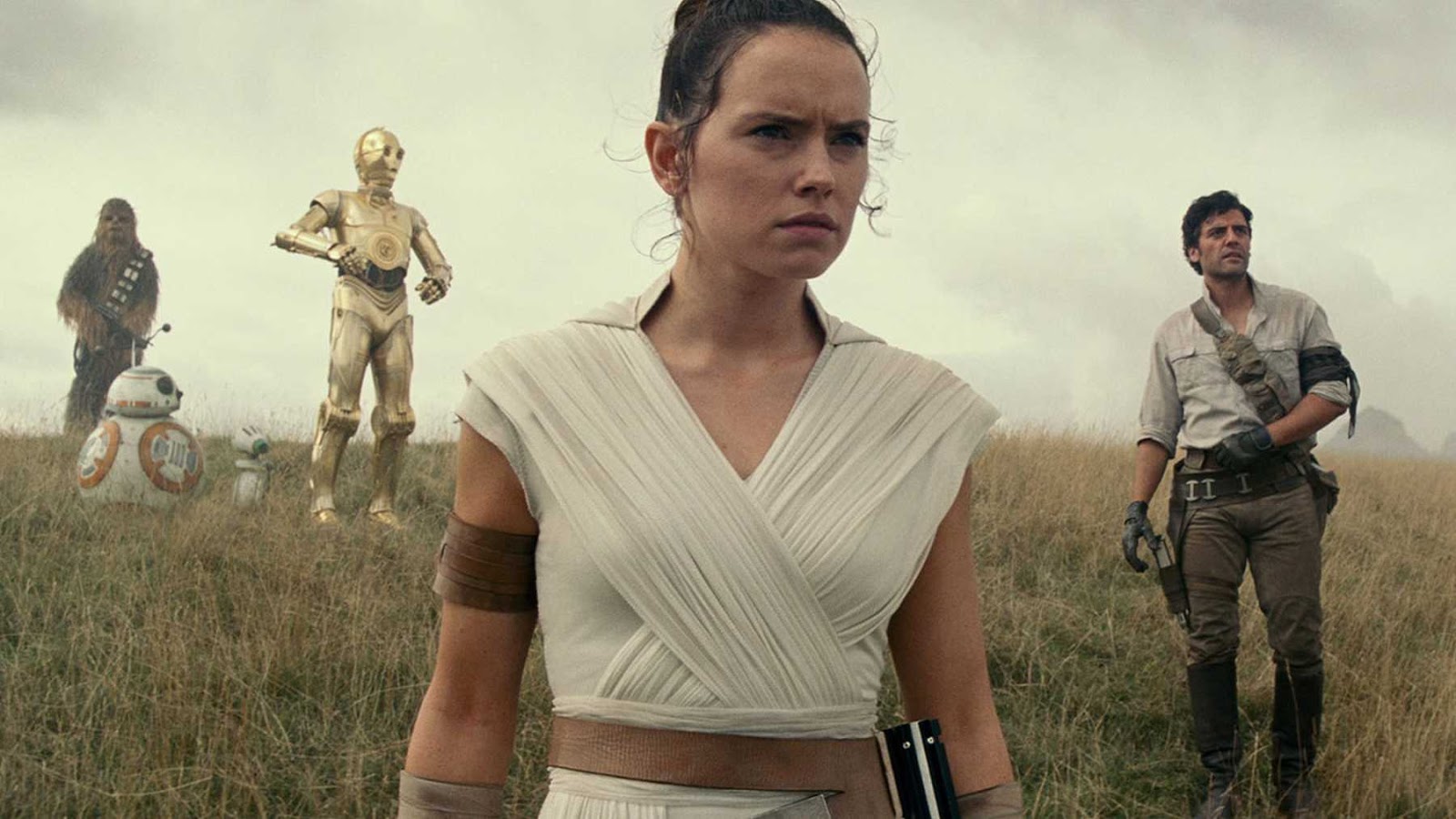
Our heroes prepare for one final adventure in Star Wars: The Rise of Skywalker

Director: JJ Abrams

Cast: Carrie Fisher (Leia Organa), Mark Hamill (Luke Skywalker), Adam Driver (Kylo Ren), Daisy Ridley (Rey), John Boyega (Finn), Oscar Isaac (Poe Dameron), Ian McDiarmid (Palpatine), Billy Dee Williams (Lando Calrissian), Anthony Daniels (C-3PO), Naomi Ackie (Jannah), Domhnall Gleeson (General Hux), Richard E. Grant (Allegiant General Pryde), Lupita Nyong’o (Maz Kanata), Keri Russell (Zorii Bliss), Joonas Suotamo (Chewbecca), Kelly Marie Tran (Rose Tico)

When Disney took over the control of the Star Wars franchise, they had in mind an epic continuation of George Lucas’ space opera that would take in everything from more tales from the renamed “Skywalker saga” to standalone entries like Rogue One and Solo. Well, we are almost seven years into this journey now, and the series has delivered some hits but also the first flop Star Wars film (Solo) and the most divisive entry for the fandom ever in The Last Jedi. So where does Rise of Skywalker fall in its plans to cap the third (and they claim final, but let’s see…) trilogy?

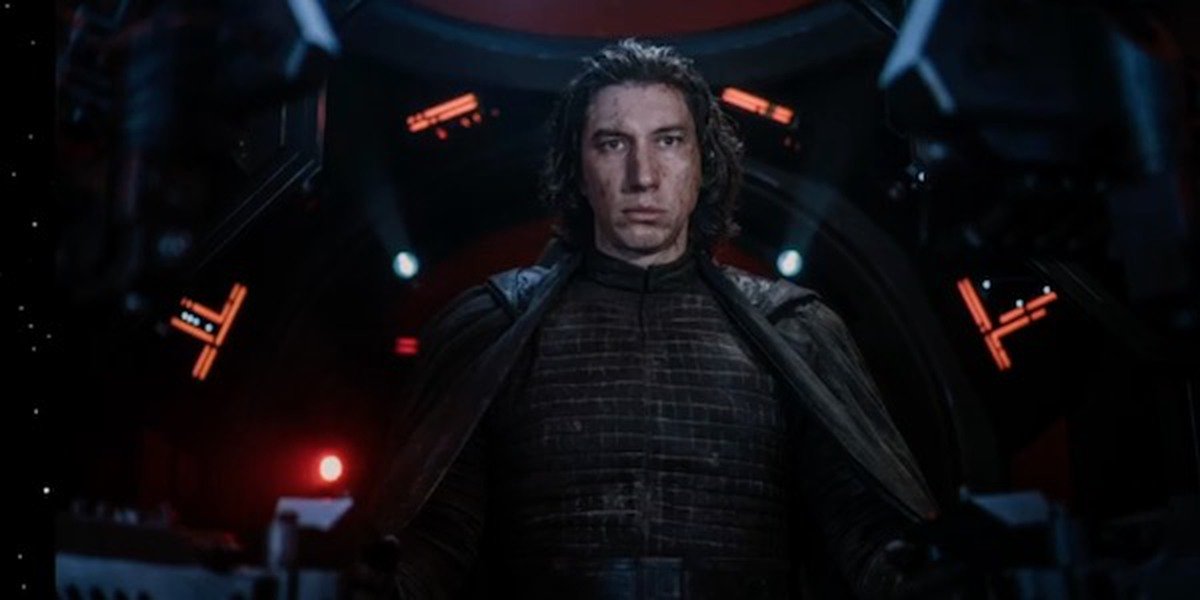
Set a year after The Last Jedi, the Resistance has rebuilt itself under the leadership of Leia Organa (Carrie Fisher), who has also been training Rey (Daisy Ridley) in the Jedi arts. Imagine their horror when a message from the not-so-late Emperor Palpatine (Ian McDiarmid) rings out across the Galaxy, threatening revenge. Kylo Ren (Adam Driver) has been searching for Palpatine and forms a deal – Palpatine will make him emperor of the galaxy, if Ren will kill Rey. Meanwhile Rey heads out into the galaxy with Finn (John Boyega) and Poe (Oscar Isaac) in a race against time to find the location of Palpatine and his armada, before the late Emperor can launch a deadly attack.

JJ Abrams’ return to the franchise is also a return to the fun-focused, action-packed, fast-paced explosion of entertainment and thrills that he offered with the excellent (and still best film in this new trilogy) The Force Awakens. It will excite you, entertain you, and offers some terrific work from many of its players, not least Daisy Ridley (who has grown and grown with each film as an actress confident in carrying a huge franchise) as Rey and Adam Driver as a morally conflicted Kylo Ren. JJ Abrams gently handles the death of Carrie Fisher, skilfully using off-cuts and deleted scenes from past Star Wars films to retroactively create a series of scenes using what dialogue they had from the actress to give her arc some sort of resolution.

It’s one of many things the film gets right here, along with its electric pace and sense of excitement, that never lets up and takes you on such a gripping thrill ride that you hardly notice that most of the film makes very little if any sense (so little sense, I didn’t really understand whether the baddies were the First Order, the old Empire or the Final Order or whatever they were meant to be). It’s a top-to-bottom piece of entertainment, designed to thrill the initiate and the casual fan and give all that you might want to the superfan.

In fact you could say it’s more or less a course correction from the deeply unpopular (with certain elements of the fandom, although its box office success was huge) The Last Jedi. Rise of Skywalker lacks all the iconoclastic “forget the past” attitudes of Rian Johnson’s film. In fact it goes out of its way to ignore as much as possible everything that happened in that film – to the extent that, apart from the growing bond between Rey and Ren and the initial training of Rey, you could more or less skip over it if you wished when viewing the trilogy. I’m not sure how I feel about this – or the fact that the franchise feels it has effectively side-stepped by-far-and-away the most interesting and different film it has produced in favour of a safe-return to familiar stories.

It does mean that Rise of Skywalker is a far less brave film than Johnson’s – and one that avoids doing anything new as well. Many elements from The Last Jedi are disregarded, and all the plot hooks that film are ignored are firmly, and hurridly, reinstated. It means that Rise of Skywalker rushes from revelation to revelation, from plot point to plot point, hardly stopping to draw breath, so eager it is to give the fans what it feels they want. It’s probably a testament to fan power – but also to the savviness of film producers, working out the vast majority of people will come and see any Star Wars film, but the hardened fans will only support a film that matches their agenda.

So it reckons the fans wanted to see answers to questions raised in Force Awakens, lots and lots of cameos and call backs, and plenty of action and space battles. So Rise of Skywalker is a film almost exclusively made up of these things. While there are flaws in this approach, it does mean that this film is a joyfully fun piece of excitement, with lots of great set pieces and some terrific gags among the screenplay. JJ Abrams is a wonderfully confident director of this sort of action, and while the film often feels like it never takes a second to really explain any of its plot dynamics, he is also able to create a narrative that is much more fun and exciting than The Last Jedi, for all its faults of pacing, narrative and characterisation.

What this film does the most is hammer home the bizarre fact that Disney set about making a franchise of three films – guaranteed three films! – with no coherent thought at all about how all these three films would work together either in terms of tone or plot. Now that all three are assembled there is no sense of them having any particular themes, or that they connect together to form an overarching story. The conclusions reached in this film are only faintly threaded in Force Awakens and all but contradicted in The Last Jedi. It’s this lack of planning that underwhelms the film – fun as it is, these are more like three loosely linked films rather than ones that progress one to the other, or feel connected to the original three films.

It’s of course made worse by the ignoring of The Last Jedi – Rose Tico, a character that film spent a lot of time building and establishing gets less than three minutes of screen time – and a re-focusing of the film on the “family of three” in Rey, Poe and Finn that mirrors the first film. This relationship is now far warmer and closer than we ever saw developing in Last Jedi (a film they never appeared in together until the final seconds) – and also laced with an odd, almost queer-baiting sexual tension, where they seem at times like a borderline thruple. (The film offers a cop out on LGBTQ people in Star Wars by having two background characters kiss at one point, a blink-and-you’ll-miss-it shot, cut in China.)

It’s part of a general lack of imagination in the film as a whole, which leans often on bringing back people from the previous trilogy and even sidelines the villains of the rest of the trilogy to shoe-horn back in Palpatine (a reintroduction that is barely explained – like much of the film – and also rather undermines the ending of Return of the Jedi) as the big-bad, and which again doubles down on many of the tropes of the first trilogy. JJ Abrams often mistakes bigger for better – and this film is big, with races against time, fleets beyond imagining, planet destroying tech that can be put into a single star destroyer, Sith powers that can stretch over thousands of miles etc. etc. He takes the same approach with the film, throwing so much of the old trilogy in that it becomes more of a surprise that stuff is missing rather than appearing (I was shocked Yoda wasn’t in this one).

But it’s what the film is going for, offering something safe and recognisable, something that is a thrill ride like you remember rather than the different path the trilogy seemed to be heading towards. There is nothing wrong with that of course at all, but it feels like a missed opportunity. For all its faults, The Last Jedi tried to do something new. This doubles down on the things it knows fans will love, and offers all the entertainment it suspects the casual viewer wants. And maybe that’s enough.

Stalker (1979)

What’s it all about? Who knows in Tarkovsky’s Stalker

Director: Andrei Tarkovsky

Cast: Alexander Kaidanovsky (Stalker), Anatoly Solonitsyn (Writer), Nikolai Grinko (Professor), Alisa Freindlich (Stalker’s Wife)

Three men stand outside a room in what looks like a rain soaked, post-industrial wasteland. They debate at great length morality, optimism, fate and destiny. They all decide not to go into the room. There really isn’t any other director like Tarkovsy is there? Perhaps that’s a good thing.

Set in an indeterminate future, Stalker takes its name from the title for guides who – through some sort of sixth sense – are able to guide travellers through “the Zone”, a fenced off area, guarded by the military, that is the site of some sort of extra-terrestrial encounter (a meterorite possibly, who knows?) that gave the Zone magical power. In the centre of the Zone is a room which will grant the innermost desires of all those who enter. Travelling with our Stalker (Alexander Kaidanovsky) are a writer (Anatoly Solonitsyn) and a professor (Nikolai Grinko). Along the journey, ideas around everything from existence to the inner soul is discussed by the three men, each of them approaching from radically different perspectives.

Tarkovsky’s style was a sort of fusing of expressionism and stately filmmaking, mixed in with his own love of extended shots. In a world of cinema where the average shot in a film lasts a few seconds, in Stalker’s 162 minutes there are only 142 shots in total. Tarkovsky’s camera pans and tracks (often slowly) through the wasteland of the Zone, finding moments of great beauty and power in the industrial mess and debris, making fabulous use of the consuming power of water as it washes over and covers everything, invading every space. Tarkovsky’s painterly structure of the film is further aided by his switching between sepia (for most of the scenes outside the Zone) and muted colours (largely for those in the Zone, with a few exceptions). 

However, Stalker is also a long, slow, rather turgid film, immersive in the sense that you will feel you have lived every minute of the never-ending journey that the heroes go on. Which comes to the central problem I have with the film – and with Tarkovsky himself. The director, without a doubt, is an intellectual, straining at the leash with thoughts and ideas that he wishes to throw up into film. But Stalker is a film that suggests intellectualism, and carries all the trappings of deep thought, but in fact seems to throw ideas haphazardly at the screen with very little thought for how these hang together, or what the overall message might be (if any).

Instead we are subjected to a number of – beautifully filmed, with real artistic grace – rambling monologues that positively drip with self-importance and intellectual snobbery. Tarkovsky’s long takes and deliberate refusal to include much in the way of story, drama or character seem designed to make the film feel as much as possible like some kind of allegory. What this is an allegory of it feels Tarkovsky would consider crude to describe. Instead the film is difficult to watch and engage with, precisely because that is (it seems) what makes Great Art in the eyes of its director. When challenged by the Moscow authorities that the film was dull and slow, Tarkovsky argued it should be both duller and slower, to make those who were not of the intellectual level to engage with it leave earlier.

Perhaps he was right, as Stalkerhas become more and more of a critical darling, the further time gets from its first release. Now it seems almost blasphemy to look at the film and wonder if it is about anything at all. Almost a crime to suggest that Tarkovsky’s film is short on answers and easy meanings perhaps because the director himself seems to have little clue on what it is about. Perhaps to say that for all its slowness, length and rambling speeches, at the end of the day the film is making fairly safe and obvious points about the dangers of free will, the dreams for a better world and the terror that could ensue in a world where we can get exactly what we want with no cost. Stalker could be about any of this at all, or could be about nothing. Either way it doesn’t make for compelling viewing.

This is all why Tarkovsky for me remains an acquired taste – and not one I’ve really managed to acquire. There are moments in all his films of haunting beauty, of profound depth. But all of it is undermined by the director’s own self-importance, his pomposity, his delusions of being some sort of Plato. Above all, I find, by his own po-faced lack of humour. Is there anything amounting to a joke in any Tarkovksy film? There certainly isn’t one here, and the earnest self-importance, the frowning condescension you feel behind the camera for the unworthy viewer, strangles the life out of the film and kills any feelings of fondness you might have towards it.

And there are things to admire in here. For all his pretensions at intellectualism, and the cold sense of superiority he delivers them with, it’s impossible to argue that Stalker is not a beautifully made film. The camerawork is sublime, the slow onset of water (both visually and the drips on the soundtrack) gradually dominates the action – what this is suggestive of, of course, isn’t clear but it feels like something to do with both the destructive and cleansing power of water. The film is nominally a science fiction, and moments of thoughtfulness or haunting ideas play at the edges of the film – in particular the influence the Zone may have had on the daughter of the Stalker. 

Tarkovsky’s films though remain cold and deliberately hard watches, and I’m not sure there is as much reward in investing the time in them as many would have you think. Many of the points of Stalker can be grasped very quickly, and while part of the point is that they are delivered at such absurd length and languid pace, I’m not sure that is a recommendation. It’s not a film for actors either, with most of the performances largely comprising delivering slabs of poetry or cod-philosophical speeches to the camera, with scarcely a characterisation in sight.

Stalker is a puzzle deliberately written without an answer, that asks questions that should feel profound but perhaps are less revelatory than the film thinks, all within an extremely long runtime. In a cruel coda, the long time spent shooting Stalker in a pair of abandoned chemical plants would eventually lead to many of those involved – including Tarkovsky, his wife and two of the lead actors – dying of cancer within a few years of the film’s completion.

Tarkovsky is a cold intellectual, who talks of images producing feelings, but frequently produces films that feel like watching elaborate slide shows while being lectured at by a boring philosophy student. He is a master of form, but perhaps is the “Great Director” it’s easiest to disregard – or to feel like watching one of their films is more than enough. Stalker is something both unique in its execution, and painfully familiar in its Arthouse pomposity.

Last Christmas (2019)

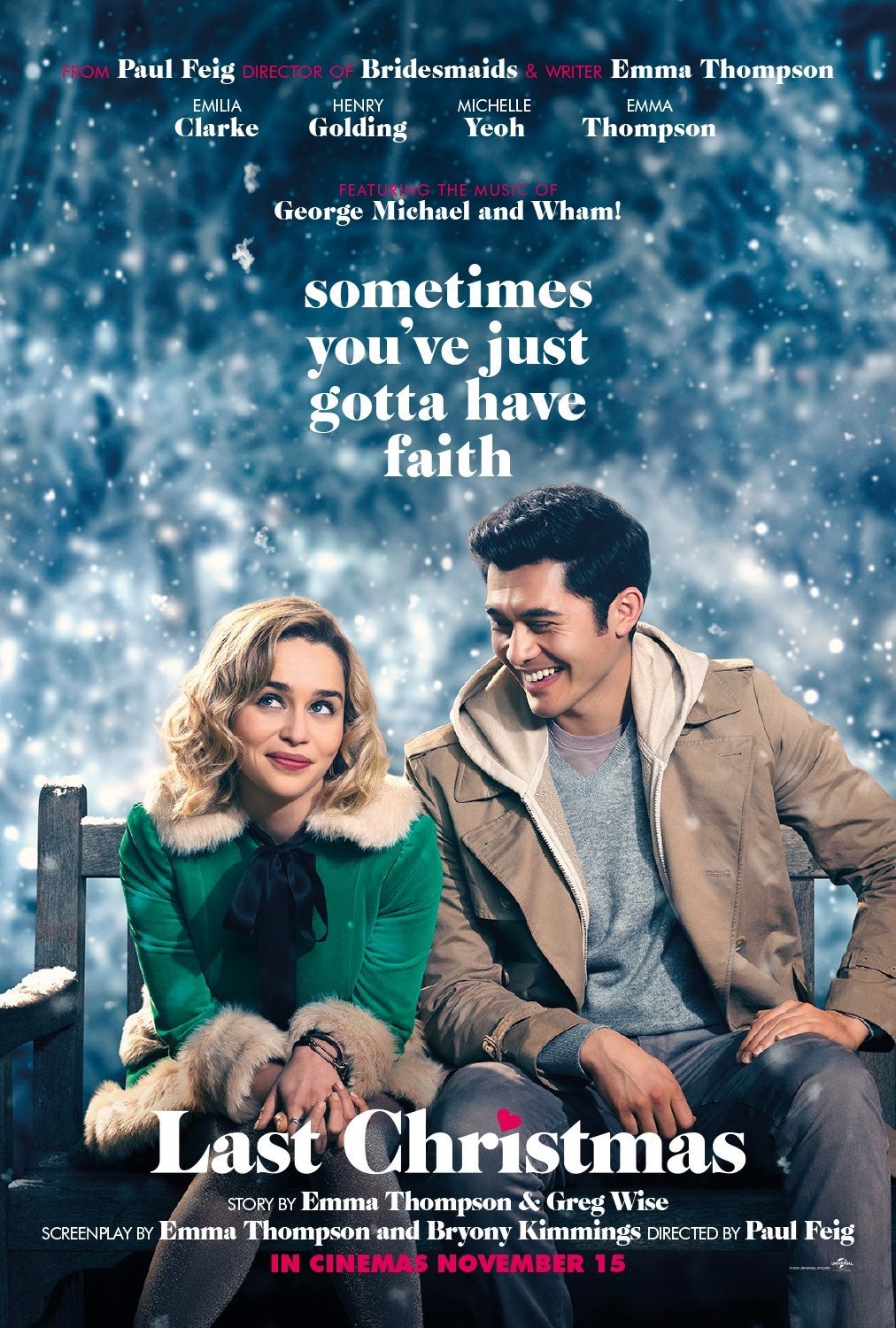
Emilia Clarke and Henry Golding in a Christmassy romance with a twist

Director: Paul Feig

Cast: Emilia Clarke (Kate), Henry Golding (Tom Webster), Michelle Yeoh (“Santa”), Emma Thompson (Petra), Lydia Leonard (Marta), Peter Mygind (“Boy”), Rebecca Root (Dr Addis), Patti LuPone (Joyce), Ingrid Oliver (PO Crowley), Laura Evelyn (PO Churchill), Rob Delaney (Director), Peter Serafinowicz (Producer)

Last Christmas has been savaged by critics and held up by many like it was some sort of embodiment of everything that’s wrong with cinema. Jeez louise guys, take a chill pill why don’t you? Feig’s London based comedy, working with an Emma Thompson script, does exactly what it says on the tin – an It’s a Wonderful Life-inspired Christmassy story, that ticks all the Christmas boxes. It has no pretentions for doing anything else. And there is nothing wrong with that!

Kate (Emilia Clarke) is recovering from a heart transplant last year, and she’s heading off the rails. She takes no responsibility for anything, she’s selfish, lazy, demanding and making a car-crash of her life and health. Working as a full-time Elf in a Covent Garden Christmas store (run by Michelle Yeoh as “Santa”), Kate’s life is heading down the toilet until one day she meets Tom Webster (Henry Golding), an almost supernaturally decent guy, kind, considerate, friendly and caring. With his guidance can Kate start to turn her life around?

Well there is a twist in Last Christmas and, to be honest, it’s pretty easy to see coming. Anyone with half an eye on costumes or numbers of interactions will see it coming and anticipate what they are going to get. But you know, that’s fine. This is a film that knows what it is, a fairly unchallenging rom-com that’s spiced with a little touch of Capra-esque whimsy and a conventional morality tale of a selfish person turning round their life.

There are some good jokes, there are some reasonably charming performances, there is a good sense of fun driving through the whole film and it manages to capture at least a little touch of that Christmas-movie alchemy (a la Love Actually) where you can imagine people happily sitting down to watch it, in a light, fun, unchallenging way, for years to come. Its Feig’s offering for the Christmas movie cannon and it’s a perfectly acceptable entry. In fact its cosy predictability and familiar structure is pretty much a key part of its appeal. Because at Christmastime we don’t really want anything that’s going to stretch us or demand things from us. We kind of want to sit around and watch something a little predictable, a little fluffy but basically well-meaning and fun.

Emilia Clarke does a terrific job as light comedienne in the lead role, a role perhaps far more suited to her quirky, klutzy, off-the-wall charm than years of playing Daenerys Targaryen on Game of Thrones ever was. She throws herself into it here, happy to be silly, and shows both a good skill for pratfalls and also for drawing out a vulnerability from her character as well as being extremely charming. Henry Goulding makes a very good match as a character who could very easily tip over into smugly perfect, but again remains just the right side of charming.

Thompson writes herself a decent role as Kate’s Yugoslavian mother, a typical sort of nightmare domineering mother from films of this time, but laced with a sadness and isolation in the modern world and her adopted country. Moments that show the reaction of the characters to Brexit and the growing hostility to immigrants sometimes lean a little too heavily on the liberal conscience of the audience, but it fits in with the generally gentle, liberal attitudes of the film.

It’s a film that knows it’s a guilty pleasure, but it seems to have been designed to give you a sort of pre-Christmas glow. Catch it in the wrong mood and you will consider it one of the worst things you have seen. Take it in the right mood and you might even be charmed by it.

Being John Malkovich (1999)

A portal into the head of a famous actor? What better way to find out what it’s like Being John Malkovich

Director: Spike Jonze

Cast: John Cusack (Craig Schwartz), Cameron Diaz (Lotte Schwartz), Catherine Keener (Maxine Lund), John Malkovich (John Horatio Malkovich), Orson Bean (Dr Lester), Mary Kay Place (Floris), Charlie Sheen (Himself), W Earl Brown (JM Inc Customer)

Is there a more consciously eccentric film ever made than Being John Malkovich? Can you imagine the pitch to the Hollywood suits? 

Our hero, Craig Schwartz (John Cusack) is a weedy, bitter puppeteer (as well as creep and potential stalker), whose wife Lotte (Cameron Diaz) fills their house with rescue animals, from talkative parrots to a chimp with PTSD. Needing to make ends meet, Schwartz takes a filing job at a company based on floor 7½ of an office block (it’s a low ceilinged floor built between the other two floors – it’s cheaper on the rent obviously) where he becomes obsessed with his sexy co-worker Maxine Lund (Catherine Keener), who is resolutely not interested. But all this changes one day when Schwartz finds a fleshy, dark tunnel behind a filming cabinet that takes someone into the mind of actor John Malkovich (John Malkovich) – for 15 minutes, before expelling you onto the New Jersey turnpike. Sounds like a business interest for Schwartz and Maxine (spend 15 minutes in someone else’s body!), but the experience of being in someone’s body slowly begins to change Schwartz, Lotte and Maxine – and having his brain invaded has a terrible impact on Malkovich himself.

If that’s not the oddest plot you’ve ever heard, then I don’t know what films you’ve been watching. The film was the brainchild of Charlie Kaufman, who developed from this into one of the most distinctively gifted screenwriters in Hollywood, a master of the quirky and weird, the off-the-wall and the science fiction tinged everyday fantasy, blessed with the ability to mix in genuine human emotion amongst the oddness. 

Being John Malkovich is an inspired idea and Kaufman’s script is ingenious in its structure and progression. Never once does the film settle for the expected narrative development or the conventional structure. It’s a livewire of a film that constantly leaves you guessing, switching tone and throwing logical but unexpected plot twists at every turn. There are plenty of moments where you could expect events to take a conventional turn, but the film never settles for the obvious.

Kaufman’s inspired script was lucky enough to find a quirky visual stylist who was willing to embrace it as much as Spike Jonze did. Jonze’s direction is a masterclass in small detail, slight twists and little touches of invention that never draw excessive attention to themselves but combine to make a thrillingly off-the-wall final picture. 

Jonze knows that the jokes and surrealism of Kaufman’s script are so effective that they don’t need a firm directorial hand to lean the humour on – they work absolutely fine presented almost as written, and make for terrific entertainment. He shoots the low ceiling of floor 7½ with such straightforward confidence that each scene becomes hilarious for its stooped actors and crammed rooms. Jonze can therefore concentrate the flourishes on core moments, from the puppetry that Schwartz and later a Schwartz-controlled Malkovich make their life’s work, to assorted training and educational videos that pepper the film at key moments.

Like Kaufman as well, Jonze’s storytelling works because he inherently understands human emotion and isn’t afraid to throw it into the film alongside the humour. Plenty of directors would have been happy to have all the principals settle into being comic stereotypes, or overplayed pantomime figures. Jonze encouraged the actors to find the depth – and sometimes the darkness – in their characters, to ground the film effectively with touches of real life tragedy and human flaws that give weight to the surreal sci-fi elements – so much so that they start to feel as real as the rest.

John Cusack’s Schwartz is a bitter, increasingly twisted fantasist and dreamer – the sort of guy who believes that his lack of willingness to compromise his art in any way is a strength (his puppetry shows are highly complex, sexualised, high-blown, poetry-inspired hilarious puffs of pretension). Schwartz could have become a joke or a guy with a big dream – but the film increasingly shows him to be a dark, obsessive, cruel even dangerous outsider, who has no problem with harming other people to get what he wants, his moral compass is driven by his self-assessment of himself as a man treated badly by others, so doing what he wants is somehow deserved. It’s an increasingly dark portrait of a man who has more than hint of danger to him.

Keener, as the focus of his obsession, also does extraordinary work as a woman the film is not afraid to present as unpleasant in her selfishness, casual cruelty and greed – but a woman who slowly allows herself to open up and reveal an emotional openness and romanticism someone watching the start of the film would never expect. Similarly Diaz’s downtrodden, sad wife at home flourishes and grows as a person, as she finds in herself a new comfort and ease with who she is, from inhabiting the mind of another person. Both are excellent.

The film explores fascinating ideas of identity – Lotte and Maxine find a freedom and an exciting otherness in being a passenger in another person’s body, and use it as voyages of self discovery for themselves. Schwartz on the other hand sees this body – just as he sees all human beings – as just another puppet for him to control, another way of adjusting the world to match his requirements, rather than change anything about himself. While some lose themselves in Malkovich’s body and find the experience rewarding, Schwartz can only find happiness when bending the body to his own will.

And what of Malkovich himself?  Well has there ever been a braver performance in film? Malkovich is superb as an arch portrait of himself as a rather self-important actor, with an unknowable coolness about him, an intellectualism that makes him a man easy to respect but strangely hard to relate to, a face that is distinctive but a strangely unrelatable style that makes him hard to remember (it’s really an extraordinarily funny and brave performance). As Malkovich realises what is happening to him, the film plays with real beats of tragedy and even horror – what would it be like to be forced into being a passenger in your own head? This is nothing compared to the horror Malkovich encounters when he enters the tunnel himself – to find himself in a world where everyone looks like Malkovich and can only speak using the word “Malkovich”.

Being John Malkovich uses its surreal ideas to explore profound – and even chilling – ideas of control, destiny, personality and identity. With several superb performances, a brilliant script and controlled and intelligent direction, it’s a film unlike any other – and continues to delight and surprise twenty years on from its release.