Fan-pleasing sequel that cosily does exactly what it says on the tin
Director: David Frankel
Cast: Meryl Streep (Miranda Priestly), Anne Hathaway (Andy Sachs), Emily Blunt (Emily Charlton), Stanley Tucci (Nigel Kipling), Justin Theroux (Benji Barnes), Kenneth Branagh (Stuart Simmons), Lucy Liu (Sasha Barnes), BJ Novak (Jay Ravitz), Simone Ashley (Amari Mari), Tracie Thoms (Lily), Patrick Brammall (Peter), Helen J Shen (Jin Chao)

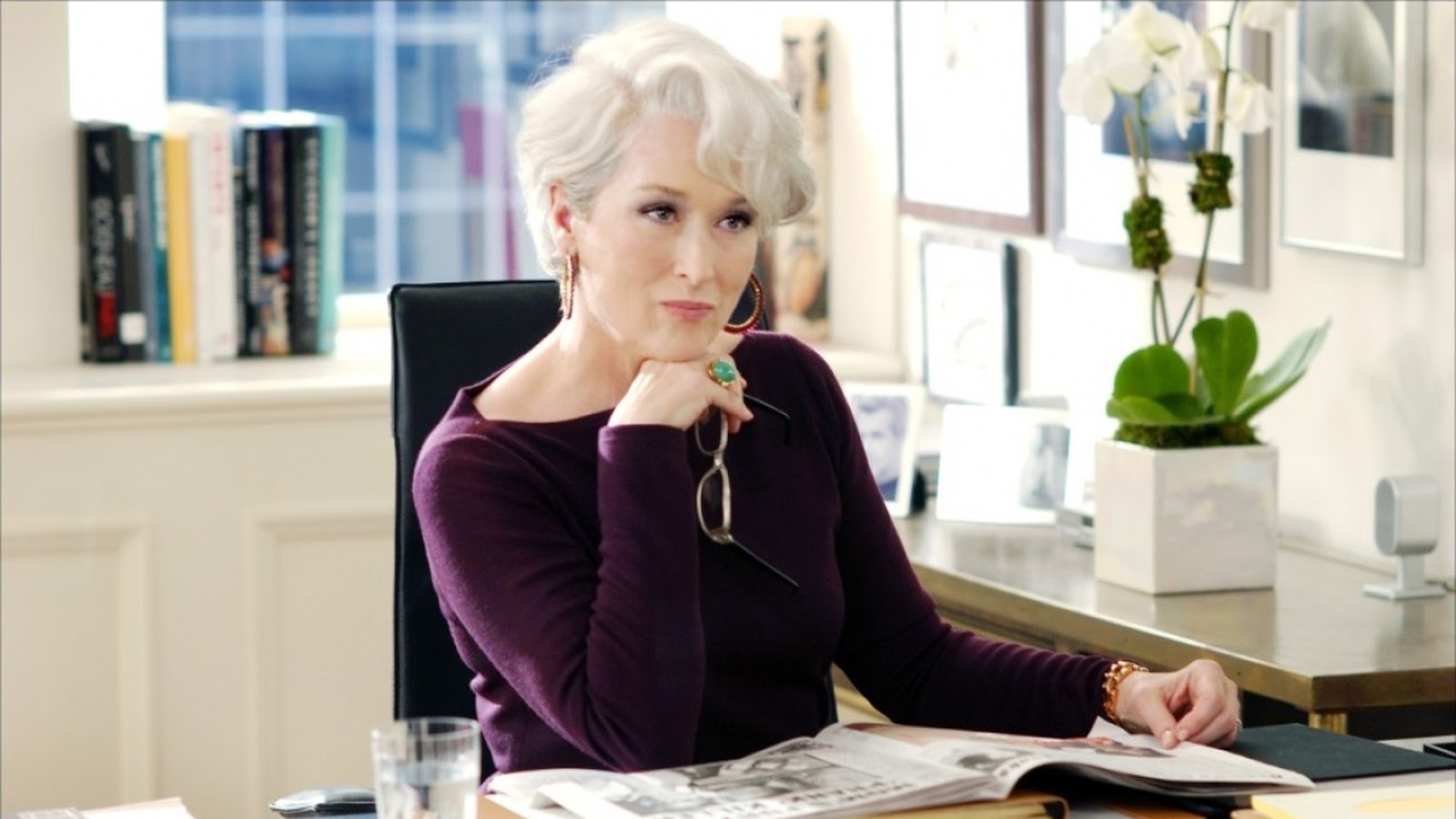
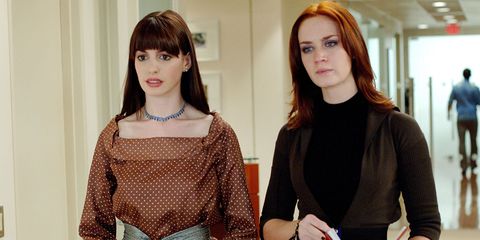
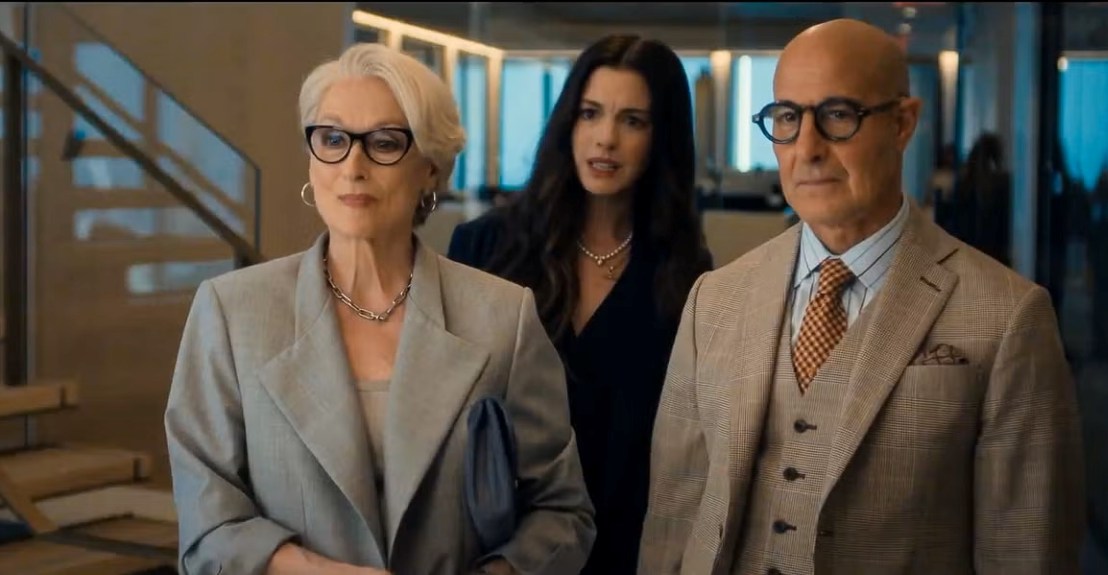
Twenty years on and once again The Devil Wears Prada trots down Hollywood’s cat-walk. Andy Sachs (Anne Hathaway) is now an award-winning journalist, whose entire newsroom has recently been kicked to the curb (via a group WhatsApp!) by their owner. Meaning she’s free to come back to Runway to help the magazine pilot its way through an online storm around a puff piece for a recently exposed sweatshop brand. Subdued dragon Miranda Priestly (Meryl Streep) might not want her back, but the listless editor is struggling in a world of HR complaints and magazines kow-towing to whip-hand holding advertisers like Dior – their advertising team now managed by former assistant Emily (Emily Blunt). Can Andy, Miranda and loyal number-two Nigel (Stanley Tucci) work together to make Runway successful and relevant again in the age of clickbait?
But of course, they can. There is nothing really surprising about The Devil Wears Prada 2, a perfectly entertaining film that has been skilfully set up to offer a good night out for fans of the first film. It’s packed with knowing little in-jokes and references and is overwhelmingly focused on getting the band back together and giving them a joint mission. Which in this case is those two familiar enemies of modern Hollywood, money-obsessed owners with no interest in talent and the internet and all its phone watching shallowness for legacy media.
As such, the idea of a print fashion magazine editor being a symbol of all powerful, devil incarnate ruthlessness feels incredibly passé. That’s one reason why Miranda feels like such a milder, put-upon, even vulnerable figure here, for all Streep can still rip through a sharp one-liner. The other is, of course, that rather like Hannibal Lecter becoming a sort of bizarre cult anti-hero by the time we got to Hannibal, rather than fearing Miranda, Devil Wears Prada 2 knows most of the audience love her. It’s a trend that was already happening in the first movie, and its doubled down here. Miranda is no more-or-less than the primary focus of sympathy for the film.
From the fact that her old world is falling down around her, to the joyless HR rules that stop her poisonous barbs even passing her lips in public, it’s in every inch of the film that expects the viewer to be openly rooting for her. In fact, the whole film is about getting that poisonous, go-getting killer back purring again – with Andy even being called out by a journalist friend for going through Stockholm Syndrome in her eagerness to help her old boss restore herself to terrifying the masses of the fashion world. Andy’s just feeling what the film is going through.
This is all part of a film that recognises the four leads are really popular with the audiences, so since we love them all they might as well all love each other (however secretly) as well. Stanley Tucci’s avuncular affection as Nigel is the glue that brings this gang back together. Anne Hathaway is still all sprightly, girly enthusiasm (however much we are told she is an ace investigative reporter) still trying to impress her private mentor. Emily Blunt (still ace) carefully lets the vulnerability and desperation to be liked peek through the surface of her brittle namesake, obsessed with style and etiquette. All the performers natural mateyness (heck, Blunt and Tucci are famously in-laws) scream off the screen in a film that’s basically a cosy reunion party.
It’s also a film that demonstrates the power of the original. Ironically, for a film all about cost-cutting at Runway, the budget for the film seems through the roof. Most of the second half takes place in the fashion hotspot of Milan. An armada of fashion figures play themselves at various junkets and black-tie dinners (bizarrely, even Rory McIlroy and his wife appear – Rory’s probably shouldn’t have acting in mind as a back-up career). You know a film has passed through the popularity mirror, when the industry it as effectively parodying (however gently) in the first film, pulls out all the stops to get every single name going into its sequel. To cap it off, Lady Gaga pops up to play an exaggerated version of herself, as holder of a long-running feud with Miranda.
The plot, as such, isn’t particularly important compared to the clothes, the charisma of the actors and the warm comfort the film is sure you are getting from the very fact it exists and is playing in front of your eyes. Meryl Streep is still lots of fun, even if she could still play Miranda while standing on her head. I would guess she asked for a top line actor to be her scene partner for her domestic scenes, hence the slightly bizarre presence of Kenneth Branagh of all people (doing a perfectly serviceable job, and he seems to have also gone to the trouble of learning a few notes on the violin).
How much you enjoy all this, rather depends probably on your level of knowledge and affection for the original. But, if you’ve got any level of that, you’ll probably find something to enjoy in this light, feel-good confection, where problems can be easily solved (twice!) by the waving of mythical billionaire Lucy Liu’s magic wand. There are some very, very mild points made about the downfall of the print industry (not to mention journalism) in the digital age, but that’s a subsidiary point to what we really want to see: a closing shot of our heroes working in perfect harmony, having learned (finally) to love and respect each other. It’s the sequel as very particular fan fiction.